
A family-run Dogliani winery and farmhouse B&B, Azienda Agricola Pecchenino is strongest when read through land rather than label hierarchy. Its 25 hectares in the Langhe countryside, Dolcetto-led Dogliani DOCG focus, and mountain-facing rural setting make it a grounded stop for visitors who want Piedmont’s vineyard culture without turning the visit into ceremony.

Pearl is the En Primeur Club membership app — saves, bookings, and concierge access live there. Same editors, same standards.
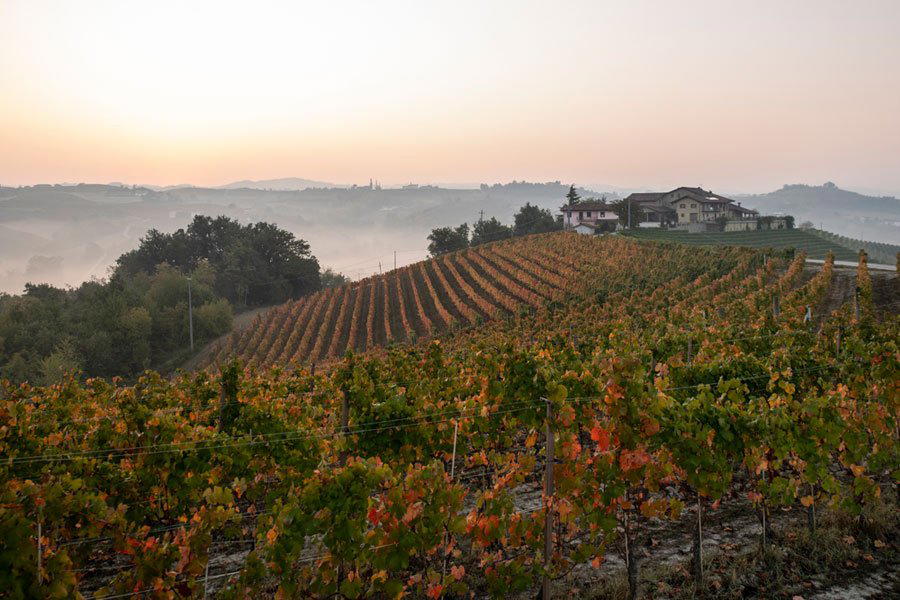
Approaching a working winery in Dogliani changes the tempo of a Piedmont wine trip. The drama here is not architectural theatre or a tasting room built for spectacle, but the quieter language of vineyard rows, farmhouse rooms, garden edges, and mountain views. Azienda Agricola Pecchenino belongs to that Langhe tradition where hospitality and production share the same rural frame: wine is poured close to the land that shaped it, and the surrounding hills do more than decorate the experience.
Dogliani asks for a different reading from the better-known Nebbiolo towns of the Langhe. This is Dolcetto country, and the grape has long carried a reputation for everyday drinkability that can obscure how much site and farming matter. In Dogliani DOCG, Dolcetto is not a supporting act. It is the regional argument. Pecchenino’s position is anchored in that argument, with a family-run estate setting, a medium-scale production profile, and a portfolio that moves from still reds into white and sparkling expressions without losing its Piedmont accent.
Dogliani terroir, not Barolo gravity, sets the tone
The useful way to understand this estate is to start with geography. Pecchenino works in Dogliani, where Dolcetto remains central, while also drawing from the wider Langhe conversation through Nebbiolo and Chardonnay. The stated focus spans Dolcetto, Nebbiolo, and Chardonnay, with still red, still white, and sparkling styles in the portfolio. That range matters because it shows a producer operating beyond a single-grape postcard, while keeping Dogliani DOCG as the anchor.
The local scene around Dogliani is a study in small and medium producers rather than grand hospitality compounds. Visitors comparing the area’s winery culture can look across producers such as Azienda Agricola Abbona Marziano, Azienda Agricola Valletti, Ca' Viola, Cascina Corte, and Chionetti to see how varied the commune can be. Pecchenino’s point of distinction is the combination of working winery, farmhouse-style stay, and broad vineyard outlook, rather than a tasting format detached from place.
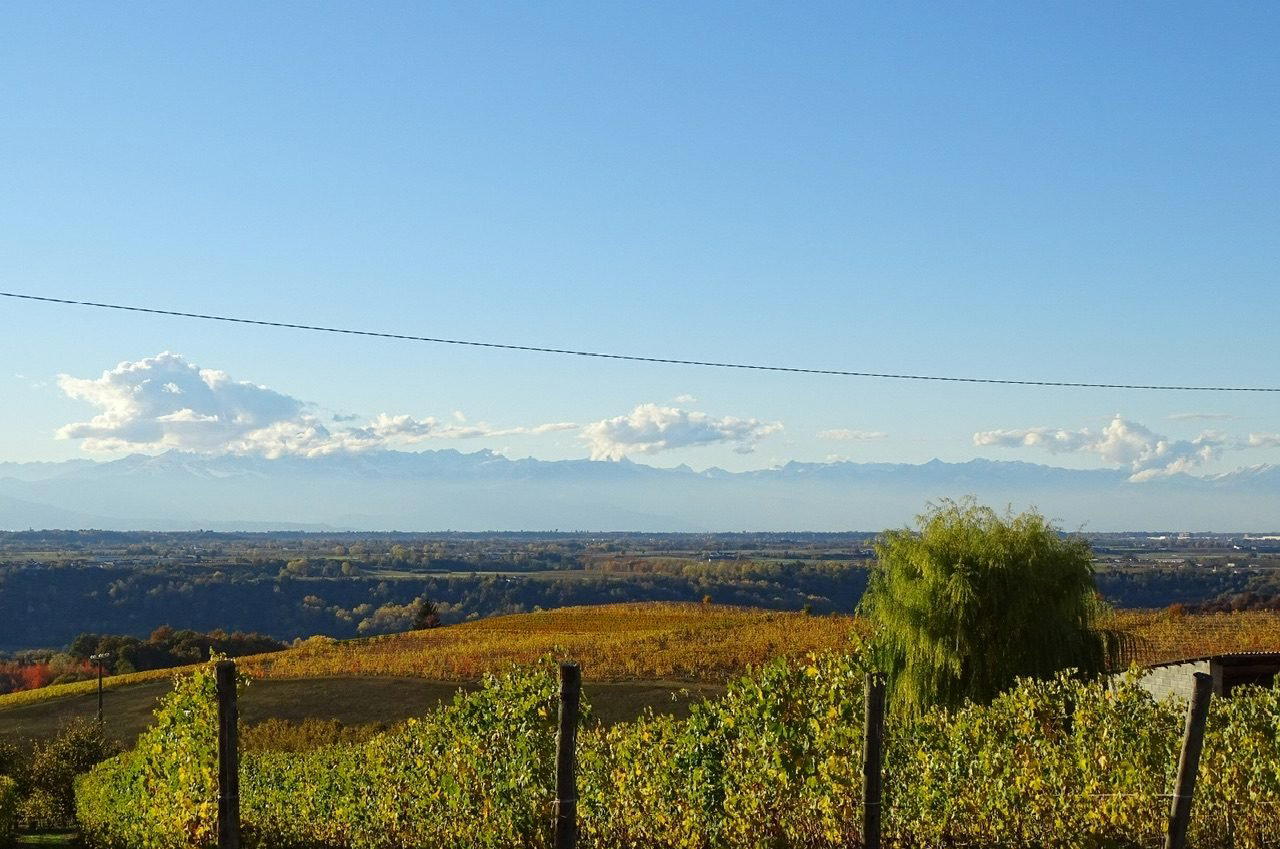
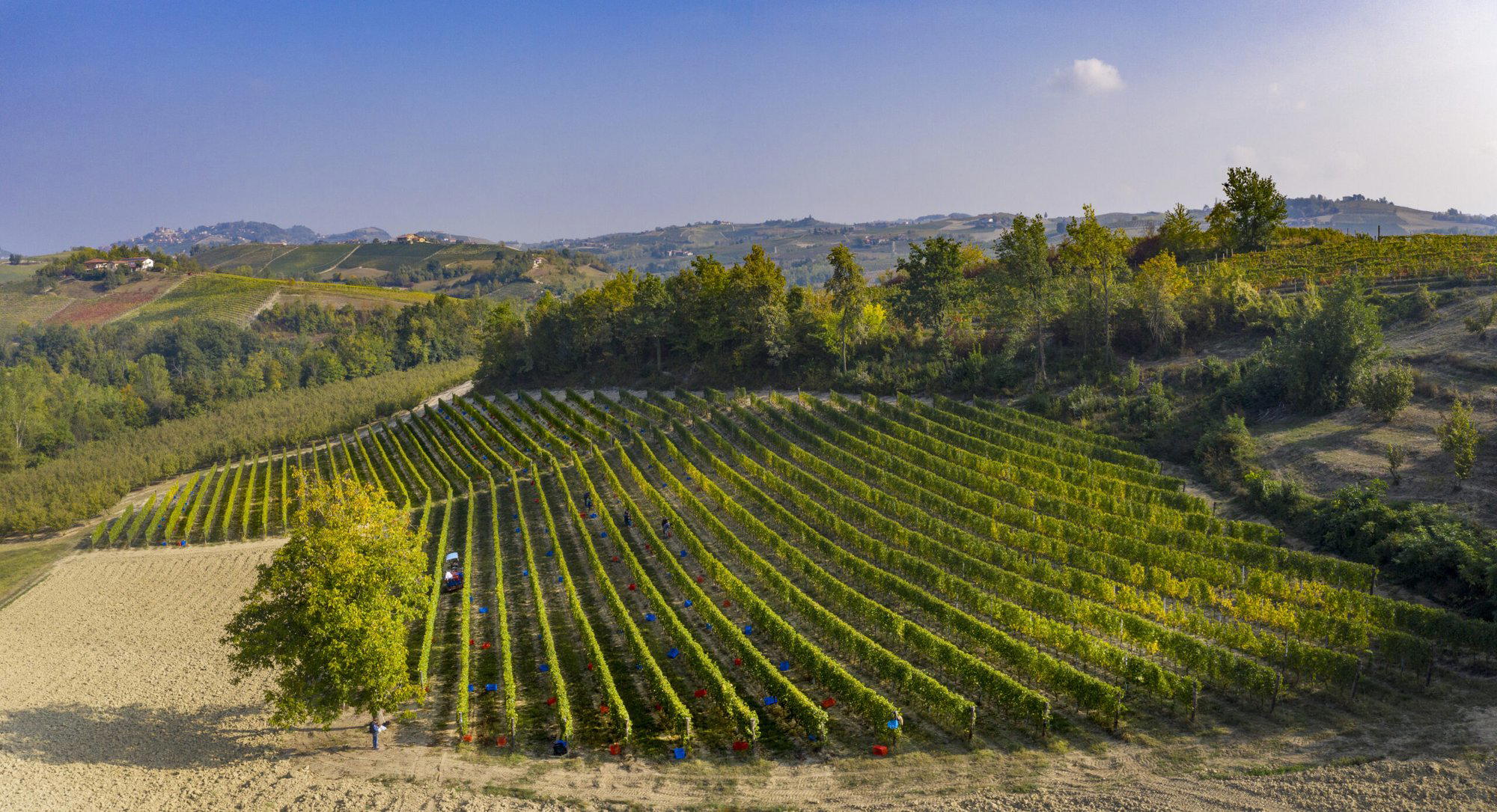
Land is not treated as scenery alone. The estate setting is described through vineyard, mountain, and garden views, with a quiet rural atmosphere that fits the wine style. Dolcetto benefits from that kind of contextual tasting: when tasted in its home territory, its role in Piedmont feels less like a casual alternative to Nebbiolo and more like a local dialect with its own grammar. Nebbiolo and Chardonnay broaden the conversation, but they do not erase the Dogliani foundation.
A farmhouse format keeps the experience close to the vines
Hospitality in the Langhe has split into two recognizable modes. One side leans toward high-design rooms and destination dining; the other keeps the farmhouse grammar intact, using comfort, views, and proximity to vineyards as the main assets. Pecchenino sits firmly in the second camp. The property combines a working winery with a bed-and-breakfast atmosphere, farmhouse-style rooms, and an intimate, quiet tone. That makes the visit more useful for travellers who want to understand rural wine culture than for those chasing a polished tasting salon.
The visit type is by reservation, with estate tasting, vineyard tasting, private tasting, and overnight guest tasting listed as formats. Tour duration runs 60 to 90 minutes, and tastings can be conducted in Italian or English. Those details place the experience in the educational tier: structured enough to orient first-time visitors, but not so formal that it turns Dolcetto into a museum piece. Outdoor seating and panoramic views also shift the rhythm, especially in fair weather, when the point is not only what is in the glass but how the surrounding hills explain it.
For travellers building a Dogliani itinerary, the town works better as a slow wine base than a single tasting detour. Dining, hotels, bars, wineries, and local activities can be mapped through Our full Dogliani restaurants guide, Our full Dogliani hotels guide, Our full Dogliani bars guide, Our full Dogliani wineries guide, and Our full Dogliani experiences guide. The better plan is to give the area enough time for context, since Dogliani’s appeal lies in cumulative detail rather than a single headline bottle.
How to read the portfolio in the glass
The estate’s production philosophy is listed as sustainable, and its sourcing tags point in the same direction. In practical wine terms, that framing matters most when paired with the estate’s small-capacity feel and vineyard-facing format. Sustainability is not a slogan to be separated from the tasting; it is part of the broader Dogliani logic, where farming choices, hillside exposure, and varietal suitability shape the result before cellar technique enters the conversation.
Dolcetto should be the starting point. In this commune, it gives the clearest signal of place and avoids the common Langhe mistake of treating every visit as a Nebbiolo audition. Nebbiolo then shows how the estate speaks the wider regional language, while Chardonnay and sparkling production add another register. The smart tasting sequence is not about ranking grapes by prestige; it is about moving from the local base outward, so the portfolio reads as a map rather than a shelf of unrelated bottles.
The venue works for couples, families, small groups, solo travellers, and wine education, helped by a casual dress code, quiet noise level, on-site parking, and payment by cash, credit card, or debit card. It is not positioned around food pairing, so the wine itself carries the visit. Shipping is available, and allocation is open, which makes the experience less about scarcity theatre and more about deciding which expressions of Dogliani and Langhe make sense after tasting them in context.
Beyond Dogliani, Italy’s and Europe’s winery scene stretches from large regional producers to small specialist addresses. For readers widening the lens, references such as 3GP SRL in Treviso, 47 Anno Domini in Trebaseleghe, A Mano Wine in Noci, »der Steiner« Hans Steiner in Podersdorf am See, and & Handwein in Mannheim show how differently wine hospitality can behave across regions. Pecchenino’s appeal is narrower and more specific: it makes strongest sense when the goal is to understand Dogliani through vineyard setting, Dolcetto culture, and a family-run rural format.
Recognition history
Dated appearances from independent guides and award organizations, with the underlying list record or original source where available.
Falstaff Winery - Listed
Falstaff
Continue exploring
More in Dogliani
Wineries in Dogliani
Browse all →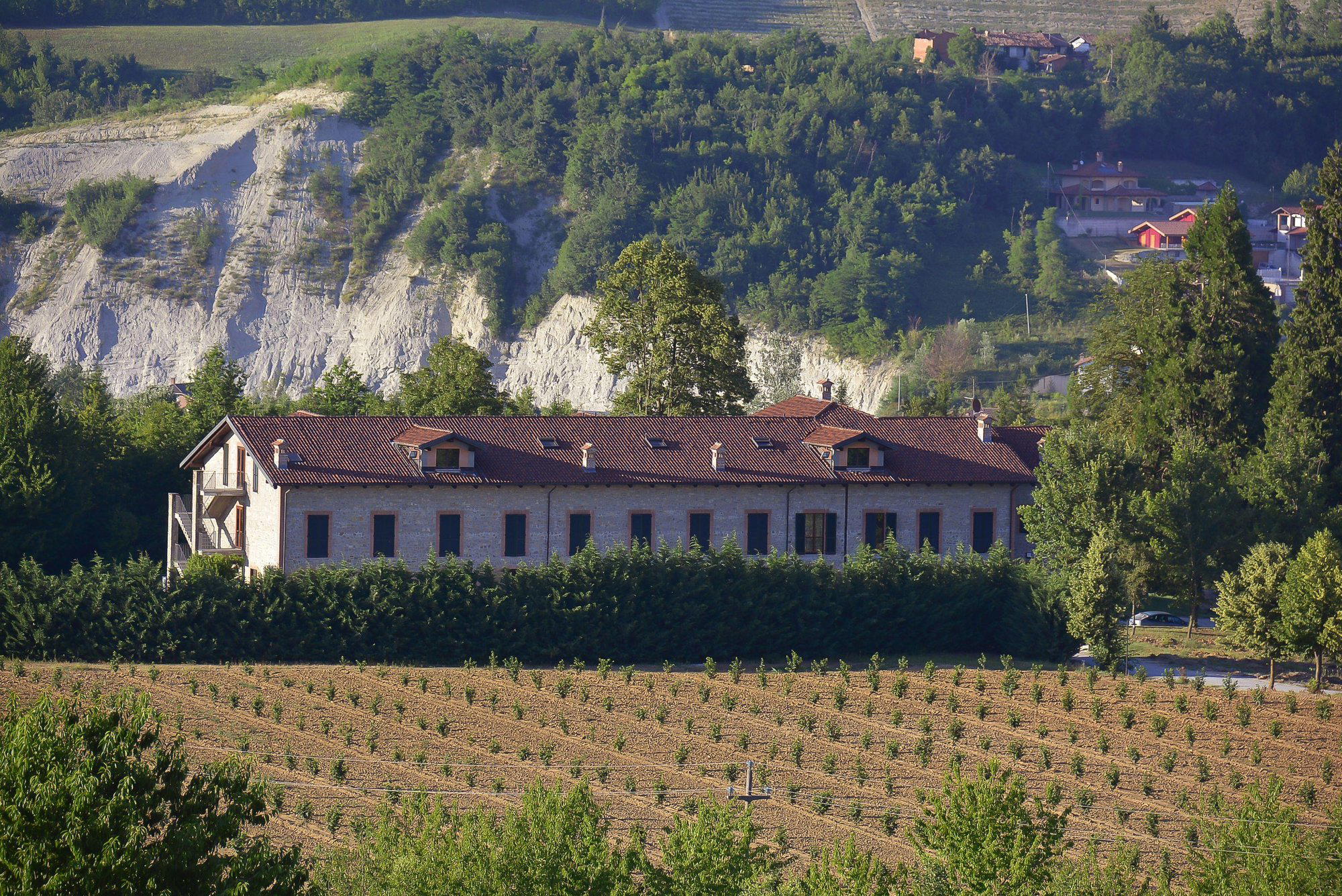

Restaurants in Dogliani
Browse all →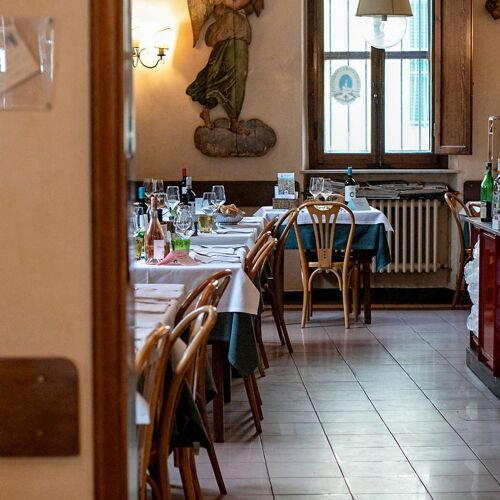
At a Glance
- Scenic
- Rustic
- Classic
- Cozy
- Intimate
- Romantic Getaway
- Group Outing
- Solo Exploration
- Wine Education
- Family
- Estate Grounds
- Vineyard Tour
- Panoramic View
- Private Tasting
- Sustainable
- Vineyard
- Mountain
- Garden
- Dogliani DOCG
- Dolcetto
- Nebbiolo
- Chardonnay
- Still Red
- Still White
- Sparkling
- Estate Tasting
- Vineyard Tasting
- Private Tasting
- Overnight Guest Tasting
Family-run Langhe farmhouse setting on a working winery and B&B, with open views over surrounding vineyards and mountains and a quiet, relaxing rural atmosphere.