Ataahua Wines

Ataahua Wines reads Amberley through Waipara’s terraces: a small family-run estate working with Syrah, Pinot Noir, Riesling and Chardonnay on clay loam and river-terrace soils. The appeal is less cellar-door spectacle than land literacy, with sustainable farming, a quiet vineyard setting and a portfolio shaped by North Canterbury’s dry, structured wine country.

Pearl is the En Primeur Club membership app — saves, bookings, and concierge access live there. Same editors, same standards.
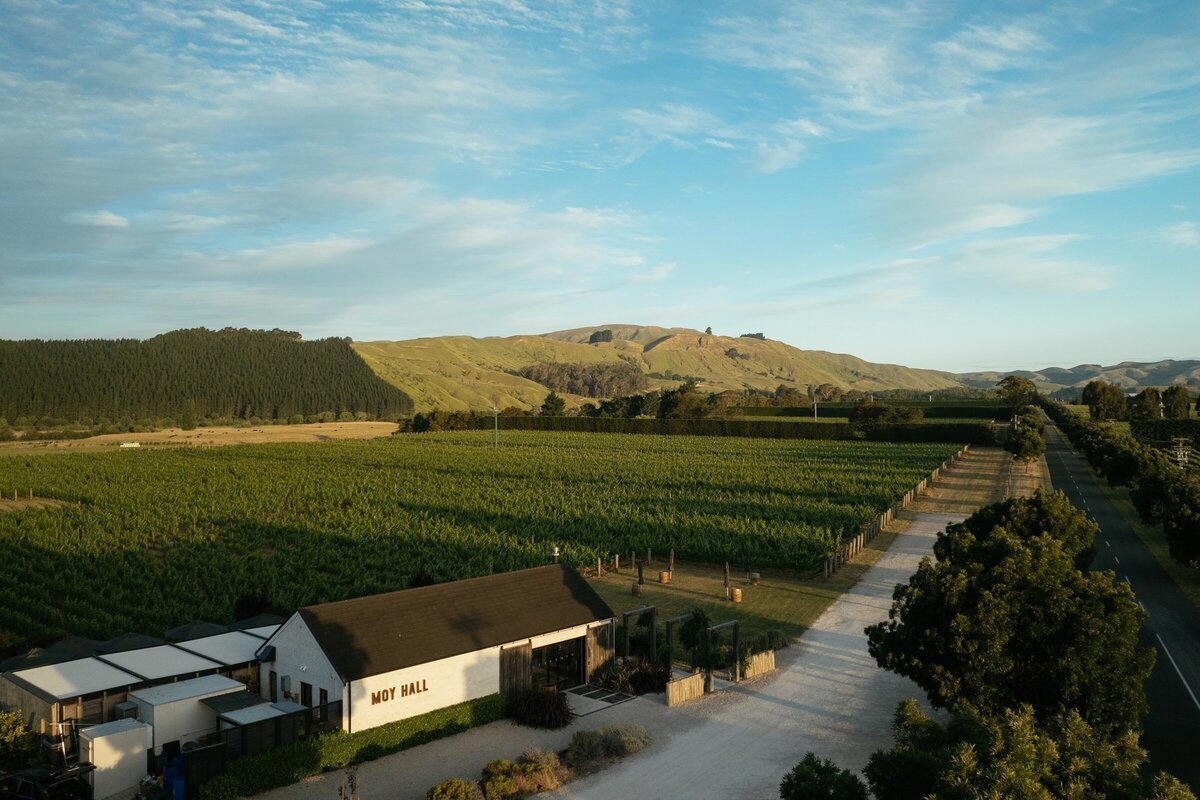
Ataahua Wines in Amberley is best framed as a scenic, vineyard-centered venue rather than a high-volume hospitality stop. The picture is deliberately simple: a family-run estate with a strong sustainability ethos, a quiet rural mood, and a rustic, intimate setting. In editorial terms, the value of the venue is not in trying to describe it as more elaborate than the available information supports, but in recognizing the kind of experience it is positioned to offer: slower, more place-based, and closely tied to its vineyard surroundings.
Its appeal rests on atmosphere and sense of place rather than on an asserted menu, service format, or accolade. That distinction is useful for visitors because it keeps expectations clear. Ataahua Wines reads as a venue to approach for its setting, its estate character, and its calm Amberley context, not as a place that needs to be defined by a long list of amenities or promotional claims.
Vineyard setting and estate character
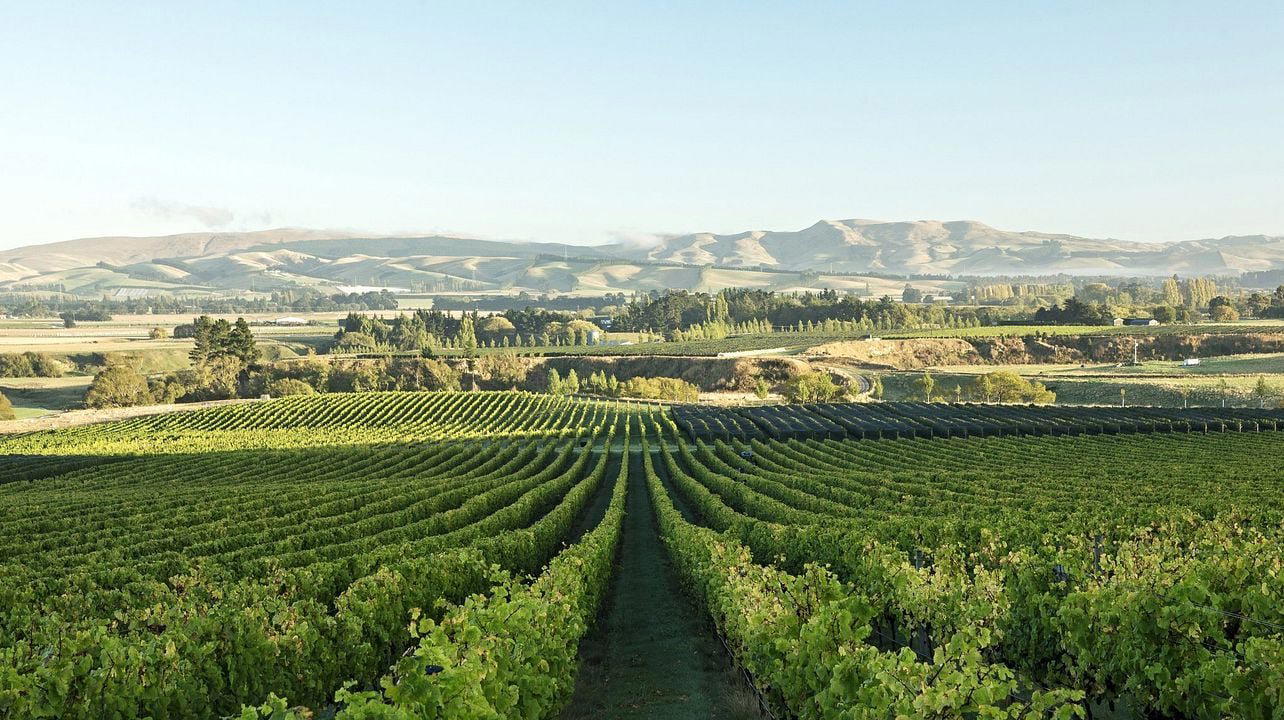
The core draw at Ataahua Wines is the vineyard-centered environment. Visitors looking for a quieter Amberley experience should expect the emphasis to sit on the estate setting, the landscape, and the family-run character of the venue. The vineyard frame gives the place its main identity: it is not simply a stop in Amberley, but a rural estate experience where the surroundings are central to how the venue should be understood.
The mood is scenic, quiet, rustic, and intimate. That makes the winery a better fit for people seeking a calm rural stop than for those looking for a large, entertainment-led venue. The rustic and intimate qualities are important because they point toward a more restrained kind of visit, where the appeal is likely to come from the calmness of the environment and the directness of the estate setting rather than from scale, spectacle, or a busy hospitality format.
Sustainability is also part of the identity of the winery. Rather than overstating specific farming methods or certifications, it is safest to describe the estate as having a strong sustainability ethos. That phrasing matters because it acknowledges the sustainability-minded character of the venue while avoiding detail that has not been established here. For visitors, it helps place the winery among venues where environmental awareness is part of the overall identity, even if the precise practices should be confirmed directly if they are central to a visit.
A family-run Amberley estate
The winery is rooted in a family-run estate format. That matters because it gives the venue a more personal, grounded identity than a generic visitor operation, without needing to invent details about ownership, production, or service style. A family-run frame suggests a smaller-scale, more locally embedded character, and that aligns with the broader description of the winery as scenic, quiet, rustic, intimate, and vineyard-centered.
For planning purposes, the confirmed price indicator is $$, and the character is scenic, quiet, rustic, intimate, and vineyard-centered. Specifics such as opening hours, booking requirements, tasting structure, food availability, and accessibility should be checked directly before visiting. That is especially important for a venue whose strongest confirmed qualities are atmospheric and estate-based rather than operational. Checking current details keeps the visit practical while preserving the simple editorial description of what the winery is: a calm Amberley estate with a sustainability-minded outlook.
Within Amberley, the winery works well as a calm estate-focused stop. Other dining and hospitality options in Amberley can be considered separately, but no specific comparison venue is here beyond the winery itself. One accurate way to place it is as a vineyard-centered option for visitors who want the mood of a rural estate, not as a catch-all substitute for every kind of restaurant, bar, or entertainment venue in the area.
How to place Ataahua within an Amberley itinerary
The winery is suited to travelers who value a scenic vineyard environment, a quieter atmosphere, and the character of a family-run estate. It is also a sensible fit for people who prefer venues with a clear sense of place, where the surrounding landscape and the estate identity are part of the reason to go. The more someone is looking for calm, rustic intimacy rather than volume and bustle, the more naturally the winery fits the brief.
If you are planning around meals, transport, or other activities, confirm current details directly with venues before making the trip. For the winery, the reliable editorial frame is simple: Amberley, $$, vineyard-centered, family-run, sustainability-minded, scenic, quiet, rustic, and intimate. Keeping that frame intact helps set expectations accurately.
Recognition history
Dated appearances from independent guides and award organizations, with the underlying list record or original source where available.
Falstaff Winery - Listed
Falstaff
Continue exploring
More in Amberley

At a Glance
- Scenic
- Quiet
- Rustic
- Intimate
- Wine Education
- Special Occasion
- Group Outing
- Solo Exploration
- Vineyard Tour
- Estate Grounds
- Private Tasting
- Sustainable
- Vineyard
- Waipara
- Syrah
- Pinot Noir
- Riesling
- Chardonnay
- Still Red
- Still White
- Guided Tasting
- Cellar Door Tasting
Scenic, vineyard-centered, and rooted in a family-run estate with a strong sustainability ethos.