Mount Brown Estates

Falstaff Winery - Listed
Mount Brown Estates reads as a Waipara Valley estate first and a tasting stop second: rural, quiet, vineyard-led, and shaped by North Canterbury’s cool-climate varieties. The draw is terroir expression across Pinot Noir, Sauvignon Blanc, Pinot Gris, Chardonnay, and Riesling, backed by a family restoration story that began in 2003 on stony ground at the foothills of Mount Brown.

Pearl is the En Primeur Club membership app — saves, bookings, and concierge access live there. Same editors, same standards.
- Address
- Amberley, Neuseeland
- Directions
- Get directions

Mount Brown Estates in Amberley is best understood as a rural North Canterbury estate rather than a formal hospitality showpiece. The picture is simple: a relaxed, scenic wine setting with attention on vineyards and sustainable grape-to-glass production. Visitors should approach it as a down-to-earth seasonal wine experience, with the land and working-estate context doing more of the talking than polished ceremony. In practical terms, that means reading the venue through its setting first: an Amberley estate where the experience is shaped by the surrounding countryside, the rhythm of the vineyards, and a production outlook that keeps the path from grape to glass in view.
A rural Amberley setting sets the tone
North Canterbury’s appeal often comes from landscape, climate, and the sense of place around its vineyards. For Mount Brown Estates, the grounded detail is not a confirmed list of varieties, scores, awards, or production statistics, but the broader estate identity: vineyards, sustainable grape-to-glass production, and a rural Amberley setting. That is enough to establish the tone without overstating the offer. The estate belongs in the category of places where the environment is part of the point, and where a visit is best understood as a chance to be close to the working wine landscape rather than to consume a tightly packaged hospitality performance.
That makes the strongest editorial read more about context than claims. Mount Brown Estates should not be framed around an signature dish, fixed wine list, formal tasting format, or specific accolade. The reliable draw is the estate experience itself: a scenic, casual North Canterbury wine stop where the focus remains on the vineyards and the production philosophy. This gives the venue a quieter kind of appeal.
Price is listed in the $$ band, which positions the venue as approachable rather than a luxury-only destination. Beyond that, specific claims about wine styles, bottle prices, opening hours, seat counts, rankings, or service inclusions should be checked directly with the estate before planning around them. The $$ signal is useful as a broad guide, but it should not be treated as a substitute for current information. Anyone organising a visit should keep the price category in mind while still confirming the practical details that can change by season, availability, or estate operations.
A relaxed estate experience rather than luxury theatre
The mood is rural, relaxed, and seasonal. Mount Brown Estates reads as a casual, down-to-earth wine experience in Amberley, not a formal hospitality space with a heavily staged service model. The setting is scenic, with emphasis on vineyards and sustainable production. That framing matters because it keeps expectations aligned with what is actually supported by the available information. The pleasure is in the estate atmosphere and the sense of being in a North Canterbury wine landscape, not in a promise of ceremony, exclusivity, or elaborate service flourishes.
Because the confirmed data is limited, it is better to keep expectations flexible. The page should not promise specific tours, outdoor tastings, walk-in policies, named hosts, winemaking personnel, family history, parking, shipping, wine-club details, or accessibility features unless those details are confirmed directly by the venue. This restraint is part of a more useful editorial approach. It helps visitors separate the broad character of the place from the operational details that may not be fixed, public, or current. Mount Brown Estates can still be recommended as a relaxed estate reference point without turning uncertainty into unsupported certainty.
The more reliable reason to consider Mount Brown Estates is its Amberley location, rural North Canterbury character, vineyard focus, sustainable grape-to-glass framing, and $$ price level. Those elements create a clear enough identity: approachable, scenic, and rooted in the estate rather than in a list of external badges. For visitors who prefer a simple wine-country stop with a working-rural feel, that may be the most relevant description.
How to place it within an Amberley visit
For an Amberley visit, Mount Brown Estates works well as a scenic estate stop rather than a venue to over-script. Build the plan around the rural setting, the vineyards, and the slower pace of North Canterbury. If comparing it with other dining or wine options in Amberley, keep those comparisons general unless you have current, confirmed details for each place. The safest approach is to let Mount Brown Estates fill the role it clearly supports: a relaxed, seasonal estate experience that gives an Amberley itinerary a vineyard-focused anchor without requiring exaggerated claims about what will happen once you arrive.
Travel planning in Amberley is cleaner when wine, food, and lodging are separated rather than forced into a single stop. Use Mount Brown Estates as the grounded reference point for a relaxed, seasonal estate experience, then check current local listings directly before making assumptions about opening times, booking requirements, menus, tastings, or transport. This keeps the visit realistic and avoids building an itinerary on details that have not been confirmed here. In that sense, the ideal way to approach Mount Brown Estates is with curiosity, flexibility, and attention to the rural North Canterbury context that defines it.
Recognition history
Dated appearances from independent guides and award organizations, with the underlying list record or original source where available.
Falstaff Winery - Listed
Falstaff
Continue exploring
More in Amberley
Wineries in Amberley
Browse all →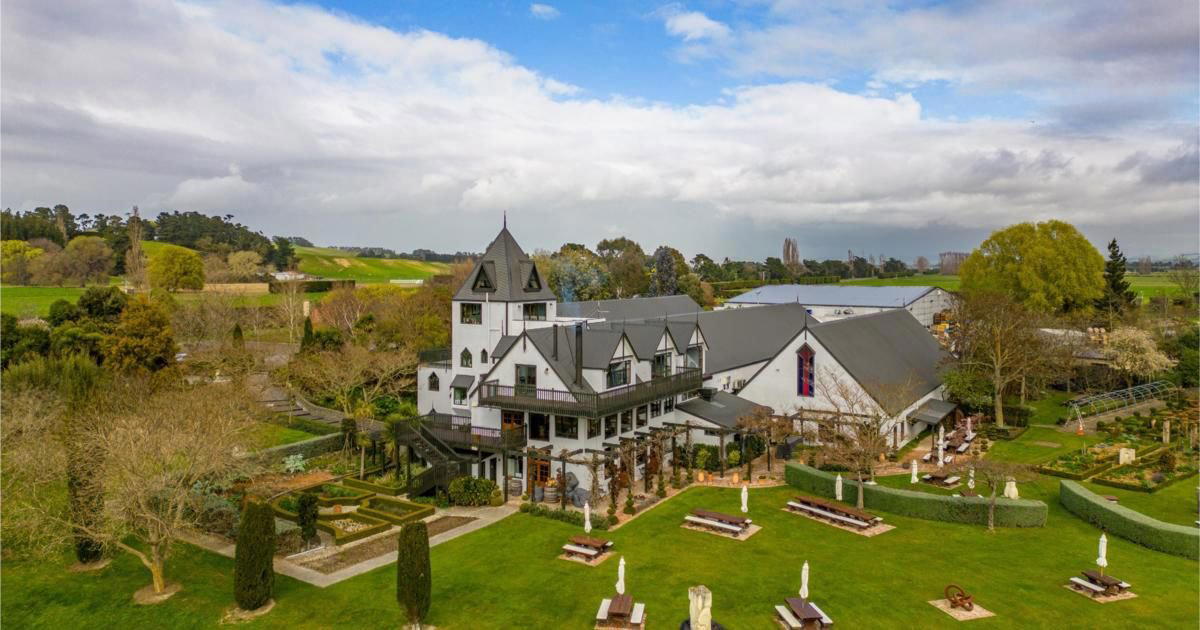
Bars in Amberley
Browse all →


Restaurants in Amberley
Browse all →

Hotels in Amberley
Browse all →
Details
- Scenic
- Rustic
- Intimate
- Classic
- Group Outing
- Wine Education
- Solo Exploration
- Romantic Getaway
- Family
- Estate Grounds
- Picnic Area
- Vineyard Tour
- Sustainable
- Vineyard
- Mountain
- Sauvignon Blanc
- Pinot Noir
- Pinot Gris
- Chardonnay
- Riesling
- Still Red
- Still White
- Still Rosé
- Bar Tasting
- Vineyard Tour
- Outdoor Tasting
- English
Rural, relaxed North Canterbury estate setting with a focus on the vineyards and sustainable grape-to-glass production rather than a formal hospitality space, offering a casual, down-to-earth wine experience when visited seasonally.