Aidarinis Winery

Aidarinis Winery operates in Goumenissa, one of northern Greece's most compelling appellations for the Xinomavro and Negoska blend. Awarded Pearl 2 Star Prestige status in 2025, the estate sits within a small producer community where volcanic soils and continental altitude define the house style as much as any cellar decision.
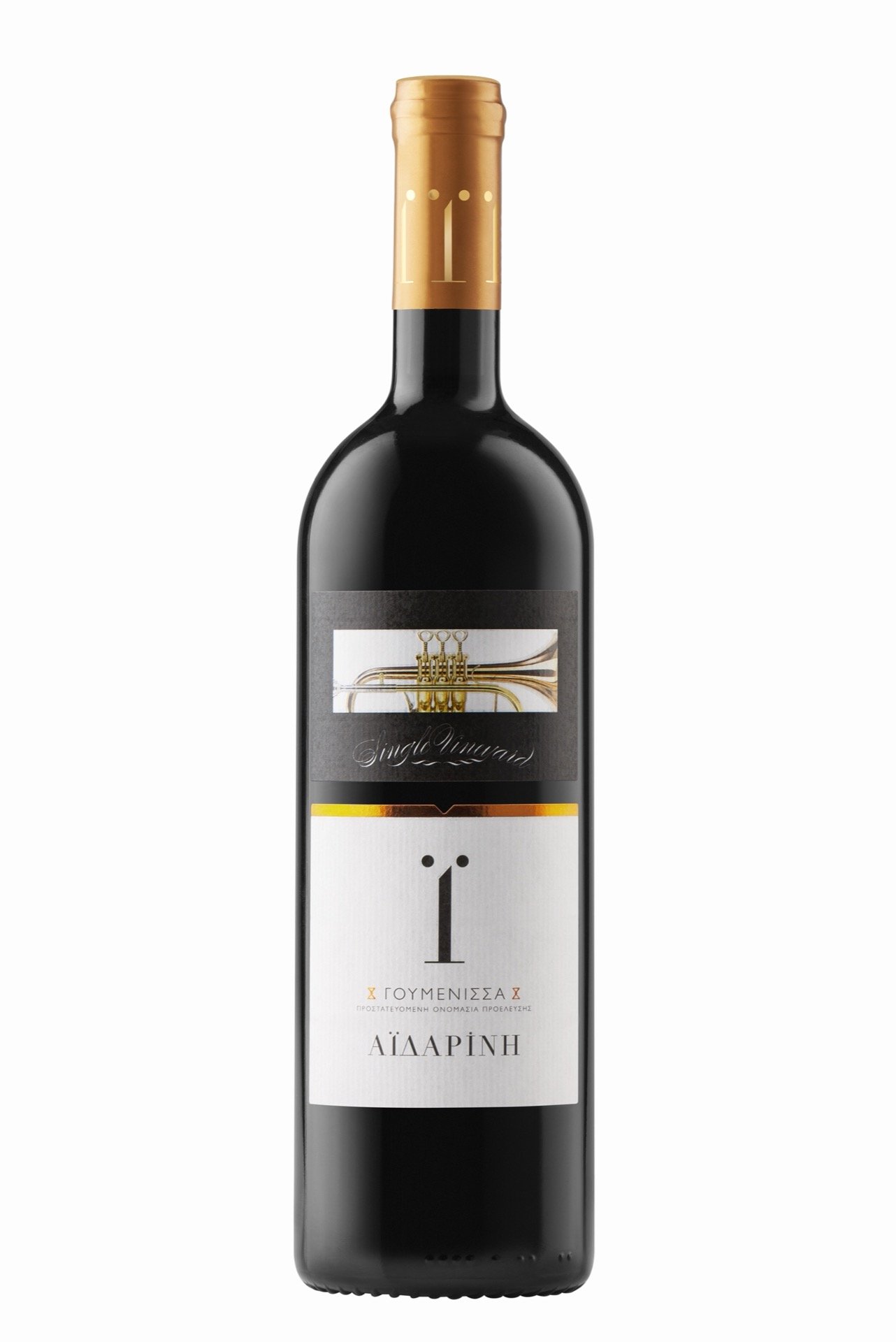
Where the Goumenissa Appellation Earns Its Reputation
The road into Goumenissa, a small town in the Kilkis regional unit of Central Macedonia, passes through a countryside that looks unremarkable until the vines begin. At around 200 metres above sea level, with the Paikos mountain range shaping the microclimate to the south and west, the Goumenissa PDO sits in a thermal corridor that separates it meaningfully from the warmer, lower-altitude vineyards of the broader Macedonian wine belt. The continental climate here delivers cold winters and warm, dry summers, but altitude moderates afternoon heat sufficiently to preserve the aromatic precision that the appellation's principal grape, Xinomavro, demands. This is the terrain that Aidarinis Winery draws from, and the 2025 Pearl 2 Star Prestige recognition it has received reflects how clearly that terroir expresses itself in the bottle.
Two Grapes, One Appellation, a Very Specific Set of Soils
Goumenissa's governing PDO rules mandate a blend: Xinomavro, the region's high-acid, high-tannin workhorse, must form the backbone, while Negoska, a softer, darker variety grown almost exclusively in this appellation, provides flesh and colour stability. The combination is one of the more distinctive blending equations in Greek wine, and the ratio between the two grapes determines much of the house character a producer develops over time. Soils in the Goumenissa zone tend toward clay-limestone with volcanic inputs, a composition that retains moisture during dry summers and contributes a mineral texture that experienced tasters associate with the appellation rather than any individual producer's winemaking choice.
This distinction matters when assessing any estate here. The appellation's character is not manufactured; it arrives from the ground and the altitude. What producers then do with maceration length, oak exposure, and harvest timing defines how faithfully or how liberally they interpret that raw material. Chatzivaritis Estate, among the more documented names in the zone, offers a useful reference point: Goumenissa supports a peer group of serious producers working a small, coherent appellation, which places any 2 Star Prestige recognition within a competitive rather than isolated context.
What a 2025 Pearl 2 Star Prestige Signal Actually Means
Awards operate as shorthand for positioning, and the Pearl 2 Star Prestige designation Aidarinis received in 2025 places it in the upper tier of the EP Club rating framework. In a small appellation with limited international visibility, that kind of external validation carries particular weight: it signals that the wines are performing at a level that invites comparison beyond the local or regional market. For Goumenissa, which remains less trafficked by international wine buyers than Naoussa to the west or Santorini to the south, producers with formal recognition occupy a smaller, more intentional segment of the consumer's attention than their counterparts in higher-profile Greek zones.
To calibrate that further, consider the reference points available across northern Greece. Alpha Estate in Amyntaio has built a significant international profile from the Florina zone, and Akrathos Newlands Winery in Panagia represents the more maritime character of the Halkidiki peninsula. Aidarinis, by contrast, anchors itself firmly in the Goumenissa PDO, and the prestige award suggests it is doing so at a level that holds up in broader company.
The Xinomavro Question: Regional Character vs. House Expression
Xinomavro divides opinion, and that division is the point. The grape produces wines with striking structural tension: tannins that require time, acidity that outlasts most food pairings, and an aromatic profile that moves from red fruit and dried herbs when young toward more complex savory and earthy notes with age. It has been compared, sometimes lazily, to Nebbiolo, and while the analogy has some structural logic, the specific mineral and herbal register that Goumenissa's clay-volcanic soils produce is its own thing, not a Mediterranean echo of Barolo.
The Negoska proportion in a Goumenissa blend softens that structural edge. When the balance is right, the result is a wine that retains Xinomavro's precision and longevity without requiring the decade-long patience that pure Xinomavro from Naoussa often demands. This is one reason the Goumenissa PDO deserves more attention than it receives from international buyers focused on single-varietal Xinomavro expressions. The blending tradition is genuinely local and structurally interesting in its own right.
Planning a Visit: Goumenissa in Context
Goumenissa sits roughly 70 kilometres north of Thessaloniki, Greece's second city and the practical gateway for anyone visiting Central Macedonia's wine country. Thessaloniki has a well-connected international airport and functions as the logical base for multi-estate itineraries that might include stops further west toward Naoussa or east toward Halkidiki. The town of Goumenissa itself is small; infrastructure for wine tourism is more modest than in the more heavily visited Naoussa zone, which means the experience of visiting producers here tends toward the direct and unhurried rather than the curated and scheduled.
Aidarinis Winery's address is Eth. Antistasis 44, Goumenissa 613 00. Contact details and booking arrangements are not currently listed publicly, so reaching the estate in advance of a visit is worth researching through local wine tourism channels or through our full Goumenissa wineries guide, which covers the broader producer landscape in the appellation. For the wider town context, our full Goumenissa restaurants guide and our full Goumenissa hotels guide provide practical orientation. Those interested in what else the area offers beyond wine should also check our full Goumenissa bars guide and our full Goumenissa experiences guide.
Harvest timing in the Goumenissa zone typically falls in late September to October, when the higher altitude moderates the pace of ripening relative to lower-elevation Macedonian vineyards. Visiting in that window gives the clearest picture of how the appellation's terrain shapes the growing season, and some producers open more informally during harvest than at other times of year.
Greek Wine in a Broader Frame
For those building a picture of Greek wine beyond the well-documented islands and the Nemea zone, northern Macedonia rewards attention. Abraam's Vineyards in Komninades and Anatolikos Vineyards in Xanthi extend the picture eastward, while Acra Winery in Nemea and Aiolos Winery in Palaio Faliro provide counterpoints from the Peloponnese and Attica. Further afield, Achaia Clauss in Patras brings in the southwest's history, while Abadía Retuerta in Sardón de Duero and Aberlour in Aberlour demonstrate how terroir-expression conversation extends well beyond Greece's borders.
Within that wider frame, the Goumenissa PDO, and Aidarinis within it, occupies a specific and coherent position: a small continental appellation built around a blending tradition that is locally rooted, structurally distinctive, and currently receiving the kind of formal recognition that should expand its audience.
Frequently Asked Questions
What wine should I prioritise at Aidarinis Winery?
The Goumenissa PDO appellation blend, built on Xinomavro with Negoska, is the defining expression of the zone. Any producer working within the appellation rules is making a wine that cannot be replicated outside this specific growing area, and that is the starting point for understanding what Aidarinis is working with. The estate's 2025 Pearl 2 Star Prestige recognition indicates the wines are performing at the upper end of the peer group, which makes the appellation blend the logical first choice. Specific bottling details are not currently available in the public record.
What makes Aidarinis Winery stand out in Goumenissa?
The town of Goumenissa hosts a small producer community within a PDO that remains less internationally visible than Naoussa or Santorini, which means any formal award recognition carries comparative weight. Aidarinis received Pearl 2 Star Prestige status in 2025, placing it in the upper segment of a small, coherent appellation. In an area where volcanic clay soils, continental altitude, and the Xinomavro-Negoska blending tradition collectively define the house character, formal recognition signals that the estate is translating that terroir into wine at a level that holds up outside the local market. Price details are not currently published.
How far in advance should I plan a visit to Aidarinis Winery?
Goumenissa is a small town with limited wine tourism infrastructure, which means visits to individual producers are less routinely scheduled than at larger, more internationally oriented estates. No public booking contact is currently listed for Aidarinis. If you are travelling from Thessaloniki, 70 kilometres to the south, planning several weeks ahead and seeking current contact information through local wine tourism resources is advisable. Harvest season, typically late September to October in this appellation, can create either additional access or reduced availability depending on the producer, so confirming timing before arrival matters.
How It Stacks Up
Comparable options at a glance, pulled from our tracked venues.
| Venue | Classification | Awards | First Vintage | Notes |
|---|---|---|---|---|
| Aidarinis Winery | 1 awards | This venue | ||
| Estate Argyros | World's 50 Best | |||
| Kir-Yianni Estate | World's 50 Best | |||
| Achaia Clauss | 1 awards | |||
| Boutari Winery (Goumenissa) | 1 awards | |||
| Chatzivaritis Estate | 1 awards |
Access the Cellar?
Our members enjoy exclusive access to private tastings and priority allocations from the world's most sought-after producers.
Access the Concierge