
Falstaff Winery - Listed
Accademia Olearia brings Sardinia’s olive-oil culture into sharp focus: a large rural estate near Alghero shaped by Bosana, Semidana and Tonda di Cagliari olives, marine air and Sardegna DOP production discipline. The experience is less polished tasting salon than agricultural immersion, with olive groves, production context and laboratory-minded quality cues doing the talking.

Pearl is the En Primeur Club membership app — saves, bookings, and concierge access live there. Same editors, same standards.
- Address
- ALGHERO, Sassari, Italien
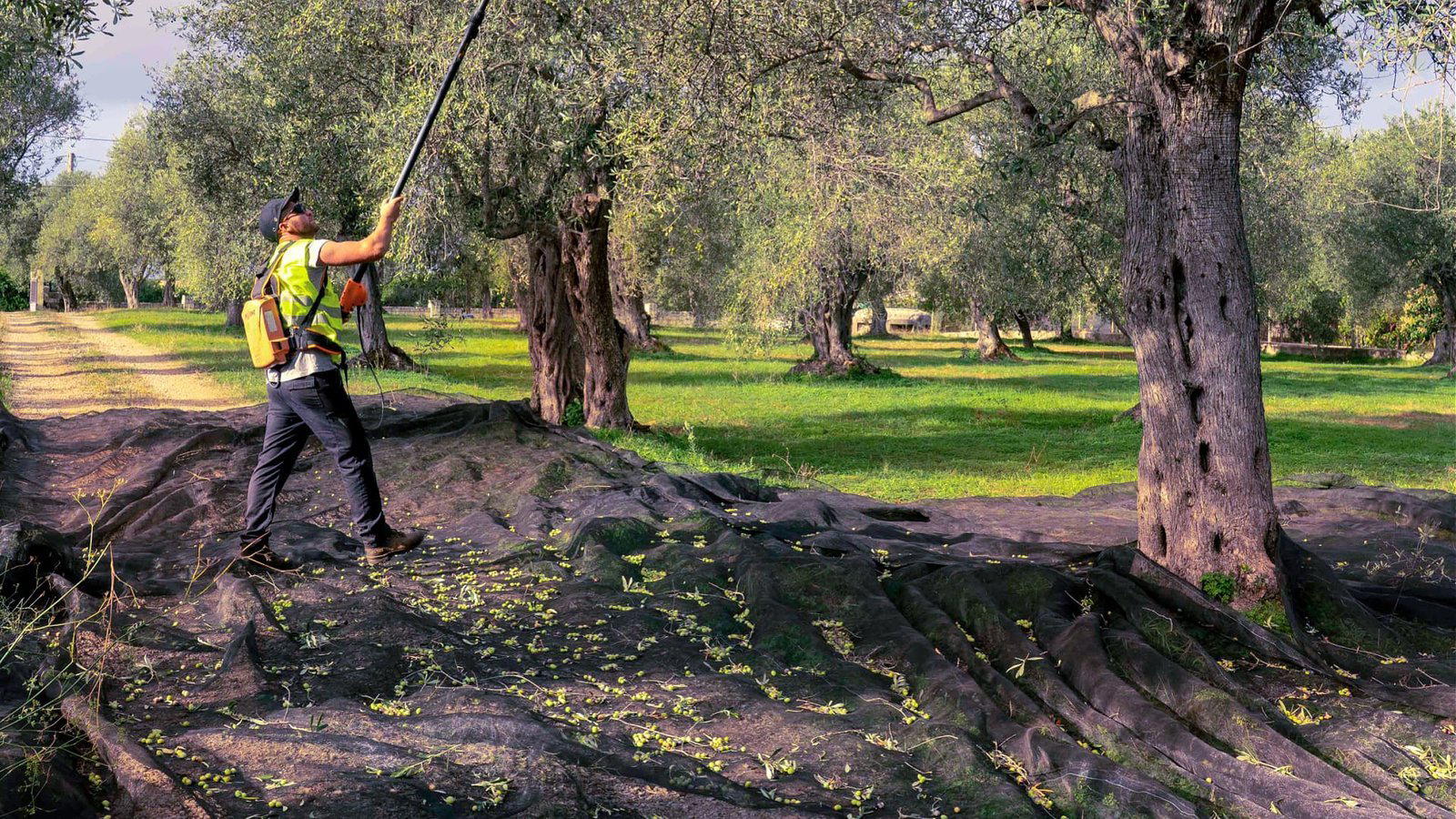
Accademia Olearia in Alghero is best framed as a rural Sardinian estate rather than a conventional restaurant or formal tasting room. The picture is spare but clear: this is a place defined by olive groves, production and the character of extra virgin olive oil, with an agricultural atmosphere that speaks to the island’s landscape and marine climate.
That makes the venue useful for travellers who want to understand Alghero through a primary Sardinian ingredient. Instead of presenting the city only through dining rooms or coastal views, Accademia Olearia points toward the countryside around the city: groves, farm work, production choices and the quality-driven culture behind olive oil. The tone is not described as polished or ceremonial. It is better understood as grounded, rural and tied to the practical realities of producing extra virgin olive oil in Sardinia.
Alghero olive oil viewed through estate atmosphere and sea air
The strongest detail is the setting. Accademia Olearia’s identity is linked to olive groves and production, with an agricultural feel rather than a formal tasting-room setting. In Alghero, that matters because the island’s character and marine climate shape how visitors read the experience. The venue is not presented as an urban dining address or a staged luxury salon; it is a countryside-inflected stop where olive oil is the central subject.
Because the confirmed information is limited, it is best not to overstate the format. What can be said with confidence is that the estate highlights extra virgin olive oil and the rural Sardinian context behind it. For visitors, that means the appeal is less about a long meal or a broad hospitality program and more about seeing olive oil as part of the region’s agricultural identity.
The price category is listed as $$, which places it in a moderate bracket for planning purposes. Beyond that, the practical details should be checked directly before visiting. Treat Accademia Olearia as a production-led estate to research ahead of time rather than a restaurant you can fully plan from published dining conventions.
A production estate rather than a polished tasting salon
Accademia Olearia’s value lies in its focus. It is described through olive groves, production and extra virgin olive oil, not through a chef, dining-room design, cocktail list or formal service sequence. That makes it a strong conceptual fit for travellers who care about ingredients before they reach the table. Olive oil can be easy to overlook when planning a food trip, but in Sardinia it is one of the clearest links between land, climate and everyday eating.
The atmosphere should be understood as rural and quality-driven. That does not mean rustic in a careless sense; it means the venue’s appeal is tied to agriculture rather than display. Visitors expecting a restaurant meal, a wine-estate model or a highly scripted tasting salon should recalibrate. The description points instead to a working-estate mood, where olive groves and production give the place its character.
This restraint is useful. A venue does not need an elaborate format to be meaningful in a food itinerary. For some travellers, the most memorable stop is the one that explains a regional staple in its natural context. Accademia Olearia offers that kind of positioning within Alghero: a way to connect the city and its surroundings through extra virgin olive oil, without requiring claims about specific services or programming.
How to place it inside an Alghero food-and-wine itinerary
Accademia Olearia works well as the olive-oil anchor in an Alghero itinerary. Pair it conceptually with other dining in Alghero, coastal meals or countryside stops, but keep the role distinct: this is the place to think about olive oil as a regional product, not just a condiment on the table. The surrounding idea is simple and grounded: Alghero’s marine climate and Sardinian agricultural landscape help frame the experience.
For planning, build in flexibility and verify details directly before you go. That makes it especially important to avoid assuming a standard restaurant visit. If your schedule depends on a specific time, format or service, contact the venue or use current official information before setting the day around it.
The editorial case is therefore focused rather than expansive. Accademia Olearia is a worthwhile Alghero reference point for travellers interested in Sardinia through olive oil, rural estate atmosphere and production. Its appeal is the connection between grove, climate and extra virgin olive oil. Kept within those limits, it reads as a grounded, ingredient-led stop in a region where agriculture and the sea sit close together.
Recognition history
Dated appearances from independent guides and award organizations, with the underlying list record or original source where available.
Falstaff Winery - Listed
Falstaff
Continue exploring
More in Alghero
Wineries in Alghero
Browse all →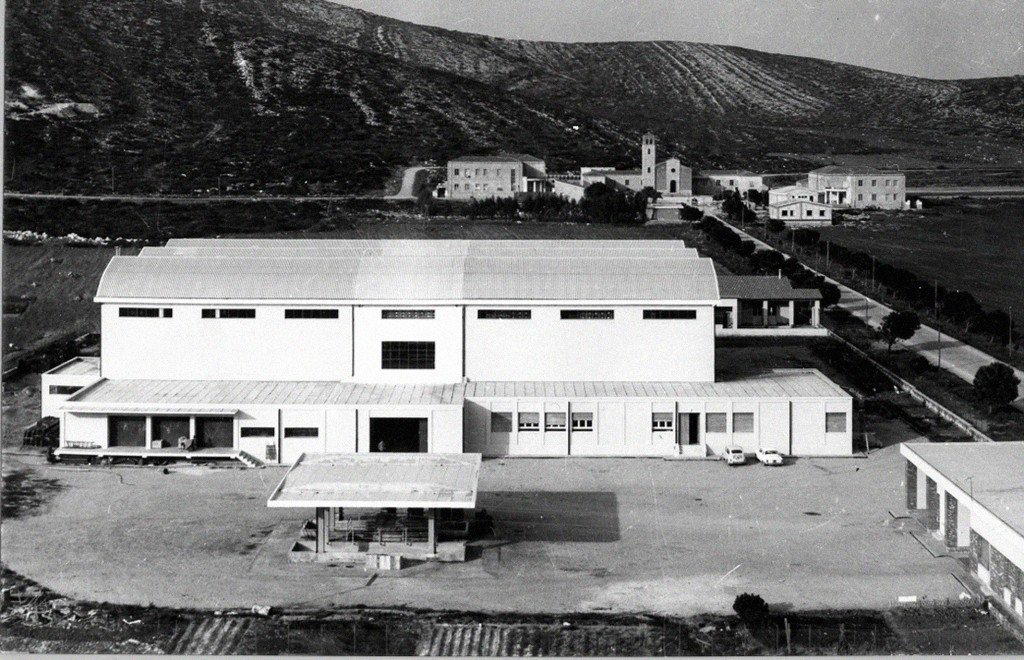

Details
- Rustic
- Scenic
- Classic
- Cozy
- Solo Exploration
- Group Outing
- Wine Education
- Family
- Estate Grounds
- Vineyard Tour
- Waterfront
- Sustainable
- Vineyard
- Waterfront
- Bosana
- Semidana
- Tonda Di Cagliari
- Olive Oil Tasting
- Italian
- English
Rural Sardinian estate atmosphere focused on olive groves and production, with a quality-driven, agricultural feel rather than a formal tasting-room setting, highlighting the island’s character and marine climate through its extra virgin olive oils.