
Zooton's Kumoji ten brings Naha’s American-influenced burger culture into a compact, ingredient-led format near Kokusai Street. Its Tabelog Hamburger 100 selections, including 2026, place it in a national conversation usually dominated by Tokyo and Osaka, while the price band keeps the experience casual rather than ceremonial.
Pearl is the En Primeur Club membership app — saves, bookings, and concierge access live there. Same editors, same standards.
- Address
- Japan, 〒900-0015 Okinawa, Naha, Kumoji, 3 Chome−4−9 河田ビル
- Phone
- +81 98-861-0231
- Website
- instagram.com
 Saves & bookings on Pearl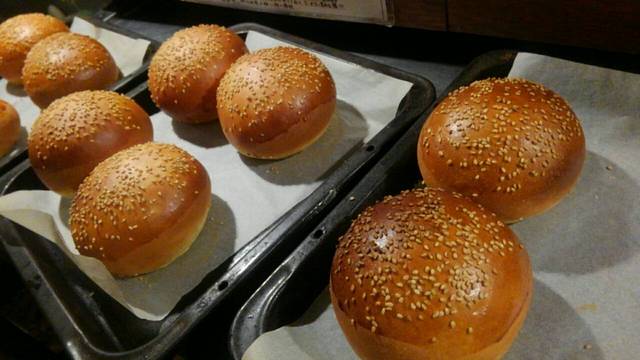
Behind Kokusai Street’s retail glare, the room shifts the tempo from Naha’s souvenir-strip energy to something smaller and more deliberate: American memorabilia, a cafe-bar rhythm, and the kind of burger counter logic where the bun, patty, vegetables, and sauce have to carry the whole argument. In Okinawa, that format is not imported novelty. The island’s long contact with American food culture made hamburgers part of the local casual-dining vocabulary, but the stronger addresses now treat the category with the seriousness Japan applies to ramen, curry, tonkatsu, and pizza.
Zooton's Kumoji ten sits inside that shift. Its selection for Tabelog Hamburger 100 in 2026, with earlier selections in 2024, 2021, 2019, 2018, and 2017, matters because the list is national, not merely local. For a 22-seat Naha burger, cafe, and dining-bar address to appear repeatedly says something about how far Japan’s burger culture has moved beyond volume and novelty. The relevant comparison is not a chain burger or beachside snack stand, but the smaller Japanese craft-burger tier where composition, bread, fat, acidity, and texture are judged with the same severity as other single-dish genres.
Naha's burger culture makes more sense when Okinawan sourcing is in the frame
Okinawa’s dining identity is often reduced to soba, pork, awamori, and resort seafood, but Naha’s everyday appetite is broader and more hybrid than that shorthand allows. The city absorbs American diner forms, Japanese cafe discipline, izakaya informality, and island produce with little anxiety about purity. A burger specialist here has to work in that mixed grammar: familiar enough for lunch, structured enough for destination eating, and flexible enough to carry drinks into the evening.
The ingredient angle is where the format earns attention. The public-facing signature is the avocado cheeseburger, built around avocado, cheese, lettuce, patty, house-made buns, and sauce. That is a useful indicator of the house style without turning the restaurant into a personality story. Avocado brings fat and softness; lettuce supplies crunch; the bun has to absorb sauce without collapsing. In a humid subtropical city, that engineering matters. Heavy burgers can become tiring fast in Naha heat, so balance is not cosmetic. It is the difference between a satisfying lunch and a plate that feels oversized after three bites.
The category also rewards restraint. Japan’s stronger burger counters often avoid the maximalist American stack in favor of clean layering, sharper vegetable presence, and buns calibrated to the patty rather than treated as decoration. That broader national discipline is the lens through which Zooton's Kumoji ten reads well: casual in format, but not casual in assembly. The Tabelog score of 3.65 reinforces the point, placing the address in a reviewed, competitive tier rather than relying on nostalgia or tourist traffic alone.
A compact cafe-bar format, not a resort-dining detour
Naha can be expensive when the meal is built around wagyu, tasting-menu pacing, or premium shabu-shabu. Heki Kokusai dori matsuo ten and Shabushabu Kin Honten sit in a different budget conversation, while BACAR OKINAWA works at a much higher dinner spend. A burger address in the JPY 1,000 to JPY 1,999 band does something else for the city: it gives travelers a serious, low-ceremony meal between markets, galleries, hotel check-ins, and late bars.
That is why the location matters. Kumoji is practical Naha rather than resort Naha, close to prefectural-office traffic and the Kokusai Street orbit. The nearest station is Prefectural Office, with Yui Rail access listed at a five-minute walk, so the meal works without building a night around taxis. Reservations are unavailable, private rooms are unavailable, and parking is not provided, though coin parking is listed nearby. Those details put the restaurant firmly in the compact urban category: arrive with a little patience, not a banquet plan.
The room’s cafe and dining-bar classification also signals a different rhythm from a strict counter restaurant. Cocktails are listed, children are welcome, and the venue is non-smoking. For Naha, that combination is useful. It can function as a casual family lunch, an early dinner before drinks, or a reset between richer Okinawan meals. Travelers mapping a wider city itinerary can pair it mentally with Agu Shabushabu Miruku Naha ten for pork, Aso for another local restaurant reference point, A LONG VACATION. for a different Naha mood, and BAR Owl when the evening turns toward cocktails.
How to read the award signal without overcomplicating the meal
Tabelog’s Hamburger 100 list is useful because it separates craft-burger specialists from generic cafe menus. It does not mean the meal should be approached like a grand restaurant. The appeal is more direct: a repeat-listed burger room in central Naha, with prices that leave room for the rest of the day. In a city where visitors often over-schedule premium dinners and underthink lunch, that is a strong editorial case.
The better order logic is to treat the burger as the main event and resist turning the table into a survey. The avocado cheeseburger is the named anchor, and the broader category is hamburger, cafe, and dining bar rather than a multi-course restaurant. That tells the reader enough: come for a built burger, not chef theatrics; judge the bun-to-patty ratio, vegetable freshness, and sauce control; use the room for Naha’s casual side rather than as a substitute for Okinawan banquet cooking.
For wider planning, Our full Naha restaurants guide gives the city context, while Our full Naha hotels guide, Our full Naha bars guide, Our full Naha wineries guide, and Our full Naha experiences guide help place the meal inside a complete itinerary. Readers comparing casual Japanese dining beyond Okinawa can also scan -Grilled beef Sukiyaki- KAMAKURA TANUKIAN 鎌倉 たぬき庵 in Kamakura. 鮪と炭火焼き うお炭 秋葉原店 in Tokyo.cafe in Osaka.know in Kumamoto, (Shoku) Vietnam in Kawasaki, [Curry Senmon Ten] Maruyama Kyoju. in Sapporo, Jōdo Saké Bar in Los Angeles, and Onigiri Time in Pasadena.
A Quick Peer Check
Comparable venues by cuisine and price in the same metro.
| Venue | Cuisine | Price | Notes |
|---|---|---|---|
| Zooton's Kumoji tenThis venue — the venue you are viewing | American Burgers | $$ | Not listed |
| LITOR | Dining | $$ | Naha |
| YOROKOBI | Okinawan Shabu-Shabu | $$$ | Makishi |
| BAR Owl | Cocktail bar with fresh fruit cocktails | $$$ | Kumoji |
| O's House | Traditional Japanese teppanyaki steakhouse | $$$ | Kume |
| Jack's Steak House (ジャッキーステーキハウス) | Classic Okinawa Steakhouse | $$$ | 西 |
Recognition history
Dated appearances from independent guides and award organizations, with the underlying list record or original source where available.
Tabelog 100 #93 · No. 93
Tabelog · Tabelog 100 - Hamburger - 2026
Continue exploring
More in Naha
Restaurants in Naha
Browse all →
At a Glance
- Casual
- Trendy
- Cozy
- Casual Hangout
- Family
- Group Dining
- Solo
- Standalone
- Beer Program
- Street Scene
Current opening hours
- Monday
- 11 AM–8 PM
- Tuesday
- 11 AM–3:30 PM
- Wednesday
- 11 AM–8 PM
- Thursday
- 11 AM–8 PM
- Friday
- 11 AM–8 PM
- Saturday
- 11 AM–8 PM
- Sunday
- 11 AM–3:30 PM
Hours can change for holidays and private events. Last verified .
Casual, lively, and slightly tucked-away, with an American-style interior and a neighborhood hamburger-shop feel.