
Zazie Bistro occupies the ground floor of MOL Campus in Budapest's 11th district, holding consecutive Michelin Plate recognition in 2024 and 2025. It positions in the city's mid-tier Hungarian dining category, where precise cooking and accessible pricing coexist, a combination that remains less common than it should be in the capital.
Pearl is the En Primeur Club membership app — saves, bookings, and concierge access live there. Same editors, same standards.
- Address
- Budapest, MOL Campus, MOL Campus, földszint, Dombóvári út 28, 1117 Hungary
- Phone
- +36 70 453 2500
- Website
- zaziebistro.hu
- Directions
- Get directions
 Saves & bookings on Pearl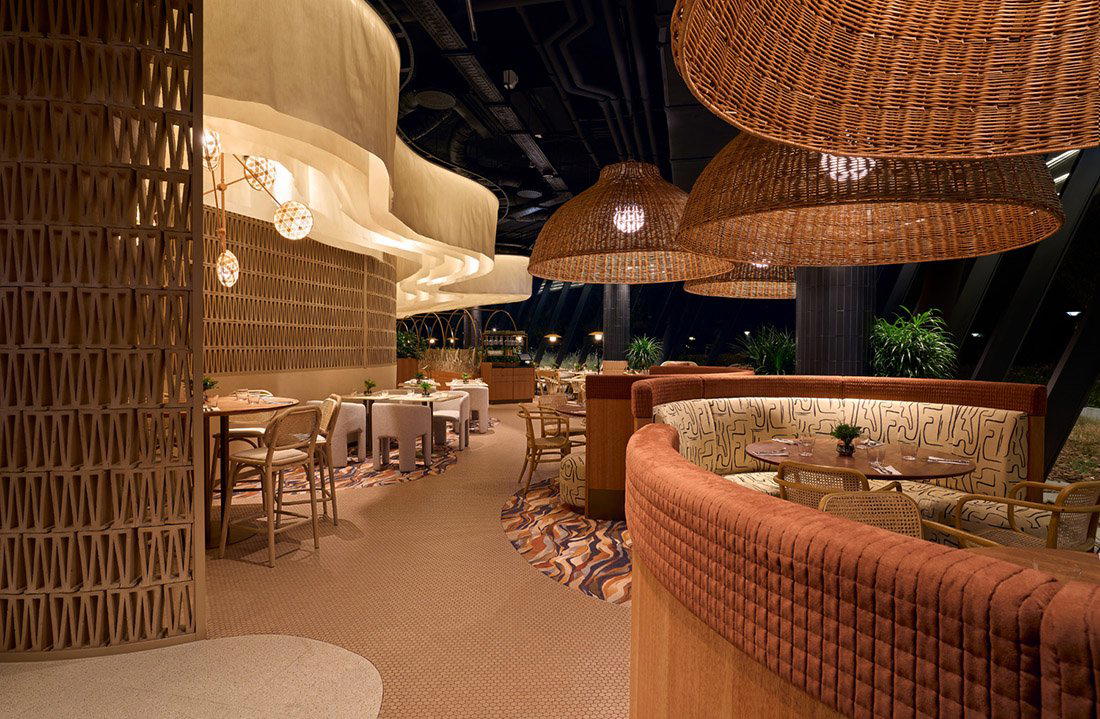
A Corporate Address That Rewards the Detour
The 11th district of Budapest does not announce itself the way the inner Pest ruin-bar circuit does. Dombóvári út runs through a stretch of riverside development anchored by MOL Campus, the energy company's headquarters, and the ground floor of that building is where Zazie Bistro operates. Arriving here involves a deliberate decision, this is not a venue you stumble upon between sights. The campus architecture is contemporary and purposeful, and the bistro sits within it in a way that separates it immediately from the heritage-courtyard settings that dominate Budapest's restaurant conversation. That physical remove from the tourist axis is, in practice, part of what shapes the dining rhythm here.
The Place of the €€ Hungarian Bistro in Budapest's Dining Order
Budapest's Michelin ecosystem has grown steadily over the past decade, and its upper tiers are now well-mapped. Costes, Babel, and Stand occupy the €€€€ bracket where tasting menus and contemporary technique define the proposition. Borkonyha Winekitchen operates one tier down at €€€, with a wine-first approach that has made it a reference point for modern Hungarian cooking. Zazie Bistro enters at €€, which in Budapest's current market means something specific: it sits in a category where the cooking has to justify itself on merit rather than occasion, and where regulars rather than destination diners form the core audience.
The Michelin Plate, awarded in both 2024 and 2025, is a signal worth reading carefully. For a bistro at this price point, consecutive Plate recognition over two guide cycles is an indicator of consistency rather than novelty, which matters more over time.
The Ritual of a Weekday Lunch at a Campus Bistro
The dining customs of a venue embedded in a working corporate campus differ structurally from those of destination restaurants. Pacing tends to be brisk at midday, with the rhythm set by office schedules rather than leisurely appetite. Tables turn, but the cooking does not cut corners to accommodate that speed, the Michelin acknowledgment confirms that the kitchen maintains standards across service formats. The evening register shifts: without the lunchtime volume, the room slows.
Hungarian bistro dining, at its core, follows a logic of seasonal produce and technique-informed simplicity. The cuisine has deep roots in braised meats, lake fish, paprika-based sauces, and dairy-rich accompaniments, a tradition that rewards kitchens willing to source well and execute without overcomplication. At Zazie's price tier, that approach is more sustainable than elaborate plating, and it produces cooking that reads as honest rather than performative. The contrast with the €€€€ modern-cuisine addresses in the city is deliberate: where Babel reimagines Hungarian ingredients through a contemporary fine-dining lens, a bistro like Zazie treats the same tradition as a daily working practice.
Where Zazie Sits in the Broader Hungarian Plate Tier
The Michelin Plate category across Hungary captures a range of restaurants that share recognised cooking quality without ascending to starred status. Beyond Budapest, the same tier includes venues operating in quite different contexts: Platán Gourmet in Tata, Pajta in Őriszentpéter, 42 Restaurant in Esztergom, 67 Sigma in Székesfehérvár, A Konyhám Stúdió 365 in Fonyód, and Alkimista Kulináris Műhely in Szeged. Within Budapest itself, the €€ Hungarian category is a smaller cohort than the modern-cuisine tier, which makes Zazie's positioning relatively distinctive among city-based Plate holders.
For comparison, Szaletly occupies a different niche in the Budapest dining fabric, and the two restaurants serve different audiences despite both operating in the city's mid-range. The pattern visible across similarly priced Hungarian bistros, including Kistücsök in Balatonszemes and Platán Bisztró in Tata, suggests that the €€ Hungarian tier outside the capital often benefits from proximity to agricultural producers, while Budapest addresses at the same price point depend more heavily on kitchen discipline and supplier relationships to maintain quality.
Reading the Menu at a Hungarian Bistro
The customs around ordering at a bistro operating within a corporate campus tend toward a set daily structure rather than an à la carte experience that changes slowly across seasons. In Hungarian bistro tradition, the lunch menu format typically offers a soup course, a main, and dessert at a fixed price, a structure inherited from the vendéglő model that predates the current fine-dining era. This format rewards the kitchen by creating a predictable volume of each dish, which in turn allows tighter sourcing and less waste. For the diner, it means trusting the day's selection rather than navigating an expansive menu, which is a different cognitive posture than the extended tasting menus at the upper tier.
Evening dining tends to open up the ordering pattern, allowing for a more deliberate sequence. Hungarian cooking at the bistro level pairs most naturally with domestic wines, Eger reds, Tokaj whites, and the increasingly respected wines from the Villány region all appear on tables across the city's mid-range. The wine list at a venue of Zazie's category and setting would logically reflect that domestic focus.
Planning a Visit
Zazie Bistro is located on the ground floor of MOL Campus at Dombóvári út 28 in Budapest's 11th district, a neighbourhood that connects to the city centre via tram along the Danube bank. The campus address means the venue operates primarily around weekday schedules, and visiting outside peak lunch hours on a weekday will typically produce a different, less pressured experience than arriving mid-service. Booking ahead is advisable rather than assumed, at this price point and with a 4.8 rating across nearly 500 reviews, the room fills regularly. Regular hours are Monday to Wednesday and Sunday from 11:30 AM to 9 PM, and Thursday to Saturday from 11:30 AM to 11 PM; reservations are recommended.
Credentials Lens
Comparable venues nearby, for context on price, style, and recognition.
| Venue | Cuisine | Price | Awards | Notes |
|---|---|---|---|---|
| Zazie BistroThis venue — the venue you are viewing | Modern Hungarian Bistro | $$ | Michelin Plate | Not listed |
| Umo | Latin American Grill | $$$ | Michelin Plate | Varhegy |
| Fricska 2.0 | Modern Hungarian Fusion | $$ | Michelin Plate | Terézváros |
| Bilanx | Modern Hungarian Contemporary | $$$ | Michelin Plate | Varhegy |
| Mák | Modern Hungarian Fine Dining | $$$ | Michelin Plate | Varhegy |
| Hoppá! Bistro | Modern Hungarian Bistro | $$$ | Michelin Plate | Varhegy |
Recognition history
Dated appearances from independent guides and award organizations, with the underlying list record or original source where available.
Michelin Plate
Michelin
Michelin Plate
Michelin
Continue exploring
More in Budapest
Restaurants in Budapest
Browse all →
Bars in Budapest
Browse all →
Hotels in Budapest
Browse all →

At a Glance
- Modern
- Cozy
- Elegant
- Date Night
- Brunch
- Family
- Business Dinner
- Terrace
- Open Kitchen
- Craft Cocktails
- Waterfront
Current opening hours
- Monday
- 11:30 AM–9 PM
- Tuesday
- 11:30 AM–9 PM
- Wednesday
- 11:30 AM–9 PM
- Thursday
- 11:30 AM–11 PM
- Friday
- 11:30 AM–11 PM
- Saturday
- 11:30 AM–11 PM
- Sunday
- 11:30 AM–9 PM
Hours can change for holidays and private events. Last verified .
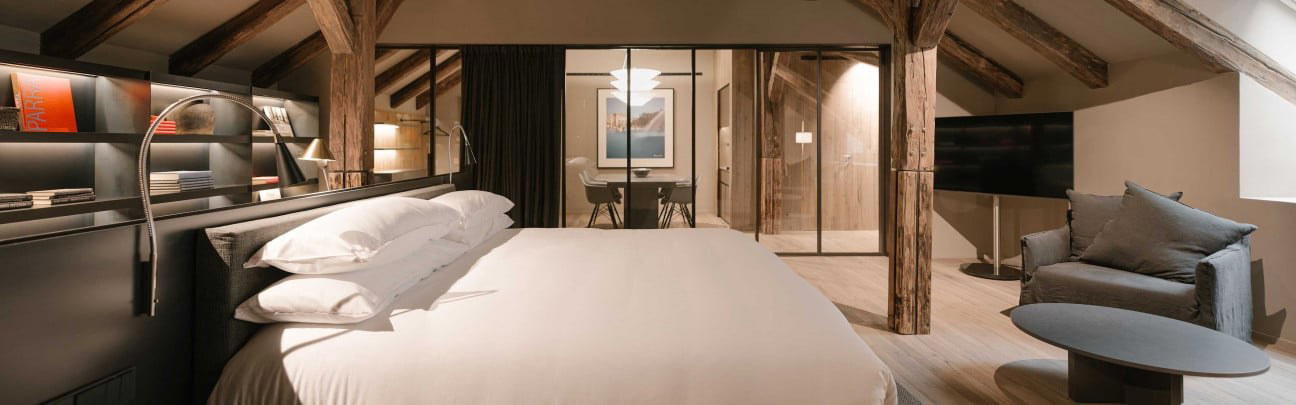
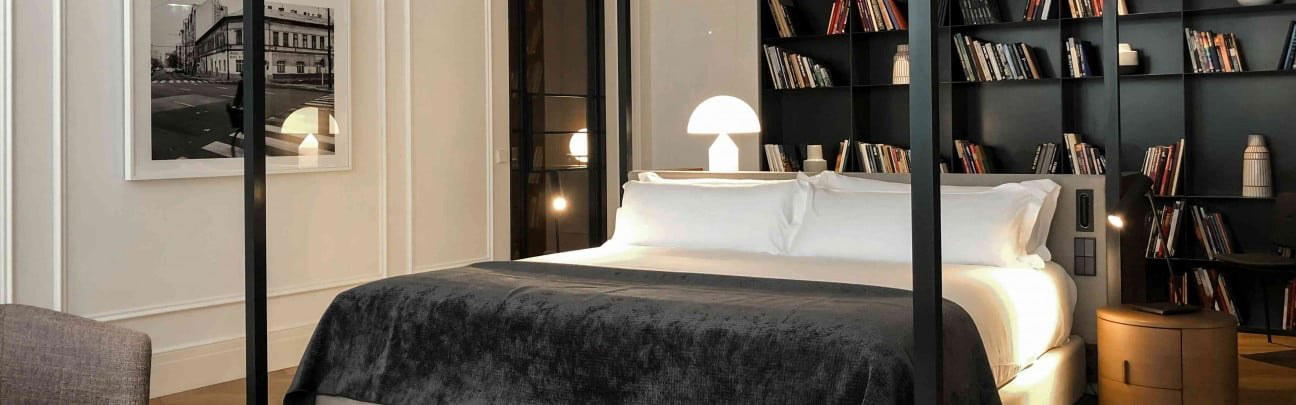
Modern and cozy interior with cool design, lively yet calming atmosphere, well-suited for casual meals or special occasions.