
Tabelog 100 #12
Our verdict
Yanbaru Dining Matsu no Kominka places Okinawan pork shabu-shabu inside the older rhythms of Nago dining: local ingredients, izakaya ease, and a traditional house setting rather than resort gloss. Its Tabelog 100 Hot Pot 2024 selection gives the meal a clear credential, while the format suits travelers who want Okinawan cuisine beyond hotel restaurants.

Pearl is the En Primeur Club membership app, where members save venues, book tables and use the concierge.
The menu
What to order
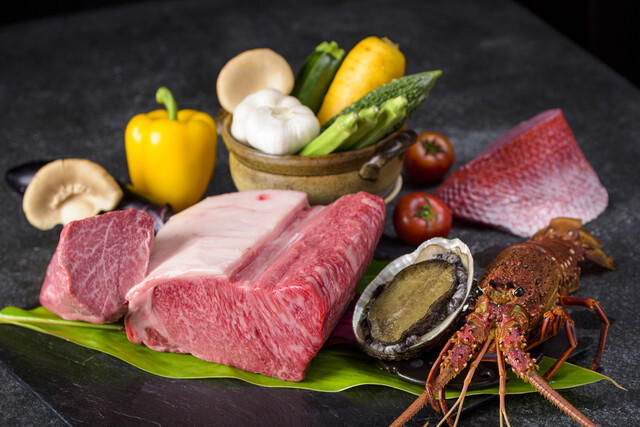
- Purebred Shimakuro Agu premium shabu-shabu set
- Yanbaru Island Pork Agu shabu-shabu set
- Surprise NIKU meat cake
- Okinawan sea grapes
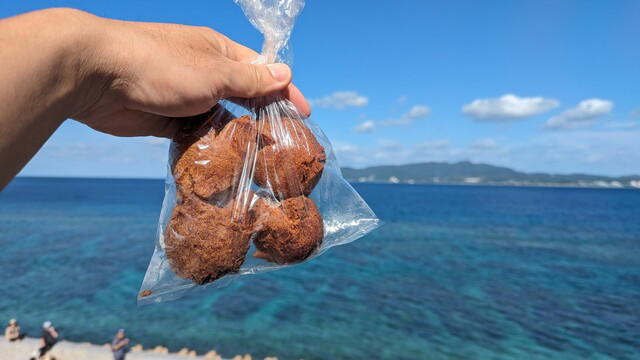
- Okinawan salt pork
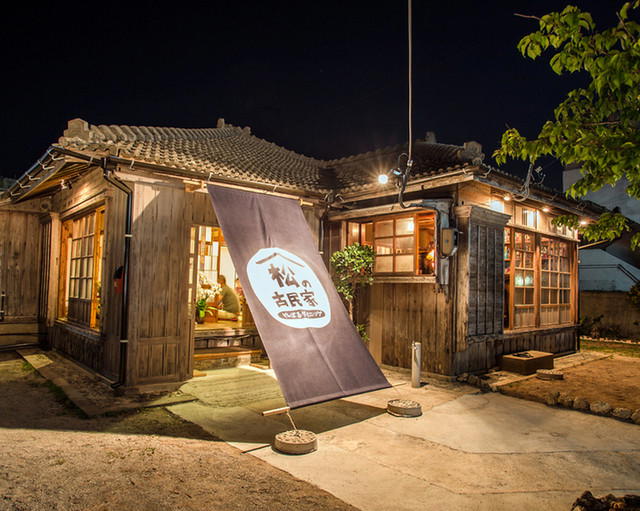
Arriving for dinner in Nago, the shift from resort Okinawa to local Okinawa is abrupt: fewer polished lobbies, more residential streets, and dining rooms textured by everyday gatherings rather than destination-dining theatre. Yanbaru Dining Matsu no Kominka belongs to that second Okinawa. Its setting reads as local dining rather than hotel-restaurant spectacle, and that matters because the restaurant is listed around pork shabu shabu, Okinawa cuisine, and izakaya. The appeal is not a staged resort narrative, but a meal shaped by hot pot, side dishes, drinking, and the easy overlap between tavern-style dining and the family table.
Nago gives the restaurant its context. Dining here has less need to perform luxury than to be useful, generous, and recognizable. Stronger meals work through local categories: pork hot pot, Okinawan dishes, drinks, and rooms built for shared eating rather than hushed tasting-menu choreography. That frames this restaurant. Its 2024 Tabelog Hyakumeiten recognition places it in a wider conversation about notable hot pot dining, while the meal stays grounded in Okinawan categories rather than a polished urban ceremony.
Okinawan pork hot pot, read through Nago rather than resort dining
Hot pot in Japan is often discussed through regional precision and familiar restaurant formats. Okinawa shifts the emphasis at Yanbaru Dining Matsu no Kominka because the listed focus is pork shabu shabu alongside Okinawa cuisine. A pork shabu-shabu table in Nago therefore carries a more local frame than its simple mechanics suggest: sliced pork, broth, condiments, drinks, and the rhythm of shared eating rather than a single-plate restaurant experience.
The restaurant’s category mix, pork shabu shabu, Okinawa cuisine, and izakaya, is the point. This is not a single-dish specialist stripped of context. Hot pot anchors the meal, while drinking and local side dishes keep it conversational. That breadth suits contemporary Okinawan dining outside the resort circuit, where mainland Japanese habits, island cooking, and traveler expectations often meet at one table.
Within Nago, this price and format put Yanbaru Dining Matsu no Kominka closer to Manmi than to casual burger-and-beer dining or daytime sweets stops such as Ryukyu Meika Mitsuya. For travelers comparing the city’s options, that matters. Nago is not where every serious dinner announces itself through ceremony. Some stronger local meals look informal, then show seriousness through pacing and comfort with shared dishes. For the city’s range, start with Our full Nago restaurants guide, then compare the more local end with Manmi, Ryukyu Meika Mitsuya, and other Nago dining rooms.
The room favors shared dining and drinking without losing the hot pot focus
The format tells experienced Japan travelers what kind of evening to expect. This is a meal built around shared food rather than a single counter-led ritual, and the restaurant’s izakaya category keeps the mood closer to local dining than special-occasion formality. The meal’s seriousness comes from the hot pot and Okinawan repertoire, not silence.
This is where the 2024 Tabelog Hyakumeiten recognition helps. Japan has many hot pot restaurants, and recognition in this field gives Yanbaru Dining Matsu no Kominka a credential beyond local convenience. The restaurant’s Tabelog score of 3.69 adds another public signal, but the better reading is categorical: Okinawan pork shabu shabu, listed with Okinawa cuisine and izakaya, with enough outside validation to justify planning around it.
Travelers building a northern Okinawa itinerary should think about where dinner fits into the day. Nago often serves as a base for wider travel in the area, so evening meals can become an afterthought. That is a mistake when the city’s better restaurants give a clearer view of local dining than another generic hotel meal. Pair dinner here with a stay in town or nearby rather than treating it as a late detour after a long drive. For surrounding trip architecture, see Our full Nago hotels guide, Our full Nago bars guide, Our full Nago wineries guide, and Our full Nago experiences guide.
Where it fits in Japan's broader comfort-food map
Okinawan dining rewards close attention because familiar Japanese categories can behave differently here. Pork shabu shabu may sound broadly national, but the surrounding grammar at Yanbaru Dining Matsu no Kominka, pork, Okinawan dishes, group-friendly pacing, and drinks, makes it more specific. That specificity separates a useful regional meal from a generic hot pot dinner that could happen in any city.
Seen against Japan’s comfort-food map, Nago’s appeal is not volume or novelty. It is how local restaurants absorb familiar formats and bend them toward Okinawan categories and social patterns. A traveler moving through Japan might compare that instinct with sukiyaki, izakaya cooking, café culture, regional casual dining, and other comfort-food formats elsewhere. In Nago itself, the comparison is more useful when kept local: Yanbaru Dining Matsu no Kominka sits alongside Manmi, Ryukyu Meika Mitsuya, Teppanyaki Asahi, Thalasso Cafe, Warren’s Place 2.1 Burgers & Beer, and other unnamed dining options as part of the city’s varied food map.
The editorial case is clear: book this for Okinawan pork hot pot with local context, not as a glossy resort-night replacement. The strongest reason to go is the intersection of place and category. Nago gives the meal its footing; the 2024 Tabelog Hyakumeiten recognition gives outside validation; the local-dining mood keeps it connected to a practical northern Okinawa dinner.
Frequently asked questions
Where is Yanbaru Dining Matsu no Kominka in Nago?
Nago.
Is Yanbaru Dining Matsu no Kominka more mid-range or high-end?
Pricing at Yanbaru Dining Matsu no Kominka is listed as JPY 5,000 - JPY 5,999.
Should I book Yanbaru Dining Matsu no Kominka in advance?
Yes. Its 2024 Tabelog Hyakumeiten recognition makes advance booking sensible, especially for groups or peak dinner times.
What's the defining dish or idea at Yanbaru Dining Matsu no Kominka?
The clearest anchor is pork shabu shabu, with Okinawa cuisine and izakaya dishes in the mix.
Can Yanbaru Dining Matsu no Kominka handle vegetarian requests?
The menu focus is pork shabu shabu and Okinawa cuisine, so vegetarian requests are likely to need advance discussion. The practical move is to call +81-980-43-0900 and ask before reserving.
Price and Positioning
Comparable venues by cuisine and price in the same metro.
| Venue | Cuisine | Price | Awards | Notes |
|---|---|---|---|---|
| Yanbaru Dining Matsu no KominkaThis venue (the venue you are viewing) | Agu Pork Shabu-Shabu & Okinawan Izakaya | $30–50 | Tabelog 100 #12 | Not listed |
| Teppanyaki Asahi | Teppanyaki Steakhouse | $30–50 | Tabelog 100 #91 | Ominami, Teppanyaki Steakhouse |
| Warren’s Place 2.1 Burgers & Beer | American-style Burgers & Beer | $20–30 | Tabelog 100 #52 | Miyazato, American-style Burgers & Beer |
| しまあかり 名護店 | Okinawan Izakaya | $20–30 | Not listed | 幸喜, Okinawan Izakaya |
| Kise | Teppanyaki with Okinawan Wagyu & Seafood | $200–300 | Tabelog 100 #92 | Kise, Teppanyaki with Okinawan Wagyu & Seafood |
| 琉華菜苑 | Stylish Cantonese Chinese | $50–100 | Not listed | Nago City, Cantonese Chinese with Okinawan influences |
Recognition history
Dated appearances from independent guides and award organizations, with the underlying list record or original source where available.
Tabelog 100 #12 · No. 12
Tabelog · Tabelog 100 - Hot Pot - 2024
Continue exploring
More in Nago
Restaurants in Nago
All restaurants in Nago →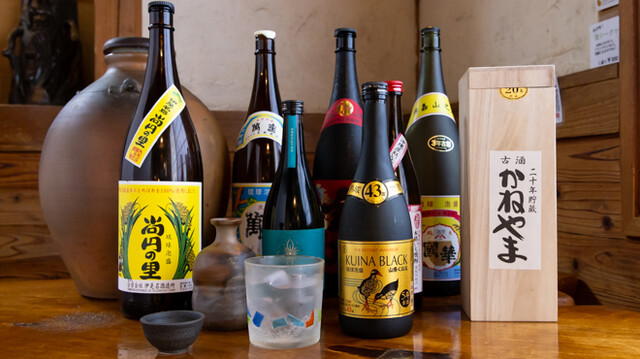



Details
- Cozy
- Rustic
- Classic
- Intimate
- Family
- Group Dining
- Celebration
- Date Night
- Casual Hangout
- Historic Building
- Standalone
- Design Destination
- Craft Cocktails
- Beer Program
- Local Sourcing
- Set Menu
- A La Carte
- Family Style
- Awamori
- Beer
- Cocktails
- Pescatarian Friendly
Warm and homey, with the feel of a restored old Ryukyu farmhouse: low-key lighting, rustic wooden interiors, and an intimate, classic izakaya-style atmosphere that highlights traditional Okinawan hospitality.