
Tabelog 100 #92
Our verdict
Kise places Okinawan resort dining inside the disciplined theatre of teppanyaki: counter seating, steak and seafood, wine service, and a Tabelog 100 Steak / Teppanyaki WEST 2025 selection. The appeal is less about spectacle for its own sake than the way Nago’s coastal hotel dining culture meets Japan’s counter-cooking tradition.

Pearl is the En Primeur Club membership app — saves, bookings, and concierge access live there. Same editors, same standards.
- Address
- 沖縄県名護市喜瀬1343-1 ザ・リッツカールトン沖縄 3F
- Phone
- +81980435555
- Website
- ritzcarlton.com
- Directions
- Get directions
The menu
What to order
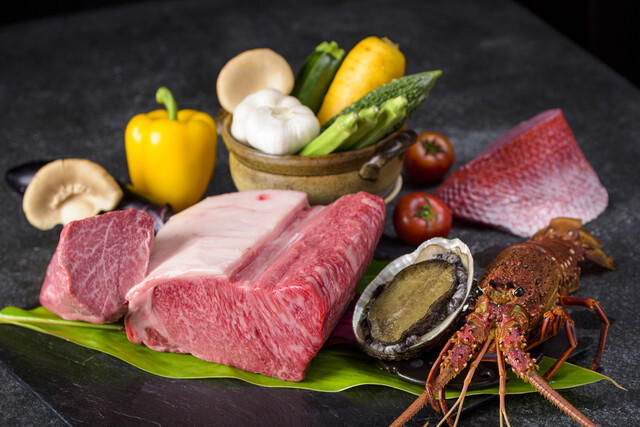
- Okinawan Kuroge Wagyu beef teppanyaki
- Local market-fresh seafood from Okinawa
Arriving at a teppanyaki counter in Nago changes the usual rhythm of resort dining. The room narrows attention rather than spreading it across a buffet or terrace: steel plate, counter setting, chef movement, glasses, and the controlled pace of cooking in front of the guest. In Nago, where premium dining often mediates the visitor’s encounter with Okinawan produce, that format matters. Teppanyaki turns ingredients into a sequence of decisions made at close range, and Kise belongs to the serious end of that category.
Okinawa’s dining identity is often reduced to pork, awamori, bitter melon, island tofu, and casual izakaya cooking. That version is real, but it is not the whole story. The premium dining tier has built a parallel language around steak, seafood, careful service, and counter formats that make sense for travellers staying in and around Nago. Kise, recognised in Tabelog Hyakumeiten 2025, sits inside that higher-price teppanyaki conversation rather than the broad sightseeing-dinner category.
Okinawan resort dining through a teppanyaki counter
Teppanyaki is sometimes misread outside Japan as performance dining. In stronger Japanese examples, the performance is secondary to timing, heat control, and the compact choreography of a counter. The format gives guests a direct view of cooking without turning the meal into theatre alone. That distinction is important in Okinawa, where resort restaurants can drift toward atmosphere-first hospitality. A counter format forces a narrower promise: steak, seafood, vegetables, pacing, and service have to carry the evening without the distraction of a sprawling room.
The category signals are clear. Kise is listed for teppanyaki, steak, and seafood, with dinner pricing in the JPY 30,000 - JPY 39,999 range. Those details place it closer to Japan’s polished counter tradition than to casual beach-resort grilling. The Tabelog Hyakumeiten 2025 recognition also matters because it positions the restaurant within a broader Japanese dining conversation, not merely within Nago’s small local dining circuit.
That regional frame helps explain the price tier. Teppanyaki at this level is not competing with everyday Okinawan restaurants; it competes with special-occasion counters where ingredients, service, and pacing justify a narrower guest focus. The useful comparison for a traveller is not whether dinner feels casual or formal, but whether a controlled counter meal is the right expression of Okinawa for that night. For a broader view of the city’s dining range, Our full Nago restaurants guide gives the better map.
Where it fits among Nago's hotel and island restaurants
Nago’s restaurant scene splits between local dining rooms, resort-backed kitchens, and destination counters that depend on advance planning. Chura Nuhji and Gusuku belong to the same city conversation in different ways: useful reference points for how Nago serves travellers who want more than a quick meal between beach and hotel. Kise occupies the more concentrated teppanyaki lane, where the room format and ingredient categories define the experience before any single dish does.
That matters because Okinawa’s hotel restaurants can feel interchangeable when described only by setting. The better distinction is operational. Counter teppanyaki is constrained by sequence; a larger all-day restaurant works by breadth; a sweets or casual stop works by speed and repetition. Within Nago, other dining rooms point to different registers, while unnamed teppanyaki counters make the format comparison more direct. Kise’s case rests on a teppanyaki, steak, and seafood model backed by Tabelog recognition, not on novelty.
The cultural thread is also worth separating from cliché. Okinawan luxury dining does not need to imitate mainland kaiseki or Tokyo steak counters to be credible. Its stronger version uses the island’s hospitality context while accepting the discipline of Japanese counter service. In that sense, a teppanyaki dinner here is a useful lens on contemporary Okinawa: resort infrastructure, domestic culinary recognition systems, special-occasion dining, and a local coastline that has become one of Japan’s established leisure corridors.
How to read the room before committing an evening
The decision is simple. Choose Kise when the evening calls for a compact, service-led counter meal rather than a sprawling restaurant or a casual Okinawan table. The format suits diners who value sequence, pacing, and visible cooking, and it works particularly well for celebrations because the service model is built around attention rather than volume. It is less suited to travellers trying to cover a wide range of Okinawan home-style dishes in one sitting.
Planning around Nago also means thinking beyond dinner. The city is spread across a visitor-oriented area, and meals often connect to where guests sleep, drink, or spend the day. For that wider planning frame, use Our full Nago hotels guide, Our full Nago bars guide, Our full Nago wineries guide, and Our full Nago experiences guide. Readers comparing Japanese beef, casual counters, and Japanese dining formats elsewhere can also use broader city guides and unnamed regional dining references rather than treating Kise as interchangeable with every steak or counter restaurant in Japan.
Frequently asked questions
Is Kise more mid-range or high-end?
Pricing at Kise is listed as JPY 30,000 - JPY 39,999.
What part of town is Kise in?
Nago.
Is Kise reservation-only?
Reservation details should be confirmed directly with the restaurant. Kise is listed in the JPY 30,000 - JPY 39,999 dinner price range.
What is Kise known for?
Kise is known in Nago for teppanyaki, steak, and seafood, and for its Tabelog Hyakumeiten 2025 recognition.
Cost and Credentials
Comparable venues by cuisine and price in the same metro.
| Venue | Cuisine | Price | Awards | Notes |
|---|---|---|---|---|
| KiseThis venue — the venue you are viewing | Teppanyaki with Okinawan Wagyu & Seafood | $200–300 | Tabelog 100 #92 | Not listed |
| Ryukyu Meika Mitsuya | Traditional Okinawan sweets & sata andagi stand | $1–10 | Tabelog 100 #53 | Kyoda, Traditional Okinawan sweets & sata andagi stand |
| Yanbaru Dining Matsu no Kominka | Agu Pork Shabu-Shabu & Okinawan Izakaya | $30–50 | Tabelog 100 #12 | Nago, Agu Pork Shabu-Shabu & Okinawan Izakaya |
| Warren’s Place 2.1 Burgers & Beer | American-style Burgers & Beer | $20–30 | Tabelog 100 #52 | Miyazato, American-style Burgers & Beer |
| 琉華菜苑 | Stylish Cantonese Chinese | $50–100 | Not listed | Nago City, Cantonese Chinese with Okinawan influences |
| しまあかり 名護店 | Okinawan Izakaya | $20–30 | Not listed | 幸喜, Okinawan Izakaya |
Recognition history
Dated appearances from independent guides and award organizations, with the underlying list record or original source where available.
Tabelog 100 #92 · No. 92
Tabelog · Tabelog 100 - Steak / Teppanyaki - WEST - 2025

Details
- Elegant
- Sophisticated
- Romantic
- Modern
- Scenic
- Date Night
- Business Dinner
- Special Occasion
- Waterfront
- Hotel Restaurant
- Design Destination
- Sake Program
- Extensive Wine List
- Local Sourcing
- Waterfront
- Garden
- A La Carte
- Set Menu
- Sake
- Wine
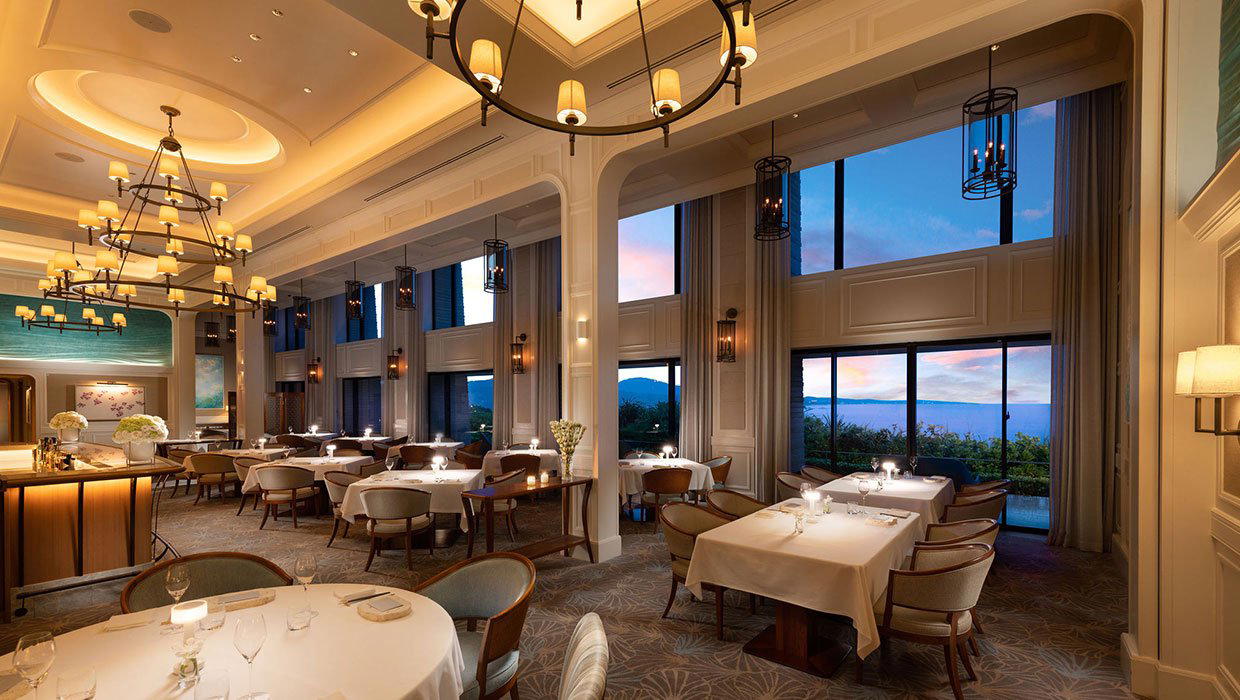
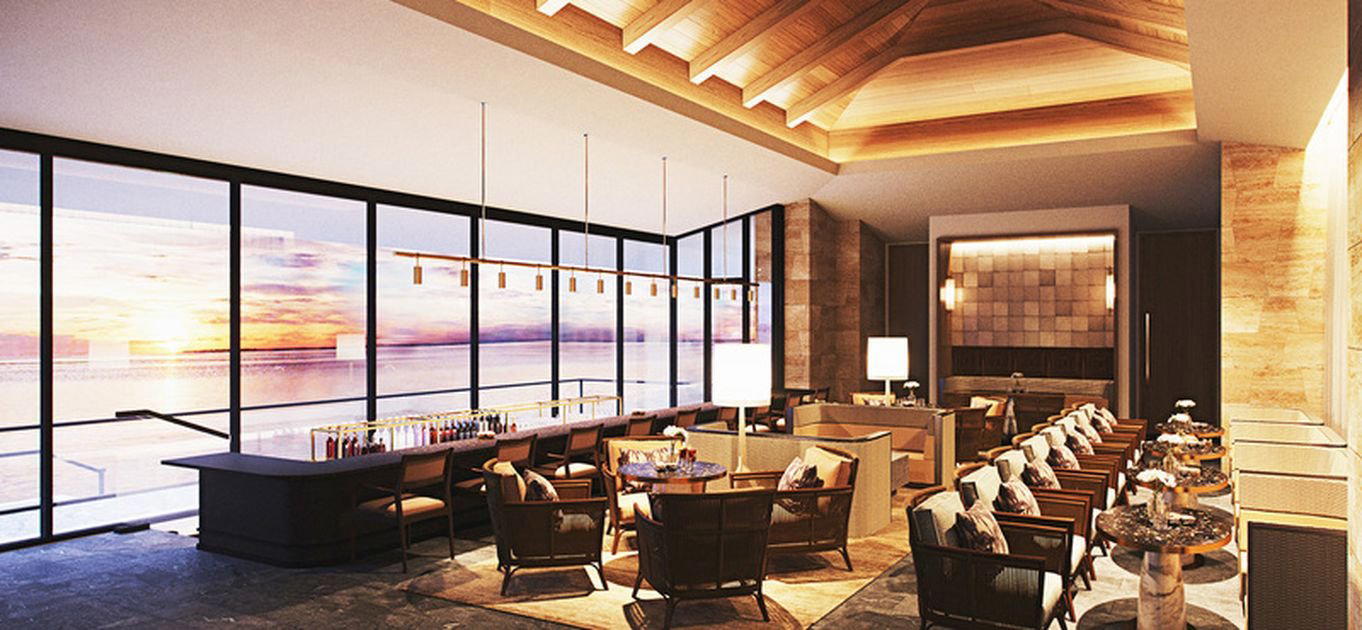
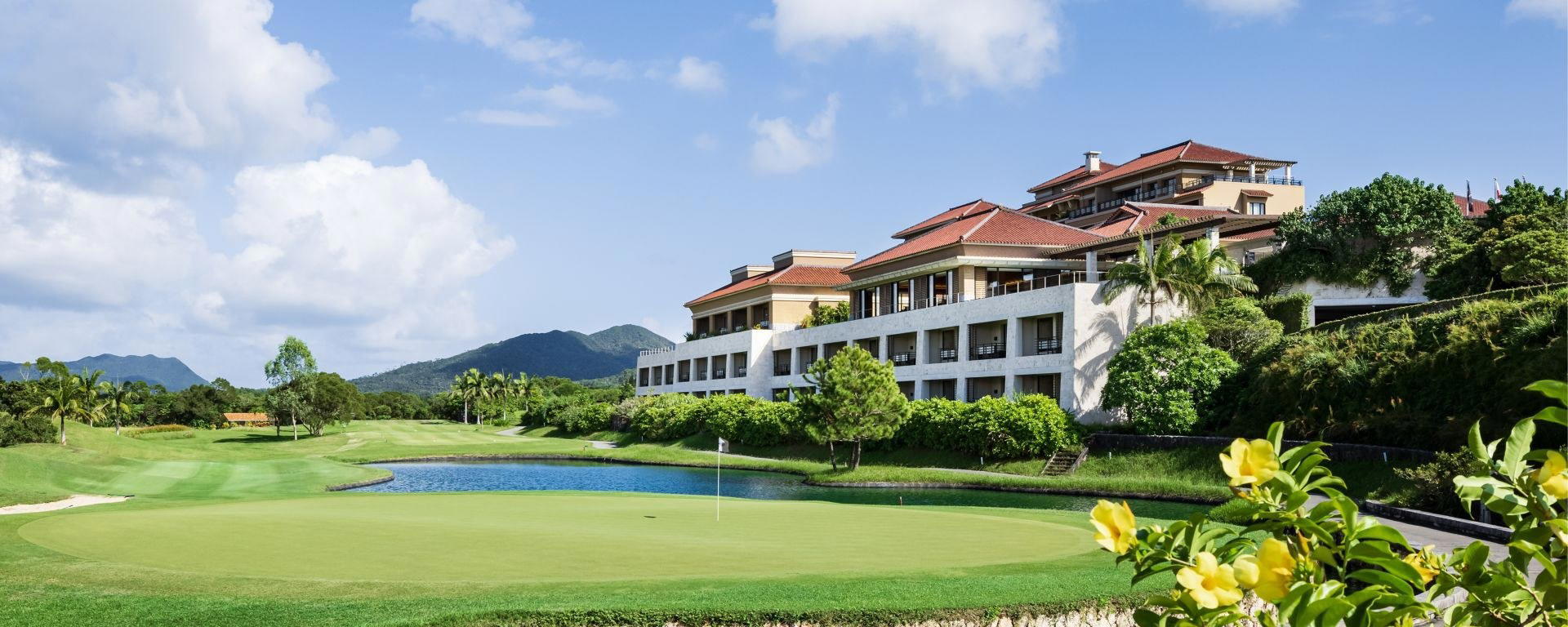
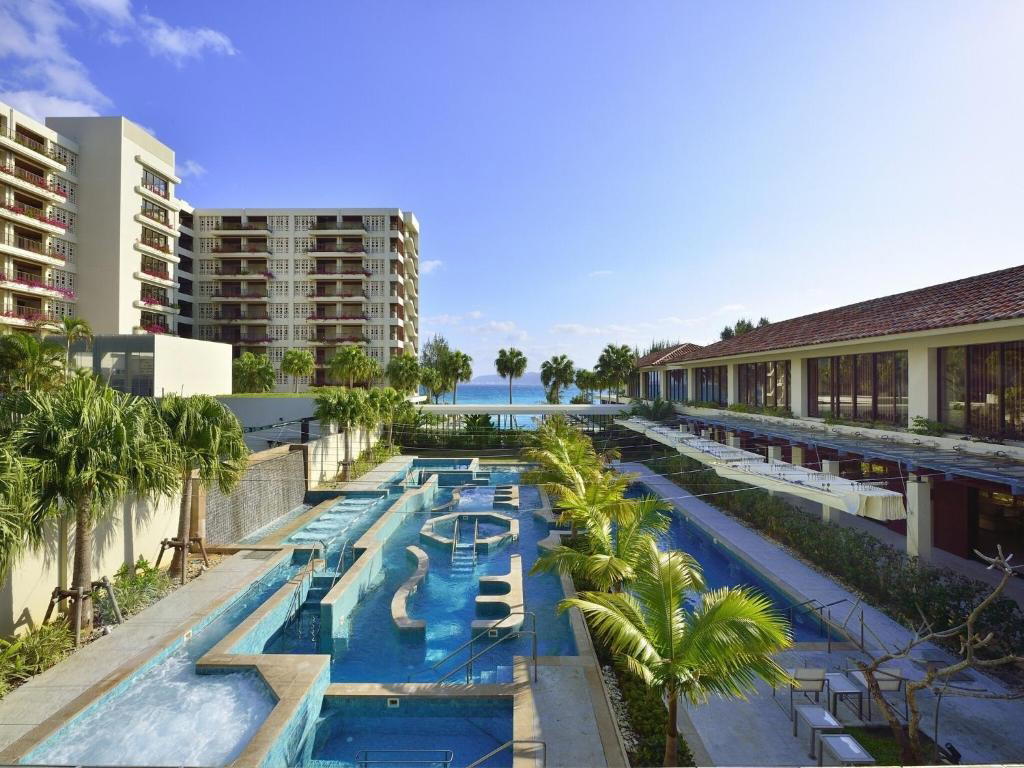
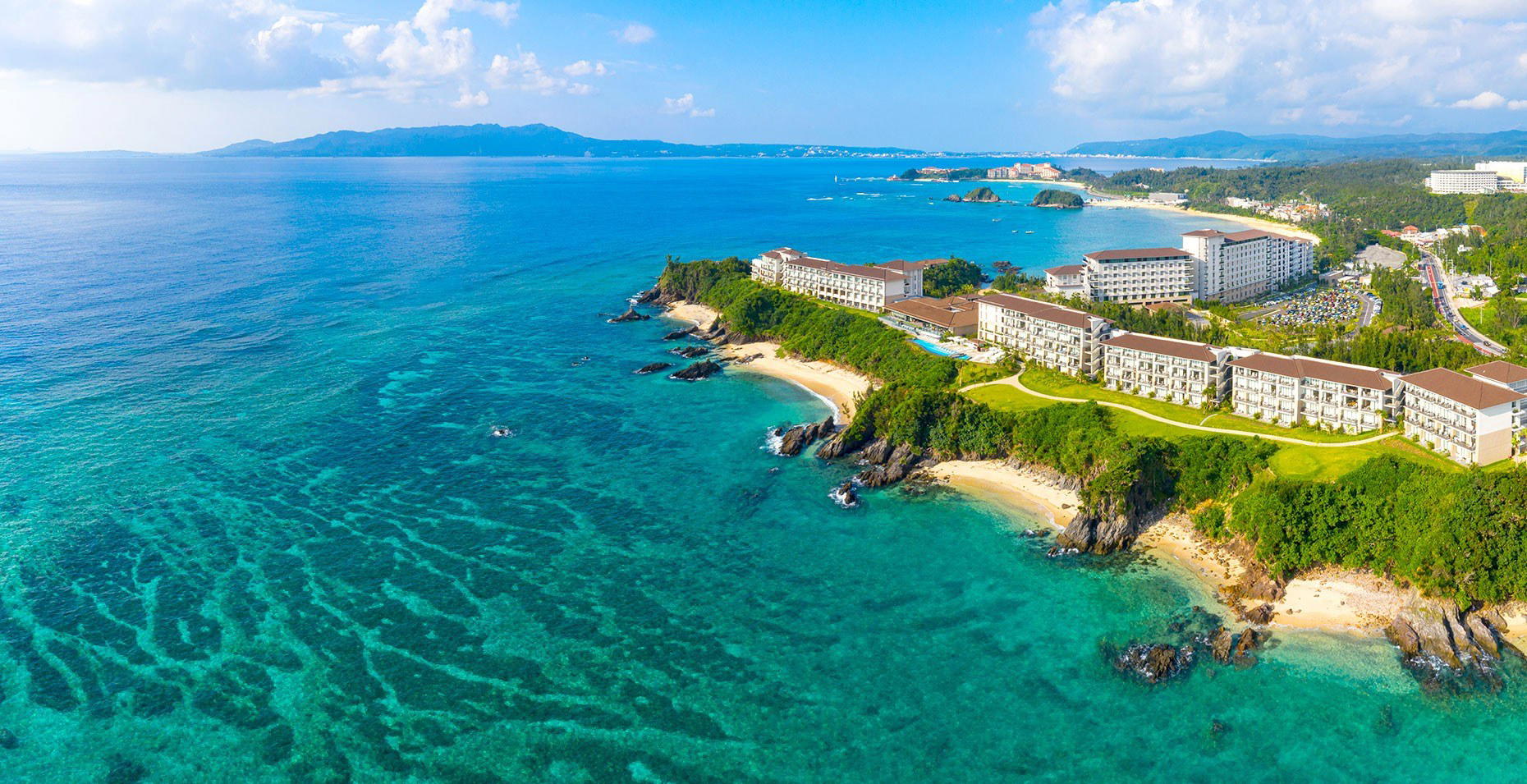
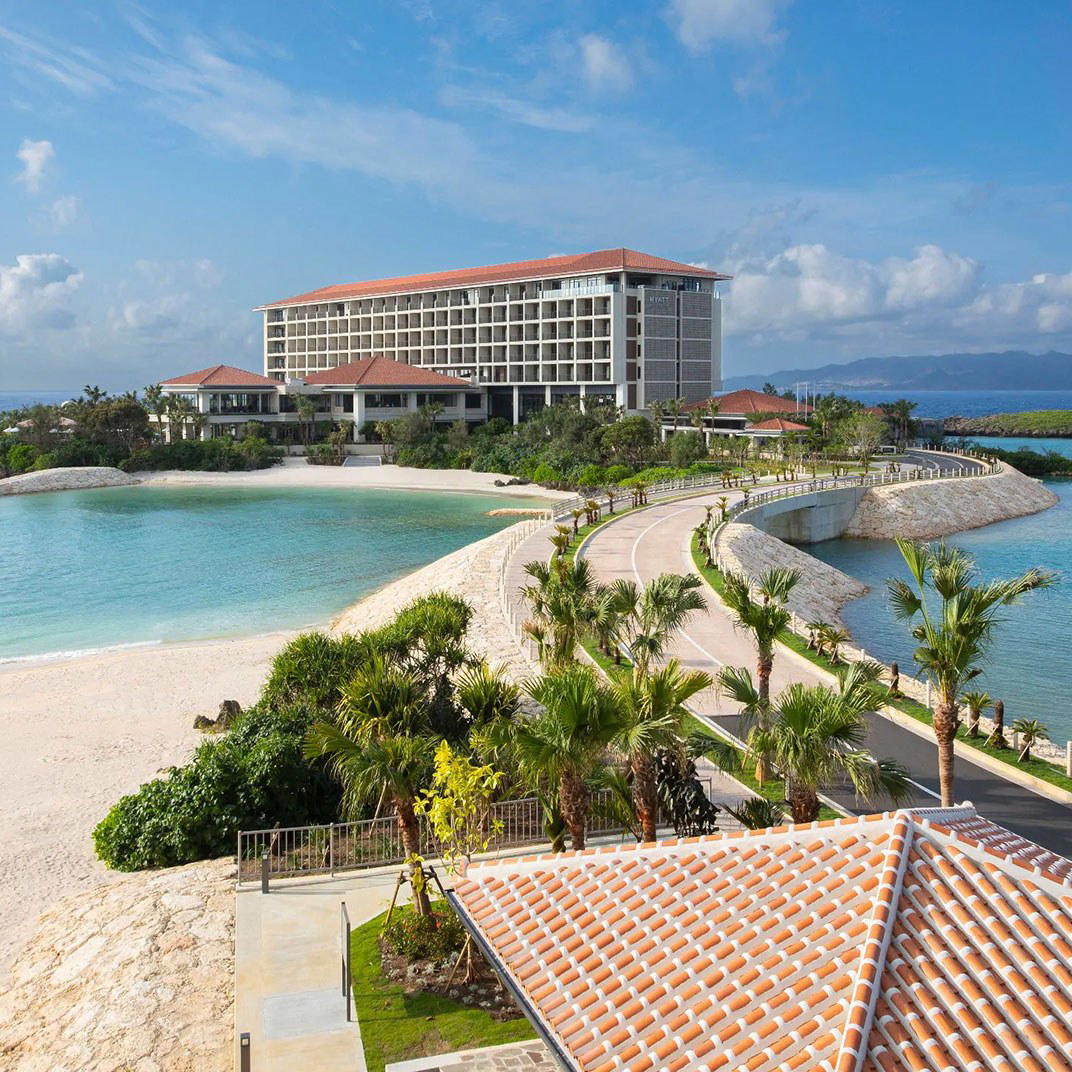
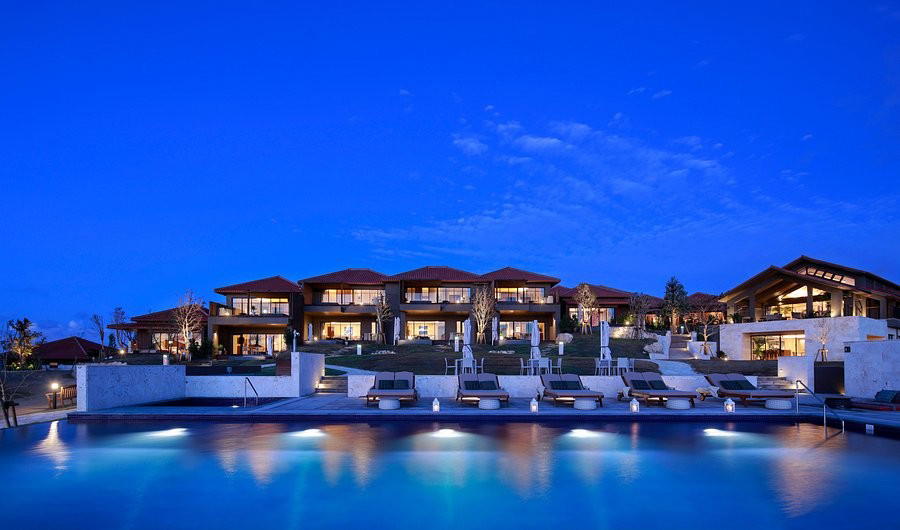
Refined and tranquil hotel-restaurant setting with teppanyaki counters, polished contemporary décor, and a calm, upscale atmosphere suited to special-occasion dinners.