


Michelin Plate · Tabelog Silver #154
Our verdict
Yamagishi sits in Kyoto’s serious kaiseki tier: a small counter format, seasonal Japanese cuisine, and recognition including The Tabelog Award 2026 Silver and a 2025 Michelin Plate. The appeal is not spectacle but discipline, with the meal framed by Kyoto’s multi-course tradition rather than a loose tasting-menu format.

Pearl is the En Primeur Club membership app — saves, bookings, and concierge access live there. Same editors, same standards.
- Address
- 293-3 Shimohakusancho, Nakagyo Ward, Kyoto, 604-8085, Japan
- Phone
- +81 75-366-4882
- Hours
- Mon–Tue 4–11 PMWed ClosedThu–Sun 4–11 PM
- Website
- tominokoji-yamagishi.com
- Directions
- Get directions
- Booking
- Book on Omakase
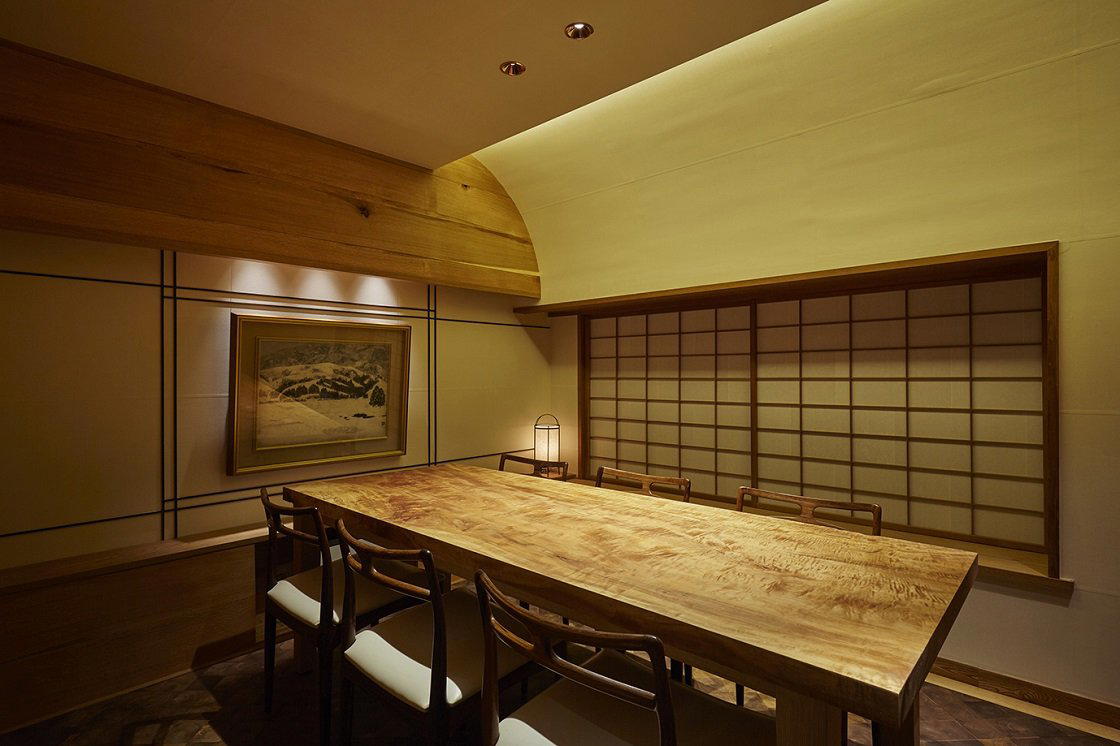
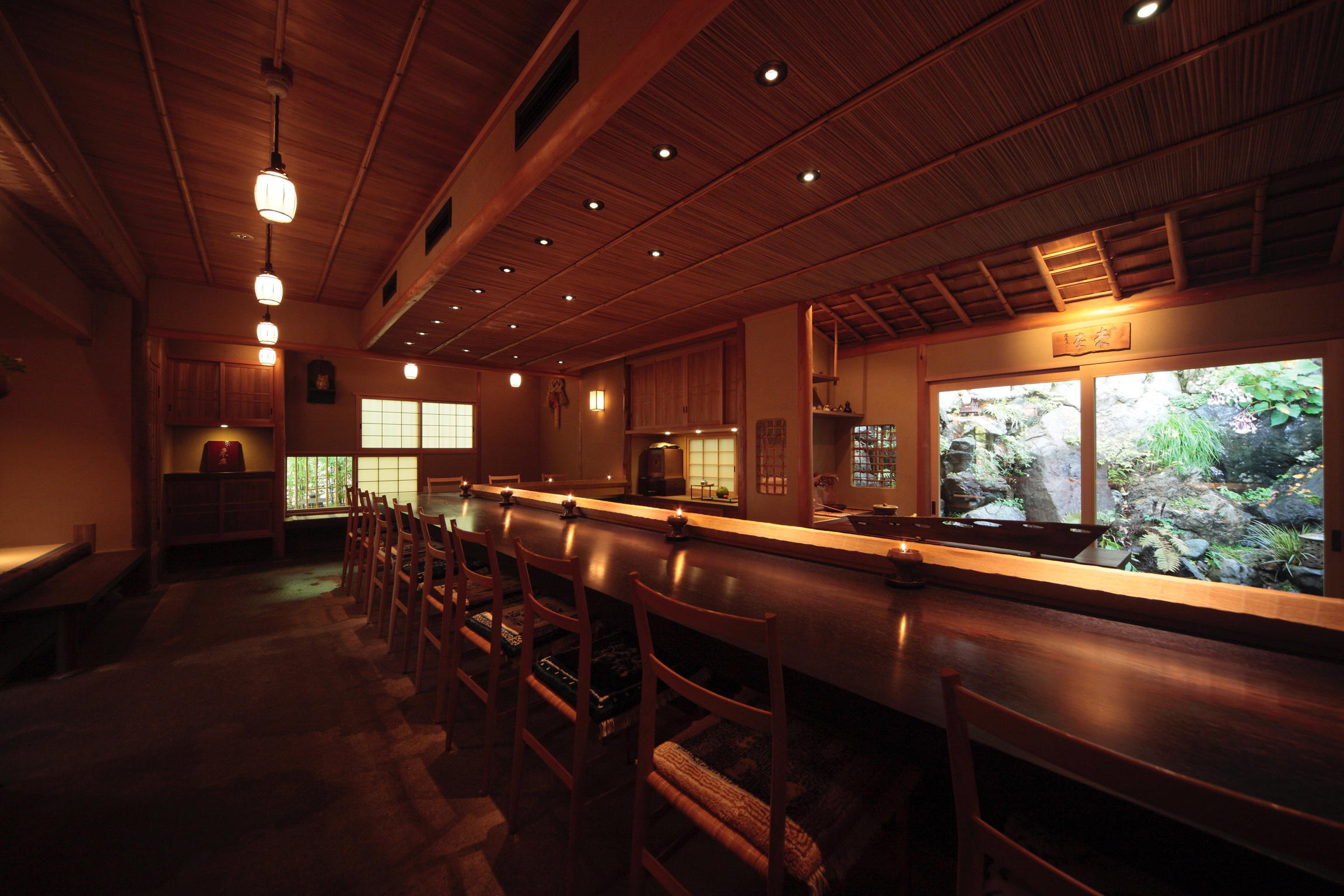
Kyoto kaiseki is at its clearest when the room reduces distraction rather than adding theatre. A counter changes the tempo: guests read the sequence through preparation, pacing, and the quiet handoff between kitchen and seat. In that setting, Yamagishi belongs to the city’s compact, high-commitment end of Japanese cuisine, where the meal is less about abundance than order, season, and restraint.
The useful way to understand this address is through Kyoto’s long argument with formality. Kaiseki can mean ceremony, luxury, regional produce, or choreographed hospitality, depending on the house. Here, the signal is a reservation-only counter associated with Chef Takahiro Yamagishi and a style described around traditional technique, creative seasonal expression, and chakai-sai, the cuisine of the tea gathering. That matters because Kyoto’s serious kaiseki rooms are judged on proportion: how much the chef intervenes, how much the season is allowed to speak, and how naturally the meal moves from one register to the next.
A counter-format reading of Kyoto seasonality
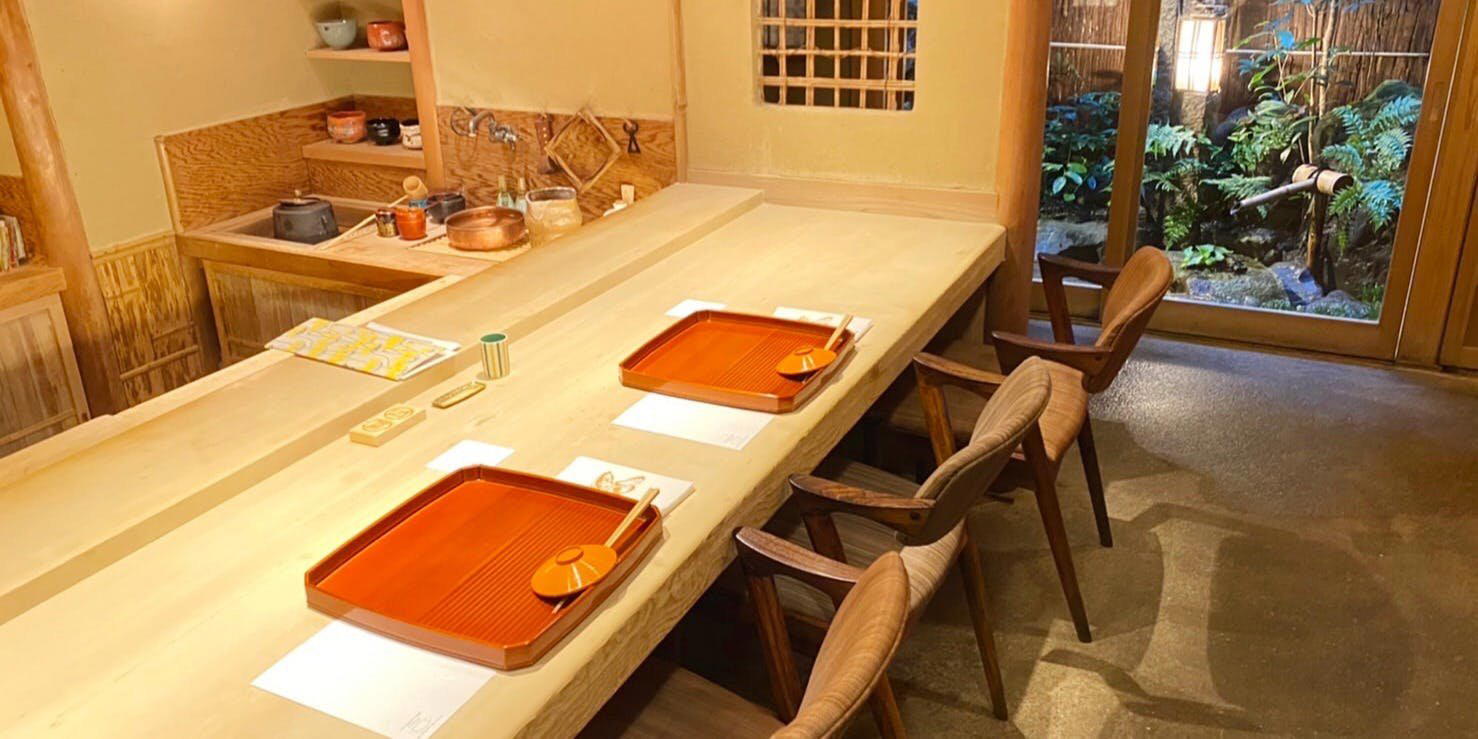
The counter is not a minor detail in Kyoto kaiseki. It changes the relationship between guest and meal, replacing the private-room rhythm of old-line ryotei with a more immediate, technically exposed format. Yamagishi’s 10 counter seats place it in that narrower bracket, where the kitchen’s sequence has little room to hide and the meal depends on timing as much as ingredient choice.
For travelers comparing Kyoto’s kaiseki spectrum, the distinction is useful. Hassun reads as a useful peer inside the city’s seasonal Japanese cuisine conversation, while Ankyu, Chihana, Doujin, and Gion Suetomo show how many forms Kyoto refinement can take without leaving the same broad tradition. Some houses lean into inherited ceremony; others favor counter intimacy or a sharper seasonal edit. Yamagishi’s recognition places it in the latter conversation, not in the casual Japanese dining lane.
The awards record supports that positioning. The restaurant holds The Tabelog Award 2026 Silver, with a 4.52 score listed for that award cycle, and appears in Tabelog’s Japanese Cuisine WEST 100 selections across 2021, 2023, and 2025. It also carried a Michelin Plate in 2024 and 2025, and Opinionated About Dining ranked it among restaurants in Japan in 2023 and 2024. None of those signals should be read as a substitute for taste, but together they indicate sustained attention from Japanese diners and international evaluators rather than a single-season surge.
The Yamagishi style is disciplined rather than decorative
Kaiseki’s structure can look simple from the outside: a progression of small courses, seasonal references, vessels, and shifts in temperature and texture. The difficulty is that nothing should feel accidental. Kyoto rewards chefs who understand subtraction, because the city has little patience for decorative excess dressed up as tradition. Yamagishi’s appeal sits in that discipline: a meal built around seasonal Japanese cuisine, fish-led emphasis, and a drinks program that includes sake, shochu, and wine.
Chef Takahiro Yamagishi is relevant here as a credential, not as a personality hook. The restaurant carries his name because the format depends on authorship, but the stronger editorial point is how contemporary Kyoto kaiseki has absorbed counter culture without abandoning tea-influenced principles. Chakai-sai implies a different kind of luxury from menu maximalism. It asks for attention to sequence, setting, and seasonal appropriateness, the same values that separate Kyoto’s serious Japanese cuisine from generic tasting-menu dining.
That is also why the room’s small scale matters. A 10-seat counter compresses the experience. It suits diners who want to track the meal course by course, not a group looking for a broad night out. The lack of private rooms reinforces that reading. Private use is possible, but the standard experience belongs to the counter, where the conversation is between the kitchen’s rhythm and the guest’s attention.
How to place it within a Kyoto trip
Kyoto rewards careful meal planning because its dining culture is fragmented by neighborhood, format, and degree of formality. A kaiseki counter in Nakagyo belongs to a different evening than a temple-area lunch, a late izakaya, or a hotel dining room. For a broader city plan, Our full Kyoto restaurants guide is the better starting point, especially when balancing kaiseki with sushi, wagashi, soba, and more informal Japanese cooking.
The decision is also about mood. Yamagishi is the kind of Kyoto booking to anchor a night around, not to squeeze between sightseeing and drinks. Travelers building a full itinerary should pair the restaurant plan with Our full Kyoto hotels guide for neighborhood logic, then use Our full Kyoto bars guide only if the evening needs a quiet second stop. Our full Kyoto experiences guide helps frame the wider cultural context, while Our full Kyoto wineries guide is a reminder that wine interest in Japan increasingly sits alongside sake rather than replacing it.
For readers comparing kaiseki beyond Kyoto, the Tokyo references are instructive rather than interchangeable. Ajihiro, Kaiseki in Tokyo and Akasaka Asada, Kaiseki in Tokyo sit in a different city context, where kaiseki competes with a denser field of sushi counters, French-influenced tasting rooms, and corporate dining. Kyoto’s advantage is concentration: the tradition is not an import or a special-occasion costume, but part of the city’s grammar.
Cross-city links can be useful when planning a longer Japan trip, though they belong to different dining decisions: -Grilled beef Sukiyaki- KAMAKURA TANUKIAN 鎌倉 たぬき庵 in Kamakura. 鮪と炭火焼き うお炭 秋葉原店 in Tokyo.cafe in Osaka.know in Kumamoto, (Shoku) Vietnam in Kawasaki, and [Curry Senmon Ten] Maruyama Kyoju. in Sapporo. None occupy the same role as a Kyoto kaiseki counter, which is exactly the point. Yamagishi is for a night when the city’s seasonal discipline is the subject, and the meal is expected to carry the evening on precision rather than volume.
Frequently asked questions
Can I bring kids to Yamagishi?
Those details are not published. It is a reservation-only kaiseki counter in Kyoto with 10 seats and a dinner range of ¥60,000–¥79,999, so it reads as an adult-leaning booking. Check the venue's official channels for the latest details.
Is Yamagishi better for a quiet night or a lively one?
Yamagishi is the quieter choice: 10 counter seats, reservation only, and a non-smoking room in Nakagyo Ward. That setup suits a low-noise dinner more than a social, high-energy one, even before the Tabelog Award silver recognition is factored in.
What kind of cuisine does Yamagishi serve?
Yamagishi serves Kaiseki cuisine.
What is Yamagishi known for?
Yamagishi is primarily known for Kaiseki in Kyoto.
Comparable venues nearby, for context on price, style, and recognition.
| Venue | Cuisine | Price | Awards | Notes |
|---|---|---|---|---|
| Tominokoji Tominokoji YamagishiThis venue — the venue you are viewing | Kyoto Kaiseki | Not listed | Michelin Plate · Tabelog Silver #154 | Not listed |
| Sambongi Shoten | Char-grill Izakaya | $500+ | Michelin Bib Gourmand | Kamigyō |
| Ichihana | Traditional Kyoto Kappo | $20–30 | Michelin Bib Gourmand | Nakagyō |
| Teuchisoba Kanei | Traditional Hand-Ground Soba | $10–20 | Michelin Bib Gourmand · Tabelog 100 #11 | Kita |
| Gion Rohan | Creative Seasonal Japanese Izakaya | $50–100 | Michelin Plate · Tabelog 100 #5 | Higashiyama |
| Sushizen | Traditional Kyo-Sushi | $10–20 | Michelin Bib Gourmand | Nakagyō |
Recognition history
Dated appearances from independent guides and award organizations, with the underlying list record or original source where available.
Michelin Plate
Michelin
Tabelog Silver #154
Tabelog
Opinionated About Dining Top Restaurants in Japan Ranked #128
Opinionated About Dining
Full recognition history (9 entries)
Michelin Plate
Michelin
Tabelog 100 #43 · No. 43
Tabelog · Tabelog 100 - Japanese cuisine - WEST - 2025
Tabelog 100 #71 · No. 71
Tabelog · Tabelog 100 - Izakaya - WEST - 2025
Tabelog Silver
Tabelog
Michelin Plate
Michelin
Opinionated About Dining Top Restaurants in Japan Ranked #124
Opinionated About Dining
Continue exploring
More in Kyoto
Restaurants in Kyoto
Browse all →
Bars in Kyoto
Browse all →
Hotels in Kyoto
Browse all →
Wineries in Kyoto
Browse all →
Details
- Intimate
- Elegant
- Quiet
- Classic
- Sophisticated
- Special Occasion
- Date Night
- Business Dinner
- Celebration
- Chefs Counter
- Historic Building
- Open Kitchen
- Standalone
- Local Sourcing
- Tasting Menu
- Set Menu
- Counter Dining
Current opening hours
- Monday
- 4–11 PM
- Tuesday
- 4–11 PM
- Wednesday
- Closed
- Thursday
- 4–11 PM
- Friday
- 4–11 PM
- Saturday
- 4–11 PM
- Sunday
- 4–11 PM
Hours can change for holidays and private events. Last verified .
A serene Japanese dining space in a traditional Kyoto townhouse, inspired by the quiet refinement of a tea room.