Troya Restaurant
Leigh-on-Sea and the Estuary Dining Scene The stretch of the Thames Estuary coastline that runs through Leigh-on-Sea has, over the past decade, developed a recognisable dining identity rooted in proximity to water. Cockle sheds, seafood stalls...
Pearl is the En Primeur Club membership app — saves, bookings, and concierge access live there. Same editors, same standards.
- Address
- 80 Leigh Rd, Southend-on-Sea, Leigh-on-Sea SS9 1BZ, United Kingdom
- Phone
- +441702714004
- Website
- troyarestaurant.co.uk
 Saves & bookings on Pearl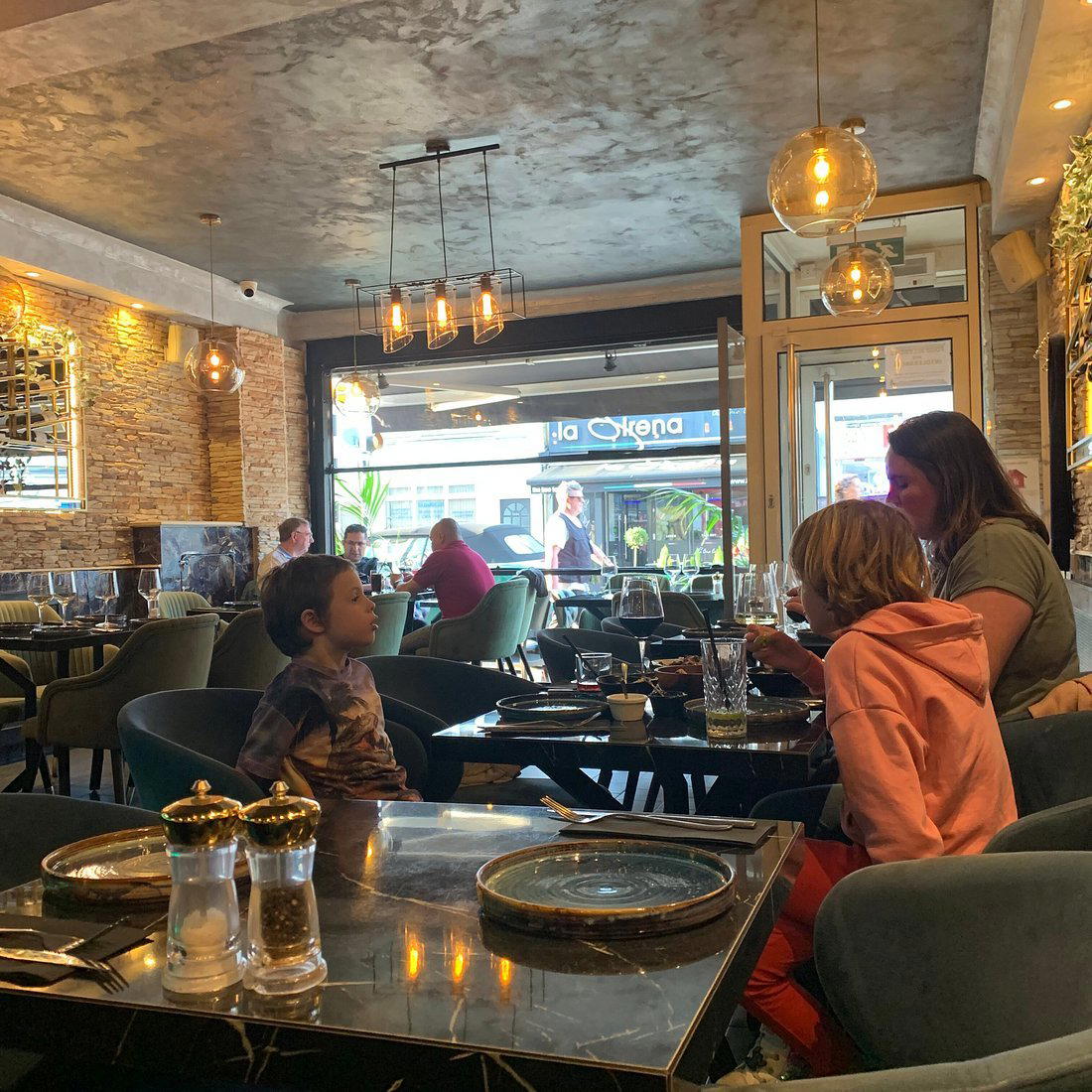
Leigh-on-Sea and the Estuary Dining Scene
The stretch of the Thames Estuary coastline that runs through Leigh-on-Sea has, over the past decade, developed a recognisable dining identity rooted in proximity to water. Cockle sheds, seafood stalls, and the working fishing boats moored at Old Leigh sit alongside an increasingly confident restaurant offer on and around Leigh Road. In this context, a restaurant drawing on Turkish and Eastern Mediterranean cooking occupies an interesting position: it arrives with a culinary tradition where ingredient provenance, spice sourcing, and the quality of primary materials have always mattered as much as technique. Troya Restaurant, at 80 Leigh Road, operates within this neighbourhood pattern.
The Setting on Leigh Road
Leigh Road runs as the commercial spine connecting Leigh-on-Sea to Southend-on-Sea proper, and the strip carries the layered character that defines many British coastal high streets: long-established independents alongside newer arrivals, with the sea never entirely out of mind. Approaching Troya at number 80, the address sits within a neighbourhood that reads as unpretentious and locally oriented rather than destination-seeking. Eastern Mediterranean restaurants in this kind of setting tend to perform a particular role: they become the reliable neighbourhood option for Turkish mezze, grilled proteins, and slow-cooked dishes that reward return visits rather than single-occasion spectacle. The physicality of such a room, in tradition if not in this specific verified case, is usually built around warmth rather than drama, with the sounds of a busy grill service and shared table formats encouraging a communal pace of eating that differs markedly from the tasting-menu rhythm found at destination restaurants like L'Enclume in Cartmel or Moor Hall in Aughton.
Ingredient Sourcing in Eastern Mediterranean Cooking
The eastern Mediterranean tradition is, at its core, a cuisine of sourcing. The quality of olive oil, the provenance of lamb, the freshness of flatbread, the character of spice blends, and the origin of dairy all carry disproportionate weight in how a dish reads on the plate. This is a kitchen culture where a good piece of aged sheep's cheese or properly sourced pomegranate molasses will outperform a mediocre one regardless of how much technique is applied. Turkish cooking in particular has regional specificity built into its DNA: southeastern Anatolia produces spice-forward preparations, the Aegean coast leans toward olive oil-based vegetables and seafood, and the Black Sea region brings cornmeal and anchovy into the frame. How a restaurant in a British coastal town navigates this geography says something about its seriousness. Restaurants that import key dry goods and commit to lamb from known suppliers rather than generic commodity protein tend to produce noticeably different results to those treating the cuisine as a generic template. The same principle applies to mezze: the difference between labneh made from properly strained full-fat yogurt and a supermarket-approximate version is not subtle. These sourcing distinctions matter far more in this cuisine than in, say, the French fine dining tradition where technique has historically been used to transcend ingredient variability, a model pursued at places like Le Manoir aux Quat'Saisons in Oxford or Waterside Inn in Bray.
What to Order
What the Eastern Mediterranean format reliably offers, however, is a structure where mezze selections reward the table that orders widely and shares, while the main course grill section tests the kitchen's control of heat and resting. In Turkish restaurant settings, the bread course, whether pide, lavash, or freshly baked flatbread, often signals kitchen discipline as clearly as anything else: bread made to order rather than held under a lamp reads differently at the table. Grilled meats, particularly lamb adana or shish preparations, depend on the quality of mincing or marination upstream, not on last-minute intervention. Diners at this type of restaurant who want to understand what the kitchen does well are generally better served ordering the cold mezze spread and one of the charcoal-grilled main courses than attempting to cover the full menu.
The Neighbourhood Context
Leigh-on-Sea's restaurant scene benefits from its position as a commuter town with London-facing aspirations and a genuine coastal food culture anchored in the estuary shellfish trade. This dual identity, local fishing tradition on one side and a relatively affluent residential population with metropolitan dining experience on the other, creates demand for independent restaurants that deliver quality above the pub-food baseline without requiring a destination-restaurant price point. Turkish and Eastern Mediterranean restaurants sit well in this demographic: the cuisine is widely understood among UK diners, the price-to-portion ratio tends toward generosity, and the format suits groups as well as couples. Compared to the tightly controlled tasting environments of Restaurant Sat Bains in Nottingham or Ynyshir Hall in Machynlleth, a neighbourhood Turkish restaurant operates in a different register entirely, one where accessibility and repeatability matter more than occasion-dining intensity. That is not a lesser position; it is a different and arguably more socially useful one.
Planning Your Visit
Troya Restaurant is located at 80 Leigh Road, Southend-on-Sea, Leigh-on-Sea SS9 1BZ, within easy reach of Leigh-on-Sea railway station on the c2c line from London Fenchurch Street, making it accessible for an evening visit from the capital without the logistical weight of a countryside destination restaurant. Leigh-on-Sea station sits minutes from the Old Leigh seafront, and Leigh Road itself is walkable from the station.
Side-by-Side Snapshot
Comparable venues nearby, for context on price, style, and recognition.
| Venue | Cuisine | Price | Awards | Notes |
|---|---|---|---|---|
| Troya RestaurantThis venue — the venue you are viewing | Authentic Turkish & Mediterranean | $$ | , | |
| Food Leigh-On-Sea | Modern British Farm-to-Table | $$$ | Michelin Plate | Leigh-on-Sea |
| C&K Turkish Restaurant | Traditional Turkish Grill | $$ | , | Banstead |
| Efes Plus | Modern Turkish & Mediterranean | $$ | , | Richmond |
| Shiraz | Authentic Turkish | $$ | , | Horley |
| Yosma Express | Turkish Mediterranean | $$ | , | Mayfair |
Continue exploring
More in Leigh-on-Sea
Restaurants in Leigh-on-Sea
Browse all →
Bars in Leigh-on-Sea
Browse all →
Hotels in Leigh-on-Sea
Browse all →
Wineries in Leigh-on-Sea
Browse all →
At a Glance
- Cozy
- Classic
- Family
- Casual Hangout
- Date Night
- Local Sourcing
Warm and welcoming with homemade bread and traditional dishes creating a cozy family atmosphere.