Our verdict
Trebor sits at 3 Rue des Écoles in Plouarzel, a small commune on the far western edge of Finistère where Brittany's Atlantic coast defines what ends up on the plate. The surrounding bocage and shoreline position the kitchen inside one of France's most ingredient-driven regional traditions. For context on the broader Finistère dining scene, see our full Plouarzel restaurants guide.

Pearl is the En Primeur Club membership app — saves, bookings, and concierge access live there. Same editors, same standards.
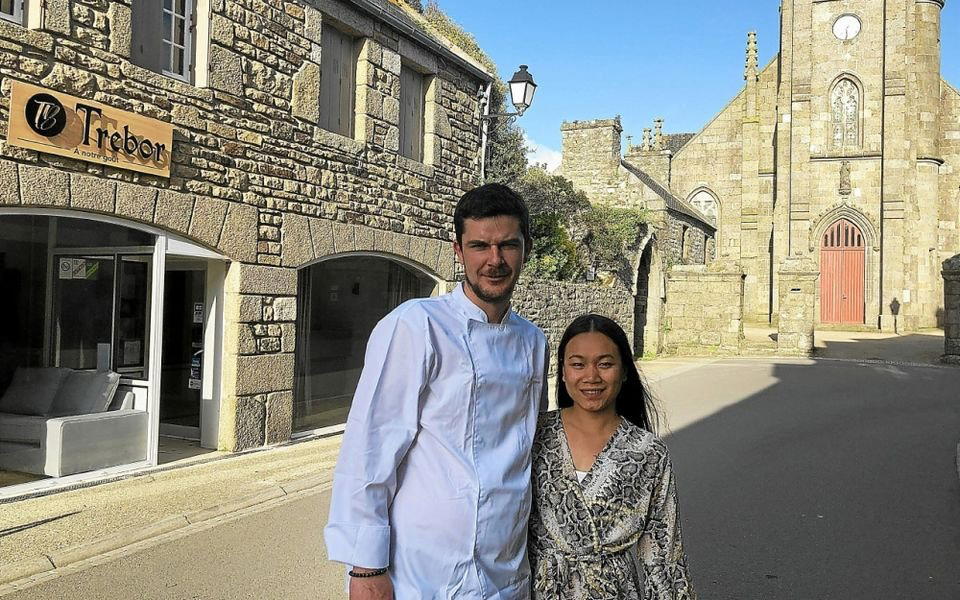
At the Edge of Finistère: Why Plouarzel's Location Is a Kitchen Argument
Plouarzel sits at the westernmost inhabited tip of metropolitan France, a few kilometres from the Pointe de Corsen where the Atlantic and the English Channel meet. That geography is not incidental to what eating here means. The Finistère coast has, for centuries, structured its food culture around proximity: proximity to cold-water fisheries, to salt-grass grazing land, to market gardens sheltered by bocage windbreaks. Trebor, at 3 Rue des Écoles in the village centre, occupies that tradition directly. In a country where fine dining increasingly concentrates in Paris or resort destinations, a restaurant operating this far out on the Breton peninsula answers a different set of questions about where ingredients come from and how far they travel before service.
Brittany's broader culinary identity is built on density of primary produce rather than elaboration. The coastline from Brest to the Pointe du Raz yields shellfish — notably Breton oysters, clams, and urchin — at a quality that has drawn attention from chefs well beyond the region. Kitchens like Christopher Coutanceau in La Rochelle and La Marine in Noirmoutier-en-l'île have made Atlantic-coast sourcing the central editorial argument of their menus. Plouarzel operates in that same coastal register, with the added specificity that comes from sitting at the actual point of production rather than a distribution hub further down the coast.
The Ingredient Logic of the Finistère Interior
The land behind the coast matters as much as the shoreline. Finistère's interior is dairy country, with a long tradition of butter and cream production that shaped Breton cooking long before any chef formalised it as a philosophy. The region's artichokes, particularly the Camus de Bretagne variety grown around Roscoff, and its cauliflowers are exported across France and into international markets precisely because the granite-based soil and Atlantic moisture create conditions that are difficult to replicate elsewhere. Any kitchen operating in this corner of the Finistère is drawing on a supply chain that is, by geographic default, shorter and more traceable than almost anywhere else in the French restaurant system.
This is the context that distinguishes a regional table in Plouarzel from the elaborately sourced menus of destination restaurants in more travelled corridors. When Bras in Laguiole built its identity around Aubrac terroir, or when Auberge du Vieux Puits in Fontjoncouse anchored its cooking to the garrigue of the Corbières, they were making arguments that required significant curatorial effort to articulate and sustain. In Plouarzel, the argument exists before any menu is written. The ingredients are simply there, and they are of a calibre that would be expensive to replicate by sourcing from distance.
Brittany's Position in the French Regional Dining Map
France's multi-starred dining circuit is heavily weighted toward Paris, Lyon, and a handful of resort regions. Houses like Alléno Paris au Pavillon Ledoyen, Mirazur in Menton, and Flocons de Sel in Megève operate in environments where destination dining is an established economic model supported by wealthy local populations, tourism infrastructure, and international press attention. Brittany sits outside that circuit in structural terms, which is part of what makes its restaurants interesting. Tables here are not competing for the same customer as Assiette Champenoise in Reims or Au Crocodile in Strasbourg. They are serving a local population and a coastal tourism flow that peaks sharply in summer and drops in the shoulder months.
That seasonal pattern shapes what a kitchen in Plouarzel can do. The Atlantic coast's most compelling produce, langoustines from Guilvinec, line-caught sea bass, razor clams, has a defined calendar, and menus that respect that calendar will look substantially different in July than in November. It is the same seasonal logic that underpins the approach at Troisgros - Le Bois sans Feuilles in Ouches and, in coastal form, at AM par Alexandre Mazzia in Marseille, where Mediterranean supply rhythms drive menu structure.
Planning a Visit to Trebor
Plouarzel is approximately 25 kilometres northwest of Brest, reachable by road in under 30 minutes from the city centre. Brest itself is served by TGV from Paris Montparnasse, with journey times around four hours, and by Brest Bretagne Airport with connections to Paris and several French regional hubs. The village of Plouarzel has limited accommodation, so most visitors base themselves in Brest and drive out, or plan a longer circuit along the Finistère coast. Trebor's address at 3 Rue des Écoles places it in the village's small commercial core, direct to reach by car. For a broader orientation to what the area offers at the table, the full Plouarzel restaurants guide maps the local scene in detail.
Coastal Brittany's summer season runs roughly from late June through August, when visitor numbers rise sharply and tables at well-regarded local restaurants can book quickly. The shoulder months of May, June, and September offer a more spacious experience of the region with Atlantic weather that is changeable but often dramatic in a way that suits the landscape. Winter visits are quieter and require more planning around what is open, but the produce argument for Brittany in the cold months is strong: winter shellfish, particularly oysters and clams, reach their leading condition precisely when tourism infrastructure is thinnest.
Frequently asked questions
Can I bring kids to Trebor?
Plouarzel is a small commune rather than a city dining circuit, which typically means a more relaxed approach to families than you would find at a formal restaurant in Brest or Paris. Contacting the venue directly at 3 Rue des Écoles, Plouarzel is the most reliable way to clarify before you travel with children.
Is Trebor formal or casual?
Its address on Rue des Écoles in Plouarzel places it in a small village context rather than a city fine-dining corridor, which often signals a less ceremonial atmosphere than you would encounter at a starred house in Paris or Lyon.
Is Trebor worth the drive from Brest to Plouarzel?
Plouarzel sits approximately 25 kilometres northwest of Brest, a drive of under 30 minutes that also brings you to the Pointe de Corsen, the westernmost point of metropolitan France. Combining a visit to Trebor with the coastline makes the journey a logical half-day or evening itinerary from the city. Brest is served by TGV, making the area accessible for visitors arriving without a car base in Finistère.
What do people recommend at Trebor?
Plouarzel's position at the western edge of Finistère puts it within reach of both Atlantic seafood and the region's well-established dairy and butter traditions, which shape much of the cooking in this part of Brittany. For current menu guidance, contacting Trebor at their Plouarzel address is the direct route.
What's the address for Trebor?
Trebor is located at 3 Rue des Écoles, 29810 Plouarzel, France, Plouarzel.
Do I need a reservation for Trebor?
Given Plouarzel's scale as a small commune roughly 25 kilometres from Brest, seating capacity is likely limited and advance contact is advisable, particularly if you are travelling from outside the region. Reaching out to the venue at 3 Rue des Écoles before your visit is the safest approach.
A Quick Peer Check
Comparable venues nearby, for context on price, style, and recognition.
| Venue | Cuisine | Price | Notes |
|---|---|---|---|
| TreborThis venue — the venue you are viewing | French Bistro | $20–30 | Not listed |
| Désordre | French Market Bistro | Not listed | Saint-Louis |
| Le Bistrot de P'tit Louis | French Bistro | $20–30 | near Brest train station |
| Le Signal 2108 | Bistronomic French with Regional Alpine Specialties | $30–50 | Signal Mountain |
| La Marine | French Breton Crêperie-Bistro | $20–30 | Camaret-sur-Mer |
| Le Local | French Fusion Bistro | $20–30 | Roscoff |
Continue exploring
More in Plouarzel
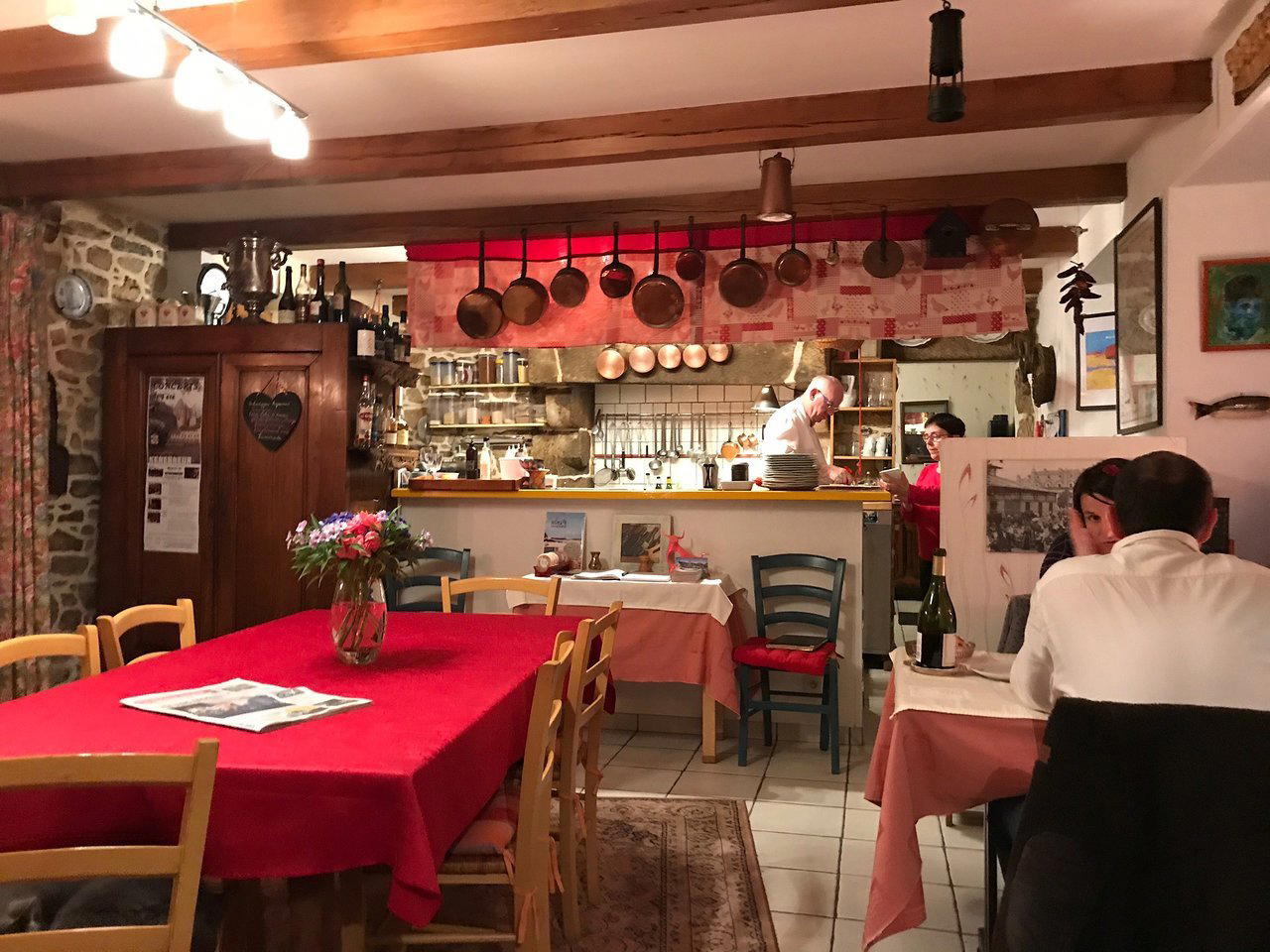
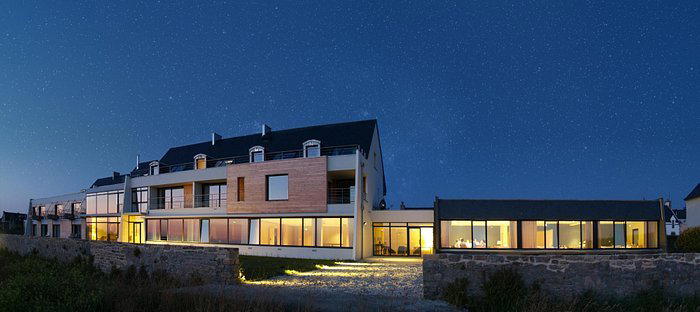
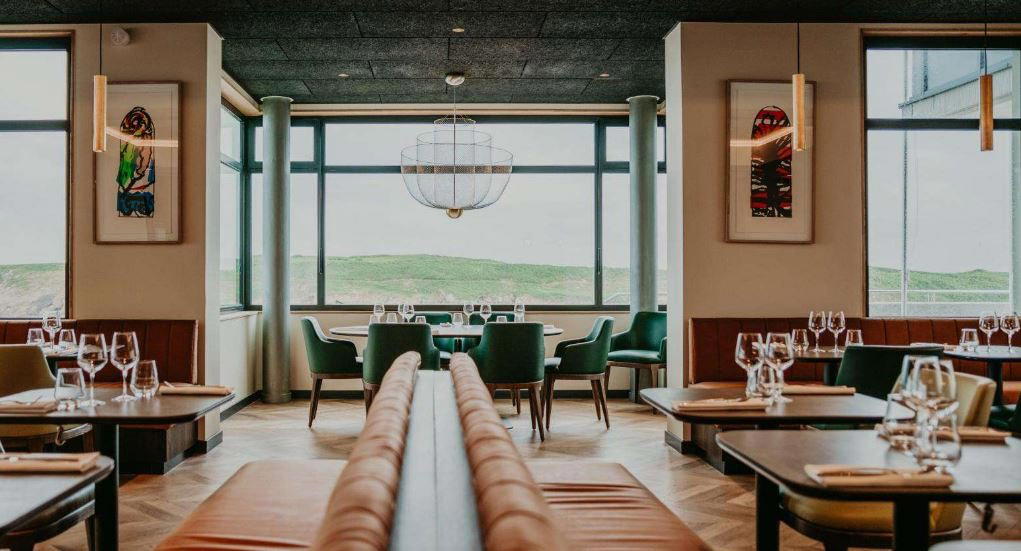
Details
- Cozy
- Rustic
- Family
- Casual Hangout
- Group Dining
- Standalone
- Local Sourcing
- A La Carte
Current opening hours
- Monday
- 12–2 PM
- Tuesday
- 12–2 PM
- Wednesday
- 12–2 PM
- Thursday
- Closed
- Friday
- 12–2 PM, 7–9 PM
- Saturday
- 12–2 PM, 7–9 PM
- Sunday
- 12–2 PM, 7–9 PM
Hours can change for holidays and private events. Last verified .
Warm and welcoming with smiling service in a cozy, friendly atmosphere.