L'Insolite

Michelin Plate
Our verdict
L'Insolite holds a Michelin Plate for 2024 and 2025, placing it among Douarnenez's most consistently recognised modern cuisine addresses. The kitchen works within a coastal Breton context where proximity to Atlantic fishing grounds and regional produce defines what ends up on the plate.

Pearl is the En Primeur Club membership app, where members save venues, book tables and use the concierge.
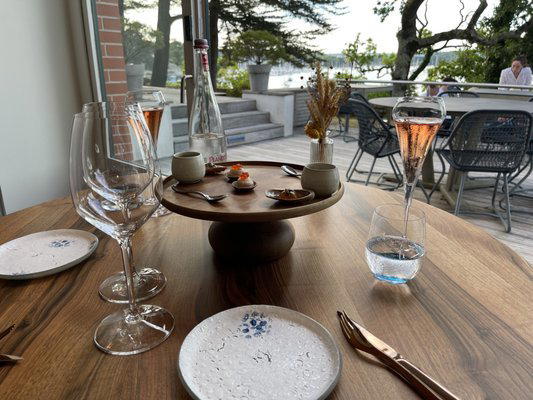
The menu
What to order
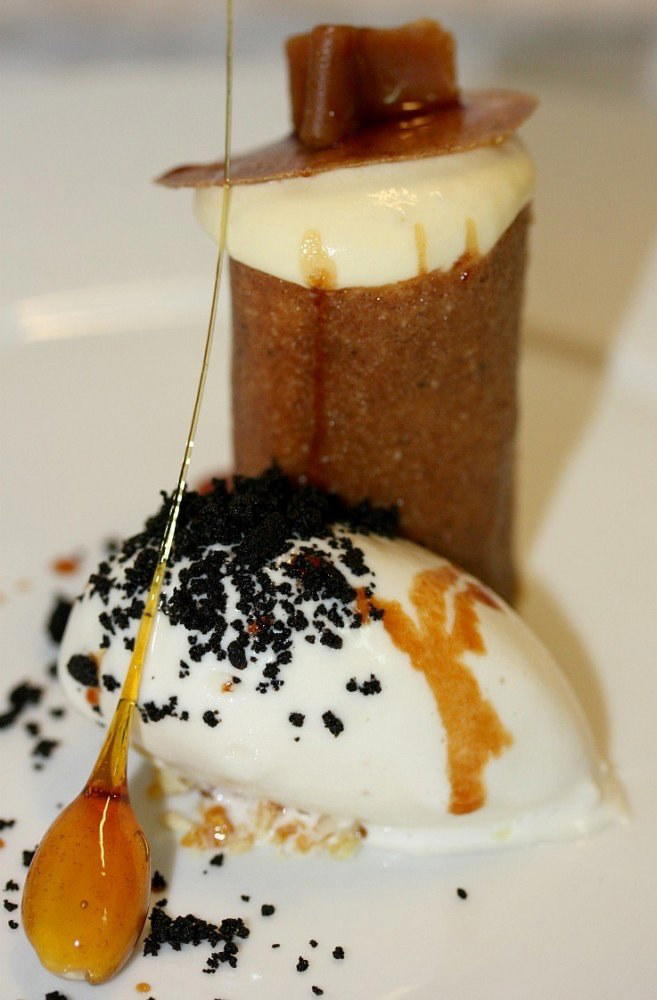
- Langoustines with flaked spider crab and smoked haddock lime cream
- Scallops with parsnip mousseline and candied lemon
- Blue lobster with coral cream and coconut rice
Where the Atlantic Determines the Menu
Finistère's coastline has always operated on its own terms. The westernmost département of metropolitan France, it sits at the end of the Armorican Massif where the Crozon Peninsula meets the Bay of Douarnenez, and the Atlantic does not merely provide scenery here, it provides dinner. Douarnenez itself is a fishing port with industrial canning roots that stretch back to the nineteenth century, and the town's culinary identity has historically been inseparable from what the boats brought in each morning. Restaurants working within that tradition at any serious level are not competing with Paris or Lyon; they are operating within a regional logic that values freshness over elaboration and provenance over prestige.
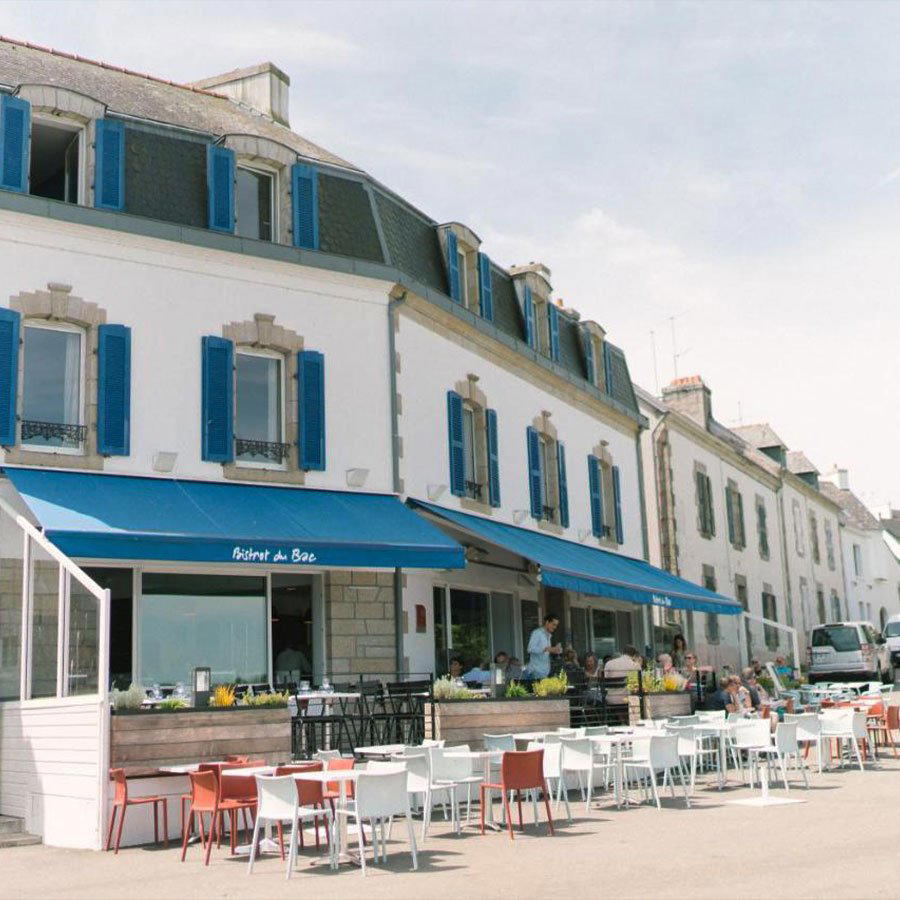
L'Insolite, on Rue Jean Jaurès a short walk from the port, sits within that tradition while extending it toward a more considered modern idiom. For a town of Douarnenez's scale, that combination of sustained critical acknowledgement and broad public confidence is not incidental. It reflects a kitchen that has found its register and held it.
Coastal Sourcing and What It Means for the Plate
The argument for eating modern cuisine in a Breton port rather than a metropolitan centre rests almost entirely on ingredient access. In Douarnenez, that access is structural rather than aspirational. The Bay of Douarnenez is one of Brittany's most productive fishing grounds, with mackerel, sea bass, sole, and shellfish arriving at the quayside rather than travelling through a wholesale distribution chain that adds days and distance. This is not a minor logistical detail. Fish served within hours of landing behaves differently in the kitchen, in texture, in the way it takes heat, in the clarity of its flavour, than fish sourced from a central market two days later.
Breton agriculture adds a further dimension. The bocage interior behind the coast supplies dairy of significant quality, and the region's vegetables, particularly in the Léon to the north, are among the most respected in France, partly due to the mild, damp climate that extends growing seasons. Kitchens working at the Michelin Plate level in this context are not sourcing regionally as a positioning statement; the regional supply chain is simply the most logical and highest-quality option available. That structural advantage is what separates coastal Breton modern cuisine from the same price tier in an urban setting where provenance requires more deliberate effort and higher cost.
For comparison, the three-starred houses in France's inland and metropolitan tier, addresses like Alléno Paris au Pavillon Ledoyen in Paris, Mirazur in Menton, or Bras in Laguiole, operate within entirely different sourcing economics and at a different price tier. L'Insolite at €€€ sits several steps below that bracket in both expectation and spend, but the sourcing geography it operates within is arguably more immediate than many of those celebrated rooms. That is a meaningful distinction for any reader thinking carefully about where the food actually comes from.
The Atmosphere in Context
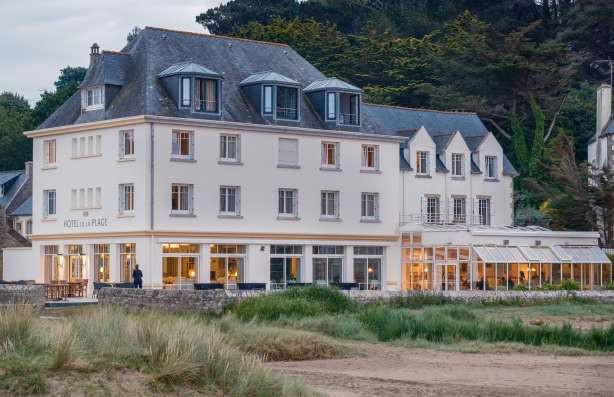
Douarnenez is not a resort town that has been polished for visitors, and that shapes what dining here feels like. The port still functions as a working harbour, the streets around it retain their vernacular Breton character, and the restaurants that succeed here do so by reading that environment honestly rather than importing an aesthetic from somewhere else. L'Insolite's name, the French word for unusual, or out of the ordinary, signals a deliberate positioning within that context: a kitchen aiming at something more considered than the town's traditional café and crêperie culture, without pretending to be somewhere it is not.
At the €€€ price point in a Breton port, the atmosphere will be proportionate: more attentive than a bistro, less formal than a grand dining room. Guests should expect focused service and a room that takes its cooking seriously, without the theatre that characterises the tasting-menu format at the multi-starred houses in France's larger cities. That register suits the town. Douarnenez rewards visitors who engage with it on its own terms rather than expecting it to replicate a metropolitan experience. For broader context on what the town offers beyond this table, see our full Douarnenez restaurants guide, our full Douarnenez bars guide, and our full Douarnenez experiences guide.
Planning a Visit
Douarnenez is accessible by car from Quimper in around 25 minutes, and Quimper itself is served by TGV from Paris Montparnasse in roughly four hours. For visitors building a longer Breton itinerary, the Crozon Peninsula and Cap Sizun are within easy reach, and the area rewards a multi-day stay. Our full Douarnenez hotels guide covers accommodation options at various price points, and our full Douarnenez wineries guide is worth consulting for those interested in pairing regional wine with a meal at this level.
At a Michelin Plate address in a small port town with limited covers, securing a table in peak summer months (July and August, when visitor numbers in southern Finistère rise sharply) is likely to require advance planning. The shoulder seasons, late spring and early autumn, tend to offer more flexibility without sacrificing the quality of the local catch.
For those mapping a wider circuit of modern cuisine in France, the range between L'Insolite's regional register and the full-scale creative programmes at rooms like Flocons de Sel in Megève, Assiette Champenoise in Reims, or Auberge du Vieux Puits in Fontjoncouse is instructive. Each sits in a different sourcing geography and a different competitive tier. L'Insolite's distinction is not scale but specificity: a kitchen grounded in one of France's most immediate coastal supply chains, recognised by Michelin for doing that work consistently, and operating in a town that has not yet been absorbed into the broader luxury travel circuit. That combination is increasingly difficult to find.
Frequently asked questions
Can I bring kids to L'Insolite?
At the €€€ price point for a town like Douarnenez, this is a considered dinner rather than a casual stop. The Michelin Plate recognition in both 2024 and 2025 signals a kitchen with clear culinary intent, which tends to suit older children who can engage with a structured meal rather than younger ones looking for flexibility.
What should I expect atmosphere-wise at L'Insolite?
Douarnenez remains a functioning port town rather than a resort, and the dining atmosphere reflects that, grounded and direct rather than performatively refined. Michelin Plate recognition across 2024 and 2025 positions L'Insolite as the serious cooking option in the area, but the setting is shaped by the working waterfront character of the town at 4 Rue Jean Jaurès rather than any metropolitan formality.
Is L'Insolite Michelin-listed?
L'Insolite has received recognition including: Michelin Plate (2025); Michelin Plate (2024).
What should I order at L'Insolite?
The strongest case for eating here is the proximity to the Atlantic catch: Douarnenez sits on a bay that has supplied fishing boats for centuries, giving a Michelin Plate kitchen at this address a sourcing advantage over any landlocked modern cuisine restaurant. Order whatever reflects that day's landed fish, a menu anchored to the Bay of Douarnenez catch is the clearest expression of what L'Insolite's location makes possible.
A Quick Peer Check
| Venue | Cuisine | Price | Awards | Notes |
|---|---|---|---|---|
| L'InsoliteThis venue (the venue you are viewing) | Modern French Seafood | $50–100 | Michelin Plate | Not listed |
| Alléno Paris au Pavillon Ledoyen | Modern French Fine Dining | $150–200 | 3 Michelin Stars · World's 50 Best #79 | Creative |
| Kei | Contemporary French, Modern Cuisine | Not listed | Michelin 3 Star | Not listed |
| L'Ambroisie | Classic French Haute Cuisine | $300–500 | 2 Michelin Stars · World's 50 Best #23 | French, Classic Cuisine |
| Le Cinq - Four Seasons Hôtel George V | Modern French Fine Dining | $300–500 | 3 Michelin Stars · World's 50 Best #24 | French, Modern Cuisine |
| Plénitude | Modern French Sauce-Led Fine Dining | $300–500 | 3 Michelin Stars · World's 50 Best #14 | Contemporary French |
Recognition history
Dated appearances from independent guides and award organizations, with the underlying list record or original source where available.
Michelin Plate
Michelin
Full recognition history (3 entries)
Michelin Plate
Michelin
Michelin Plate
Michelin
Continue exploring
More in Douarnenez
Details
- Elegant
- Sophisticated
- Classic
- Intimate
- Date Night
- Special Occasion
- Business Dinner
- Celebration
- Hotel Restaurant
- Terrace
- Private Dining
- Sommelier Led
- Local Sourcing
- Sustainable Seafood
- Farm To Table
- A La Carte
- Prix Fixe
- Wine
- Classic Cocktails
- Vegetarian Friendly
- Allergy Accommodating
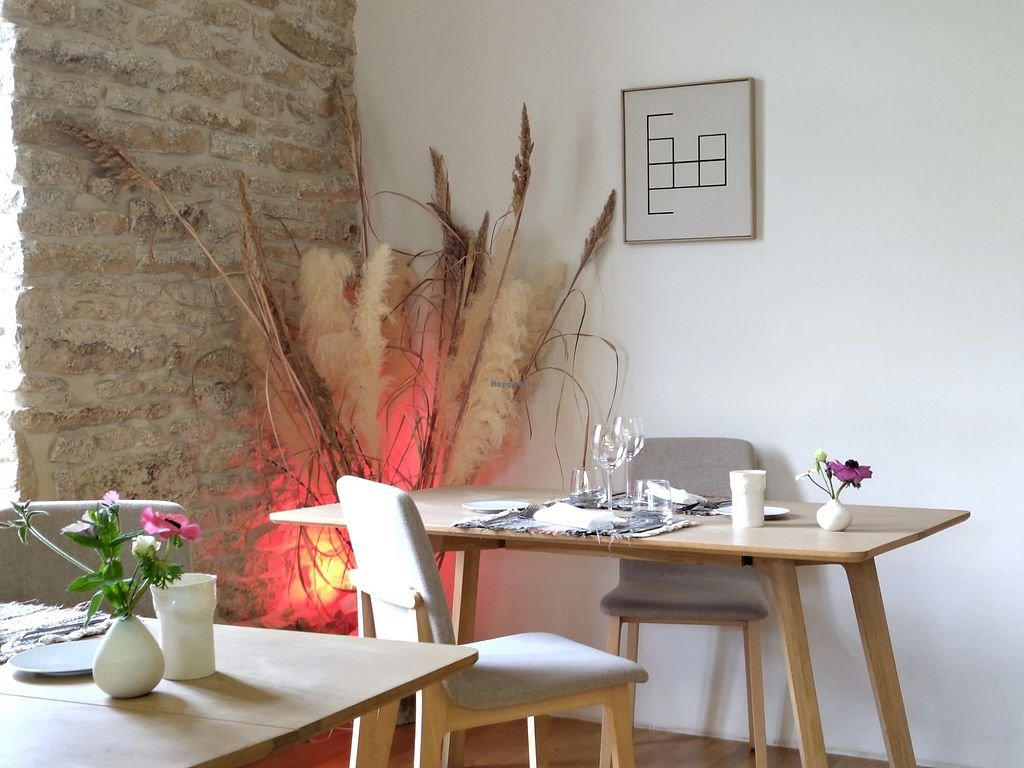
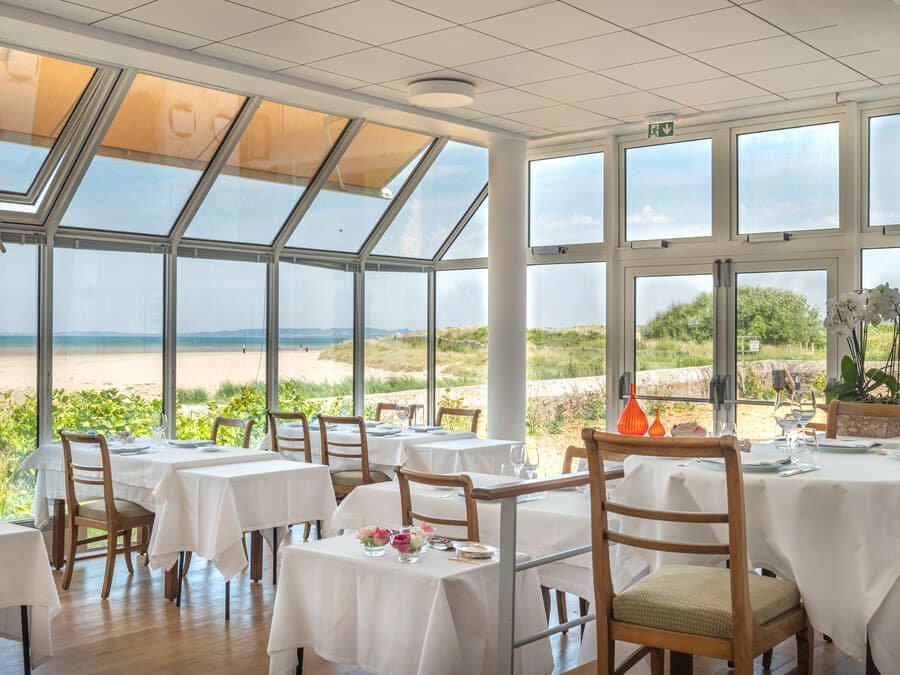
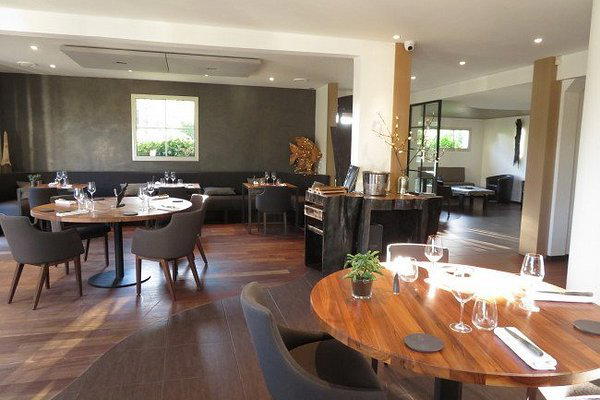
Zen atmosphere with refined elegance; recently renovated with traditional Breton woodwork creating a welcoming yet sophisticated dining environment.