
Tabelog 100 #74
Our verdict
Torihama gives Hamamatsu a serious chicken-and-nabe address rather than another eel-focused dinner. Its course format centers on chicken sukiyaki, chicken shabu-shabu, and pheasant shabu-shabu, with private-room dining and recognition in Tabelog’s 2025 Chicken Cuisine 100 placing it in a defined specialist tier.

Pearl is the En Primeur Club membership app, where members save venues, book tables and use the concierge.
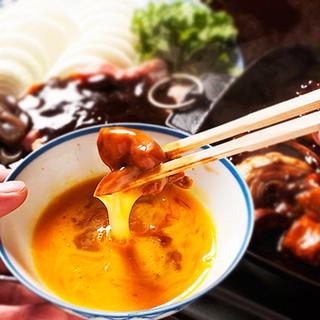
Hamamatsu after dark is not only postcard scenery. Around the city’s practical dining corridors, the mood is built for dinner decisions rather than sightseeing. That suits Torihama: a focused restaurant whose appeal is the older Japanese habit of treating one ingredient category with unusual seriousness. In a city many travelers know for eel, gyoza, and its place between Tokyo and Nagoya, this chicken-and-nabe specialist shifts attention to broth, heat, and the table’s social pace.
Japanese chicken cuisine runs from grill-led counters, where timing matters, to hot-pot rooms, where stock and pacing do the work. Torihama sits firmly in the chicken dishes and nabe category, where texture and aroma must carry without relying on spectacle. The point is not a broad menu trying to cover every expectation, but a focused format in which the bird, the pot, and the shared table define the meal.
Chicken dishes and nabe define the meal
The ingredient angle is the reason to pay attention. Nabe exposes handling directly: meat and broth meet at the table, and weak texture or thin flavor shows fast. The table joins the cooking rhythm, so the meal becomes social without needing tasting-menu theater or counter speed. This is slower, communal Japanese dining where the bird and pot handling decide the evening.
Torihama’s recognition gives the format outside context without overexplaining it. The restaurant is listed in the 2025 Tabelog Hyakumeiten selection, with a published score of 3.56 and a dinner budget of JPY 8,000 to JPY 9,999. That matters because it places Torihama within a specialist category, not merely as a comfortable local address. The useful signal is precision: chicken dishes and nabe are the frame, and dinner is priced like a planned meal rather than a casual stop-in.
Hamamatsu’s dining identity often starts with unagi, and Unagi Ryori Atsumi sits in that wider conversation. Torihama works in a different logic. Eel restaurants compress the decision around grilling, tare, rice, and lineage; chicken nabe houses ask whether the table wants warmth, broth, and shared pacing. LaLa Curry, another Hamamatsu comparison point, shows the city’s spread from casual everyday dining to specialist rooms where dinner is planned, not improvised.
Table pacing makes an old format feel current
The room matters because nabe is not only a dish; it is a tempo. Torihama’s appeal is strongest when the table can settle in, let the pot shape the conversation, and give the food enough time to register. For chicken dishes and nabe, pacing is not decorative. It lets the meal feel communal without becoming rushed, and it suits dinners where the point is to stay with one format rather than move through a crawl.
The drinks frame can be approached simply: choose something that supports warmth, broth, and repeated bites rather than competing for attention. Chicken nabe does not need a complicated pairing theory to work. The food grammar is traditional in spirit, but the meal can still feel flexible because the table, not a rigid sequence, carries the rhythm.
There are useful etiquette signals in the format itself. Strong fragrance, rushed ordering, or treating the pot as a side attraction will work against the experience. This is the kind of specialist restaurant where attention to aroma, heat, and conversation matters. The best way to read Torihama is as a serious but not showy dinner: focused, social, and built around a category that rewards patience.
Where it fits in Hamamatsu's serious dining map
For travelers using Hamamatsu as more than a rail connection, Torihama complicates the city’s usual food shorthand. The area has strong everyday dining culture, and the wider region has enough specialist cooking to reward planning. In the local comparison set, Kohane and 焼き鳥幸羽(こはね) point toward grilled chicken culture, while Torihama’s chicken dishes and nabe sit closer to a shared-pot meal built around heat and time. Rin is less useful as a same-evening comparison, but it reinforces that chicken cuisine in Japan is not one genre.
Readers building a Hamamatsu itinerary should treat this as a group dinner with a defined format rather than a crawl. Broader restaurant planning can start with a full Hamamatsu restaurants guide, while hotel logistics sit separately in a full Hamamatsu hotels guide. Drinking, winery, and cultural planning belong in full Hamamatsu bars and wineries guides, and Our full Hamamatsu experiences guide.
For adjacent reading across Japan and beyond, compare how single-category restaurants express place through format: other focused dining approaches the form through different ingredients, while seafood and charcoal-led rooms show how another ingredient focus can define a night. The same editorial thread runs through other focused restaurants in Japan and beyond: a narrow format, handled well, can say more about a city than a menu trying to cover every expectation. Outside Hamamatsu, focused food cultures travel, adapt, or resist translation in ways that make the local version feel more legible.
The editorial case for Torihama is precise: go for chicken dishes and nabe treated as a full dinner subject, not a supporting category. In Hamamatsu, that makes it a counterweight to eel, casual city eating, and grill-led chicken rooms. The reward is a meal where the bird, pot, and room do the work.
Frequently asked questions
Where is Torihama in Hamamatsu?
Hamamatsu.
Is Torihama expensive?
Pricing at Torihama is listed as JPY 8,000 - JPY 9,999 for dinner.
Do I need a reservation for Torihama?
Planning ahead is sensible for Torihama, especially for dinner in Hamamatsu.
What is Torihama known for?
Torihama is known for chicken dishes and nabe in Hamamatsu.
At-a-Glance Comparison
Comparable venues by cuisine and price in the same metro.
| Venue | Cuisine | Price | Awards | Notes |
|---|---|---|---|---|
| TorihamaThis venue (the venue you are viewing) | Traditional Japanese Chicken Specialty | Not listed | Tabelog 100 #74 | Not listed |
| Sumiyaki Unagi Aoiya | Kansai-style Charcoal-Grilled Unagi | $30–50 | Tabelog 100 #47 | Chuo Ward (Iidamachi) |
| 焼き鳥幸羽(こはね) | Yakitori Omakase | $500+ | Tabelog Bronze #193 | Chiyoda Ward, near Shin-Hamamatsu Station |
| Kitanose | Upscale Japanese Kappo / Kaiseki | $50–100 | Tabelog 100 #51 | Tamachi, Chuo Ward |
| Tenkin | Traditional Tempura & Tendon Counter | $30–50 | Tabelog 100 #50 | Tamachi, Chuo Ward |
| Mutsugiku | Hamamatsu gyoza specialist | $10–20 | Tabelog 100 #93 | Naka-ku |
Recognition history
Dated appearances from independent guides and award organizations, with the underlying list record or original source where available.
Tabelog 100 #74 · No. 74
Tabelog · Tabelog 100 - Chicken cuisine - 2025
Continue exploring
More in Hamamatsu
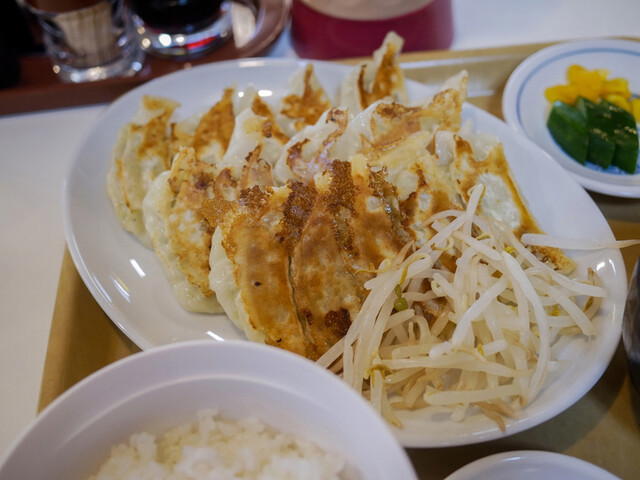
Restaurants in Hamamatsu
All restaurants in Hamamatsu →

Hotels in Hamamatsu
Browse all →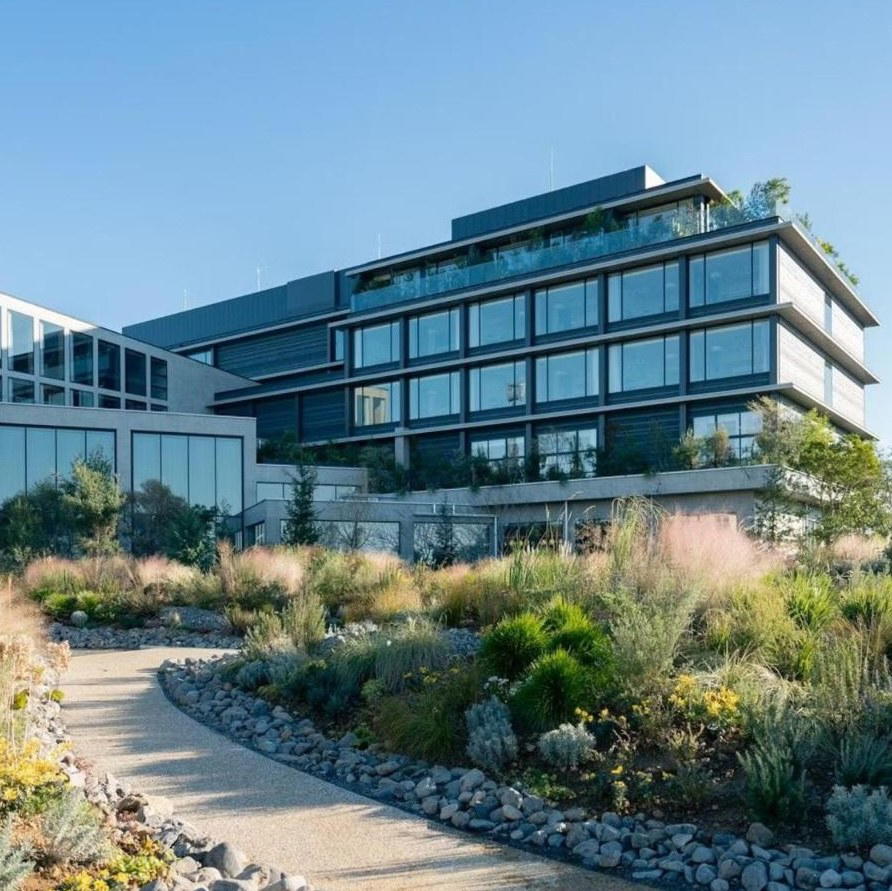
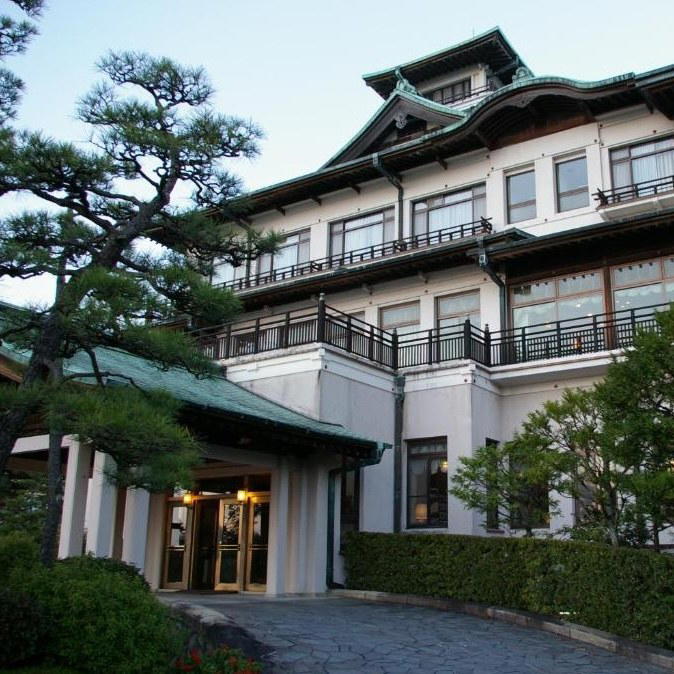
Details
- Classic
- Cozy
- Intimate
- Date Night
- Special Occasion
- Private Event
- Private Dining
- Standalone
- Historic Building
- A La Carte
- Set Menu
- Sake
Traditional, private-room oriented atmosphere with a quiet, intimate feel focused on specialty chicken dishes.