
Tabelog 100 #93
Our verdict
Mutsugiku belongs to Hamamatsu’s gyoza culture rather than Japan’s luxury dining circuit: compact, practical, and judged by repetition. Its Tabelog 100 Dumplings 2024 selection gives the room a national signal, but the appeal is local in scale, tied to the city’s cabbage-led dumpling tradition and station-area eating habits.

Pearl is the En Primeur Club membership app — saves, bookings, and concierge access live there. Same editors, same standards.
- Address
- 静岡県浜松市中央区砂山町356-5
- Phone
- +81534551700
- Website
- mutsugiku.jp
- Directions
- Get directions
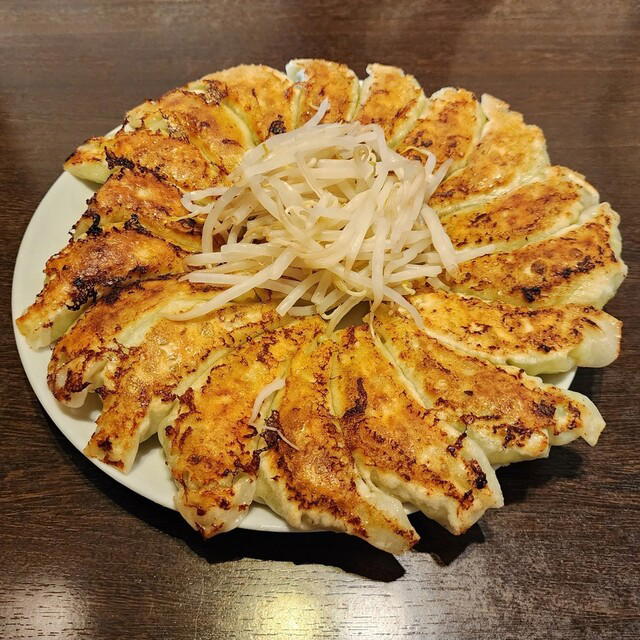
The menu
What to order
- Hamamatsu gyoza
- Half ramen with gyoza
- Hamamatsu gyoza with bean sprouts
In Hamamatsu, the dining rhythm often shifts from destination meals to quick decisions: commuters, families, and dumpling-focused diners moving between small restaurants and long-running casual addresses. Mutsugiku reads less as a trophy table than a working example of why dumplings keep their hold on local appetite. The setting is best understood as casual and practical, suited to diners who want the city’s dumpling culture without ceremony.
Hamamatsu’s dumpling identity is everyday rather than luxurious. The city is widely associated with dumplings, and the distinction matters for travellers trying to understand why the dish functions as more than a side order. The tradition reflects local appetite and practical urban eating: filling, repeatable food that entered the city’s restaurant grammar.
Hamamatsu dumplings, judged by repetition rather than ceremony
Serious dumpling shops in Hamamatsu do not mimic kaiseki pacing or Tokyo counter formality. Their credibility comes from turnover, consistency, and clear expression of a local casual template. Mutsugiku’s selection for Tabelog 100 Dumplings 2024 places it inside a national list that filters specialist cooking, where narrow focus matters more than menu breadth.
The listed categories also tell a useful story. Dumplings sit beside ramen and tripe rather than a long izakaya catalogue, keeping the emphasis on casual Japanese comfort food. For travellers expecting one definitive plate, the better reading is broader: dumplings here belong to a compact, practical meal structure, not staged as a tasting format. The city’s dumpling culture rewards appetite and timing more than ceremony.
The quiet engine of the style is balance. In dumplings, the point is not rare luxury ingredients but how the filling, wrapper, heat, and timing behave together when cooked repeatedly. That is why Hamamatsu’s dumpling culture can feel more precise than its casual reputation suggests: the pleasure is structural, not decorative.
A low-price specialist in a city that also eats expensively
Hamamatsu is often framed through eel, which can distort expectations. Unagi Ryori Atsumi occupies a different spending lane from the casual dumpling tier. Torihama sits in another local bracket again. Against those local comparators, Mutsugiku belongs to the democratic side of the city’s food culture: a specialist address where the barrier is appetite, timing, and the realities of casual dining rather than luxury pricing.
That contrast helps plan a Hamamatsu food day. Eel carries ceremony, local history, and a larger bill. Dumplings carry pace. They should not be ranked as if answering the same question. One is a regional set piece; the other is a local habit sharpened into a restaurant category. For a wider itinerary, Our full Hamamatsu restaurants guide gives the broader dining frame, while Our full Hamamatsu hotels guide, Our full Hamamatsu bars guide, Our full Hamamatsu wineries guide, and Our full Hamamatsu experiences guide help separate a quick meal from a full city stay.
The broader Shizuoka and Japan context matters too. Hamamatsu does not have Tokyo’s dining density, so national recognition in a narrow category carries weight. Other regional dining rooms show how the prefecture’s restaurant map can move between different techniques, formats, and levels of formality. Dumplings are one place where Hamamatsu speaks in its own accent.
How to read the room before ordering
The casual scale is part of the experience. This is not a room to approach with luxury-restaurant assumptions; it is better read through pace, appetite, and a clear sense of what the venue is known for. That matters because dumpling shops can feel awkward when judged by the wrong standard. Here, the format keeps attention on a direct, practical meal.
For dumplings, quality control matters because the category depends on timing and texture. The best way to read the meal is through the finished plate rather than through elaborate explanation. A specialist dumpling address succeeds when the cooking feels repeatable, focused, and easy to return to.
The decision is tactical. Treat Mutsugiku as a flexible meal in a Hamamatsu day rather than the fixed centre of an itinerary. Travellers comparing casual Japanese formats beyond Hamamatsu can think generically about how specialist comfort food travels between local habit and destination interest; the useful comparison is not cuisine for cuisine’s sake, but the way a simple format becomes a reason to seek out a place.
The editorial case is simple: this is not a luxury detour, and luxury metrics miss the point. Hamamatsu dumplings are a civic food form built on repetition and affordability. Mutsugiku’s Tabelog 100 Dumplings 2024 recognition and casual positioning point to the same conclusion: go for the city’s dumpling grammar, not ceremony.
Frequently asked questions
What's Mutsugiku's location?
Hamamatsu.
What should I budget for a meal at Mutsugiku?
Pricing at Mutsugiku is listed as Dinner: JPY 1,000 - JPY 1,999; Lunch: - JPY 999.
What's the best way to book Mutsugiku?
Use the listed phone number, +81-53-455-1700, to confirm current details before going to Mutsugiku in Hamamatsu.
What is Mutsugiku known for?
Mutsugiku is listed for dumpling, ramen, and tripe, and was selected for Tabelog 100 Dumplings 2024.
Quick Comparison
Comparable venues by cuisine and price in the same metro.
| Venue | Cuisine | Price | Awards | Notes |
|---|---|---|---|---|
| MutsugikuThis venue — the venue you are viewing | Hamamatsu gyoza specialist | $10–20 | Tabelog 100 #93 | Not listed |
| Kiyo | Traditional Hamamatsu gyoza & horumon | $10–20 | Tabelog 100 #65 | Naka Ward (Kamoe) |
| Torihama | Traditional Japanese Chicken Specialty | Not listed | Tabelog 100 #74 | Naka-ku |
| Tenkin | Traditional Tempura & Tendon Counter | $30–50 | Tabelog 100 #50 | Tamachi, Chuo Ward |
| Yoshitomo | High-end Tempura Omakase | $100–150 | Tabelog 100 #53 | Chuo Ward, Hamamatsu City |
| Unagi Ryori Atsumi | Traditional Unagi (eel) Restaurant | $20–30 | Tabelog 100 #92 | Chuo-ku |
Recognition history
Dated appearances from independent guides and award organizations, with the underlying list record or original source where available.
Tabelog 100 #93 · No. 93
Tabelog · Tabelog 100 - Dumplings - 2024
Continue exploring
More in Hamamatsu
Restaurants in Hamamatsu
Browse all →


Details
- Lively
- Classic
- Cozy
- Solo
- Family
- Casual Hangout
- After Work
- Group Dining
- Standalone
- Sake Program
- Beer Program
- Local Sourcing
- A La Carte
- Counter Dining
- Sake
- Beer
- Pescatarian Friendly
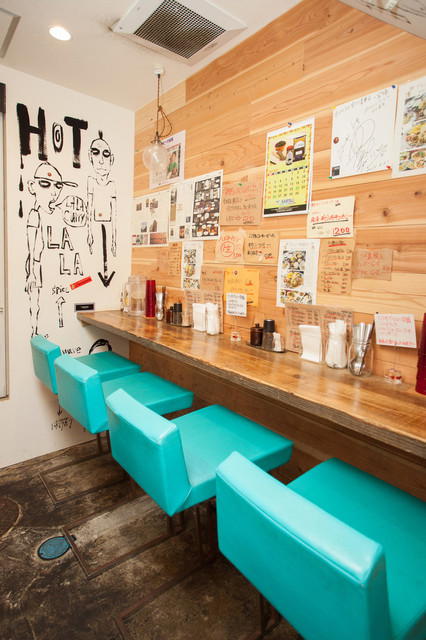
Simple, no-frills gyoza shop with counter and small tables, a bustling, lively atmosphere near the station and a classic local-spot feel rather than a design-driven space.