
Tabelog 100 #51
Our verdict
Kibori belongs to Hamamatsu’s practical gyoza culture rather than Japan’s luxury dining circuit: compact, local, and built around repeat eating. Its selection for Tabelog 100 - Dumplings - 2024 gives it a national signal, while the house-restaurant format, counter seating, tatami tables, take-out service, and family-friendly setting keep the experience firmly grounded in everyday Shizuoka dining.

Pearl is the En Primeur Club membership app, where members save venues, book tables and use the concierge.
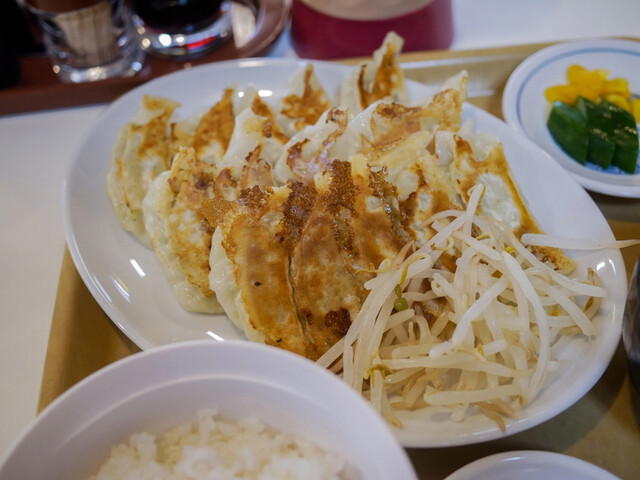
The menu
What to order
- Hamamatsu pan-fried gyoza
- Gyoza set meal
- Ramen with gyoza
Approaching a house-style restaurant in Hamamatsu for gyoza is a different proposition from entering a chef-led counter in a larger city. The cues are modest: a local room, casual service, everyday traffic, and the expectation that dumplings belong to regular life rather than ceremony. Kibori fits that register, and that is the point. Hamamatsu gyoza has never needed luxury language to make its case; it works through repetition, heat, sharing, and the rhythm of a table ordering enough for a casual meal.
Hamamatsu’s dumpling identity sits alongside Utsunomiya in Japan’s gyoza conversation, but the city’s appeal is less about spectacle than civic habit. The local dining culture matters here because gyoza is commonly treated as everyday food rather than a special-occasion performance. That backdrop gives the category its local logic: dumplings that are approachable enough for families, direct enough for workers, and familiar enough to anchor local restaurants.
Hamamatsu gyoza works because the sourcing story is local, not theatrical
The strongest version of Hamamatsu gyoza is not defined by luxury cues. It is defined by ordinary cooking handled with consistency. The dining culture prizes balance over excess, and that matters for travellers because the city’s gyoza shops are not miniature versions of metropolitan tasting counters. They are part of a regional food economy where quick service, casual formats, and everyday demand shape the meal.
Kibori’s recognition on Tabelog 100 - Dumplings - 2024 places it inside a selective national conversation about gyoza while leaving the experience in the category where it belongs: everyday Japanese dining. The same listing identifies dumplings, ramen, and cafeteria cooking rather than a narrow tasting-menu format, which tells experienced diners what to expect. This is a local specialist with supporting comfort-food range, not a destination built around formal progression.
That distinction is useful when comparing Hamamatsu tables. Kibori occupies a casual price band, with dinner and lunch both listed at JPY 1,000 - JPY 1,999, and therefore competes on repeatability as much as reputation. In a city where gyoza is part of daily eating, that lower band is not a compromise; it is often where the category feels closest to its purpose. For broader city context, Our full Hamamatsu restaurants guide is the better starting point than a single-name checklist.
A room built for turnover, families, and everyday eating
The format tells its own story. A casual local restaurant puts solo diners, pairs, and families into the same ecosystem. Quick dumpling-and-ramen meals sit comfortably beside more relaxed group meals, while the cafeteria register keeps the experience direct. The local signal is clear: dumplings here are not confined to restaurant ritual, they belong to the everyday table.
That practical design also separates Hamamatsu gyoza from the reservation-led dining culture that dominates many premium Japan itineraries. The pleasure is not in securing a scarce seat months ahead. It is in understanding why a low-cost dumpling room can carry national recognition without abandoning the habits that made it relevant locally. Restaurants such as ビストロ ア ターブル, Kohane, 焼き鳥幸羽(こはね), Kiyo, and Rin map other sides of Hamamatsu dining, but gyoza occupies a civic lane of its own.
There is a useful editorial filter for this kind of place: judge it against other regional specialists, not against luxury restaurants. A traveller building a Hamamatsu food day might pair gyoza with other local dining, rather than forcing every meal into the same hierarchy. Nearby and regional reading can include other Japanese everyday dining rooms, each pointing to a different way casual formats become serious without becoming formal.
How to place it in a Hamamatsu itinerary
The decision is simple: come for a grounded gyoza meal, not for a chef biography or a luxury service arc. Kibori makes sense for diners who want a recognised dumpling address that retains the plainspoken mechanics of the category. Its Tabelog score is listed at 3.67, and its categories are dumpling, ramen, and cafeteria, which is exactly the frame to keep in mind when planning the stop.
For a wider trip plan, food should not be isolated from the city’s other travel layers. Our full Hamamatsu hotels guide, Our full Hamamatsu bars guide, Our full Hamamatsu wineries guide, and Our full Hamamatsu experiences guide help place the meal within a broader stay rather than treating gyoza as a single stop. Travellers extending the route through Japan can also compare category-led dining elsewhere, from casual specialist counters to neighbourhood rooms and focused comfort-food formats. For wider context on casual Japanese formats, other examples show how focused categories can be understood beyond one city.
The editorial read is clear: this is a nationally recognised gyoza address that remains attached to Hamamatsu’s working food culture. The draw is not rarity. It is the discipline of a local format that still knows its audience.
Frequently asked questions
Is Kibori child-friendly?
Kibori is a casual Hamamatsu restaurant in the dumpling, ramen, and cafeteria categories, which makes it a practical choice for an everyday meal. Its listed lunch and dinner budget of JPY 1,000 - JPY 1,999 keeps it accessible for a casual stop. Check the venue's official channels for the latest details.
Is Kibori better for a quiet night or a lively one?
Kibori fits a casual meal more than a formal quiet night. Its public listing places it in the dumpling, ramen, and cafeteria categories, so the expectation should be practical everyday dining rather than a hushed luxury room. It is a grounded stop in Hamamatsu.
Is Kibori expensive?
Pricing at Kibori is listed as JPY 1,000 - JPY 1,999 JPY 1,000 - JPY 1,999.
What are the operating hours at Kibori?
Current operating hours for Kibori are not provided here. Check the venue's official channels or call +81-53-447-5737 for the latest details before visiting.
How do I find Kibori?
Hamamatsu.
Fast Comparison
Comparable venues by cuisine and price in the same metro.
| Venue | Cuisine | Price | Awards | Notes |
|---|---|---|---|---|
| KiboriThis venue (the venue you are viewing) | Hamamatsu gyoza & ramen shop | $10–20 | Tabelog 100 #51 | Not listed |
| ビストロ ア ターブル | French Bistro | $20–30 | Not listed | Tomioka |
| LaLa Curry | Sri Lankan & Japanese-style curry | $10–20 | Tabelog 100 #53 | Naka Ward |
| Liebling | Cake Shop / Patisserie | Not listed | Tabelog 100 #37 | Kita-ku |
| Unagi Ryori Atsumi | Traditional Unagi (eel) Restaurant | $20–30 | Tabelog 100 #92 | Chuo-ku |
| Tenkin | Traditional Tempura & Tendon Counter | $30–50 | Tabelog 100 #50 | Tamachi, Chuo Ward |
Recognition history
Dated appearances from independent guides and award organizations, with the underlying list record or original source where available.
Tabelog 100 #51 · No. 51
Tabelog · Tabelog 100 - Dumplings - 2024
Continue exploring
More in Hamamatsu
Restaurants in Hamamatsu
All restaurants in Hamamatsu →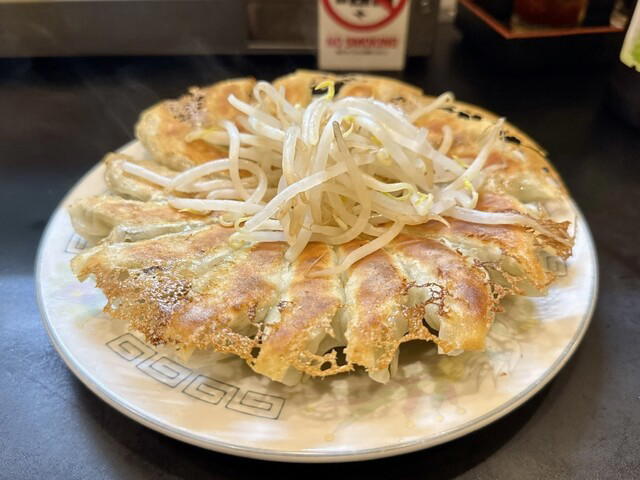

Hotels in Hamamatsu
Browse all →
Details
- Cozy
- Lively
- Classic
- Family
- Casual Hangout
- Group Dining
- Solo
- After Work
- Standalone
- Design Destination
- Beer Program
- A La Carte
- Set Menu
- Counter Dining
- Beer
Current opening hours
- Monday
- 11:30 AM–2:20 PM, 4:30–8:50 PM
- Tuesday
- 11:30 AM–2:20 PM, 4:30–8:50 PM
- Wednesday
- Closed
- Thursday
- Closed
- Friday
- 11:30 AM–2:20 PM, 4:30–8:50 PM
- Saturday
- 11:30 AM–2:20 PM, 4:30–8:50 PM
- Sunday
- 11:30 AM–2:20 PM, 4:30–8:50 PM
Hours can change for holidays and private events. Last verified .
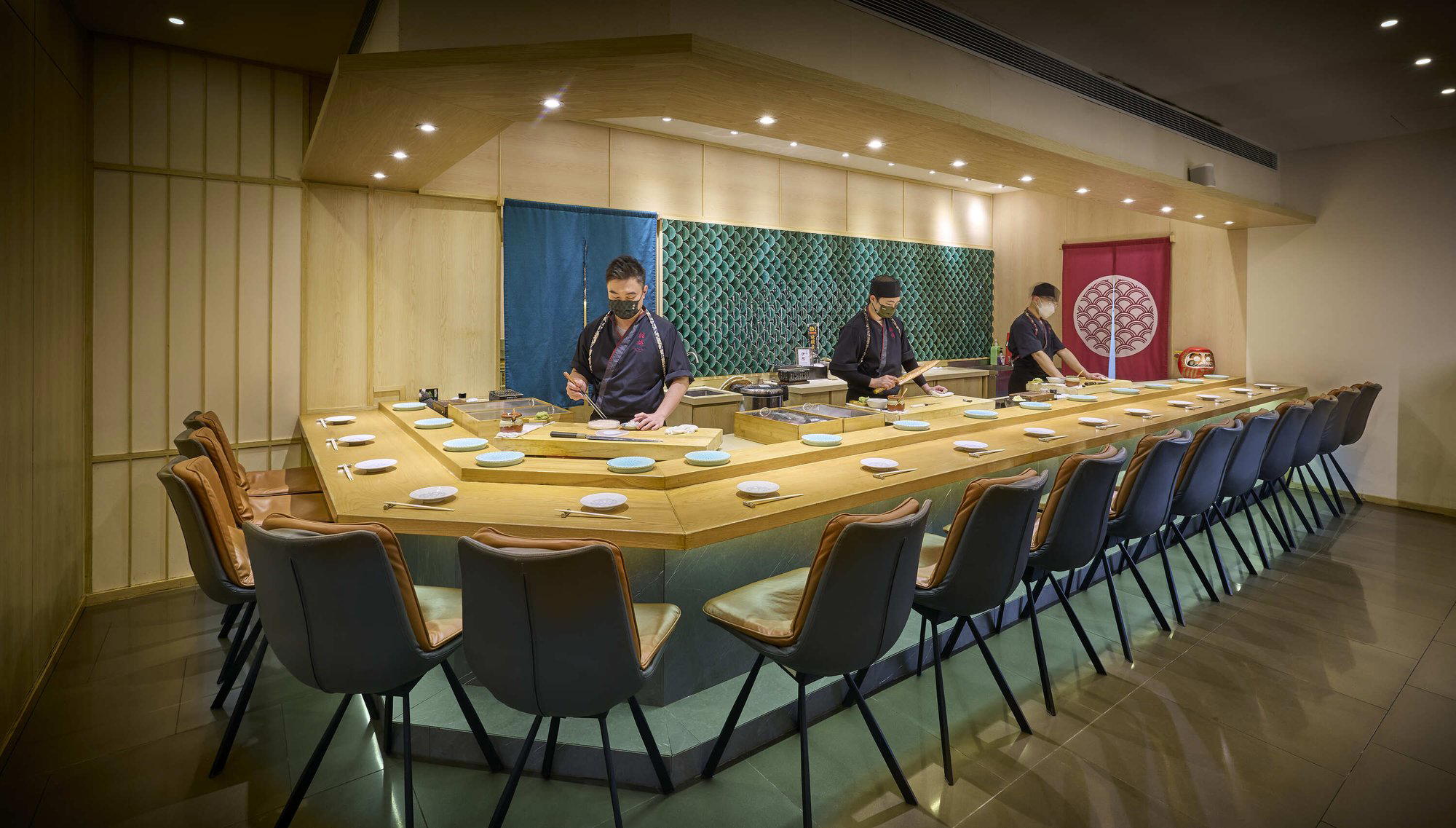
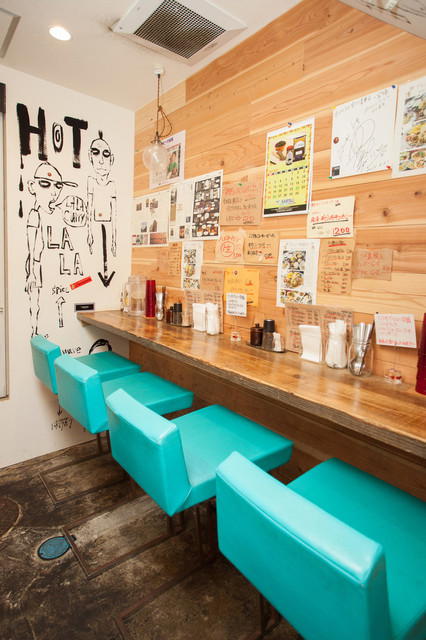
Casual, house-like neighborhood spot with U-shaped counters and tatami seating, a relaxed, bustling feel, and the lived-in charm of a classic local gyoza joint rather than a polished design destination.