Set along the Saint James coastline in Holetown, The Tides is one of Barbados's most recognised waterfront dining addresses, drawing on the island's seafood heritage and local produce traditions. The setting positions it firmly within the West Coast's premium dining tier, where the quality of what arrives from sea and shore matters as much as what happens in the kitchen.
 Discover on Pearl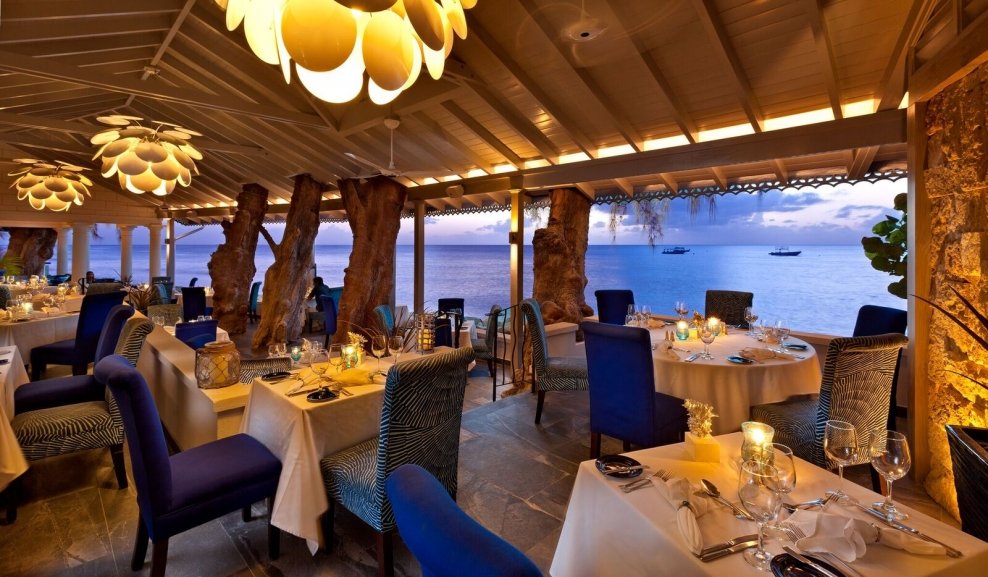
Where the West Coast Puts Food on the Table
Holetown sits at the centre of Barbados's West Coast dining corridor, the stretch of Saint James parish that has accumulated the island's highest concentration of fine-dining rooms over the past three decades. The restaurants that have lasted here share a common logic: proximity to the Caribbean Sea is not just an aesthetic asset but a supply-chain one. When the day's catch moves directly from the water to the pass, the kitchen's job shifts from transformation to restraint. The Tides Barbados operates within that tradition, holding a waterfront position on the Saint James coast that places it among the addresses serious diners plan around when visiting this part of the island.
The approach that defines the better West Coast restaurants is sourcing discipline. Barbados has a functioning artisanal fishing culture, with flying fish, mahi-mahi, red snapper, and kingfish available through direct-to-kitchen channels that bypass the longer supply chains of larger markets. For restaurants willing to work within a daily variable supply model rather than locking in a fixed menu, the reward is produce at a freshness level that changes the character of the dish entirely. This is the structural argument for waterfront dining on the West Coast, and it is the context in which The Tides earns its reputation.
The shortlist, unlocked.
Hard-to-book tables, cellar releases, and concierge-planned trips.
Get Exclusive Access →The Saint James Dining Tier
Positioning matters on the West Coast. Holetown and its immediate surroundings now host a range of dining options that span from casual beach bars to white-tablecloth rooms that price against comparable addresses in London or New York. The Tides sits in the upper register of that range, competing for the same evening reservation as The Cliff in Durants and The Lone Star in Mount Standfast, two of the other consistently cited West Coast addresses. What separates these rooms is not price alone but format and setting. The Cliff is known for its dramatic clifftop position over the sea; The Lone Star draws a crowd that skews toward the celebrity-villa visitor. The Tides occupies a different register: a garden and waterfront setting that reads as more considered, less theatrical.
For context on the wider island dining picture, L'Azure in St Philip represents the south and east coast alternative for formal dining, while Waterfront Cafe in Bridgetown serves a different function entirely as a casual harbour-side option in the capital. The West Coast premium tier, of which The Tides is part, is a distinct category: it prices higher, expects longer reservation windows, and draws a visitor profile that tends toward repeat Barbados travellers rather than first-timers working through a list.
Sourcing, Seasonality, and the Island's Food Geography
Understanding what makes a West Coast restaurant worth the premium requires understanding how Barbados sources food. The island is small enough that a committed kitchen can maintain direct relationships with specific boat captains and market vendors, but it is also a net food importer, meaning that produce sourcing involves genuine curation rather than passive procurement. Restaurants at the level of The Tides are expected to do that curation actively: to know which local farms are producing ground provisions (yams, sweet potatoes, breadfruit, eddoes) worth putting on a menu, and to build dishes around what the Caribbean calendar actually provides rather than defaulting to imported ingredients year-round.
Flying fish, the national dish's central ingredient, is most abundant between December and June, which coincides with Barbados's high season. For visitors arriving in that window, the case for eating the local catch at a kitchen with the sourcing relationships to get it fresh is direct. Outside that period, the sea still produces, but the mix shifts. A kitchen that communicates this honestly to its guests, adjusting what it presents by season rather than holding a fixed card, signals something about its operating standards.
This dynamic is worth comparing against what the island's more casual end offers. Uncle George's Fish Net Grill inside Oistins Fish Market and Uncle George's Fish Net Grill in Oistins are the reference points for direct, no-ceremony fish at Oistins Bay Garden, where the catch-to-plate model operates at its most immediate. The West Coast formal dining tier offers a different proposition: the same sourcing discipline applied to a more structured service and a setting built for a longer, more deliberate meal.
The Physical Setting and Its Role in the Experience
West Coast dining rooms have learned that the sea view is not a bonus feature but an active part of the proposition. Arriving at a waterfront table as the sun drops and the Caribbean shifts from turquoise to deep blue is a specific sensory experience that no interior room can replicate, and the better restaurants on this coast have built their physical layouts to maximise it. Garden settings, open-air structures, and proximity to the waterline are deliberate architectural choices, not accidents of real estate. The Tides is positioned to take advantage of exactly this, with a setting that supports the kind of evening where the pace of the meal and the pace of the light feel coordinated.
For those exploring the broader Holetown and Saint James area, our full Holetown restaurants guide covers the complete range of options across price points and formats. The West Coast offers enough variety that a week-long stay can move between registers without repetition: from the market energy of Oistins to the quieter, produce-driven rooms like The Orange Street Grocer in Speightstown further north, and the beach-casual pleasure of Daphne's in Bay Beach.
Planning Your Visit
The Tides draws a repeat visitor crowd, which means reservations during high season (December through April) fill ahead of the date in a way that casual last-minute dining does not accommodate. Booking a week or more in advance for peak-season evenings is the practical standard for this tier of West Coast dining. The room suits a slower pace: this is not a venue for a quick dinner before an event, but for an evening built around the meal itself. Dress code expectations on the West Coast at this level tend toward smart-casual at minimum, with the majority of guests arriving in resort-formal attire for dinner. The location in Holetown puts it within easy reach of the major hotel clusters along Saint James, making it accessible without a long transfer for most West Coast visitors.
Frequently Asked Questions
- Is The Tides Barbados suitable for children?
- The Tides sits in the upper-end of Holetown's dining tier, where the pace and format are calibrated for adults wanting a full evening meal rather than a quick family dinner.
- Is The Tides Barbados better for a quiet night or a lively one?
- The West Coast's premium dining rooms, including The Tides, consistently skew toward the quieter end of the spectrum. Holetown's upscale restaurant tier is built for conversation-first evenings rather than high-energy social dining; if the latter is the goal, the Oistins Fish Market on the south coast runs to a different rhythm entirely.
- What should I order at The Tides Barbados?
- Let the catch drive the decision. The West Coast kitchens at this level are built around fresh Caribbean seafood, and the menu at any given visit reflects what has come in. Ask the floor staff what arrived that day and structure the meal around it rather than defaulting to the fixed options.
- Is The Tides Barbados reservation-only?
- At the price point and profile of this tier of West Coast dining in Barbados, walking in without a reservation during high season carries significant risk. Book at least a week in advance between December and April, and confirm the reservation closer to the date.
- What's The Tides Barbados leading at?
- The case for The Tides rests on its sourcing position and setting combination. The waterfront location on the Saint James coast, combined with a kitchen working within the island's fresh-catch supply network, makes the seafood-forward menu the reason to book it over comparable Holetown alternatives.
- How does The Tides Barbados compare to other fine-dining options along the West Coast?
- The West Coast premium tier includes several recognised rooms, among them The Cliff in Durants and The Lone Star in Mount Standfast. The Tides differentiates itself through its garden-and-waterfront setting and a sourcing approach oriented toward local Caribbean produce rather than the more internationally styled menus found at some peer addresses. For visitors whose priority is eating what the island actually grows and catches, The Tides sits at the right end of the West Coast spectrum.
How It Stacks Up
These are the closest comparables we have in our database for quick context.
| Venue | Cuisine | Price | Awards | Notes |
|---|---|---|---|---|
| The Tides Barbados | This venue | |||
| The Cliff | Seafood Cuisine | World's 50 Best | Seafood Cuisine | |
| The Lone Star | Caribbean | World's 50 Best | Caribbean | |
| Buzo Osteria Italiana | ||||
| L'Azure | ||||
| Waterfront Cafe |
Need a table?
Our members enjoy priority alerts and concierge-led booking support for the world's most difficult tables.
Get Exclusive AccessThe shortlist, unlocked.
Hard-to-book tables, cellar releases, and concierge-planned trips.
Get Exclusive Access →