The Steakhouse
Our verdict
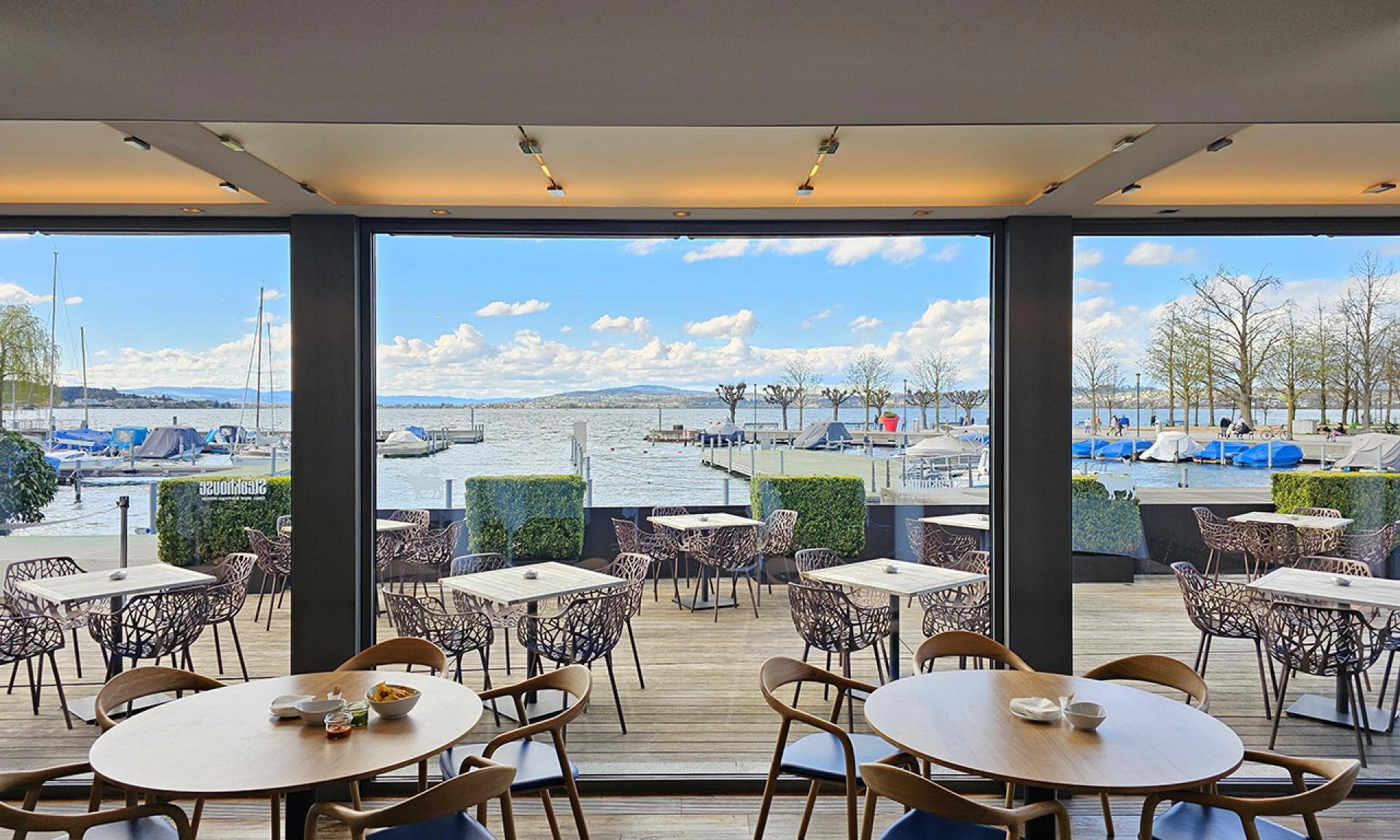
The Steakhouse on Hafenstrasse sits in Lachen, a small Lake Zurich lakeside town that punches above its size for serious dining. With Switzerland's broader steakhouse tradition built around premium Central European and imported beef, this address draws locals and visitors seeking a focused, protein-forward meal away from the canton's more elaborate tasting-menu circuit.

Pearl is the En Primeur Club membership app, where members save venues, book tables and use the concierge.
The menu
What to order
- T-bone steak
- Yellowfin tuna steak
- Holy Trinity Platter
A Lake Zurich Town That Takes Beef Seriously
Lachen occupies a quiet stretch of the lower lake, roughly equidistant between Zurich and the canton of Schwyz, where the pace slows and the dining culture tilts toward the substantive rather than the elaborate. The town's address on Hafenstrasse places The Steakhouse close to the waterfront, in the kind of setting where the building and the street have more presence than any single sign. In Swiss lakeside towns of this scale, the restaurant that earns a local following tends to do so through consistency and product rather than spectacle, because word travels fast when the community is small and return visits are the primary measure.
Switzerland's broader restaurant scene is dominated at its upper end by tasting-menu formats: operations like Schloss Schauenstein in Fürstenau or Memories in Bad Ragaz represent the modern Swiss fine-dining model, where the meal is a structured sequence of courses built around regional identity and chef vision. The steakhouse format sits in a different register entirely. It makes a single, clear commitment: the quality of the primary product, the beef, is the argument. Everything else, the sides, the sauces, the room, functions as supporting evidence.
Where the Product Comes From, and Why It Defines the Category
In the Swiss context, a steakhouse operates within specific sourcing constraints and opportunities that shape what ends up on the plate. Switzerland's domestic cattle tradition runs through breeds adapted to alpine pasture, particularly Simmental and Brown Swiss, both of which produce well-structured beef with good marbling relative to their grass-fed conditions. These are not the heavily marbled Japanese wagyu grades or the long-aged prime cuts familiar from American steakhouse culture, but they carry a distinct mineral quality that reflects the pasture and altitude.
At the premium end of the European import market, Swiss restaurants also draw on Austrian, Irish, and occasionally USDA Prime or certified Angus product, depending on the restaurant's positioning. The sourcing decision is, in practice, an editorial statement: a steakhouse that commits to domestic alpine beef is arguing for terroir; one that imports dry-aged Black Angus is arguing for texture and fat distribution. These are not competing philosophies so much as different answers to the same question about what beef should taste like.
Dry-aging, the process of holding carcass sections in controlled humidity and temperature for anywhere from 21 to 90 days or longer, concentrates flavor and tenderizes through enzymatic action. It has become the standard credentialing technique for serious steakhouse operations across Europe over the past decade. The practice requires dedicated infrastructure, consistent cold storage, and disciplined waste management, since the outer pellicle is trimmed before service. A restaurant that ages in-house is making a larger investment than one that sources pre-aged cuts from a butcher, and the result, in grain, crust, and depth of flavor after a hard sear, tends to justify the difference.
The Steakhouse Format in a Swiss Small-Town Context
Across the lake region between Zurich and the alpine foothills, the dining options divide fairly cleanly between casual lakeside places oriented toward fish and seasonal produce, and the smaller number of meat-focused restaurants that operate year-round and build their identity around the grill. The steakhouse format suits a town like Lachen because it is not seasonal in the way that lighter, produce-driven cooking is. The core product is available twelve months a year, the format works for both a quick midweek dinner and a longer weekend meal, and the price positioning, depending on cut selection, can accommodate a range of occasions without the formality commitment that a tasting-menu restaurant requires.
For visitors exploring the region's broader dining offer, Magdalena in Schwyz and focus ATELIER in Vitznau represent the more structured end of the central Swiss restaurant spectrum, where tasting menus and chef-driven creativity are the primary mode. Colonnade in Lucerne offers a comparison point in a larger city context. The Steakhouse sits in a different category, closer in spirit to the dependable, product-focused format that a town of this size sustains through repeat local custom rather than destination tourism.
Further afield, the Swiss fine-dining circuit includes Cheval Blanc by Peter Knogl in Basel, Hotel de Ville Crissier in Crissier, La Table du Lausanne Palace in Lausanne, and IGNIV Zürich by Andreas Caminada in Zurich, all of which operate in the €€€€ bracket with full tasting formats. Internationally, venues like Le Bernardin in New York City and Atomix in New York City set the global benchmark for category commitment and precision, while Da Vittorio in St. Moritz, Einstein Gourmet in Sankt Gallen, La Brezza in Ascona, L'Atelier Robuchon in Geneva, and 7132 Silver in Vals each occupy distinct positions within Switzerland's wider premium dining geography. The Steakhouse operates in a simpler register, and that simplicity, when the product is sound, is a strength rather than a limitation.
Planning a Visit to Lachen
Lachen is accessible by S-Bahn from Zurich on the line running along the lake's eastern shore, making it a practical destination for a non-city dinner without the logistics of a major hotel stay. The Hafenstrasse address is a short walk from the train station. For the fuller picture of what Lachen offers in dining and the surrounding area, the EP Club Lachen restaurants guide maps the town's options in context. The nearby Oliveiras provides a comparison point within Lachen itself for those weighing the town's dining options across different cuisines.
Frequently asked questions
Does The Steakhouse work for a family meal?
Lachen itself is a small-town setting with a relaxed pace, and a dedicated steakhouse format generally accommodates groups across age ranges better than a tasting-menu restaurant would. The Hafenstrasse 4 address places it in a accessible part of town.
What's the vibe at The Steakhouse?
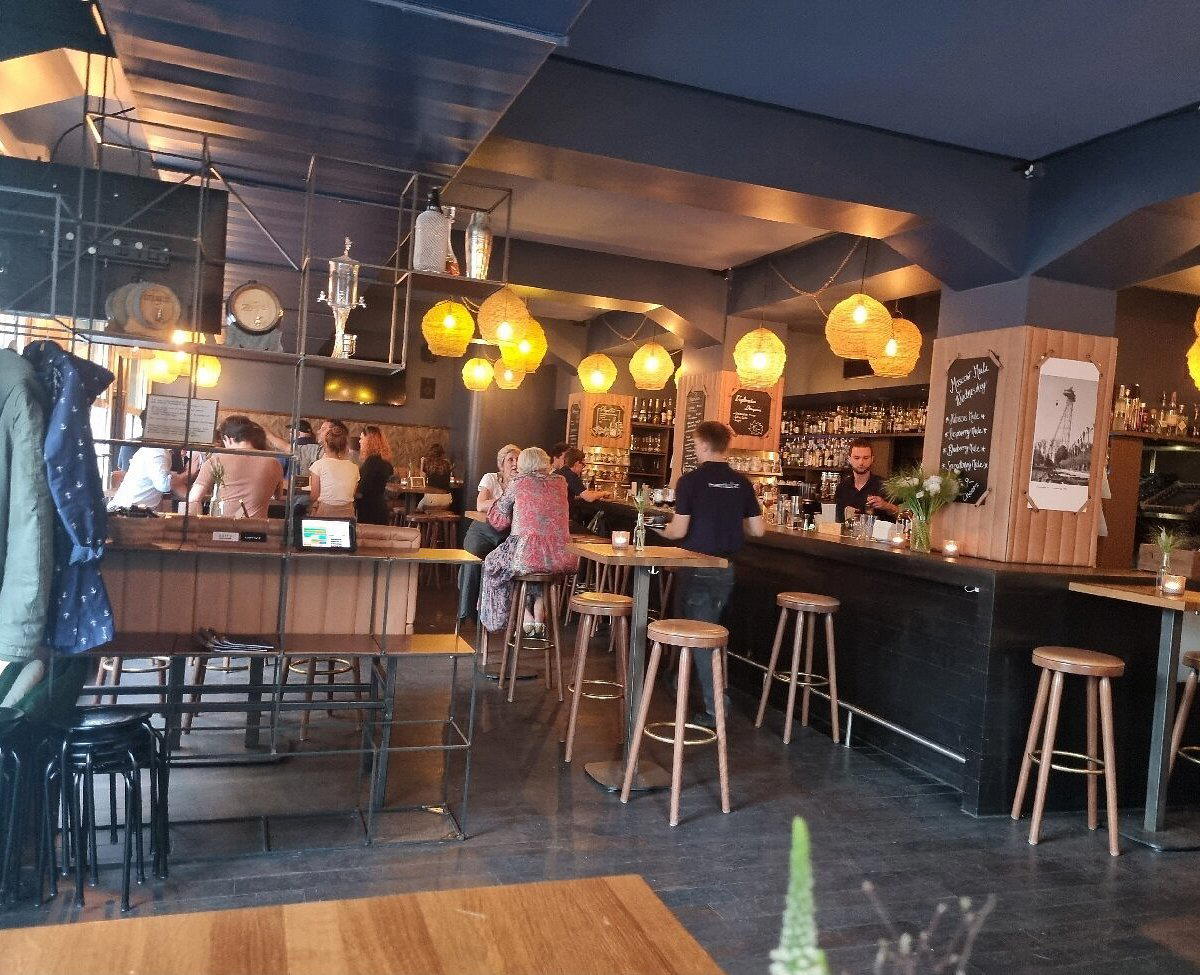
The setting in Lachen, a quiet lake town roughly halfway between Zurich and canton Schwyz, sets the tone: unhurried and removed from city noise. A dedicated steakhouse in this context tends to draw a local crowd alongside visitors arriving by S-Bahn from Zurich, producing a room that leans convivial rather than formal. Think product-focused rather than occasion-dressed.
Is The Steakhouse in Lachen easy to reach from Zurich without a car?
Yes. Lachen sits on the S-Bahn line running along Lake Zurich's eastern shore, making it a practical dinner destination from the city without requiring a car. The address at Hafenstrasse 4 is in the town centre, close to the station. Journey time from Zurich by S-Bahn is typically under an hour, placing Lachen within comfortable reach for an evening out.
What do people recommend at The Steakhouse?
The venue's name signals a clear focus: beef is the category, and in the Swiss context that means sourcing shaped by domestic production standards alongside select imports. Swiss steakhouses in this lake region typically anchor their menus around cuts prepared simply, letting the product carry the plate. Specific dish recommendations are best sourced from current guest reviews or the venue directly.
Where exactly is The Steakhouse?
The Steakhouse is located at Hafenstrasse 4, 8853 Lachen, Switzerland, Lachen.
Side-by-Side Snapshot
Comparable venues nearby, for context on price, style, and recognition.
| Venue | Cuisine | Price | Awards | Notes |
|---|---|---|---|---|
| The SteakhouseThis venue (the venue you are viewing) | Charcoal-Grilled Steakhouse | $50–100 | Not listed | Not listed |
| Oliveiras | Portuguese-Mediterranean Seafood | $50–100 | Michelin Plate | Lachen |
| Bärengasse | Argentine Steakhouse Brasserie | $50–100 | Not listed | Aussersihl |
| Steakhouse Schmitte | Classic Swiss Steakhouse | Not listed | Not listed | Birmenstorf |
| Taratata | Modern Steakhouse Grill | $100–150 | Not listed | Verbier |
| Williams ButchersTable am Hegibachplatz | Premium Steakhouse with Butcher's Counter | $100–150 | Michelin Plate | Hottingen |
Continue exploring
More in Lachen
Restaurants in Lachen
All restaurants in Lachen →
Bars in Lachen
Browse all →

Details
- Elegant
- Cozy
- Scenic
- Date Night
- Group Dining
- Special Occasion
- Waterfront
- Open Kitchen
- Terrace
- Extensive Wine List
- Local Sourcing
- Waterfront
- A La Carte
- Vegetarian Friendly
- Gluten Free Options
Current opening hours
- Monday
- 11:30 AM–2 PM, 6–11 PM
- Tuesday
- 11:30 AM–2 PM, 6–11 PM
- Wednesday
- 11:30 AM–2 PM, 6–11 PM
- Thursday
- 11:30 AM–2 PM, 6–11 PM
- Friday
- 11:30 AM–2 PM, 6–11 PM
- Saturday
- 5:30–11 PM
- Sunday
- 11:30 AM–11 PM
Hours can change for holidays and private events. Hours as of .
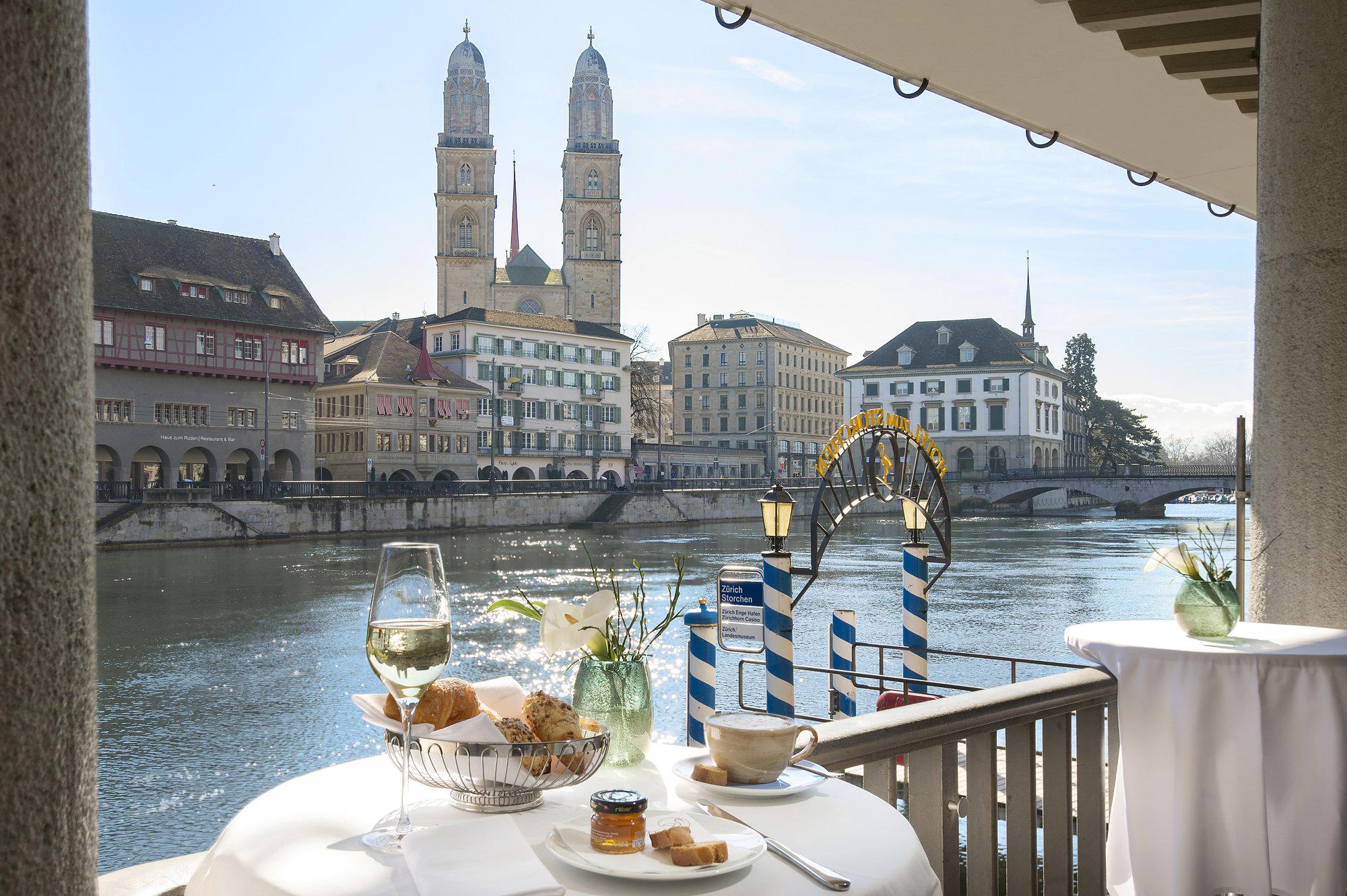
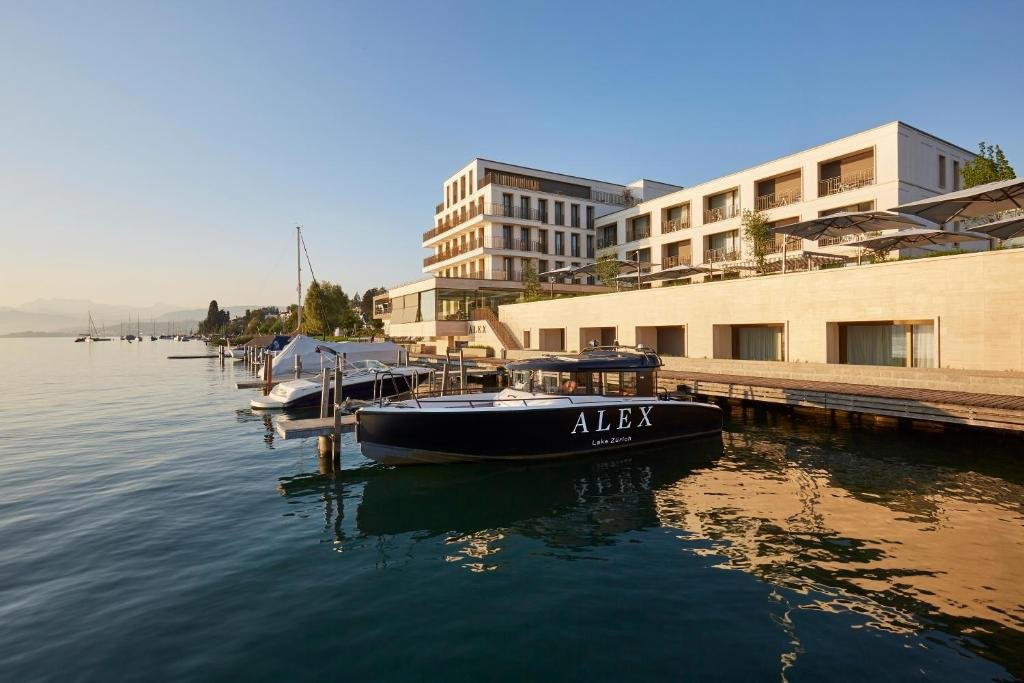
Cozy lakeside atmosphere with warm professional service and waterfront terrace.