The Pig at Bridge Place

A 17th-century country house in the Kent village of Bridge, The Pig at Bridge Place runs on a 25-mile sourcing radius that pulls from its own kitchen garden, Folkestone's fish market, and the broader larder of the Garden of England. The conservatory dining room trades formality for a produce-led informality that has kept the Pig Hotels group's loyal following returning, and expanding.
Pearl is the En Primeur Club membership app — saves, bookings, and concierge access live there. Same editors, same standards.
- Address
- Bourne Park Rd, Bridge, Canterbury CT4 5BH, United Kingdom
- Phone
- +44 345 225 9494
- Website
- thepighotel.com
- Directions
- Get directions
 Saves & bookings on Pearl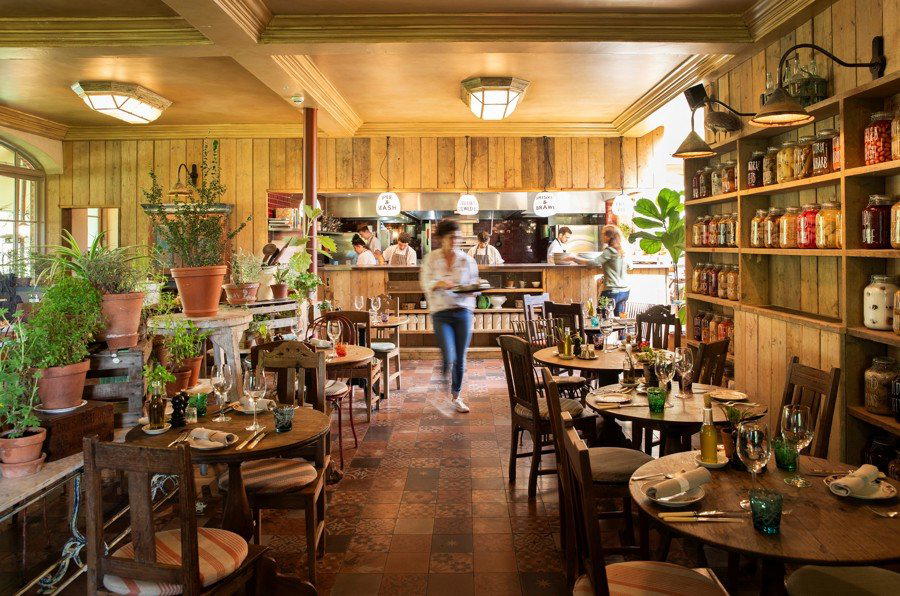
A Country House Running on Kent's Larder
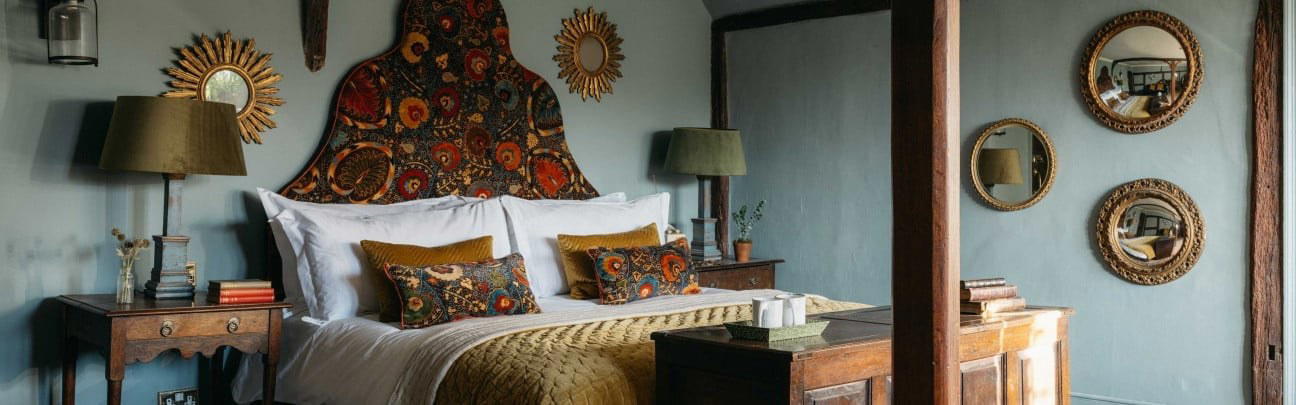
The Pig at Bridge Place is a restaurant in Bridge, near Canterbury, serving British Kitchen Garden cooking at about $70 per person. The approach to The Pig at Bridge Place reinforces that sense of deliberate remove. The 17th-century country house carries its age visibly, panelled walls, open fires, a honeycomb of connecting rooms and passageways that resist the logic of a floor plan. What arrives, once you're inside, is a particular kind of informal formality: comfortable without carelessness, stylish without announcement.
That aesthetic is the house signature of the Pig Hotels group, which has built a consistent identity across its properties around exactly this combination: old buildings, a certain louche ease, and an aggressively local food program. Bridge Place sits within that cohort but earns its place on the strength of its specific geography. Kent, long called the Garden of England, gives the kitchen an unusually well-stocked radius to work with, stone fruit, brassicas, heritage grains, sheep's milk, coastal fish, and the 25-mile sourcing rule here is less a marketing position than a structuring constraint that shapes the menu season by season.
The 25-Mile Menu and What It Actually Means
Hyper-local sourcing has become a standard claim across British country house dining over the past decade, invoked with varying degrees of sincerity. The Pig's version is more disciplined than most. The kitchen maintains its own growing operation on site, which feeds ingredients directly into service, and supplements that with regional producers and market suppliers, including Folkestone's fish market, where coastal catches arrive with the kind of traceability that larger operations struggle to maintain.
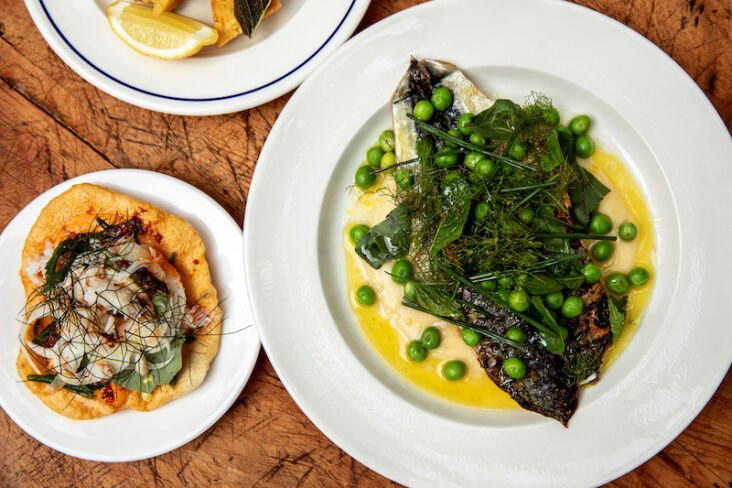
At a late-August lunch, the menu reflected what that supply chain actually looked like at that moment: sardines from Folkestone with garlic butter and roasted shallot; roasted courgettes with toasted hazelnuts and pesto; basil and cavolo nero pappardelle; thrice-cooked chips. These are not dishes that announce themselves. The interest is in provenance and timing, sardines at their oiliest, courgettes before the season tips into over-ripeness, rather than in technical flourish or elaborate presentation.
Where the menu becomes more interesting is in the small gap between its stated localism and its actual culinary influences. European roots push through clearly: pork belly croquettes, venison and pork meatballs, beetroot houmous. The kitchen draws on a broader continental vocabulary while keeping its ingredient sourcing tight. That tension, cooking with European instincts from a Kent larder, gives the food more range than a strictly local-only brief would permit, and it's largely what keeps the cooking from feeling like an exercise in geographic constraint.
For those weighing this approach against the tighter technical programs at places like hide and fox in Saltwood or the more elaborate country house formats you'd find at Le Manoir aux Quat' Saisons in Great Milton, Bridge Place sits firmly in a different register, produce-first and deliberately unfussy rather than technique-forward. That's a deliberate choice, and it's the right one for the audience the Pig group has built.
The Room: Conservatory Style Done Consistently
The dining room operates in what the group describes as a 'chic garden shed' format, conservatory structure, bare tables, shelves of bottled preserves and pickles, plants throughout. It's a formula the Pig has deployed across multiple properties, and by now it functions less as a design decision and more as a recognisable brand environment. Whether that consistency feels reassuring or predictable depends largely on what you're coming for.
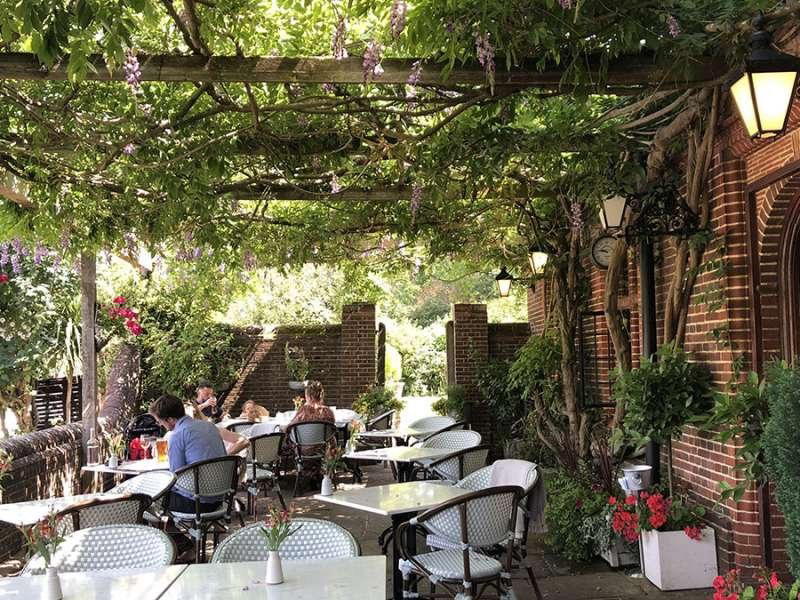
On fine days, alfresco eating extends the room outward, which in high summer gives the whole operation a significantly looser, more expansive feel. The indoor space retains warmth in cooler months through the open fires and close furniture arrangements that make the honeycomb room plan feel intentional rather than accidental. It's a setting that rewards unhurried meals.
Drinks: Kentish Wine and the G&T; Jelly Question
The wine list leans into Kent's growing reputation as a serious wine county, with Kentish names appearing alongside a broader modern European selection. A sommelier is on hand, which at this price point in rural Kent is not a given. The recommendation is to take the advice: the regional selections tend to be better chosen than what you'd pick speculatively from the list.
Cocktails are prominent, which fits the Pig group's general positioning as much bar destination as restaurant. The G&T; jelly topped with lemon sorbet appears on the dessert menu as an alternative to the Kentish cheeseboard, a signal about the kind of meal Bridge Place wants to facilitate. Both options are worth knowing about before you arrive.
Planning Your Visit
Bridge Place is part of the Pig Hotels group, which operates the property as both restaurant and hotel. Staying on site removes the logistics of rural dining without a car, and aligns with the group's general proposition of a two-day retreat rather than a single meal. Day visitors coming solely for lunch or dinner should plan around the limited public transport from Canterbury, a taxi from the city centre takes under fifteen minutes and covers the distance without difficulty.
Booking is advisable rather than optional, particularly through summer and at weekends when the alfresco option draws additional demand. The Pig group's properties have maintained consistent bookings pressure across their estate, and Bridge Place, given its Canterbury adjacency and the relative scarcity of serious kitchens in the immediate area, follows that pattern. For the broader context of dining in and around Bridge, our full Bridge restaurants guide includes the Bridge Arms and other nearby options worth knowing.
If you're building a longer Kent itinerary around this meal,
Side-by-Side Snapshot
Comparable venues nearby, for context on price, style, and recognition.
| Venue | Cuisine | Price | Awards | Notes |
|---|---|---|---|---|
| The Pig at Bridge PlaceThis venue — the venue you are viewing | British Kitchen Garden | $$$ | Not listed | Not listed |
| Bridge Arms | Modern British Gastropub | $$$ | Michelin 1 Star | Bridge |
| The Sportsman | Michelin-starred Modern British gastropub by the sea | $$$ | Not listed | Seasalter |
| Victuals & Co | Contemporary British with European Influences | $$$ | Not listed | Deal |
| Indigo | Modern British Gluten- & Dairy-Free | $$$ | Not listed | Aldwych |
| Davies and Brook | Modern British Fine Dining | $$$$ | Not listed | Mayfair |
Recognition history
Dated appearances from independent guides and award organizations, with the underlying list record or original source where available.
The Good Food Guide GFG Good
The Good Food Guide
Continue exploring
More in Bridge
Restaurants in Bridge
Browse all →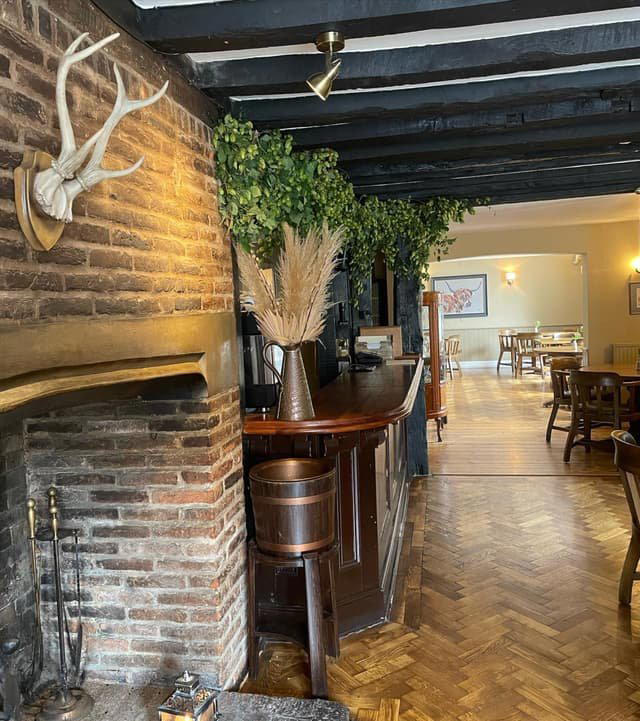
Bars in Bridge
Browse all →

Hotels in Bridge
Browse all →

Wineries in Bridge
Browse all →
At a Glance
- Rustic
- Cozy
- Elegant
- Scenic
- Special Occasion
- Date Night
- Family
- Celebration
- Open Kitchen
- Garden
- Historic Building
- Extensive Wine List
- Farm To Table
- Local Sourcing
- Garden
Charming rustic conservatory-style dining room with eclectic shabby chic decor, open kitchen, shelves of preserved produce, and a cozy fireside atmosphere.