The Mauna Kea Lū'au
Our verdict
Set on the grounds of the Mauna Kea Beach Hotel on Hawaiʻi Island's Kohala Coast, The Mauna Kea Lū'au is one of the Big Island's most established outdoor evening events, framing traditional Polynesian ceremony and Hawaiian food traditions against a Pacific sunset backdrop. The format positions it within a small tier of resort lū'au that treat the meal as a structured cultural occasion rather than a buffet event.

Pearl is the En Primeur Club membership app, where members save venues, book tables and use the concierge.
The menu
What to order
- Kalua pig
- Lomi lomi salmon
- Poi
- Laulau
Where the Pacific Sets the Table
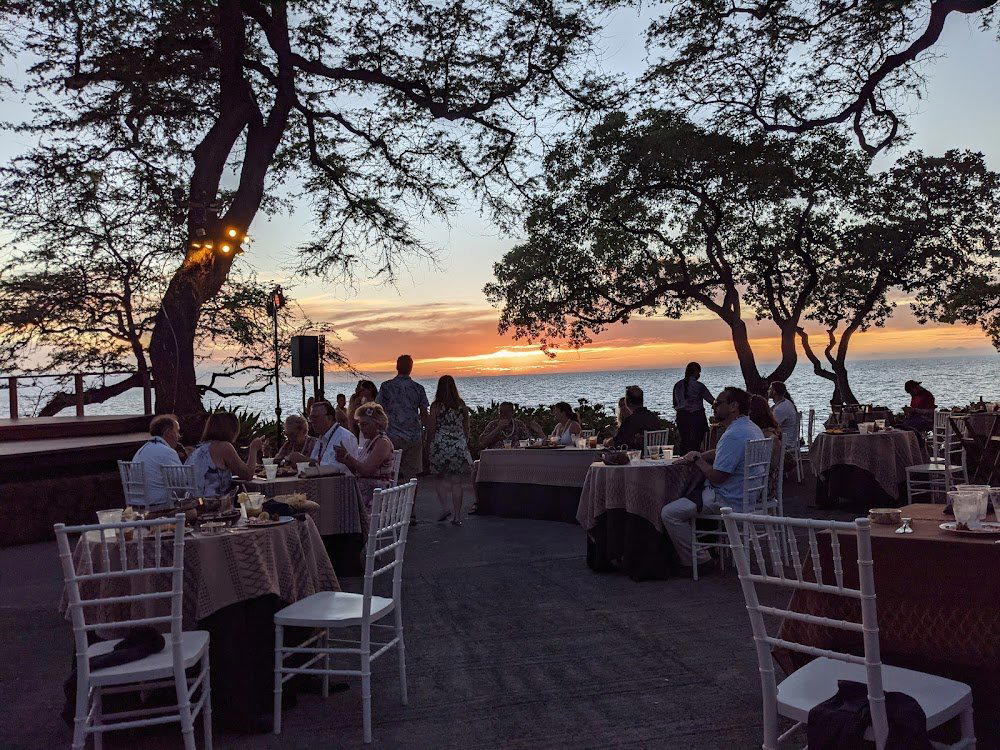
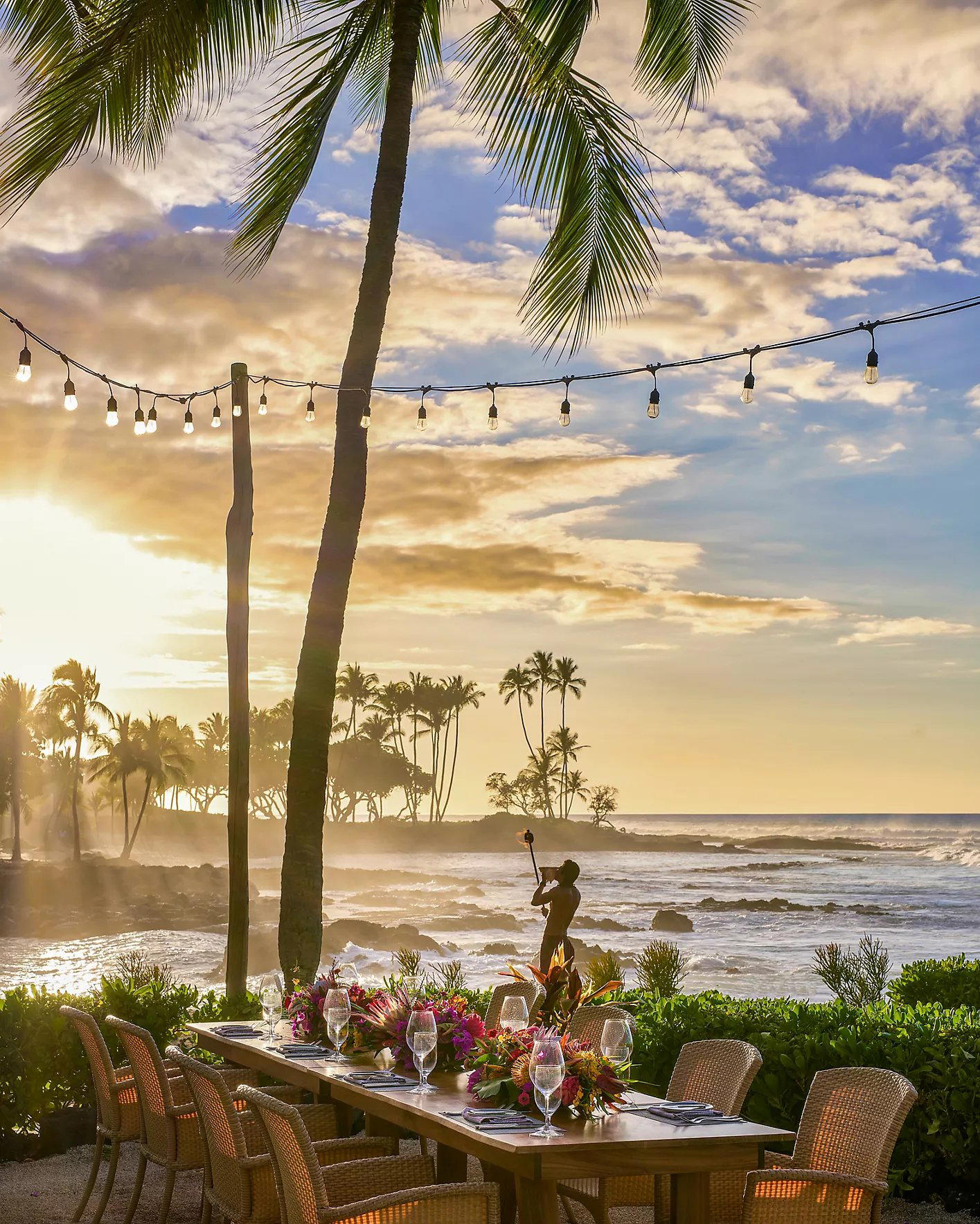
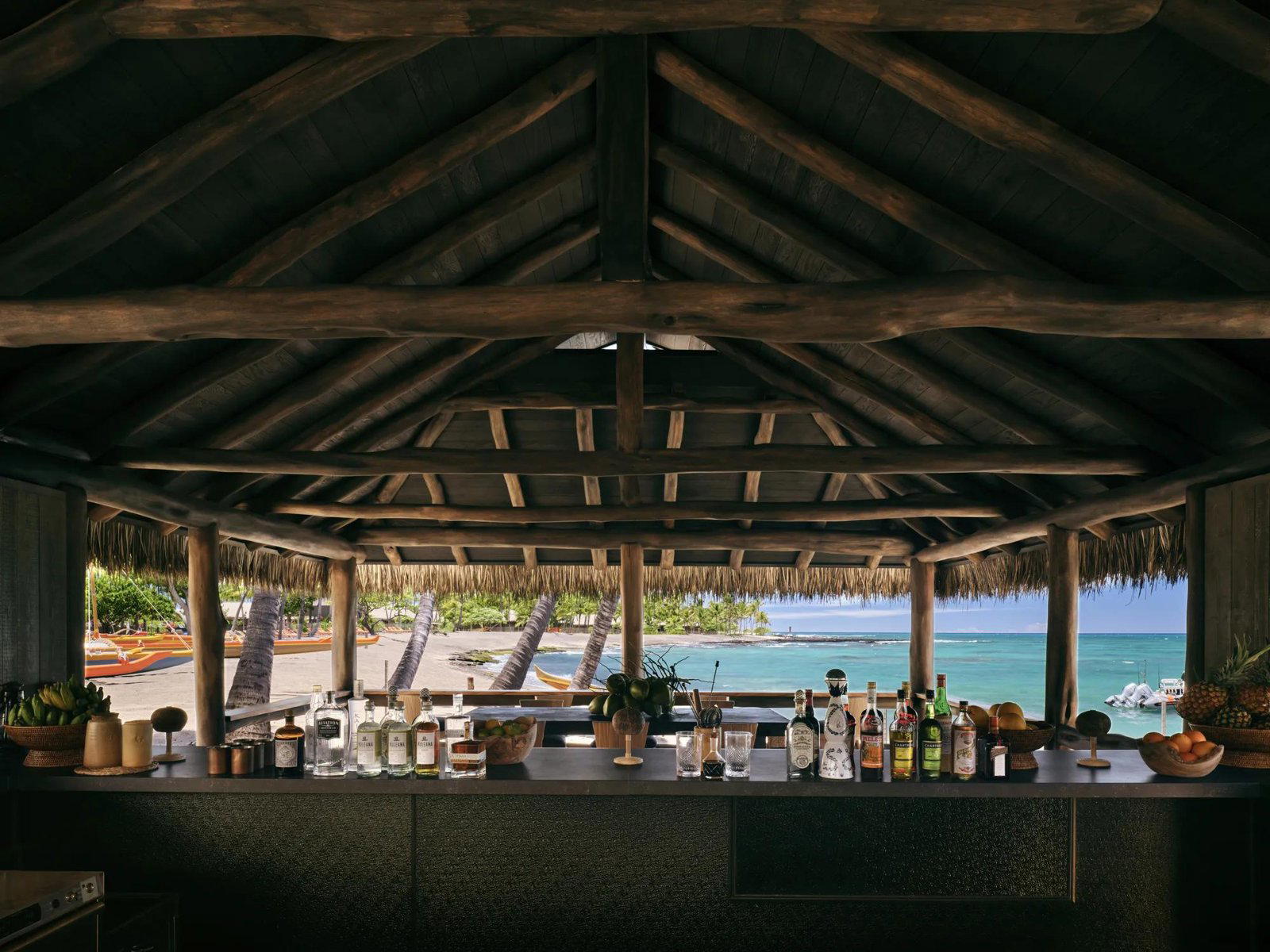
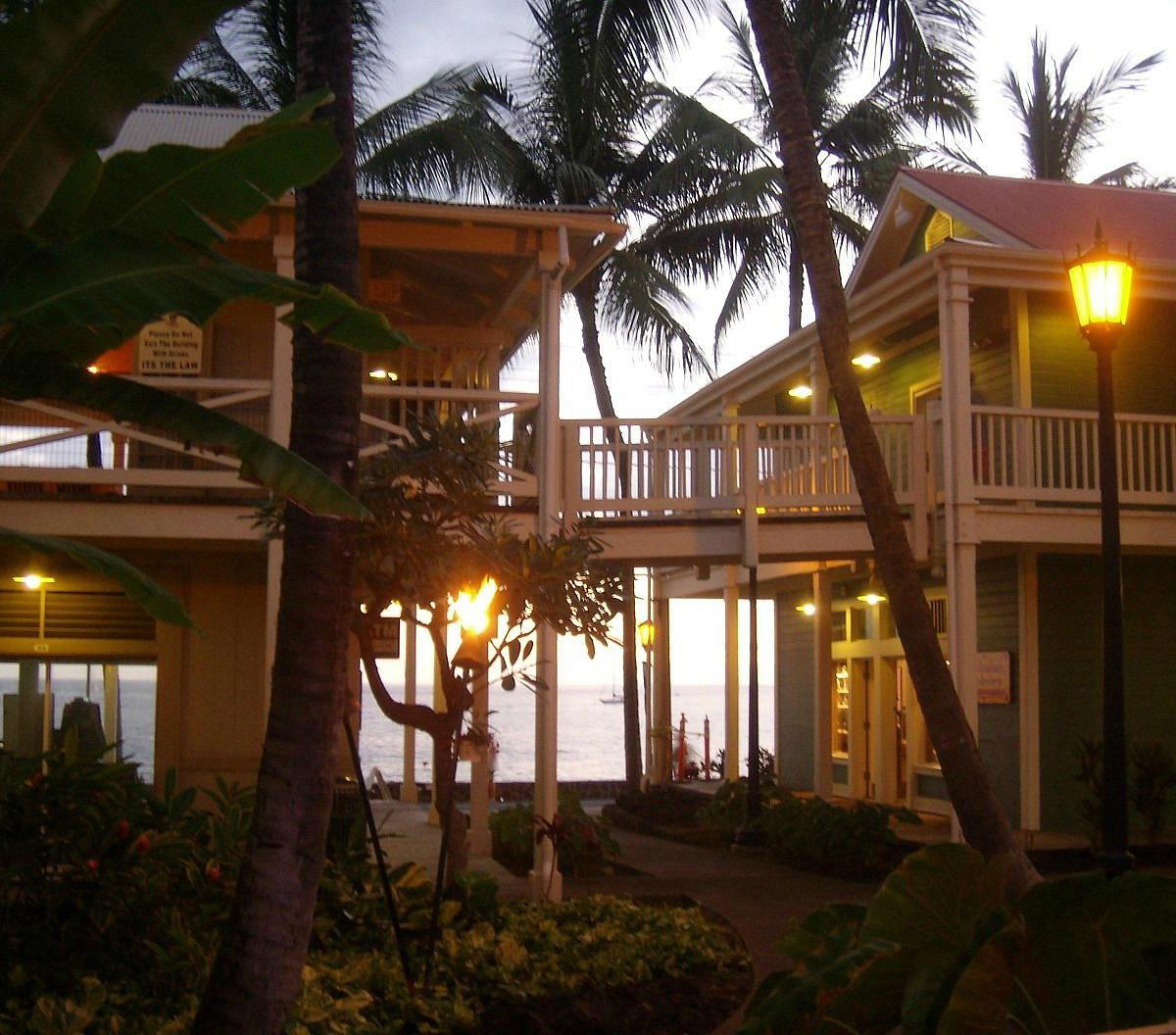
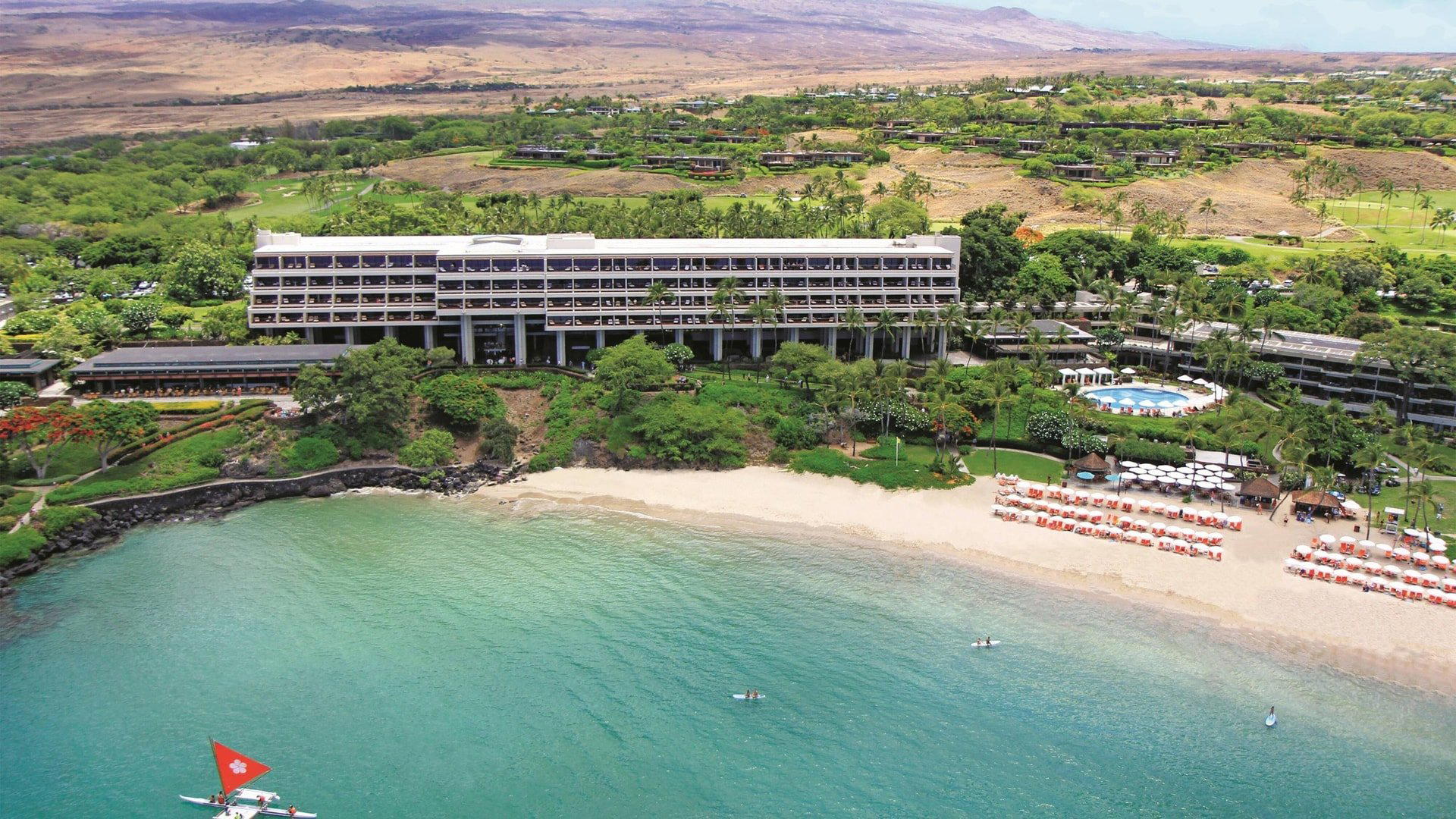
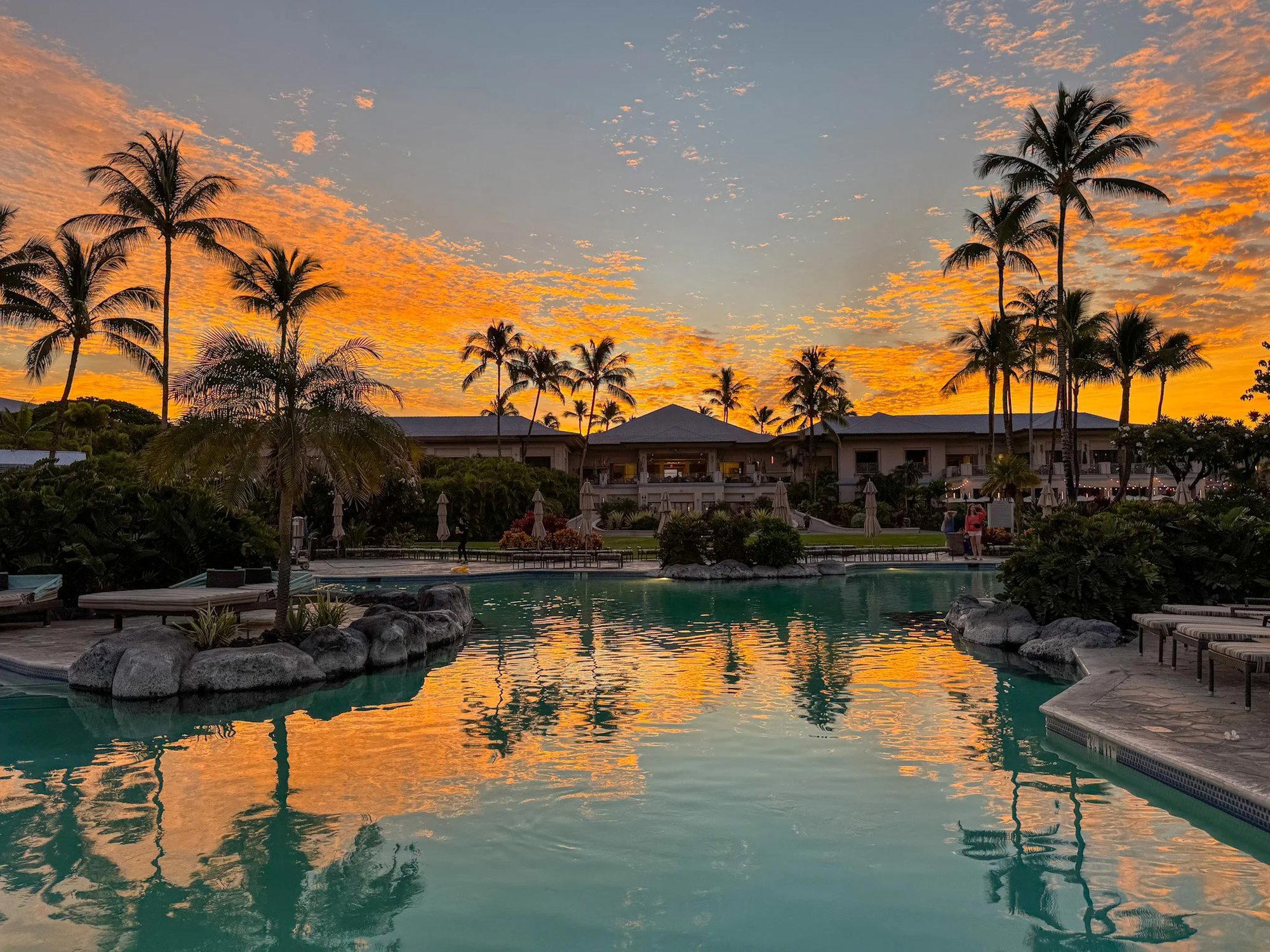
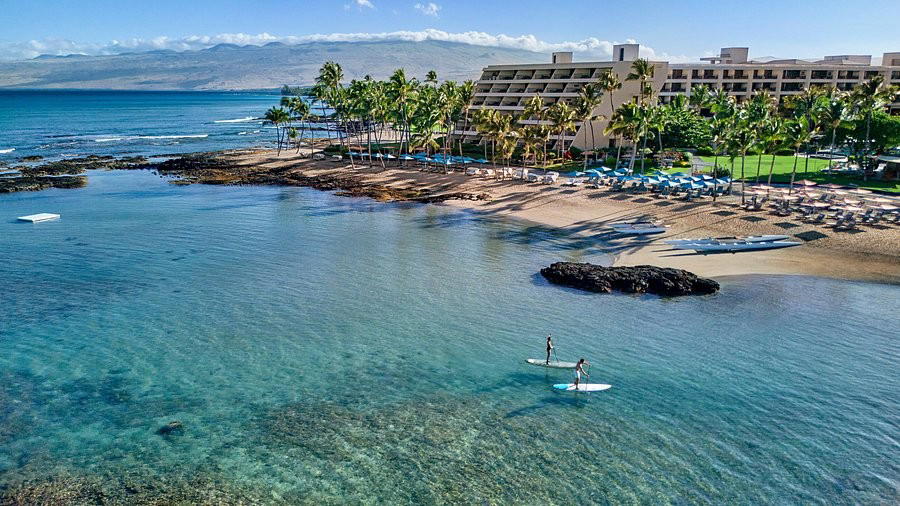
On Hawaiʻi Island's Kohala Coast, as the light drops behind the water and the trade winds pick up off the ocean, outdoor evening events shift from daytime activity to something slower and more deliberate. The Mauna Kea Lū'au takes place on the grounds of the Mauna Kea Beach Hotel at 62-100 Mauna Kea Beach Dr in Waimea, a property that has been part of the Kohala Coast's identity since the 1960s, when Laurance Rockefeller commissioned the hotel as one of the first luxury resorts on the island. The physical setting does significant work here: open-air staging, a view that faces west toward the ocean, and grounds that were designed with enough separation from the main hotel corridors to give the event its own spatial logic. The approach to the event space, with the Pacific visible at the edges, frames what follows before a single plate arrives.
The Kohala Coast sits in a narrower premium tier than most visitors expect. It is not Waikīkī, where volume lū'au operations run nightly for mass tourism. The resorts along this stretch, spread across one of the driest and most geographically specific microclimates in the Hawaiian Islands, have historically operated in a different register: fewer guests, longer stays, higher average spend per night. The lū'au format here is shaped by that context.
How the Menu Is Built, and What It Says
The architecture of a traditional Hawaiian lū'au menu follows a logic that is worth understanding before you arrive, because the structure itself is the editorial statement. At its foundation is the imu, the underground earth oven in which kālua pig is slow-cooked over heated stones and wrapped in ti and banana leaves. This is not a technique deployed for novelty, it is the defining preparation of Hawaiian celebratory cooking, and in the lū'au format it functions as the structural anchor around which the rest of the table is organized.
Surrounding that anchor, the menu at a serious lū'au spreads through a range of Hawaiian and Polynesian preparations: poi (pounded taro root, the starch that predates rice on the Hawaiian table), lomi lomi salmon (a cured and hand-massaged preparation introduced through Pacific trade routes and now fully naturalized into the tradition), and haupia, the coconut-milk pudding that closes the meal with the same consistency it has had for generations. These are not garnishes to the main event. They are the actual subject matter of the meal, and their presence in this sequence communicates a coherent culinary heritage rather than a sampler plate assembled for tourist consumption.
What distinguishes the better-executed lū'au menus from the weaker ones across the Islands is the ratio of genuine Hawaiian preparation to generic tropical buffet filler. When the imu ceremony is conducted in full view, when the poi is made from actual taro rather than reconstituted, and when the secondary dishes carry identifiable lineage, that is when the menu architecture reflects the tradition it claims to represent. Resort-tier lū'au on the Kohala Coast, operating at lower volume than their O'ahu counterparts, have more room to maintain that discipline.
The Cultural Layer Beneath the Meal
Hawaiian lū'au at its most considered function as a structured sequence of ceremony, music, and food that mirrors the way Polynesian cultures have historically marked significant occasions. The hula performances woven through the evening are not incidental entertainment, in pre-contact Hawaiʻi, hula was the primary method of transmitting genealogy, history, and spiritual knowledge. Seeing it in an outdoor resort setting requires some editorial adjustment on the viewer's part, but the underlying form is legitimate and the choreographic vocabulary is specific enough to reward attention.
The Kohala Coast's position within Hawaiian cultural geography adds another layer. This stretch of the Big Island's northwest shore is close to Puukohola Heiau, the massive stone temple built by Kamehameha I as he consolidated power to unite the islands, a site that carries as much historical weight as any in the archipelago. The broader region has a depth of Hawaiian cultural history that gives a well-run lū'au here a more specific sense of place than the same format might have elsewhere.
Where This Fits in the Kamuela Dining Picture
The lū'au format is its own category, distinct from the restaurant dining that defines the rest of the Kamuela and Waimea area's food scene. For conventional sit-down dining in the broader area, Number 3 and Orchid Court represent the local restaurant options at different price points, while Village Burger and Waimea Coffee Company fill the daytime casual tier. See our full Kamuela restaurants guide for the complete picture.
Lū'au sits apart from that continuum. It is an evening event format with a fixed structure and a cultural program, closer in concept to a ticketed experience than a restaurant reservation. As a category, it competes with other resort lū'au on the Big Island and across the state rather than with the Waimea dining scene directly. For travelers oriented toward chef-driven tasting formats, the comparison set elsewhere in the US includes restaurants like Le Bernardin in New York City, Lazy Bear in San Francisco, Alinea in Chicago, Single Thread Farm in Healdsburg, The French Laundry in Napa, Providence in Los Angeles, Blue Hill at Stone Barns in Tarrytown, Addison in San Diego, The Inn at Little Washington in Washington, Bacchanalia in Atlanta, Atomix in New York City, Emeril's in New Orleans, and 8 1/2 Otto e Mezzo Bombana in Hong Kong, all operating as fixed-format, high-investment dining occasions. The Mauna Kea Lū'au operates in a comparable commitment tier within Hawaiian hospitality, where the full evening format demands the same kind of deliberate trip planning.
Planning Your Visit
Kohala Coast resort lū'au events are not walk-in affairs. The format runs on fixed evenings tied to the hotel's programming calendar, and capacity at a property of the Mauna Kea Beach Hotel's scale is finite enough that advance booking matters, particularly for travelers visiting during peak winter and summer windows, when Big Island resort occupancy pushes demand across all hosted evening events. Contacting the hotel directly through its main reservations channel is the reliable path to confirm current scheduling, pricing, and availability. Arriving before the imu ceremony opens, typically before the formal meal service begins, is worth the extra time, as the uncovering of the earth oven is the one moment in the evening that has no equivalent elsewhere in the meal structure.
Frequently asked questions
How do I find The Mauna Kea Lū'au?
The Mauna Kea Lū'au is located at î62-100 Mauna Kea Beach Dr, Waimea, HI 96743, Kamuela.
Is The Mauna Kea Lū'au appropriate for guests with children or first-time lū'au visitors?
The structured format at the Mauna Kea Beach Hotel on the Kohala Coast, combining live music, hula, cultural narrative, and a set Hawaiian menu, makes it a clear entry point for guests experiencing a traditional lū'au for the first time. The ceremony-led sequence provides context for each element of the evening, including the imu pig reveal, which works well for guests of varied ages. The resort setting at 62-100 Mauna Kea Beach Dr, Kamuela, also means facilities and pacing are managed to a higher standard than higher-volume commercial lū'au operations on the island.
What should I order at The Mauna Kea Lū'au?
The lū'au operates as a set program rather than an à la carte menu, built around kālua pig cooked in an imu (underground oven) and accompanied by traditional Hawaiian preparations. Guests should arrive with an appetite for the communal format, the food is served as part of a sequenced cultural program, not ordered individually. The imu ceremony itself, held at the Mauna Kea Beach Hotel on the Kohala Coast, is a central part of the experience, not simply a kitchen method.
Should I book The Mauna Kea Lū'au in advance?
Yes, and several weeks ahead at minimum. The Mauna Kea Beach Hotel operates at a price and occupancy tier where hosted evening events at 62-100 Mauna Kea Beach Dr fill well before the date, walk-in access is not a realistic option. The lū'au runs on fixed evenings tied to the hotel's programming calendar, so checking availability early and booking directly through the hotel is the practical approach.
Reputation Context
| Venue | Cuisine | Price |
|---|---|---|
| The Mauna Kea Lū'auThis venue (the venue you are viewing) | Hawaiian Luau | $50–100 |
| Orchid Court | Hawaiian-American Breakfast Buffet | $30–50 |
| Waimea Coffee Company | Not listed | $10–20 |
| Number 3 | Casual American with Local Hawaiian Touches | $20–30 |
| Village Burger | Hawaiian Farm-to-Table Burgers | $20–30 |
Continue exploring
More in Waimea
Restaurants in Waimea
All restaurants in Waimea →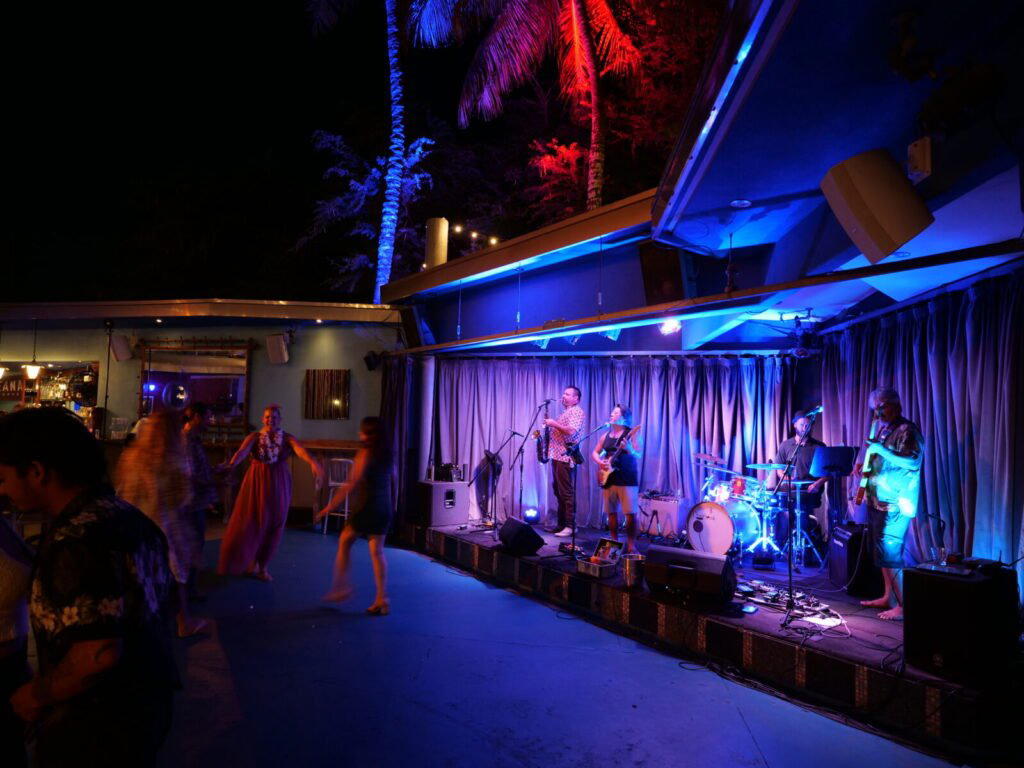
Bars in Waimea
Browse all →
Details
- Scenic
- Lively
- Well Known
- Classic
- Family
- Celebration
- Group Dining
- Special Occasion
- Waterfront
- Live Music
- Hotel Restaurant
- Standalone
- Craft Cocktails
- Local Sourcing
- Waterfront
- Buffet
- Set Menu
- Mai Tai
- Vegetarian Friendly
Festive, cultural, and atmospheric, with a lively luau setting that feels celebratory and scenic.