Positioned along the northern hotel corridor near the landmark windmill on L.G. Smith Boulevard, The Journey Chef's Table Aruba operates in the intimate, format-driven tier of Caribbean dining. The chef's table structure places it among a small category of Aruban restaurants where the kitchen itself frames the experience, distinguishing it from the island's broader resort-dining scene.
Pearl is the En Primeur Club membership app — saves, bookings, and concierge access live there. Same editors, same standards.
- Address
- Next To The Wind Mill, L.G. Smith Blvd 330, Noord, Aruba
- Phone
- +2975650535
- Directions
- Get directions
 Saves & bookings on Pearl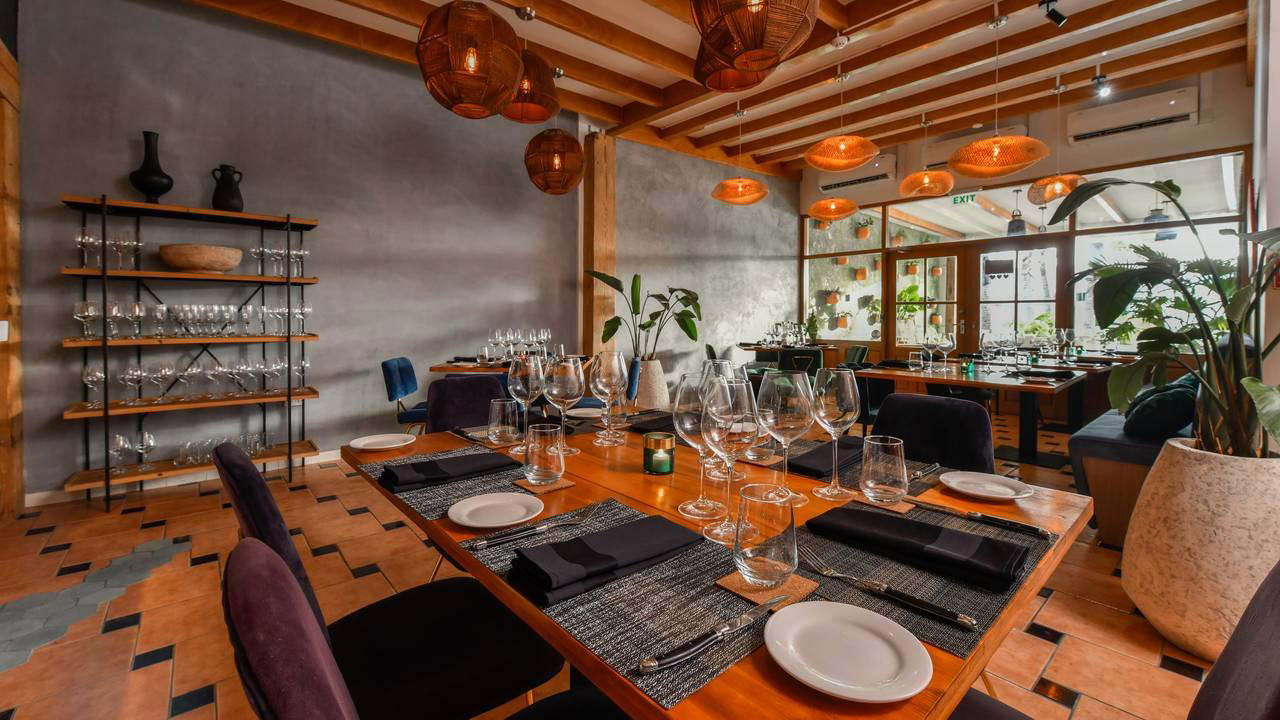
A Format That Signals Intent
Along L.G. Smith Boulevard in Noord, where the historic windmill has oriented travelers for generations, a particular kind of dining proposition has taken root. The chef's table format, as a category, carries specific expectations wherever it appears: limited covers, kitchen proximity, a sequenced progression through the menu, and a degree of theater that separates it from conventional restaurant dining. In Aruba, where the dominant mode is resort buffet or beachfront grill, a venue organized around this format occupies a distinct position. The Journey Chef's Table Aruba sits in that specialist tier, where the structural premise of the meal is itself the distinguishing feature.
The chef's table as a format has evolved considerably over the past two decades. What began in metropolitan kitchens, often as a private arrangement for industry guests or high-spending regulars, has since spread to resort markets and island destinations, where the format has been adapted with varying degrees of fidelity. In some iterations, the term has been diluted to mean little more than a prix-fixe menu in a separate dining room. In its more disciplined forms, it retains the original logic: the kitchen is visible or adjacent, the sequence is fixed, and the interaction between those preparing the food and those eating it is part of what you are paying for. Where The Journey Chef's Table Aruba sits on that spectrum defines its value proposition relative to Noord's broader dining options.
Noord's Dining Context
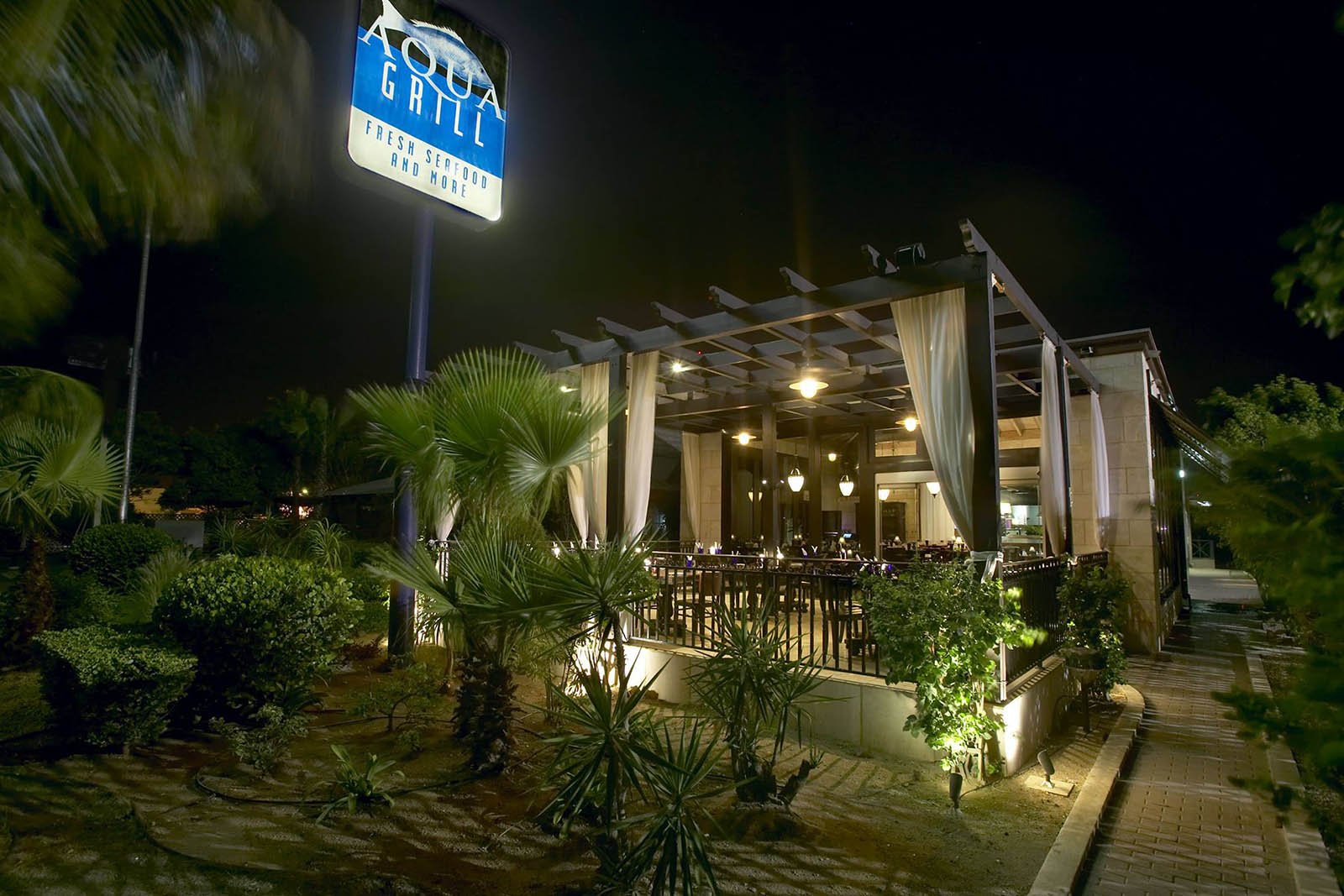
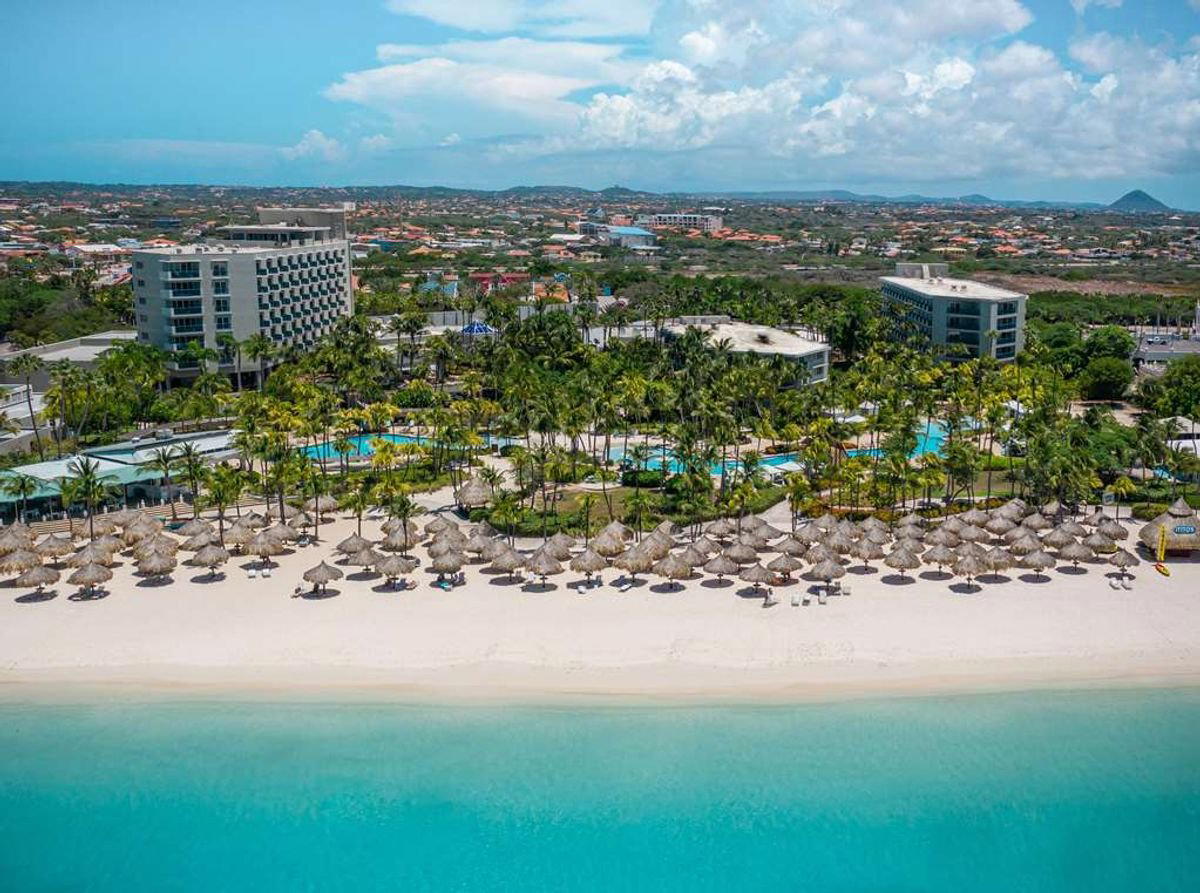
Noord is Aruba's primary dining corridor outside of Oranjestad, concentrated along and near the hotel strip that runs toward Palm Beach. The neighborhood's restaurant scene spans a wide range of formats and price points. Casual beachfront spots like Bugaloe serve the high-volume resort visitor traffic, while more deliberate operations like 2 Fools And A Bull and Agave attract guests looking for something with more culinary investment. Aqua Grill and Azar Aruba represent the mid-to-upper range of the corridor's sit-down dining. Against that backdrop, a chef's table format operates in a smaller niche, appealing to visitors who have already moved past the island's standard dining circuit and are looking for something structured around a specific culinary point of view.
The comparison set for a venue like this extends beyond the immediate neighborhood. Across Aruba, El Gaucho in Oranjestad and Windows on Aruba Restaurant in Oranjestad West represent the island's more established fine-dining positions, each with longer operating histories and defined reputations. Further afield, Kamini's Kitchen in San Nicolas reflects a different approach: local, informal, deeply rooted in Aruban culinary tradition rather than international format conventions. The chef's table model sits between these poles, drawing on international dining language while operating within a Caribbean context.
The Evolution of Chef's Table Dining on the Island
The broader shift in premium island dining over the past decade has moved away from the all-inclusive model as the sole marker of luxury toward more curated, low-volume experiences. This mirrors what has happened in destination dining globally, where the formats that have gained ground are those that deliver something a larger operation structurally cannot: time, attention, sequence, and a kitchen-to-table relationship that scales with fewer covers. The chef's table format, when executed with discipline, delivers precisely those qualities. It is not by accident that some of the most discussed dining experiences internationally, from the communal-format Lazy Bear in San Francisco to the precision-sequenced Atomix in New York City, share a commitment to low capacity and high engagement. The ambition of the format, wherever it appears, is the same: to make the act of cooking inseparable from the act of eating.
In Caribbean markets specifically, that ambition runs against some practical headwinds. Ingredient supply chains, the seasonality of island tourism, and the expectations of a largely transient visitor base all create friction for formats that depend on consistency and repeat engagement. The chef's table venues that have found durable footing in these markets tend to do so by anchoring their menus to what is locally reliable while borrowing structural discipline from global fine-dining conventions. How The Journey Chef's Table Aruba has navigated that balance, and how its approach has shifted since opening, shapes the experience you are likely to encounter.
The Format in Practice
Chef's table dining at its functional core means a predetermined sequence of courses, typically without a printed menu offering alternative choices at each stage. The tradeoff for the guest is real: you surrender control over what arrives and in what order, in exchange for the kitchen's ability to think about your meal as a composed whole rather than a collection of individually ordered dishes. At venues like Alinea in Chicago or Alain Ducasse at Louis XV in Monte Carlo, that tradeoff is underwritten by decades of institutional authority. In a smaller island operation, the same tradeoff relies more on trust built through the interaction itself. The physical setting next to the windmill on L.G. Smith Boulevard provides a locational anchor, one of the more recognizable landmarks on the northern stretch of the boulevard, which simplifies arrival logistics for visitors unfamiliar with the area.
For those building an itinerary across Aruba's dining range, the chef's table format serves a specific function: it marks a deliberate break from the island's default dining rhythm. It is not the venue you land on after a day at the beach without a reservation. It requires advance planning, a tolerance for the kitchen's sequencing decisions, and an appetite for the format's particular kind of theater. See our full Noord restaurants guide for the broader picture of what the corridor offers across price points and formats.
Planning Your Visit
The windmill landmark at L.G. Smith Boulevard 330 in Noord functions as a reliable orientation point from most of the hotel strip, reducing the navigational ambiguity that affects some of the area's less prominently situated restaurants. Given the chef's table format, advance booking is the standard expectation rather than the exception, particularly during Aruba's peak visitor season, which runs roughly from mid-December through April. Dietary requirements and restrictions are the kind of logistical detail that matters more in a fixed-sequence format than in a conventional restaurant, and communicating them at the time of booking is standard practice in this category globally. For comparison context on what chef's table formats at the upper end of the global spectrum look like in terms of structure and commitment, the work of venues like Le Bernardin in New York City, Alléno Paris au Pavillon Ledoyen in Paris, 8 1/2 Otto e Mezzo Bombana in Hong Kong, Amber in Hong Kong, and Emeril's in New Orleans offers useful reference points for the genre's conventions and what separates a format-committed operation from one that uses the terminology loosely.
At a Glance
- Intimate
- Elegant
- Sophisticated
- Date Night
- Special Occasion
- Celebration
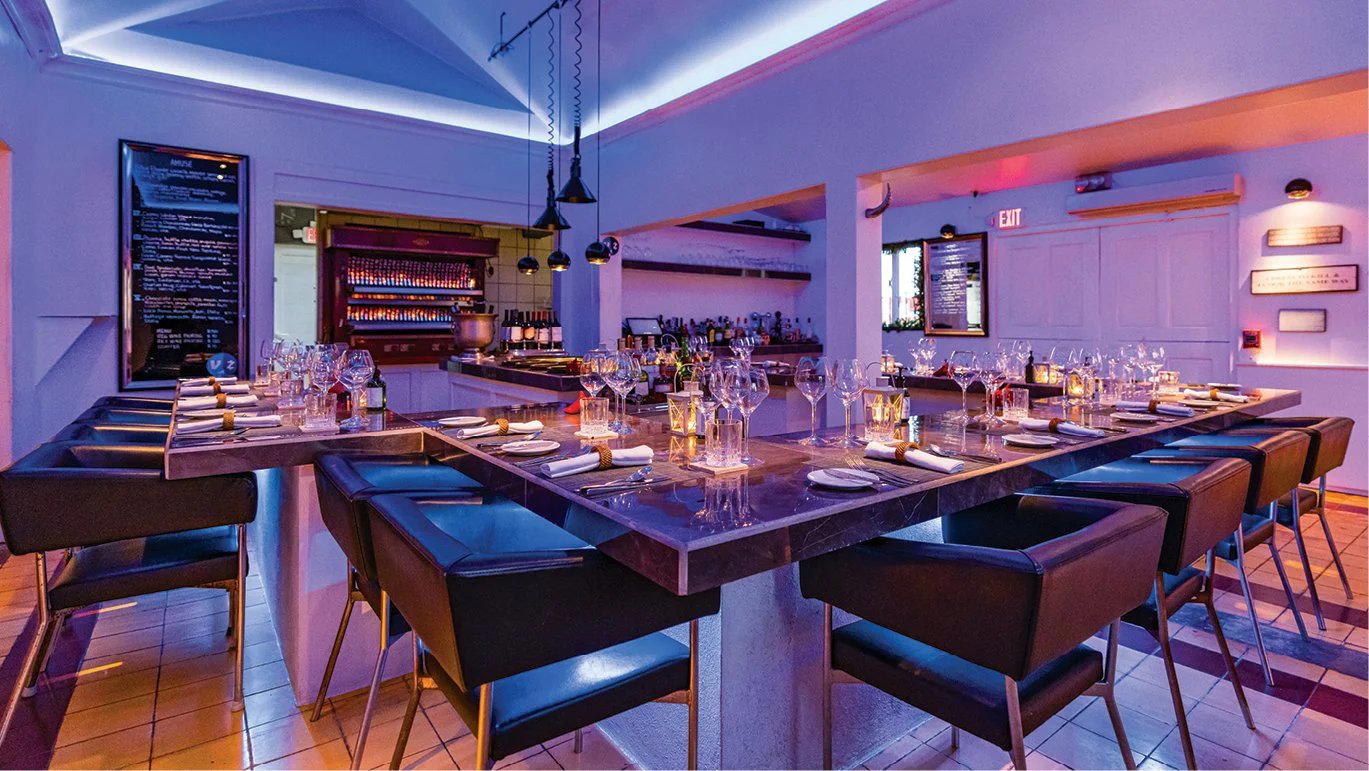
- Chefs Counter
- Open Kitchen
- Extensive Wine List
Current opening hours
- Monday
- 7–11 PM
- Tuesday
- 7–11 PM
- Wednesday
- 7–11 PM
- Thursday
- 7–11 PM
- Friday
- 7–11 PM
- Saturday
- Closed
- Sunday
- Closed
Hours can change for holidays and private events. Last verified .
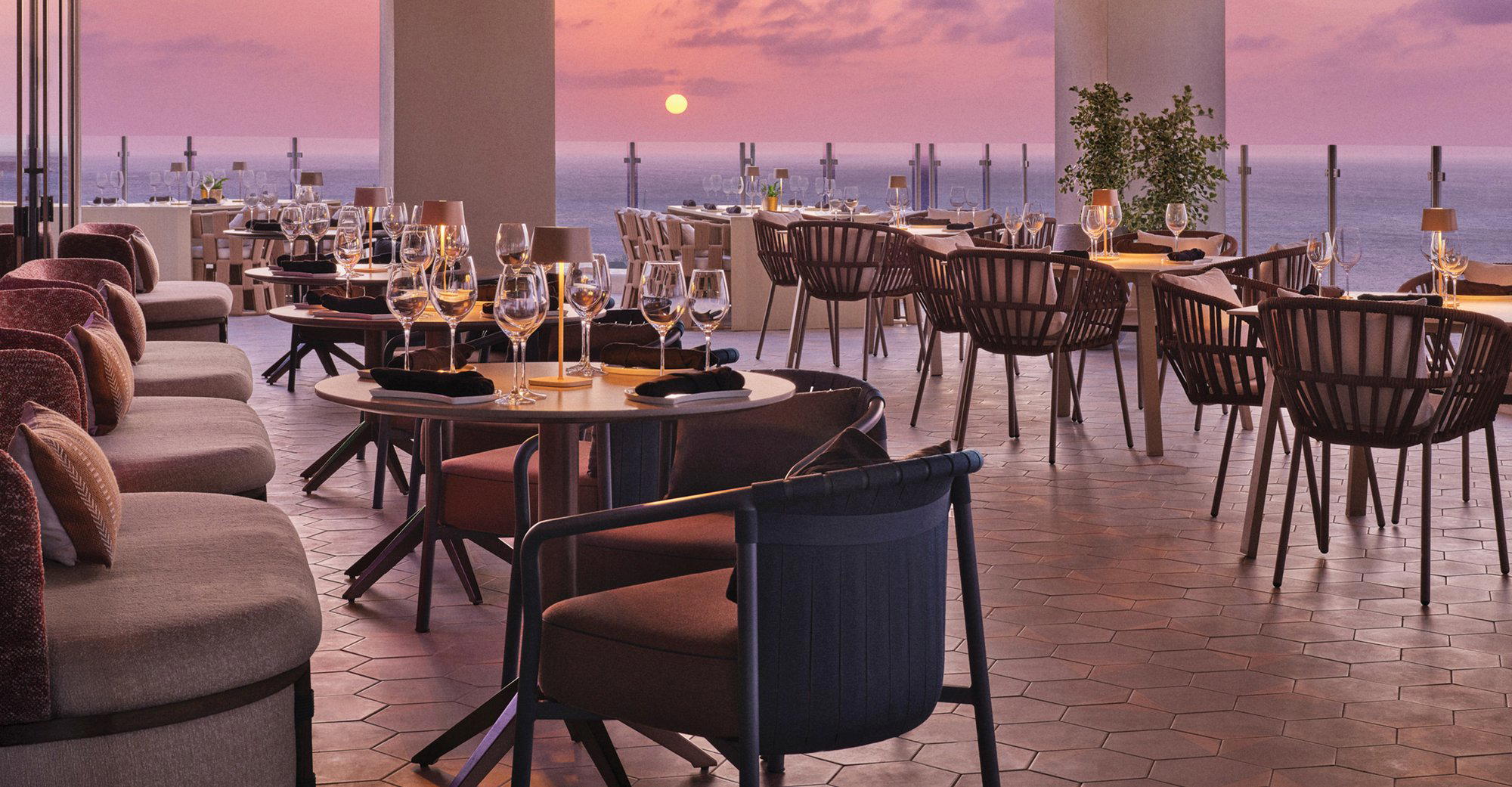
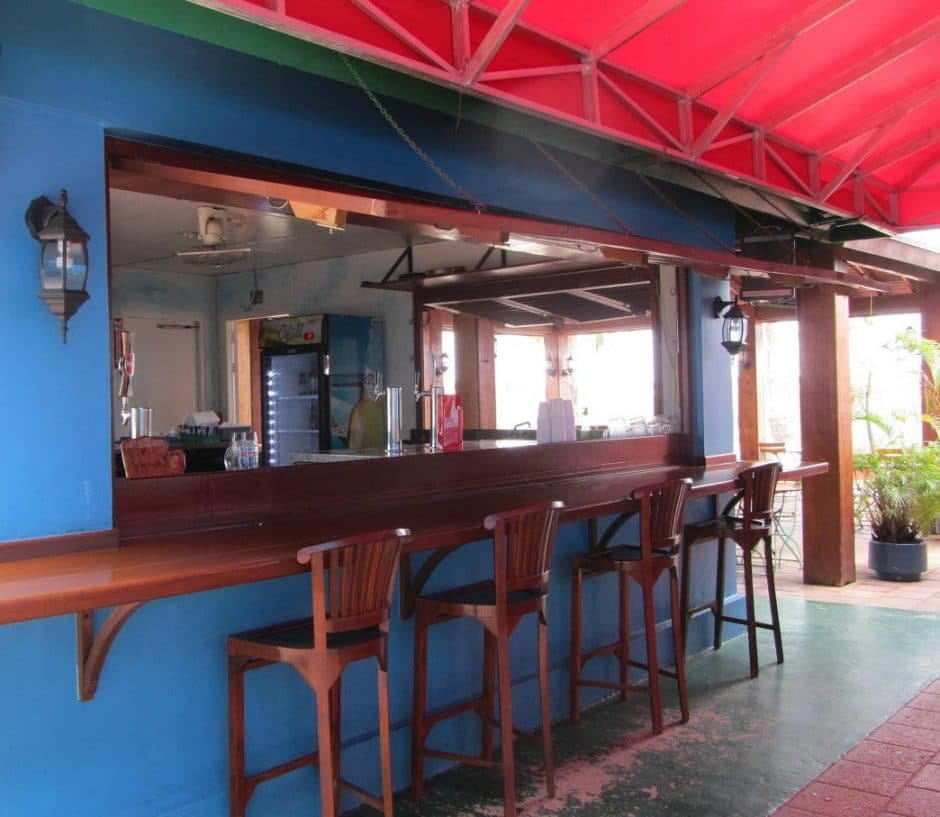
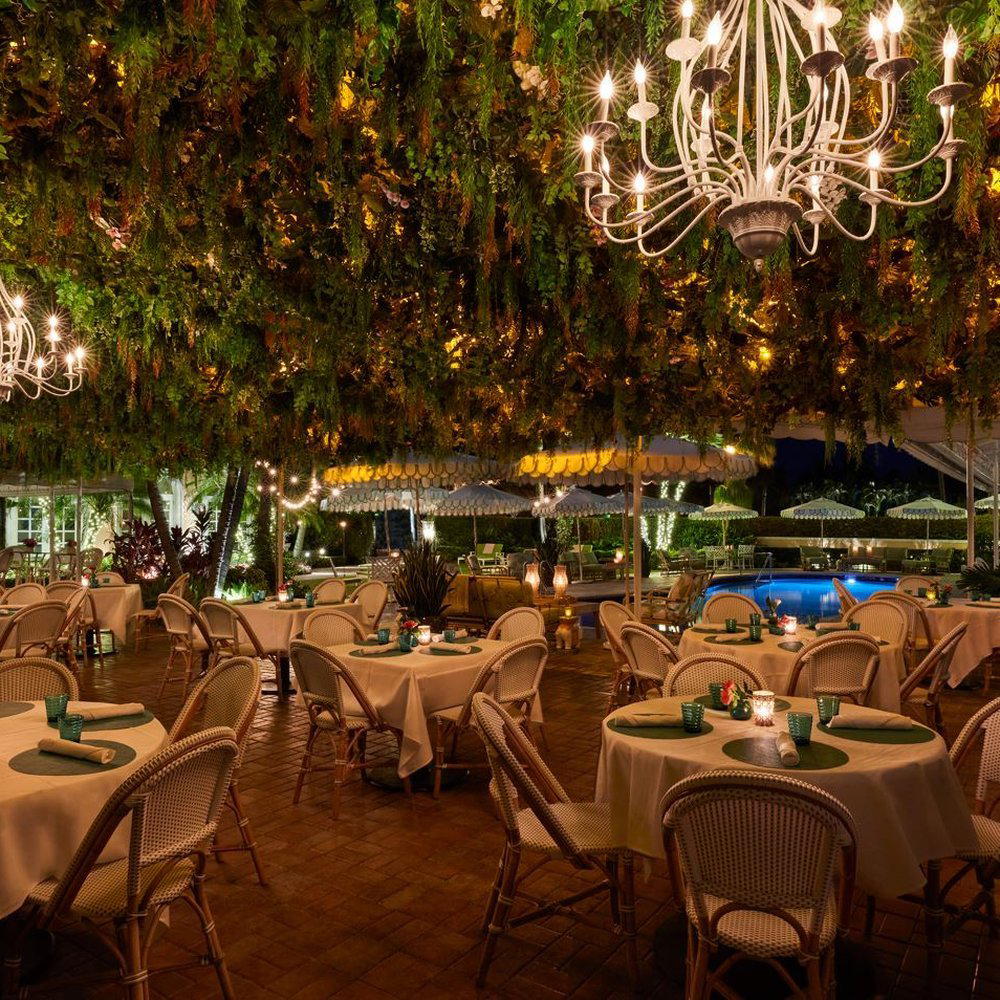
Cozy and intimate atmosphere with an open kitchen where guests watch artful plating and enjoy personal interaction with the chef.
Know Before You Go
- Getting there
- Next To The Wind Mill, L.G. Smith Blvd 330, Noord, Aruba