The Estate House
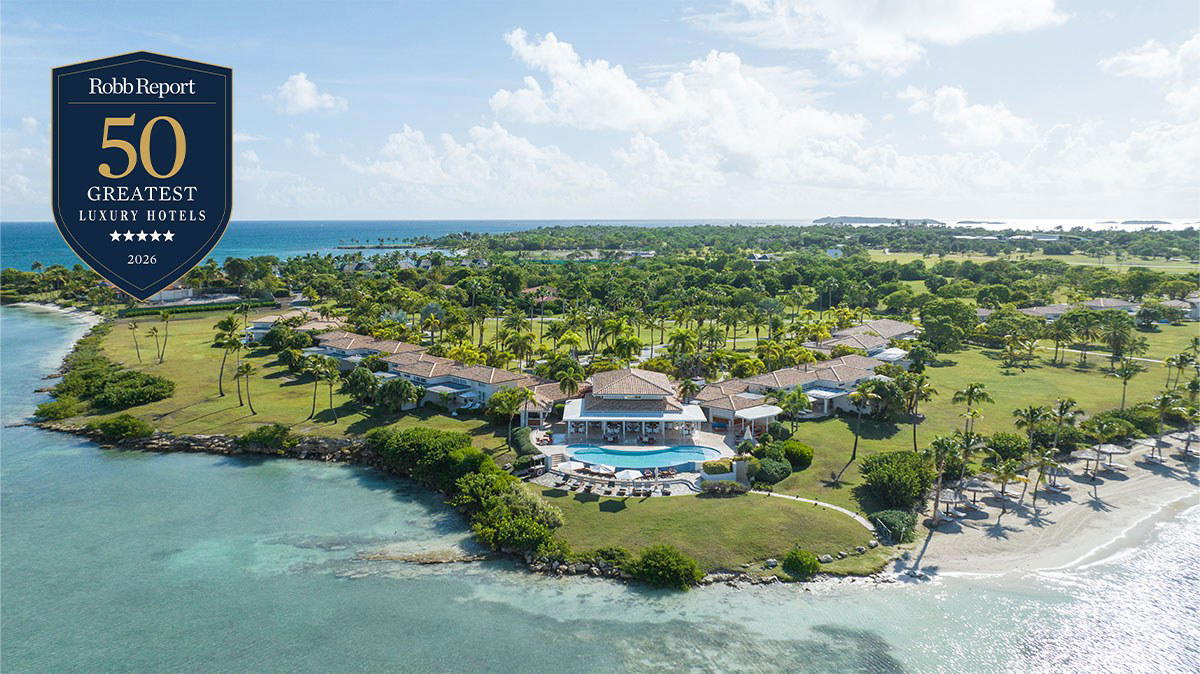
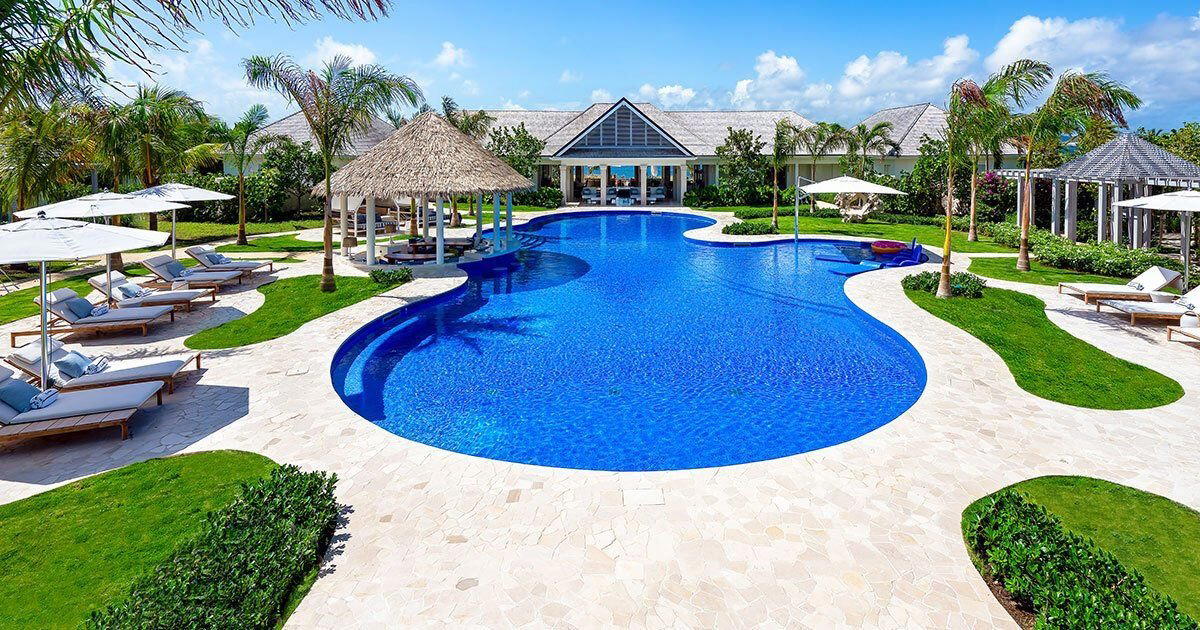
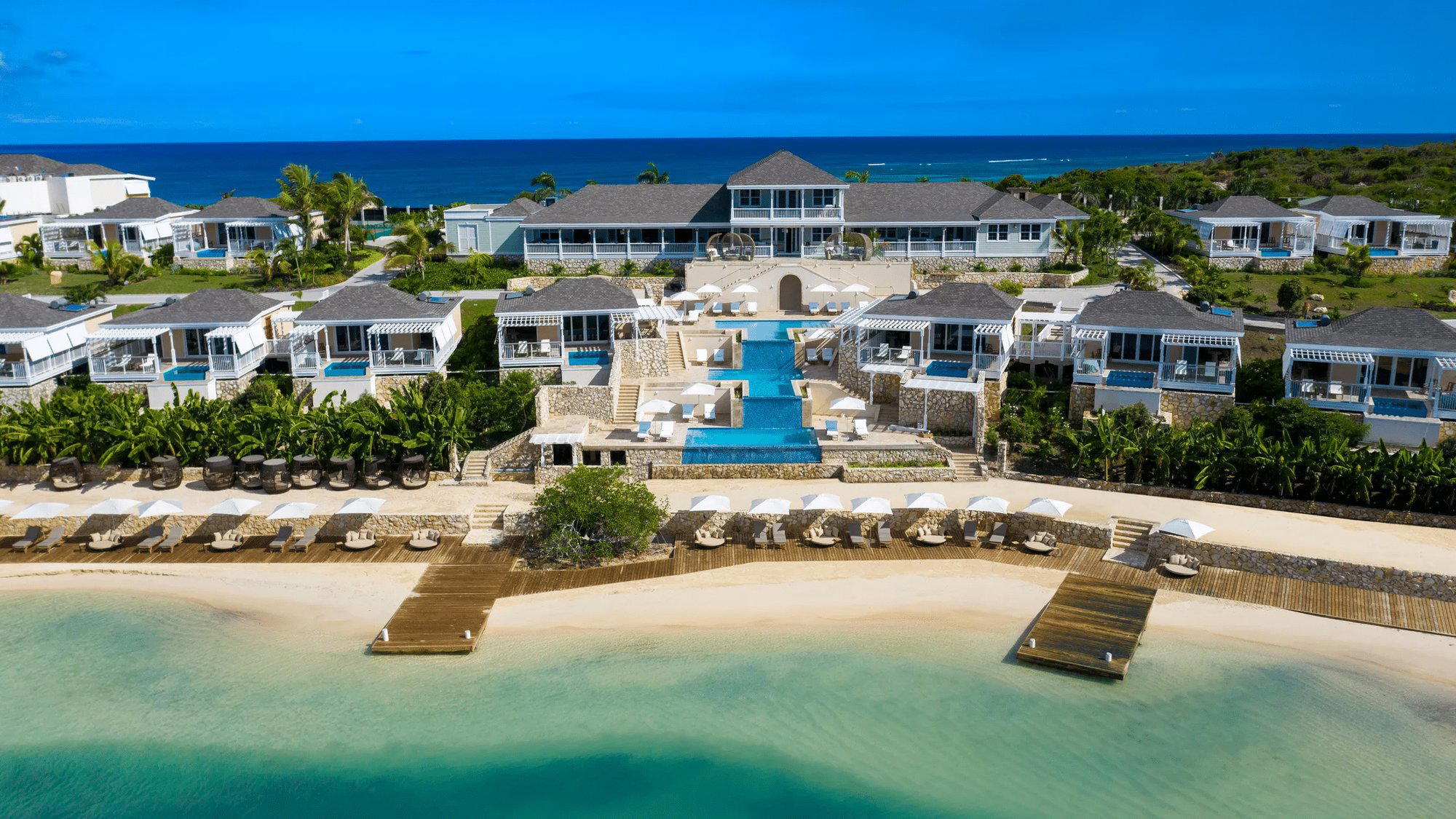
The Estate House occupies the grounds of Jumby Bay, a Rosewood Resort on Antigua's private offshore island, placing it in a tier of Caribbean dining defined less by cuisine category than by geography and access. Dining here is inseparable from the experience of reaching the island itself, a short ferry crossing that signals a deliberate separation from the main island's restaurant scene.
Pearl is the En Primeur Club membership app — saves, bookings, and concierge access live there. Same editors, same standards.
- Address
- Jumby Bay, A Rosewood Resort, St. John's
- Directions
- Get directions
 Saves & bookings on Pearl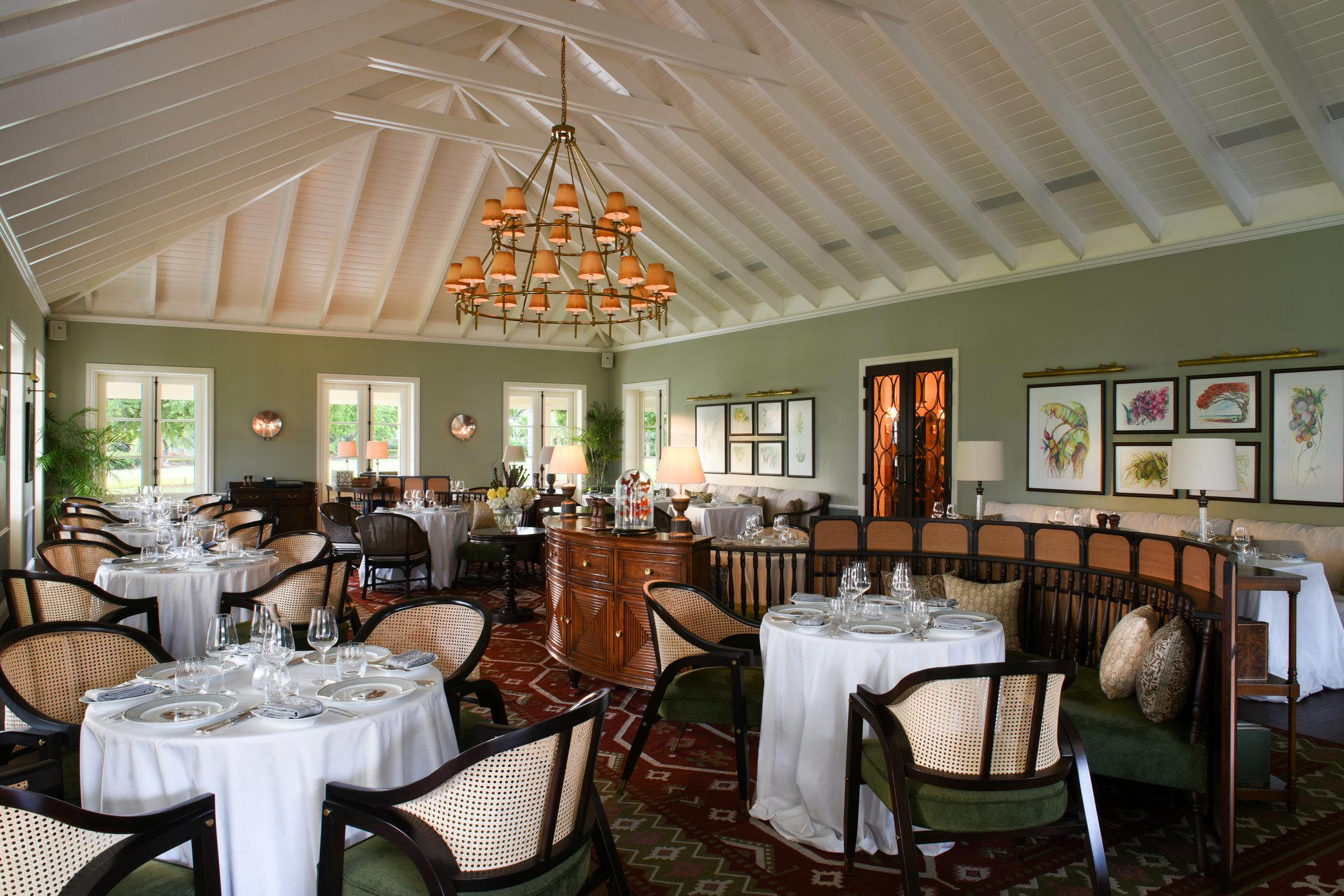
An Island Apart: The Logic of Jumby Bay
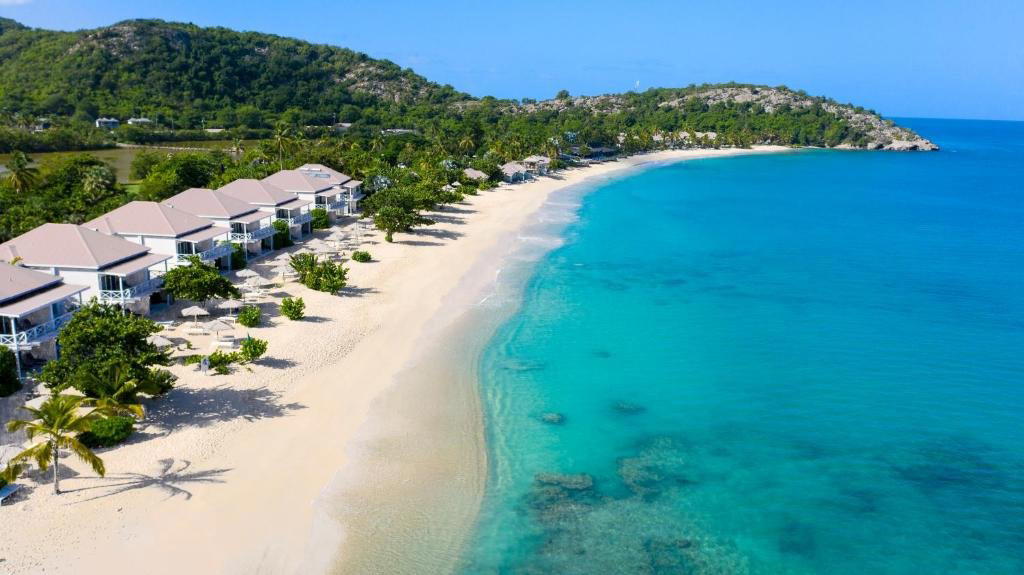
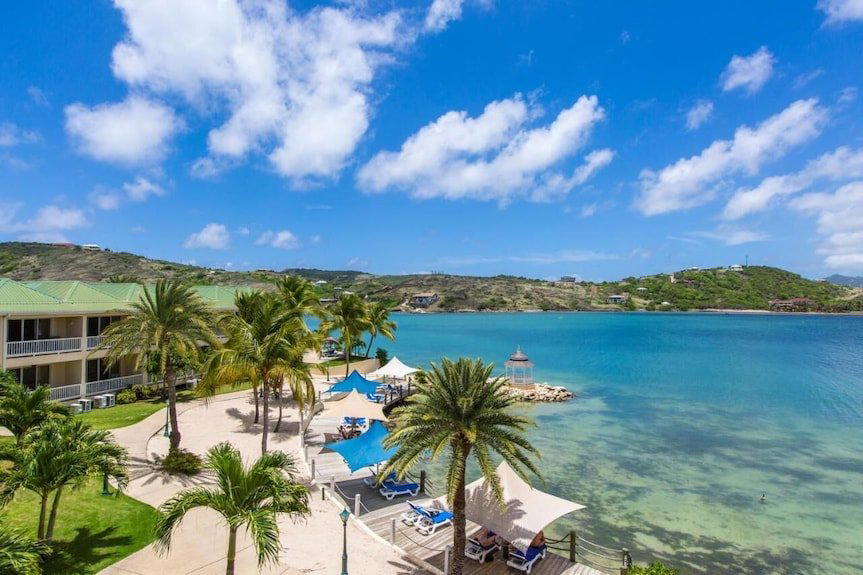
Antigua's restaurant scene distributes itself across a recognizable geography: beachside grills along the peninsula's southern arc, hillside venues with sunset sightlines above English Harbour, and the resort dining rooms that line the island's western shore. The Estate House sits at Jumby Bay, A Rosewood Resort in St. John's, Antigua, as a modern Caribbean fine dining restaurant. Located on Jumby Bay, a private island less than a kilometre off Antigua's northern coast, it operates within a different set of constraints and expectations than anywhere accessible by road. Getting there requires a ferry transfer from a dedicated jetty, a crossing that takes roughly ten minutes and functions as a threshold rather than an inconvenience. That separation is the experience's first and most defining editorial fact.
The Estate House competes, if it competes at all, on the rarer logic of total-environment hospitality: a dining room you cannot simply decide to visit on a Tuesday evening without prior arrangement and a boat.
What Private Island Dining Actually Means
It is worth being precise about what it means in practice at Jumby Bay. Advance reservations are recommended. That structure produces a dining rhythm unlike any open-reservation restaurant in St. John's proper. The social temperature of the room is shaped almost entirely by the resort's occupancy on a given night.
For comparison: the casual and accessible end of Antiguan dining, represented by venues like Peaceful Loft and Piatto Pizzeria + Enoteca Midtown in St. John's, operates on open trade and delivers a different social contract. Even the more refined Terre Restaurant in the capital functions within the publicly accessible dining economy. It belongs to the category of resort restaurants where access is effectively self-selecting: if you are dining there, you have already committed substantially to being there in a broader sense.
The Rosewood Context
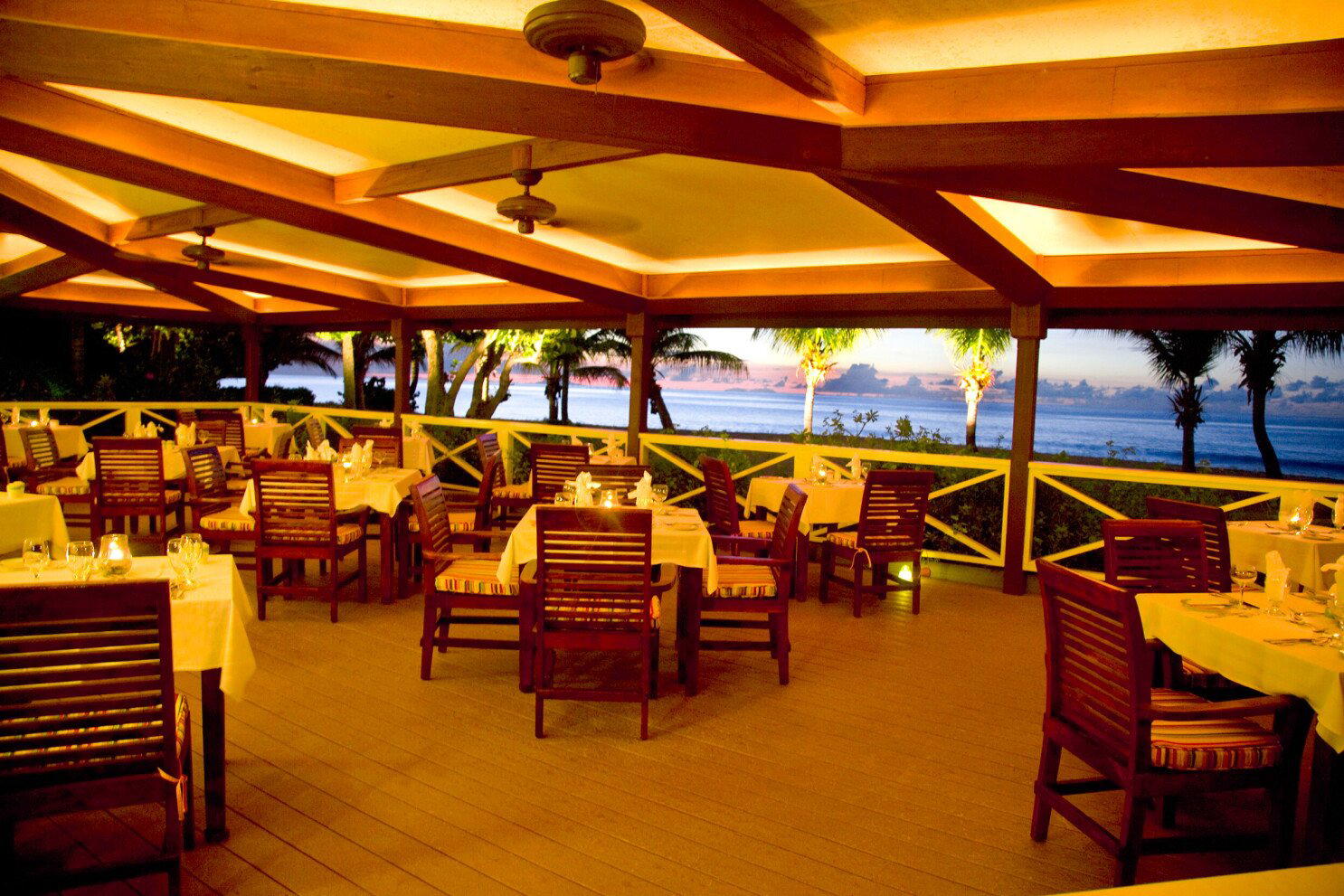
Rosewood's positioning as a hotel group places each of its properties in a deliberately local frame, with the brand's identity built around site-specific design and programming rather than a standardized international template. In that context, The Estate House at Jumby Bay carries the weight of a specific Antiguan estate history, the island having been developed from agricultural land into one of the Caribbean's earlier examples of high-end private-island resort development. The estate framework, as distinct from a purpose-built resort aesthetic, tends to produce dining rooms that lean into colonial-era architecture: high ceilings, verandah seating, aged wood, and a spatial generosity that newer builds rarely replicate.
Across Rosewood's portfolio globally, the group has demonstrated a consistent appetite for serious food programming, with properties that house dining rooms capable of sitting alongside destination restaurants in their respective cities. The references that orient that ambition are not local but global: the level of culinary investment seen at properties associated with names like Le Bernardin in New York City or programming philosophies adjacent to what drives reservation demand at Atomix in New York City represents the upper register that luxury hotel dining aspires to reference, even if resort dining operates under fundamentally different operational pressures.
Antigua's Broader Dining Geography
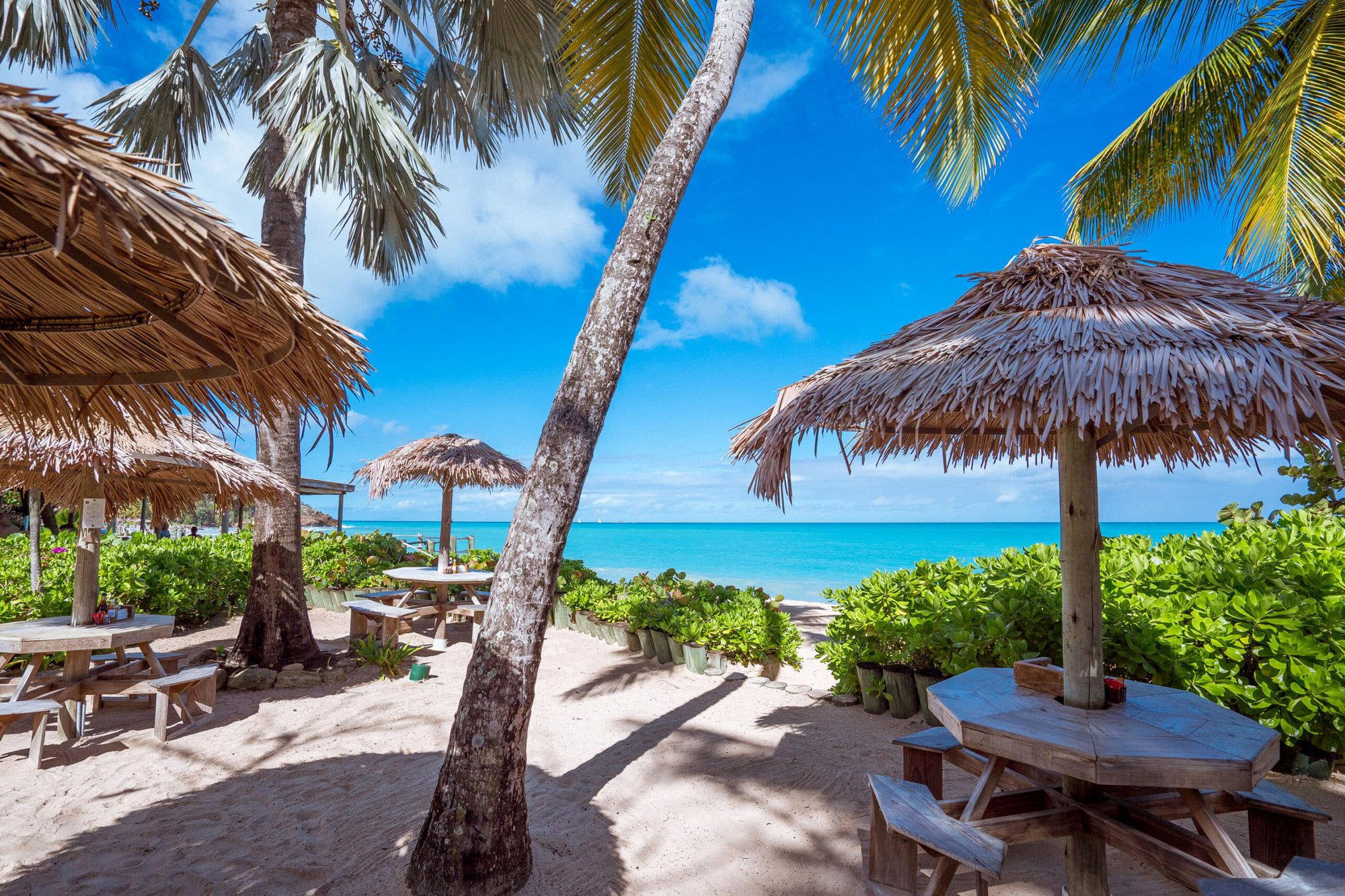
Understanding where The Estate House sits requires a working picture of what Antiguan dining looks like beyond the resort circuit. The island's most characterful food experiences tend to cluster around English Harbour in the south, where Shirley Heights Lookout draws both visitors and locals to its refined position above Falmouth Harbour, and the eastern coast of Barbuda, where Roddy's in Barbuda Bay represents the stripped-back, seafood-led end of the regional dining spectrum. These are places where the food's relationship to place is legible and direct. The Estate House operates in a different register, one where the relationship to place is mediated through the infrastructure of luxury hospitality rather than expressed through the informality of a beachside catch.
That distinction is not a criticism. The two registers serve different needs and attract different visitors at different moments in a trip. Someone spending a week on Antigua might reasonably want both: the direct, unmediated quality of Roddy's or Shirley Heights alongside an evening at a dining room where the logistical architecture of getting there is itself part of the proposition. Our full St John's restaurants guide maps the wider dining options for those planning a complete picture of the island's food offering.
Planning a Visit
Access to The Estate House is contingent on Jumby Bay's guest and reservation policies, which means potential visitors from outside the resort should treat advance contact as a requirement rather than a courtesy. The ferry crossing from the northern coast jetty is the practical starting point, and timing a dinner visit to arrive before dark allows the crossing itself to serve as an orientation rather than a purely functional transfer. For guests staying on the island, the dining room is the natural anchor of an evening, with no competing venue within walking distance. Those arriving from St. John's should account for transfer time in both directions when planning a dinner reservation. The dress code is smart casual, and reservations are recommended.
The Essentials
Comparable venues nearby, for context on price, style, and recognition.
| Venue | Cuisine | Price | Notes |
|---|---|---|---|
| The Estate HouseThis venue — the venue you are viewing | Not listed | $$$ | Not listed |
| Roddy's, Barbuda | Codrington, Caribbean Beachfront Seafood | $$ | Not listed |
| Curtain Bluff Resort | Carlisle Bay, Caribbean Fine Dining | $$$$ | Not listed |
| Shirley Heights Lookout | Not listed | $$ | English Harbour, Caribbean Seafood & Barbecue |
| Sheer rocks | Not listed | $$$$ | Saint Mary's, Mediterranean Tapas & Fine Dining |
Continue exploring
More in St. John’s
Restaurants in St. John’s
Browse all →
Bars in St. John’s
Browse all →
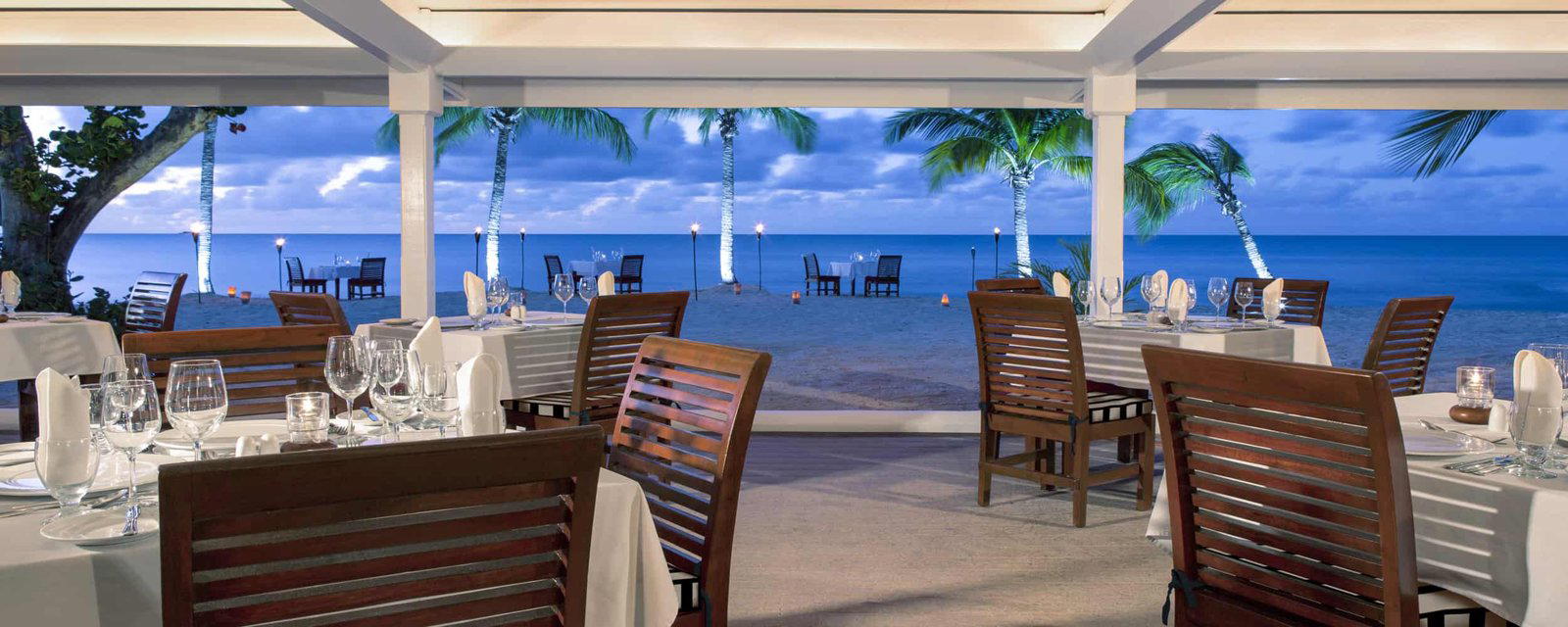
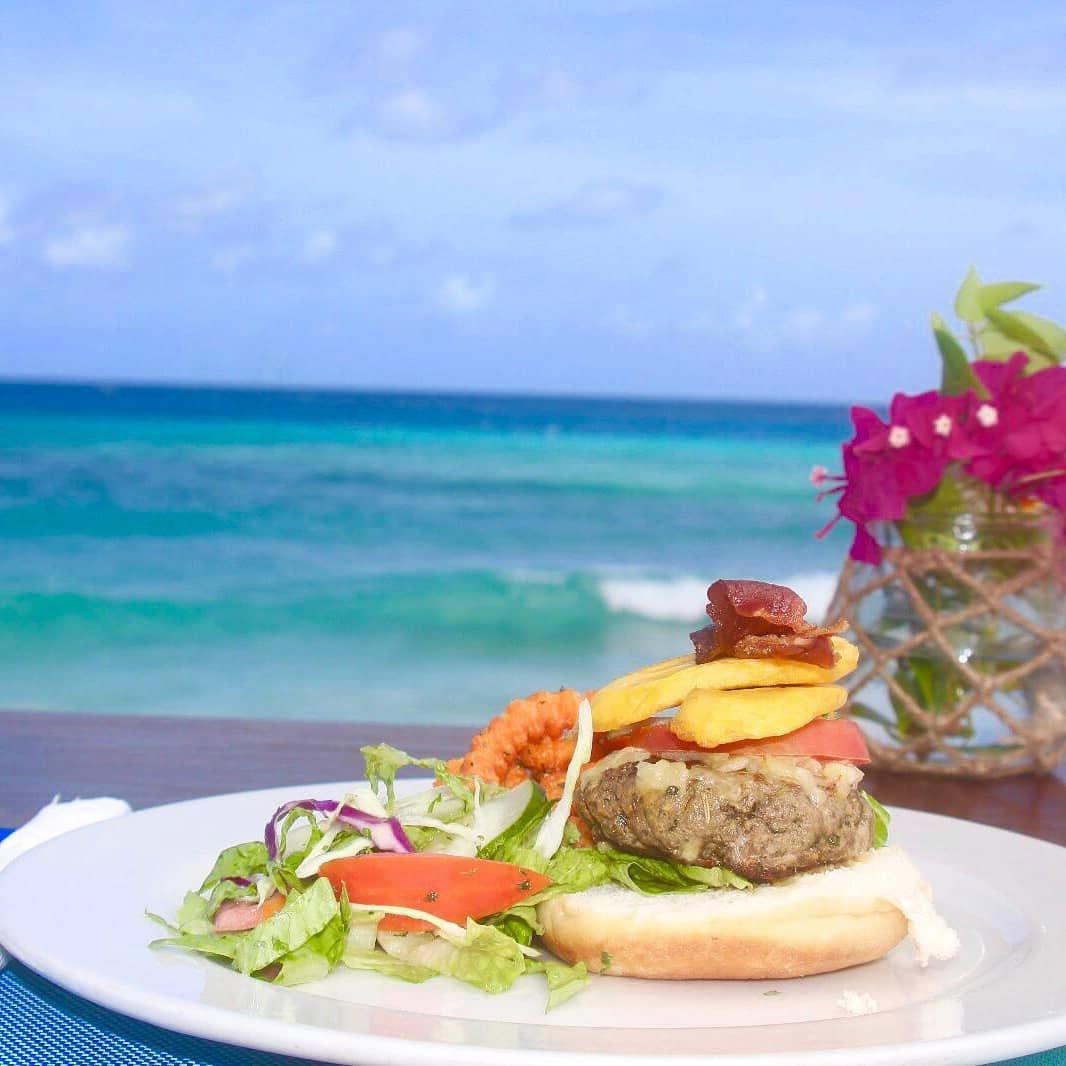
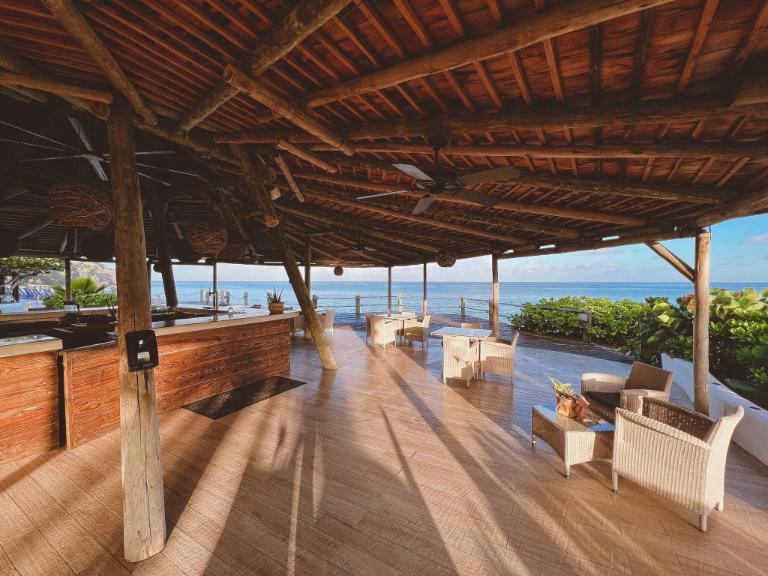
At a Glance
- Elegant
- Classic
- Intimate
- Sophisticated
- Date Night
- Special Occasion
- Celebration
- Historic Building
- Private Dining
- Terrace
- Extensive Wine List
- Garden
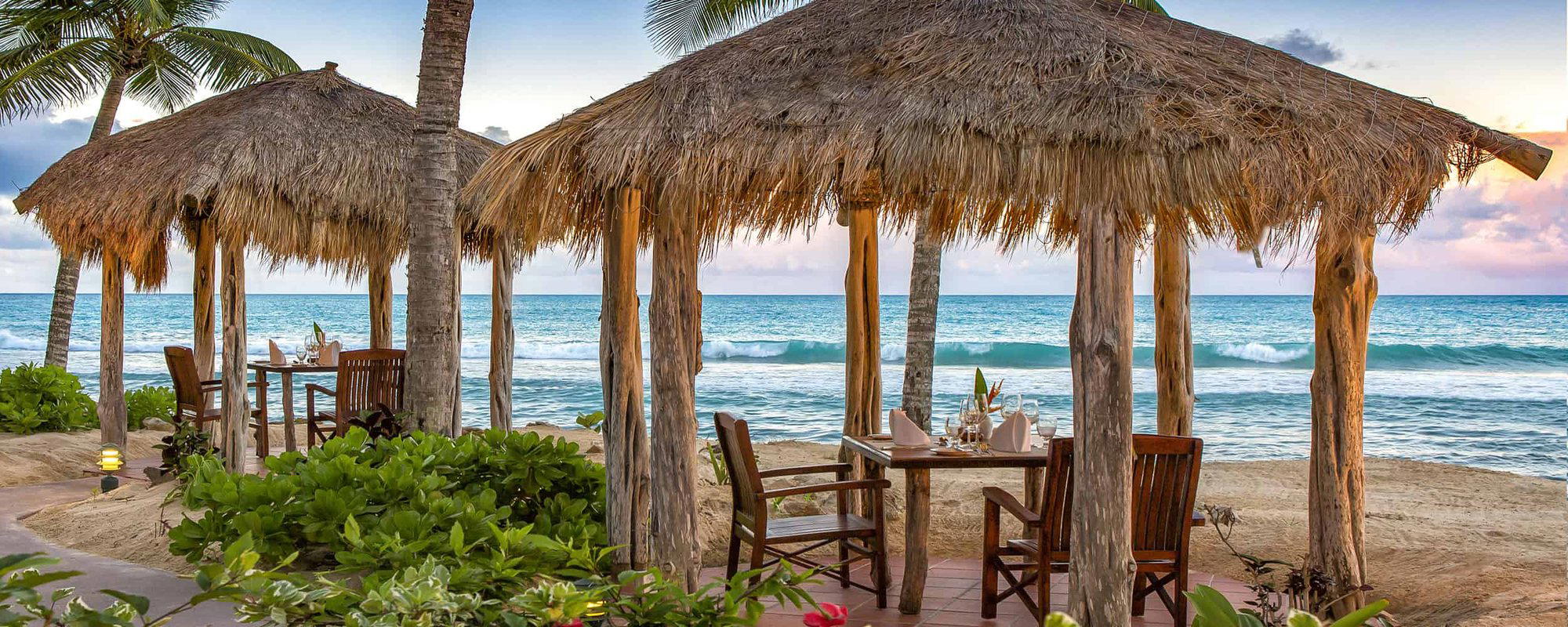
Elegant colonial ambiance with wrap-around gallery veranda, traditional louvers, modern amenities, and Caribbean breezes overlooking gardens.