Thai Smile Palm Springs
Thai Smile Palm Springs occupies a prominent address on South Indian Canyon Drive, placing it inside one of the Coachella Valley's most walkable dining corridors. The kitchen draws on the crosscurrents that define desert-region Thai cooking in California: Southeast Asian foundational technique applied to locally available produce and the expectations of a resort-town clientele accustomed to both quality and accessibility.
Pearl is the En Primeur Club membership app — saves, bookings, and concierge access live there. Same editors, same standards.
- Address
- 100 S Indian Canyon Dr, Palm Springs, CA 92262
- Phone
- (760) 320-5503
- Website
- thaismilepalmsprings.com
- Directions
- Get directions
 Saves & bookings on Pearl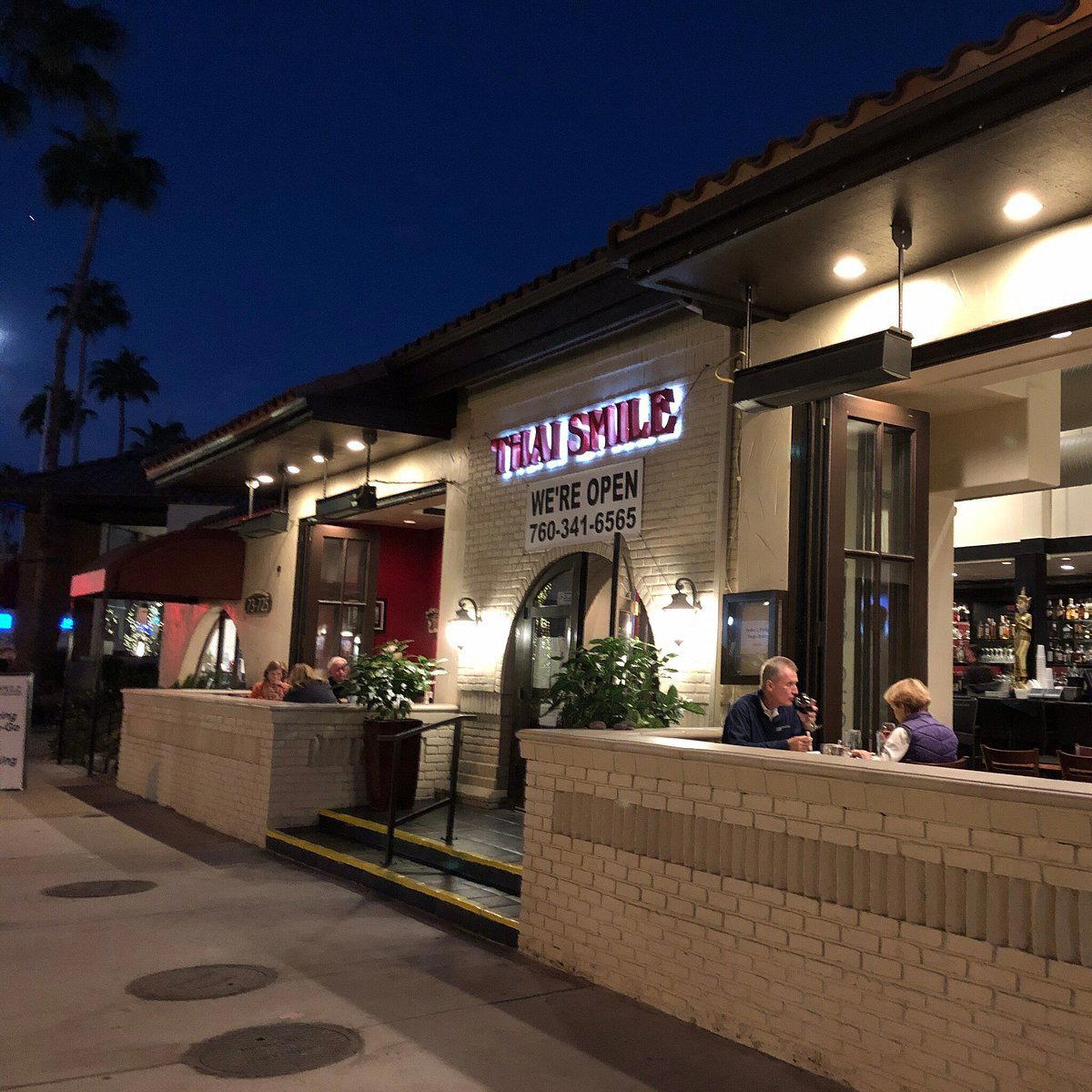
Thai Cooking in the California Desert
Palm Springs sits at an unusual intersection for Thai cuisine in the American West. The city draws a year-round mix of Los Angeles transplants, international resort visitors, and a permanent resident base with sophisticated dining expectations, yet its restaurant scene operates at a scale and pace distinct from coastal urban markets. Thai restaurants here are not competing with the dense, specialist-heavy Thai corridors of East Hollywood or the San Gabriel Valley. Instead, they occupy a position closer to the Thai dining model found in mid-size American cities: a broad menu that serves both the casually curious and the informed eater, with technique and sourcing doing the work of differentiation.
Thai Smile Palm Springs is an authentic Thai restaurant at 100 South Indian Canyon Drive, Palm Springs, CA 92262, with casual dress and walk-in-friendly service. Thai Smile operates closer to the rhythm of the street, available to the walker who makes a decision at the door and to the guest who has returned enough times to have preferences.
Technique Meeting Desert Produce
The editorial angle that defines Thai cooking's position in Southern California's Inland desert is the convergence of classical Southeast Asian technique with the produce realities of a high-heat, low-humidity growing region. The Coachella Valley is not a blank agricultural canvas: it produces dates in quantities that make the region internationally recognized, along with citrus, citrus derivatives, and warm-weather vegetables that are available locally at a quality level that coastal Thai kitchens often source from the same wholesale chains.
Where that intersection becomes interesting is in how kitchens in this region apply Thai foundational methods, the balance of fish sauce, tamarind, palm sugar, and fresh aromatics, to ingredients that carry a desert imprint. The aromatics themselves, galangal, lemongrass, kaffir lime leaf, remain primarily imported or greenhouse-grown across the American market; that has not materially changed. But the proteins and produce around which those aromatics are deployed can and do reflect regional sourcing patterns in ways that distinguish desert Thai from, say, the Thai food available at a midtown Manhattan address.
This technique-and-terroir conversation is one the broader American dining scene has applied selectively to Thai cuisine, with far more attention given to European and Japanese traditions. Restaurants like Le Bernardin in New York City, The French Laundry in Napa, and Alinea in Chicago have received sustained critical attention for exactly this kind of technique-sourcing integration. Thai cuisine in American resort markets tends to receive less of that critical scaffolding, which means the work of differentiation happens at the plate level rather than through reputation infrastructure.
Palm Springs' Dining Context
The South Indian Canyon corridor positions Thai Smile alongside restaurants that span a meaningful price and format range. The Palm Springs dining scene includes accessible American formats like Bar Cecil at the higher casual tier and 4 Saints, as well as the Italian-focused kitchen at Al dente and the California-accented menu at Ash & Vine Restaurant. Within that range, Thai cuisine occupies a niche that serves guests seeking something outside the American and Italian registers that dominate the downtown block count.
That niche is not a diminished one. Thai food in California carries genuine depth of tradition through the state's large Thai-American community, with the Los Angeles basin functioning as among the more consequential Thai dining markets outside Thailand itself. Restaurants like Providence in Los Angeles demonstrate the kind of coastal ambition that raises the bar for all cuisine categories in the region. The desert resort market operates differently, but it draws visitors from that same Los Angeles base, which means the baseline expectation in a Thai kitchen in Palm Springs is informed by what that audience eats at home.
Positioning Within American Thai Dining
American Thai dining has evolved through distinct phases since the 1980s, moving from novelty to familiarity to, in select markets, genuine sophistication. The critic class has increasingly applied the same sourcing and technique scrutiny to Thai kitchens that it applies to Japanese, Korean (see Atomix in New York City for what that looks like at its most refined), and New American formats. The farm-to-table discipline visible at Blue Hill at Stone Barns in Tarrytown or the ingredient-led rigor at Addison in San Diego represents one end of that spectrum. Resort-market Thai operates at a different register but is not exempt from the same underlying questions about where ingredients come from and how classical technique is preserved or adapted.
Other California restaurant destinations, including Alice B. in Palm Springs itself, have demonstrated that the desert resort context does not preclude serious kitchen ambition. The question for any Thai kitchen in this market is how deliberately it engages with both the classical canon and the local produce supply.
Planning a Visit
South Indian Canyon Drive is walkable from most of downtown Palm Springs' hotel concentration, which makes Thai Smile accessible without a car for guests staying in the central district. Palm Springs' peak dining season runs from October through April, when temperatures drop into a range that supports patio dining and the city's population swells with seasonal visitors. The summer months bring intense heat and a noticeably quieter dining scene. For visitors arriving during the high season, particularly around the Coachella festivals in April or the winter holiday period, checking availability in advance is practical.
Awards and Standing
Comparable venues nearby, for context on price, style, and recognition.
| Venue | Cuisine | Price | Notes |
|---|---|---|---|
| Thai Smile Palm SpringsThis venue — the venue you are viewing | Authentic Thai | $$ | Not listed |
| Las Casuelas Terraza | Traditional Mexican | $$ | downtown |
| Blue Coyote Grill | Authentic Mexican & Southwestern Grill | $$ | Downtown Palm Springs |
| King's Highway | Dining | $$ | Downtown Palm Springs |
| Rooster and the Pig | Modern Vietnamese Fusion | $$ | Downtown Palm Springs |
| Wang's In the Desert | Pan-Asian Fusion | $$ | Downtown Palm Springs |
Continue exploring
More in Palm Springs
Restaurants in Palm Springs
Browse all →
Bars in Palm Springs
Browse all →


At a Glance
- Cozy
- Casual Hangout
- Local Sourcing
Current opening hours
- Monday
- 11:30 AM–9:30 PM
- Tuesday
- 11:30 AM–9:30 PM
- Wednesday
- 11:30 AM–9:30 PM
- Thursday
- 11:30 AM–9:30 PM
- Friday
- 11:30 AM–9:30 PM
- Saturday
- 11:30 AM–9:30 PM
- Sunday
- 11:30 AM–9:30 PM
Hours can change for holidays and private events. Last verified .
Great upscale and casual atmosphere with lively Thai flavors.