Terminal #1

A Michelin Plate holder on Montpellier's southern avenue corridor, Terminal #1 works in the modern cuisine register at the €€€ price tier, placing it alongside a compact peer group of serious mid-market tables in a city that has developed one of southern France's more focused fine-dining scenes.
Pearl is the En Primeur Club membership app — saves, bookings, and concierge access live there. Same editors, same standards.
- Address
- 1408 Av. de la Mer, 34000 Montpellier, France
- Phone
- +33 4 99 58 38 38
- Website
- terminalpourcel.com
- Directions
- Get directions
 Saves & bookings on Pearl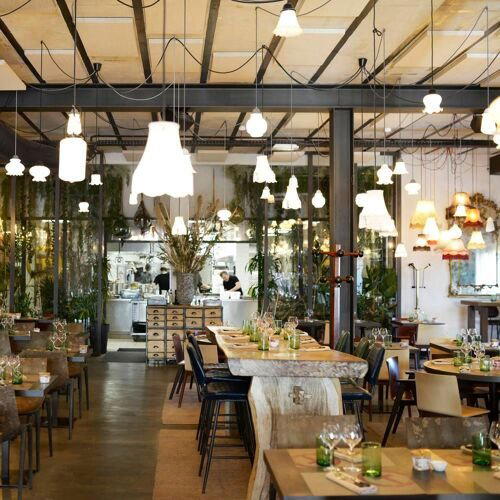
Where Avenue de la Mer Meets Considered Cooking
The address tells part of the story before you reach the door. Avenue de la Mer runs southeast from Montpellier's urban core toward the coast, a long arterial road that moves through changing neighbourhood registers: residential density, commercial strips, and then a looser, more open-feeling stretch where Terminal #1 sits at number 1408. The physical approach has none of the compression of the old-town dining quarter, and that spatial logic carries inside: this is a room with room, a restaurant that doesn't announce itself through architectural drama but through a certain calibrated calm. In a city where the tightest medieval-centre addresses carry their own prestige, Terminal #1 operates with the confidence of a place that doesn't need the postcode.
Modern Cuisine in a Southern French Context
Montpellier's restaurant scene has sharpened considerably over the past decade. The city's position at the intersection of Languedoc's wine country, the Mediterranean coastline, and the inland garrigue means that local sourcing is less a philosophical statement than a practical reality: the producers are close, the seasons are pronounced, and the quality of raw materials from this corridor of southern France is hard to argue with. Modern cuisine at the €€€ tier, which is where Terminal #1 operates alongside peers like Leclère and Aliro, sits between the traditional bistro register and the fully committed gastronomic formats represented by places like La Réserve Rimbaud. It's a tier that asks kitchens to apply genuine technique without the formality or price architecture of multi-course tasting menus, and it's a tier where the sourcing story often does much of the editorial work.
The Sustainability Frame: Sourcing, Season, and Reduction
Across French modern cuisine at this level, the kitchens that earn and retain Michelin recognition tend to share a structural orientation toward short supply chains and seasonal discipline. The Michelin Plate, which Terminal #1 has held consecutively in both 2024 and 2025, functions as Michelin's signal that a kitchen is cooking with genuine quality and consistency. In Languedoc's context, that quality signal connects directly to what the region offers: garrigue herbs, coastal fish from the étangs and the Gulf of Lion, livestock from the inland plateaus, and a wine-growing tradition that shapes how chefs think about fermentation, preservation, and the management of acidity and texture. Particularly thoughtful modern kitchens in this part of France treat waste reduction not as a sustainability badge but as an extension of classical technique: stocks, braises, and ferments that use the whole product are simply how French cooking was taught before single-use thinking entered the industry. Terminal #1's positioning in this broader ecosystem suggests a kitchen working within those regional and technical conventions.
This approach has parallels at the highest levels of French cuisine. Restaurants like Bras in Laguiole built a reputation on the Aubrac plateau's produce decades before farm-to-table became a marketing category, and Mirazur in Menton has made coastal and garden sourcing central to its identity at the three-star level. At the other end of the formality spectrum, Flocons de Sel in Megève and Troisgros in Ouches have both demonstrated that regional rootedness and technical ambition are complementary rather than competing. What connects these different formats is a commitment to understanding place as the primary ingredient. Terminal #1 operates in that same French tradition, at a different scale and price point, in a region with its own distinct seasonal logic.
comparable set and Price Tier
At €€€, Terminal #1 sits in the same bracket as Leclère and Pastis Restaurant, and above the €€ modern cuisine tier represented by Soulenq. The distinction within this bracket matters: Michelin Plate recognition signals consistent kitchen discipline that separates Terminal #1 from restaurants at the same price point without that credential. For context, Montpellier's fully committed gastronomic tier, anchored by €€€€ French gastronomic formats, represents a different evening proposition and a different budget commitment. Terminal #1 occupies the range where serious cooking is accessible without requiring the full investment of a tasting-menu occasion. Comparisons further afield in the modern cuisine category, including Frantzén in Stockholm and FZN by Björn Frantzén in Dubai, illustrate how the modern cuisine format scales across price tiers and geographies, but Montpellier's version of this register is shaped by the specific agricultural and coastal resources of Languedoc rather than any imported aesthetic.
The Broader Montpellier Dining Argument
Montpellier makes a reasonable case as one of southern France's more interesting mid-size dining cities. It lacks the international-spotlight volume of Lyon or the tourist-density economy of Paris, which means its restaurants are cooking primarily for a local and regional audience with genuine expectations. That pressure tends to produce more honest kitchens than cities where international tourism supports mediocre food at refined prices. Alongside Terminal #1, the city's serious tables include the Mediterranean-focused Reflet d'Obione, the gastronomic ambition of La Réserve Rimbaud, and the creative register of Aliro. Together they map a city with a diversified dining argument, not a single landmark address.
Planning Your Visit
Terminal #1 sits on Avenue de la Mer at number 1408 in the 34000 postal district, reachable by car from central Montpellier in under fifteen minutes depending on traffic. The €€€ price tier positions an evening here at a meaningful but not prohibitive spend, comparable to other Michelin-recognised tables in the city. Booking ahead is the sensible approach for a restaurant with this level of public confidence, particularly in the warmer months when Montpellier's dining activity peaks with the long southern evenings. Specific booking details, current hours, and any seasonal menu changes are best confirmed directly with the restaurant, as these details shift across the year.
Peers You’d Cross-Shop
Comparable venues nearby, for context on price, style, and recognition.
| Venue | Cuisine | Price | Notes |
|---|---|---|---|
| Terminal #1This venue — the venue you are viewing | Modern French Gastronomic Bistro | $$$$ | Not listed |
| Anga - Beaulieu | Modern French Mediterranean Fine Dining | $$$ | Préfecture |
| Le Bistro Urbain | Modern French Bistro | $$ | Saint-Roch |
| Mahé | Modern French with Tropical Influences | $$$ | Pompignane |
| Chez Delagare | Modern French Bistronomy | $$ | Pont De Sète |
| ARTISANE | Modern French Mediterranean Tasting Menu | $$$ | Ursulines |
Recognition history
Dated appearances from independent guides and award organizations, with the underlying list record or original source where available.
Michelin Plate
Michelin
Michelin Plate
Michelin
Michelin Plate
Michelin
Continue exploring
More in Montpellier
Restaurants in Montpellier
Browse all →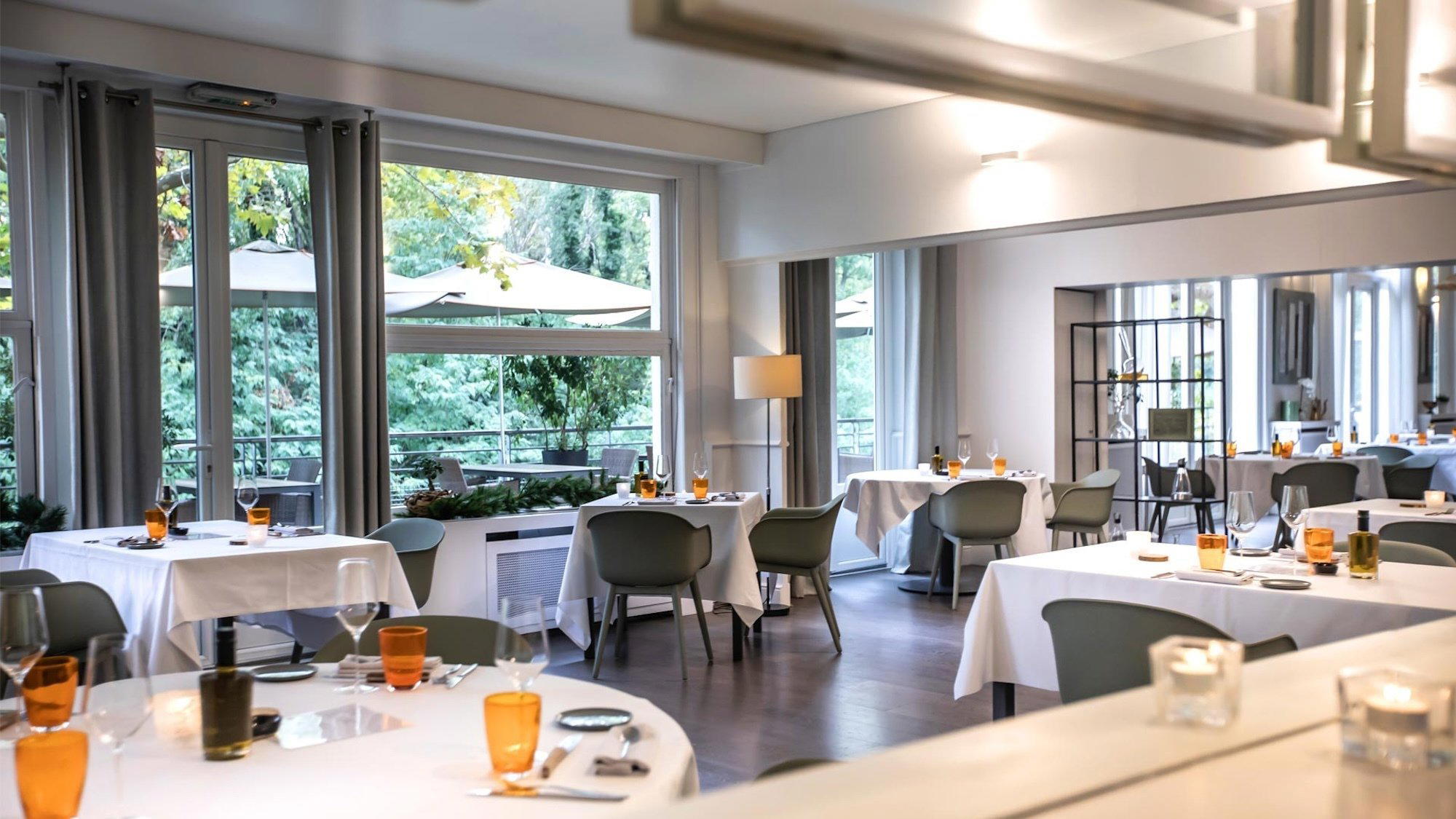
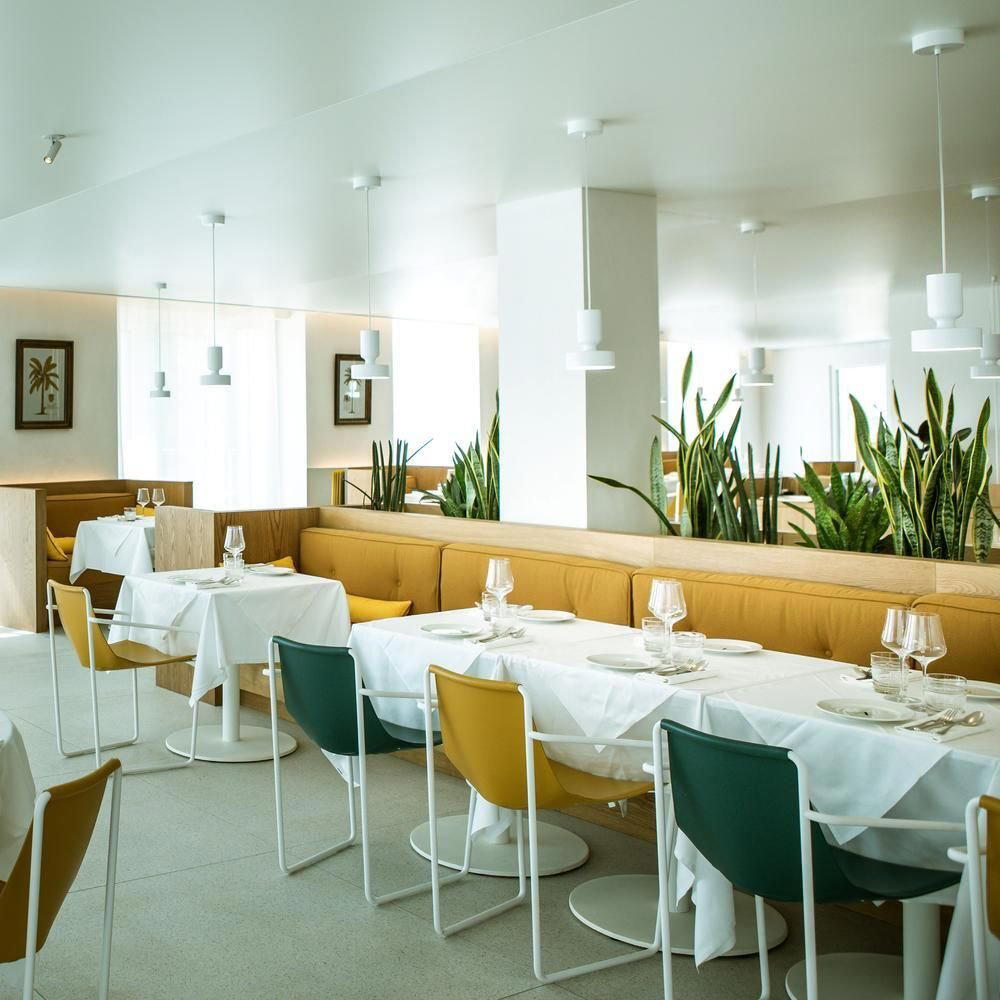
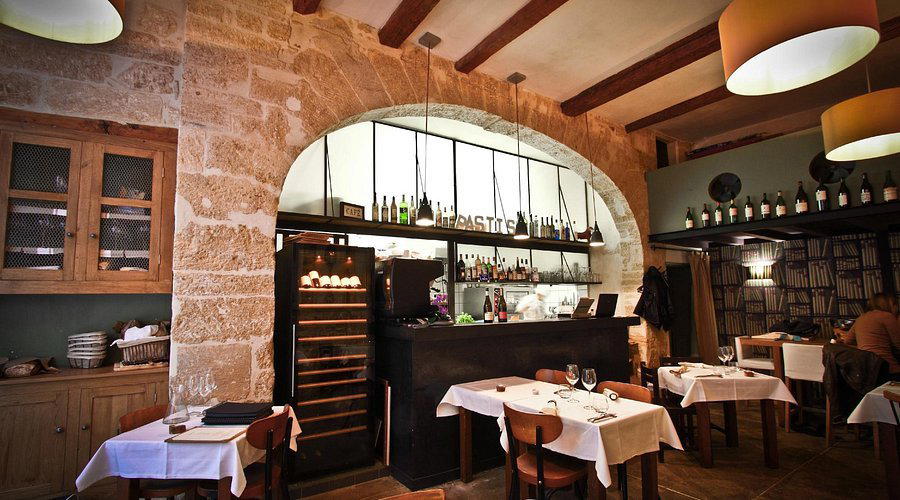
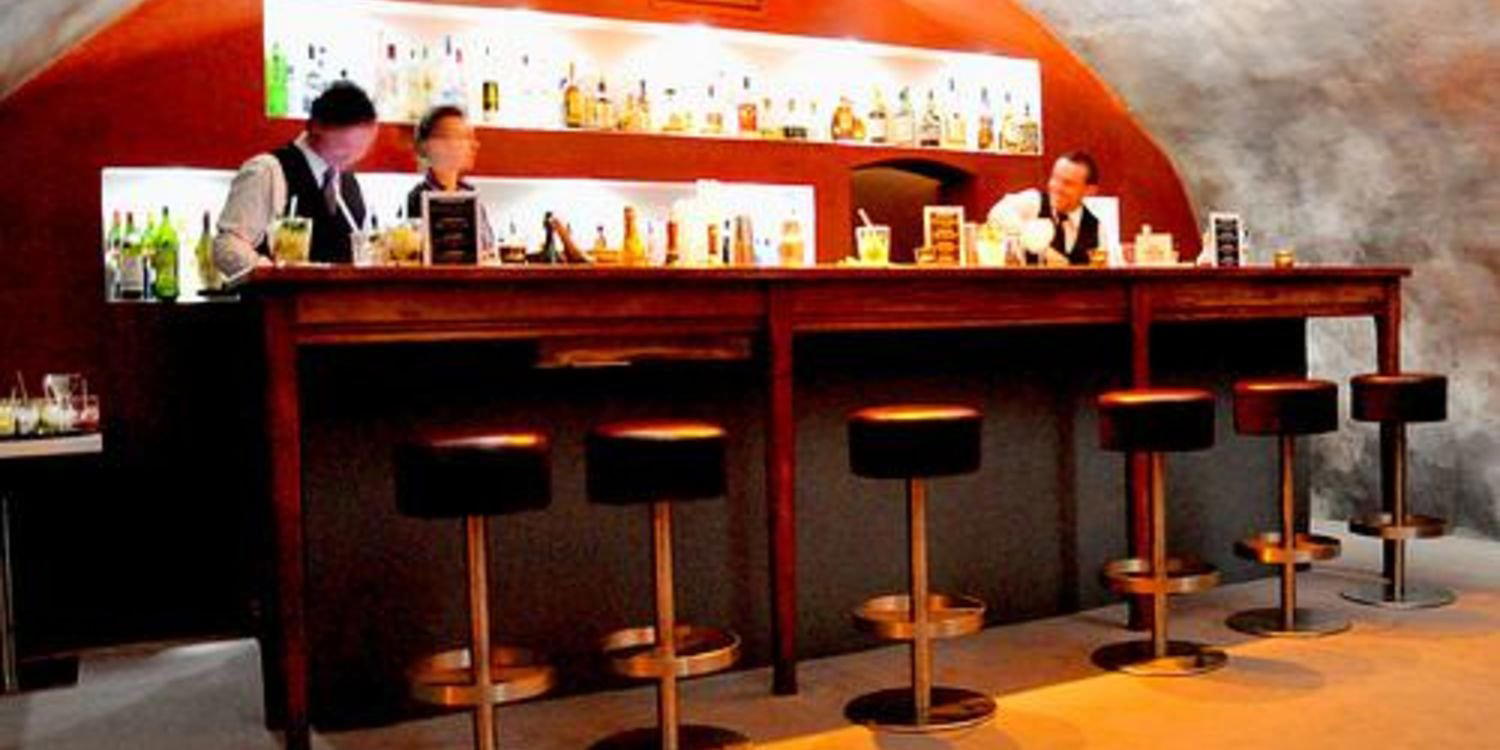
Bars in Montpellier
Browse all →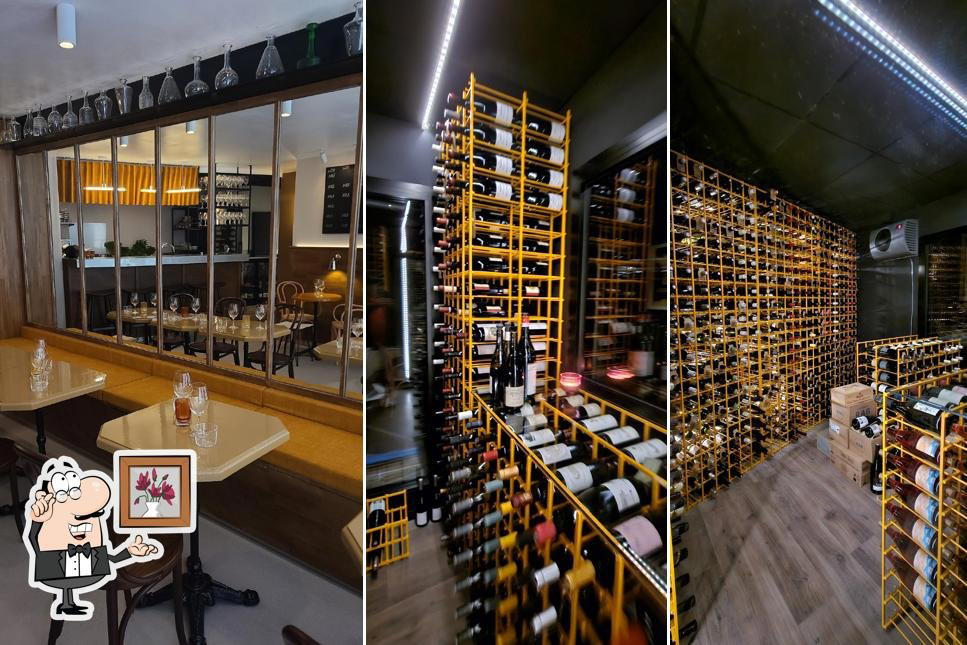
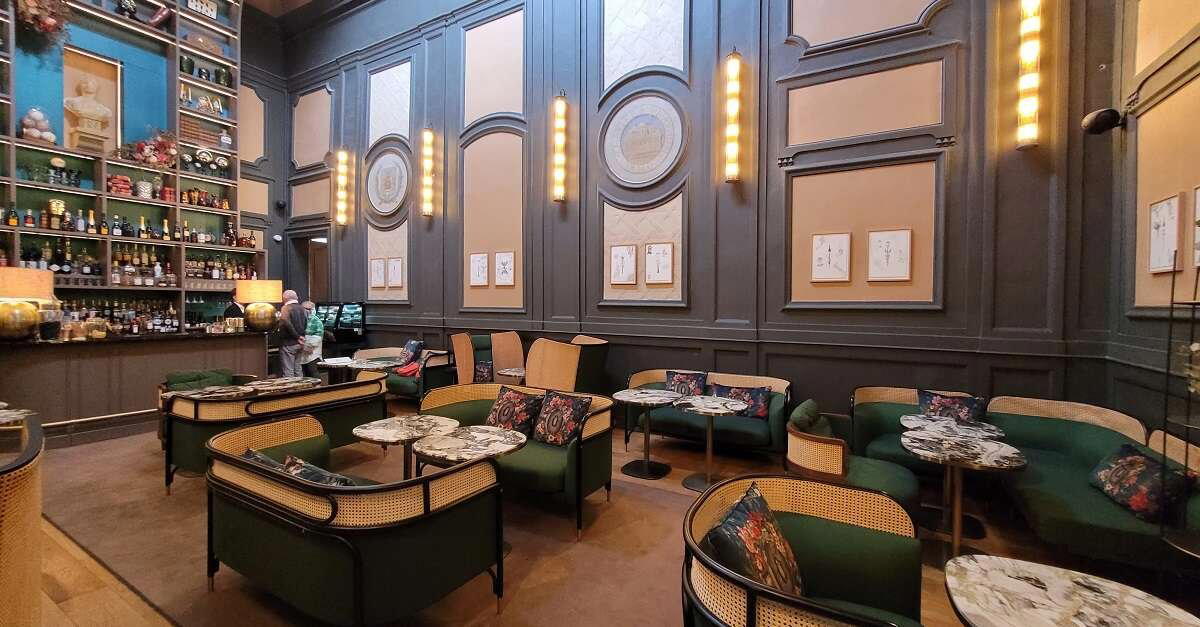
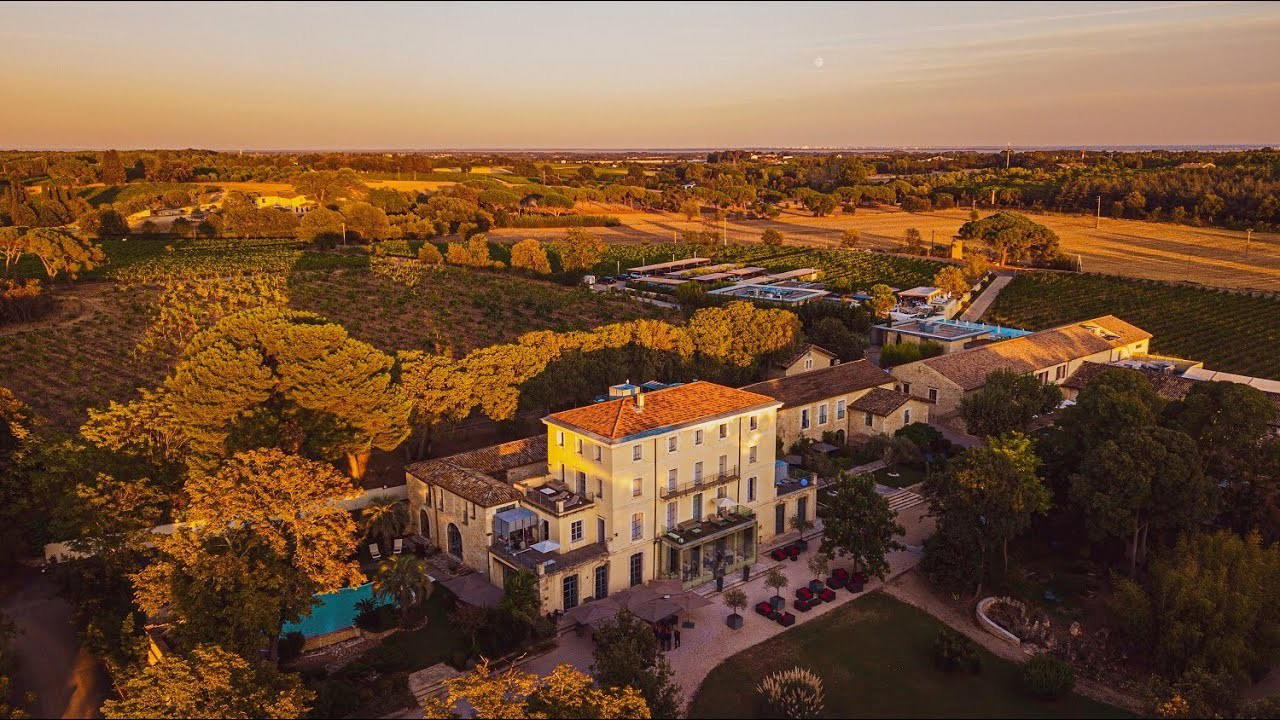
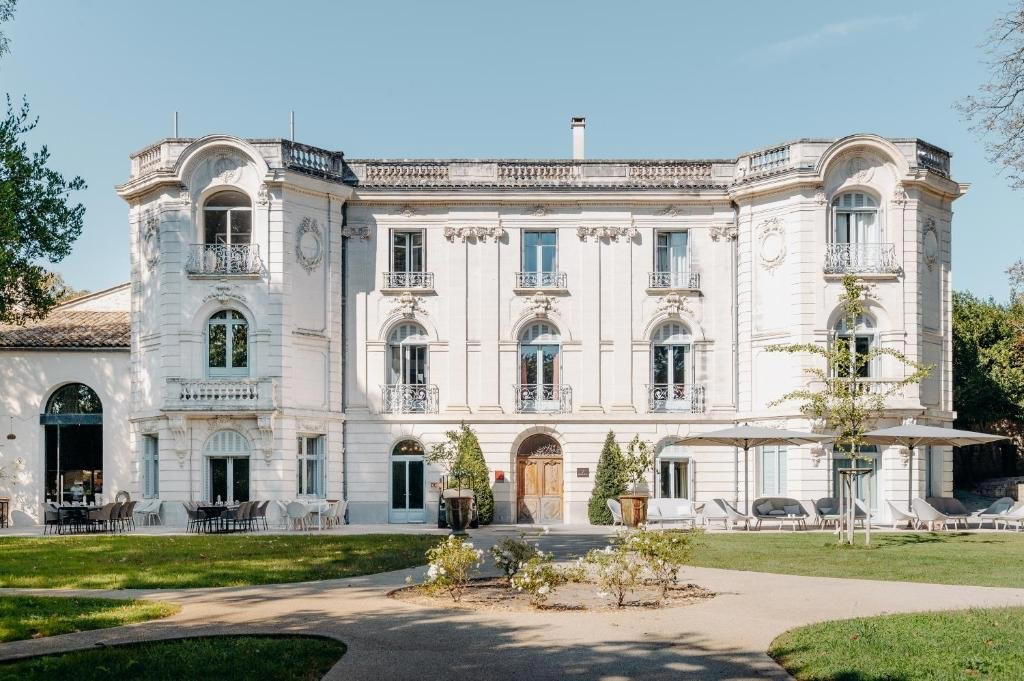
Hotels in Montpellier
Browse all →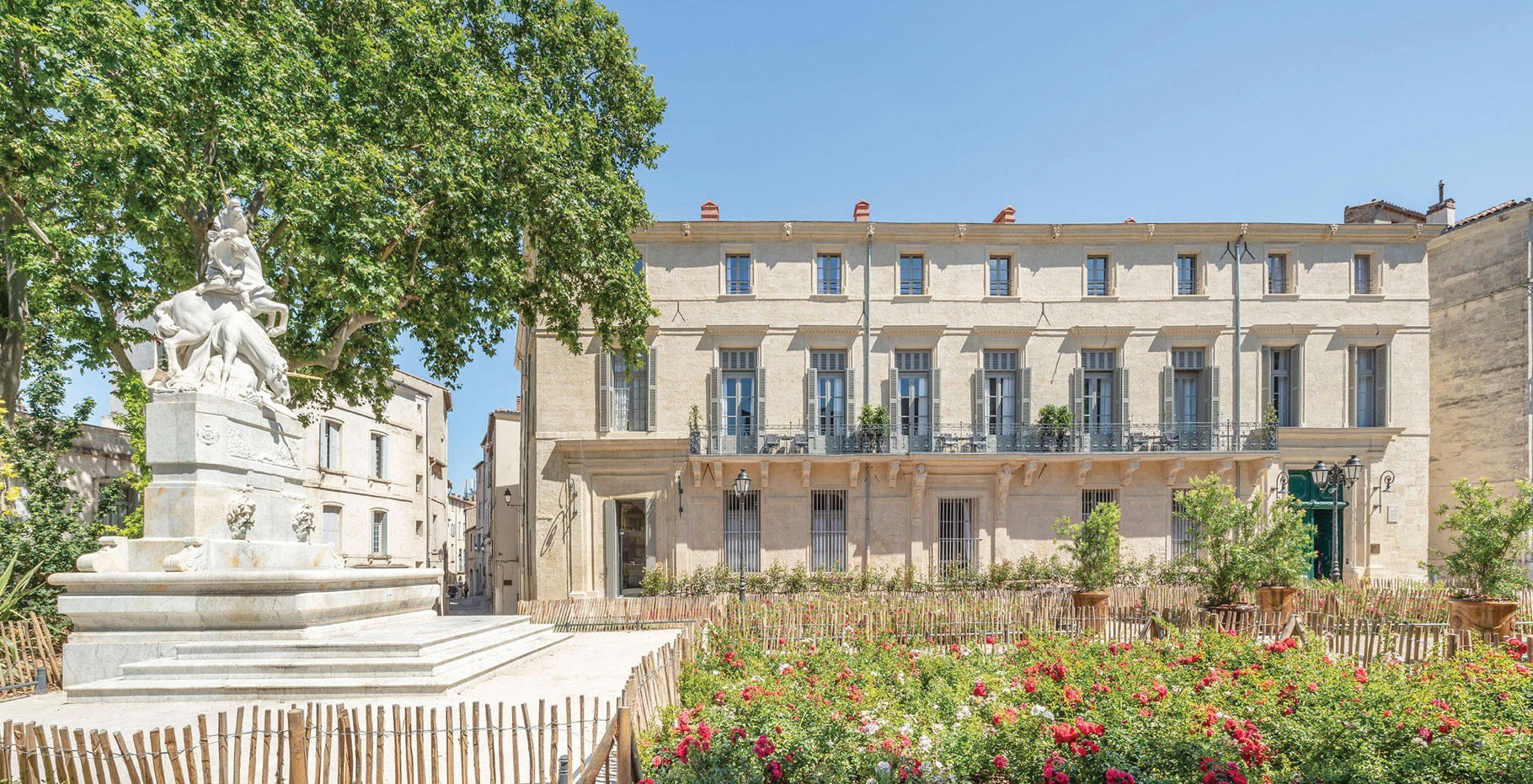

At a Glance
- Industrial
- Modern
- Trendy
- Elegant
- Date Night
- Business Dinner
- Group Dining
- Celebration
- Open Kitchen
- Terrace
- Private Dining
- Extensive Wine List
- Local Sourcing
Current opening hours
- Monday
- 12–2 PM, 8–11 PM
- Tuesday
- 12–2 PM, 8–11 PM
- Wednesday
- 12–2 PM, 8–11 PM
- Thursday
- 12–2 PM, 8–11 PM
- Friday
- 12–2 PM, 8–11 PM
- Saturday
- 12–2 PM, 8–11 PM
- Sunday
- 12–2 PM
Hours can change for holidays and private events. Last verified .
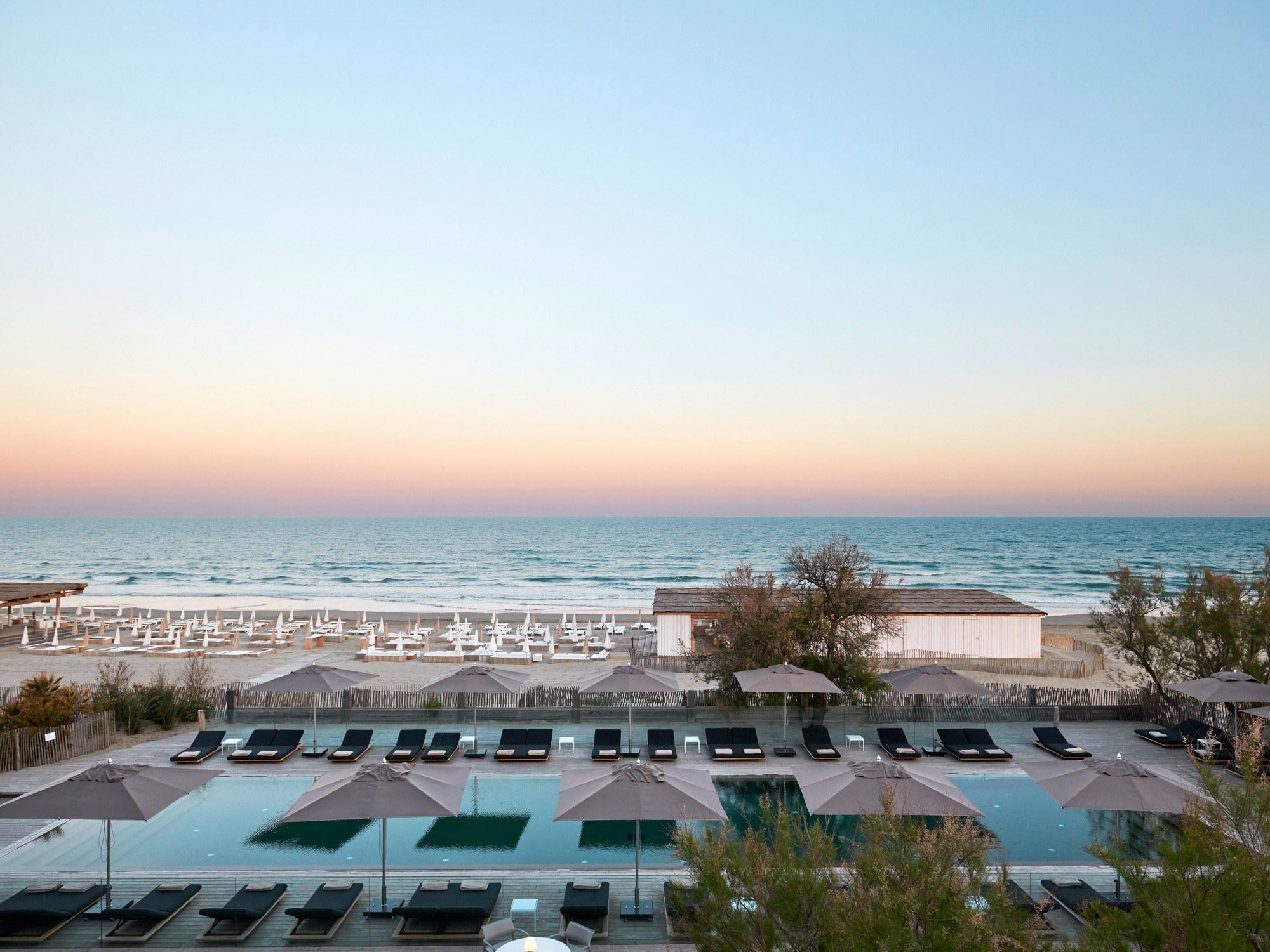
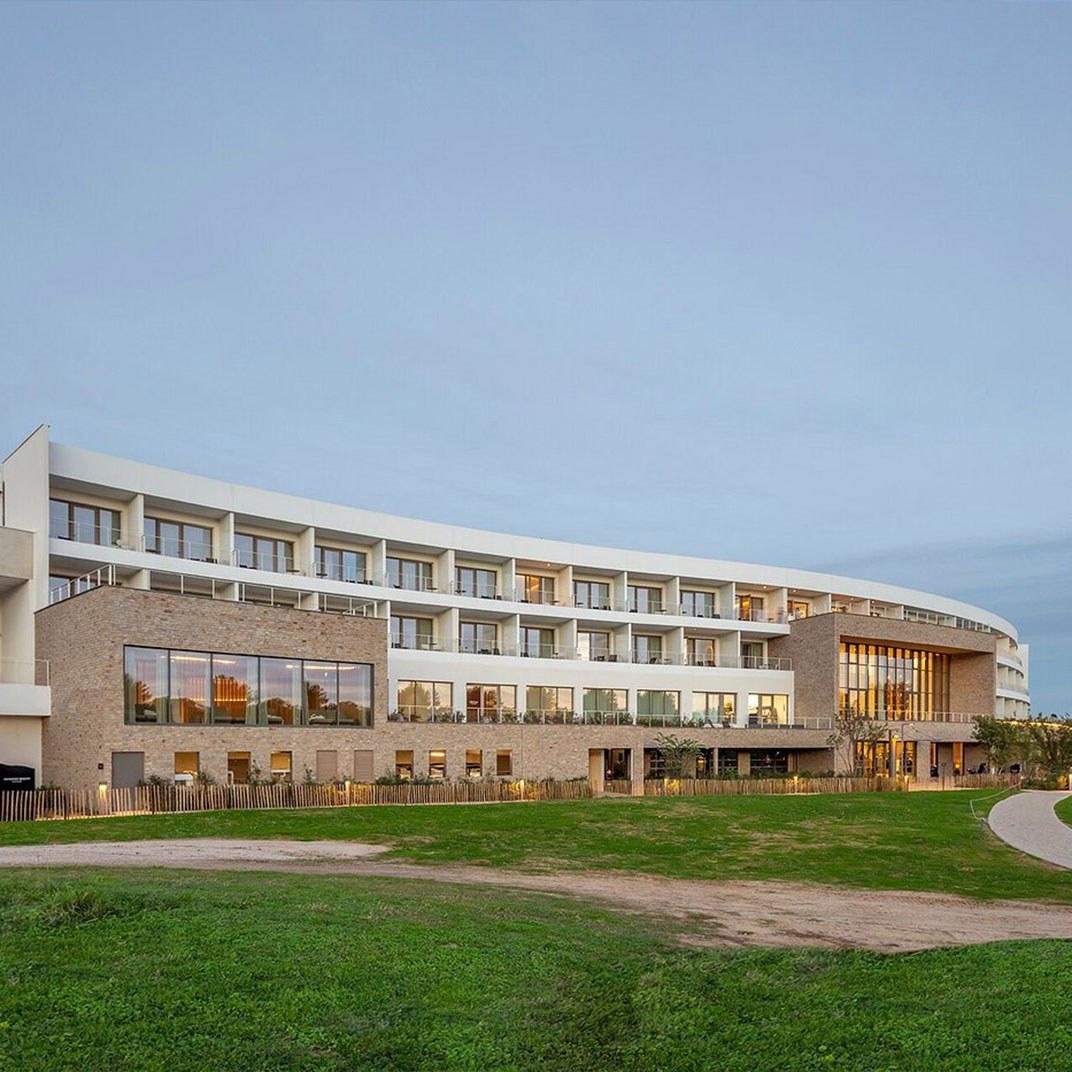
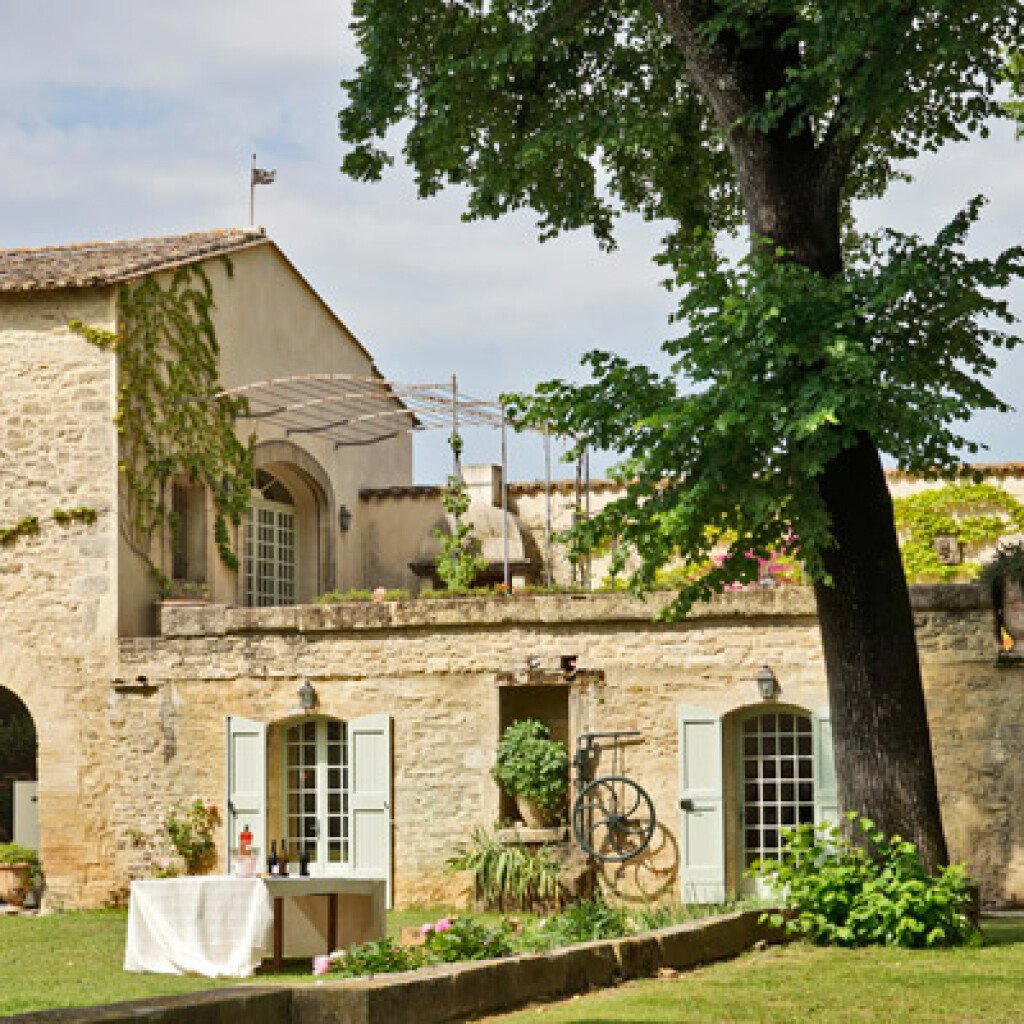
Neo-industrial space blending stone, steel, and wood with open kitchen views, cheerful and elegantly staged dining areas, though sometimes noisy.