
Michelin Plate
Our verdict
A Michelin Plate-recognised tavern in the historic quarter of Maratea, Taverna Rovita occupies an 18th-century kitchen space decorated with Vietri ceramics and serves traditional Basilicata recipes, including the house speciality polpo murato. The wine list runs to around 400 labels, and small groups of up to six can reserve the wine cellar for dinner surrounded by collector-grade bottles.

Pearl is the En Primeur Club membership app, where members save venues, book tables and use the concierge.
The menu
What to order
- Polpo murato
- Fusilli with sausage ragù
- Seabass with almond breadcrumb crust
- Chef's fantasy pasta
Old Stone, Slow Food: Dining in Maratea's Historic Quarter
The upper village of Maratea sits high above the Tyrrhenian coast, connected by steep lanes that empty out onto a main square where not much seems to have changed in centuries. Via Rovita runs just a few metres from that square, and it is on this street that the physical setting of Taverna Rovita makes its case before a single dish arrives. The kitchen infrastructure dates to the 18th century, a fact that matters here not as decor flourish but as structural context. Southern Italian cooking traditions, particularly those of Basilicata, developed in conditions of scarcity and ingenuity, and the kitchens that shaped those recipes were built to last. Walking into a room where that continuity is materially present changes how you receive what comes out of it.
The interior reinforces the period without costuming it. Vietri ceramics line the walls, the distinctive hand-painted ware from the Amalfi Coast town of the same name, which has supplied taverns and farmhouses across southern Italy for generations. It is a decorative tradition that signals belonging to a specific regional culture rather than a generic rustic aesthetic.
What Basilicata Puts on the Plate
Basilicata is one of Italy's least-visited regions and, proportionally, one of its most culinarily coherent. The food here draws on ingredients that were historically available rather than fashionable: legumes, preserved meats, foraged herbs, freshwater and coastal fish, and the intensely flavoured peppers that define the region's charcuterie tradition. The coastal strip around Maratea adds Tyrrhenian seafood to that interior larder, creating a cuisine that moves between mountain and sea in ways that the more touristed parts of southern Italy have largely smoothed over.
Polpo murato, stewed octopus, listed as one of the house specialities here, is a good example of how coastal Basilicata cooking works. The technique is slow and contained, building flavour through time rather than embellishment. The ingredient comes from the water directly below the town; the method comes from the domestic kitchens that have been cooking octopus this way for longer than the current building has been standing. That lineage is what distinguishes a dish from being merely regional and makes it worth seeking out specifically in the places where it has not been adapted for outside tastes.
The kitchen's stated interest in introducing guests to local recipes rather than accommodating away from them is not a small thing in a town that receives summer visitors. The temptation to soften regional specificity for broader palatability is real across southern Italy's tourist corridor, and restaurants that resist it provide something genuinely different from the trattorias that have gradually converged on an inoffensive middle ground. For context on what Basilicata cuisine looks like at another address in the region, Al Becco della Civetta in Castelmezzano and Da Peppe in Rotonda both work the same culinary territory from different parts of the province.
A Wine List Built Around Scale, Not Prestige
Around 400 labels is a substantial cellar for a mid-price tavern in a small Lucanian town. What is more informative than the number is the curatorial logic: a particular emphasis on France alongside small-scale producers from Italy and further afield. This is not the wine list of a restaurant trying to impress with recognisable names. The French focus and small-producer orientation suggest a collector's disposition, someone buying on quality and interest rather than on the expectation that guests will recognise the label. At this price point, that kind of list is rare.
The wine cellar dining option makes that collection literal. Groups of up to six can book a private dinner surrounded by old bottles, many of which are described as collector's items. At the mid-price range that Taverna Rovita occupies, indicated by its €€ positioning, that format offers an experience more commonly associated with much higher price tiers. Italy's top-end cellars, from Enoteca Pinchiorri in Florence to the dining rooms attached to serious producers, typically charge four times the price for a similar atmosphere. Here it is available without the tasting menu premium.
Where Taverna Rovita Sits in the Italian Dining Picture
Italy's most-discussed restaurant addresses tend to cluster in the north: Osteria Francescana in Modena, Le Calandre in Rubano, Piazza Duomo in Alba, Enrico Bartolini in Milan. The south appears in that conversation occasionally, Quattro Passi in Marina del Cantone and Uliassi in Senigallia on the Adriatic coast, but Basilicata barely registers in the national fine-dining narrative. That gap is partly the region's inaccessibility and partly a critical infrastructure problem: fewer journalists pass through, so fewer places get written about, regardless of what they are serving.
Michelin has recognised Taverna Rovita with a Plate in both 2024 and 2025, a designation that signals cooking worth a stop rather than a destination in itself. Across Italy, Michelin Plate restaurants occupy a different competitive set from the starred rooms at Dal Pescatore in Runate or Reale in Castel di Sangro and Atelier Moessmer Norbert Niederkofler in Brunico. The Plate is not a consolation; it is a different category, one that often includes addresses where the cooking is rooted and consistent rather than ambitious and evolving. Taverna Rovita fits that profile.
Planning Your Visit
Maratea is reached most practically by car from Naples (approximately 2.5 hours south on the A3 motorway) or from Cosenza in Calabria to the south. A small train station serves the town, though the village itself requires a climb from the coastal strip. Taverna Rovita sits at Via Rovita, 13 in the old upper village, a short walk from the main square. The €€ price range places it at a level where most guests will spend comfortably without pre-planning a budget. The private wine cellar option for groups of up to six is worth requesting in advance, as that format requires arrangement rather than walk-in access. No booking information is published online, so contact via direct approach to the restaurant is the practical route.
For those building a broader Maratea itinerary, our full Maratea restaurants guide covers the wider dining picture, while the Maratea hotels guide, bars guide, wineries guide, and experiences guide cover the rest of what the town offers across its small but coherent visitor circuit. Casa Perbellini 12 Apostoli in Verona represents the kind of Italian cooking that occupies the upper end of the national conversation; Taverna Rovita operates at a different register entirely, one defined by local ingredient tradition and continuity rather than culinary ambition. Both have their logic. In Maratea, in an 18th-century kitchen with Vietri ceramics on the walls and 400 bottles below your feet, the latter is the more interesting proposition.
Frequently asked questions
What do people recommend at Taverna Rovita?
The polpo murato, slow-stewed octopus, is listed as a house speciality and is the dish most directly representative of the coastal Basilicata tradition the kitchen is committed to. The Michelin Plate recognition in both 2024 and 2025 signals consistent quality in the kitchen's handling of local recipes. The wine list, at around 400 labels with a focus on France and small-scale Italian producers, is worth engaging with beyond the house pour, particularly given the price tier.
What is the atmosphere like at Taverna Rovita?
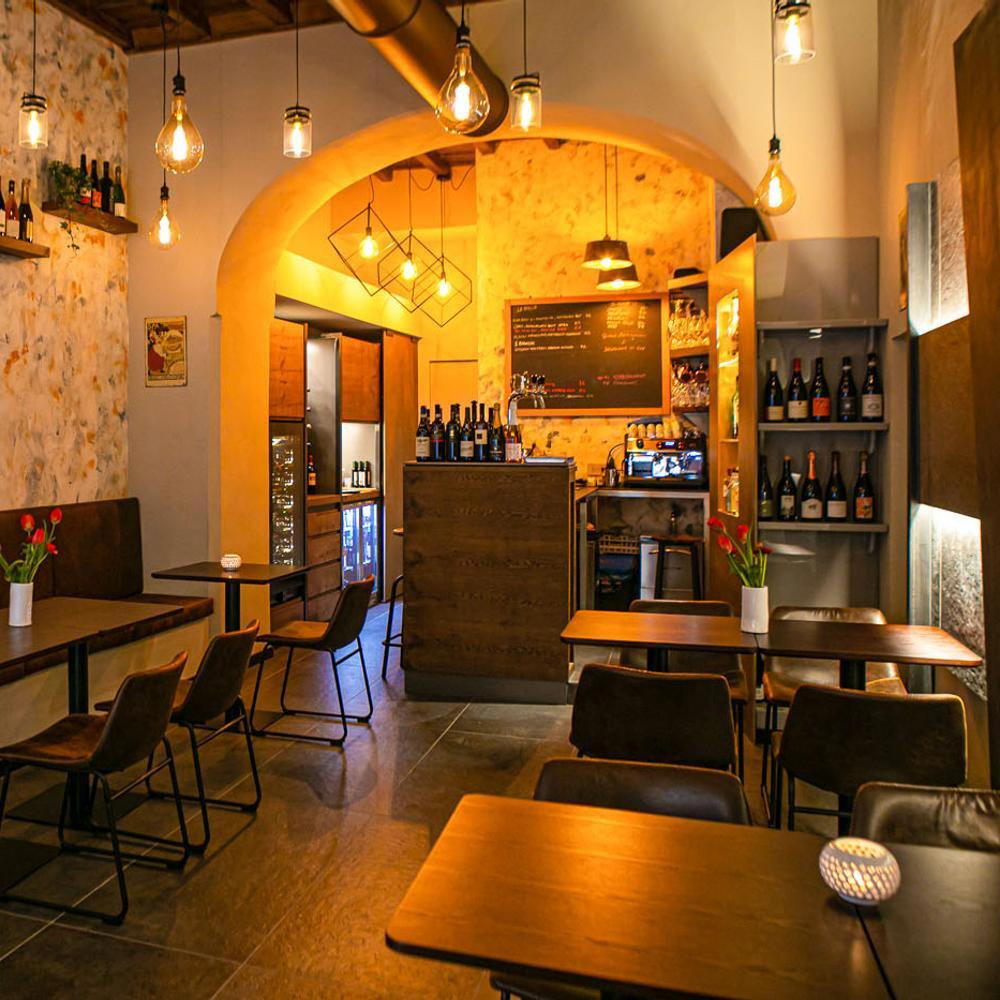
The room is a historic tavern in the old quarter of Maratea, with an 18th-century kitchen structure and walls decorated with Vietri ceramics, the traditional hand-painted ware of southern Italy. It reads as a working local restaurant rather than a curated dining room. At the €€ price point, in a town the size of Maratea, the atmosphere is closer to a serious neighbourhood trattoria than to anything resembling formal fine dining. The private wine cellar, available for groups of up to six, shifts the atmosphere considerably: surrounded by old and collector-grade bottles, it is a more intimate and characterful format than the main room alone suggests.
Is Taverna Rovita suitable for children?
At the €€ price range, in a traditional tavern setting in a small historic town, the environment is generally relaxed enough for families. The food is rooted in recognisable southern Italian cooking traditions rather than highly elaborate tasting formats, which makes it more accessible across ages. The private wine cellar option is capped at six guests, so it works better for adult groups or families with older children who are comfortable in a focused dining setting. No specific children's menu or policy is published.
At-a-Glance Comparison
| Venue | Cuisine | Price | Awards | Notes |
|---|---|---|---|---|
| Taverna RovitaThis venue (the venue you are viewing) | Traditional Lucanian Mediterranean | $50–100 | Michelin Plate | Not listed |
| Atelier Moessmer Norbert Niederkofler | Modern Alpine Fine Dining | $300–500 | 3 Michelin Stars · World's 50 Best #20 | Italian, Creative |
| Dal Pescatore | Classic Italian Fine Dining | $200–300 | 3 Michelin Stars · World's 50 Best #38 | Italian, Italian Contemporary |
| Enoteca Pinchiorri | Contemporary Italian Fine Dining | $200–300 | 3 Michelin Stars · World's 50 Best #32 | Italian - French, Italian Contemporary |
| Enrico Bartolini | Modern Italian Fine Dining | $300–500 | 3 Michelin Stars · World's 50 Best #85 | Creative |
| Osteria Francescana | Avant-Garde Italian Contemporary | $300–500 | 3 Michelin Stars · World's 50 Best #1 | Progressive Italian, Creative |
Recognition history
Dated appearances from independent guides and award organizations, with the underlying list record or original source where available.
Michelin Plate
Michelin
Full recognition history (3 entries)
Michelin Plate
Michelin
Michelin Plate
Michelin
Continue exploring
More in Maratea
Restaurants in Maratea
All restaurants in Maratea →
Hotels in Maratea
All hotels in Maratea →
Wineries in Maratea
Browse all →

Details
- Romantic
- Classic
- Rustic
- Intimate
- Cozy
- Date Night
- Celebration
- Special Occasion
- Historic Building
- Wine Cellar
- Private Dining
- Extensive Wine List
- Local Sourcing
- A La Carte
- Tasting Menu
- Wine
- Pescatarian Friendly
Rustic, intimate dining room with Vietri ceramics and historic decor; bright lighting noted by some guests; small space with approximately 7 tables creating a cozy but formal atmosphere.