Tartine Bakery


Tartine Bakery on Guerrero Street has shaped how San Francisco thinks about bread for more than two decades. Chad Robertson and Elisabeth Prueitt's sourdough country loaf draws consistent lines on weekends, while the morning buns and banana cream tart have become reference points for craft baking across the city. Ranked #62, #72, and #84 on Opinionated About Dining's Cheap Eats list in successive years, it remains one of the country's most cited independent bakeries.
 Discover on Pearl
Pearl is the En Primeur Club membership app — saves, bookings, and concierge access live there. Same editors, same standards.
- Address
- 600 Guerrero St, San Francisco, CA 94110
- Phone
- (415) 487-2600
- Website
- tartinebakery.com
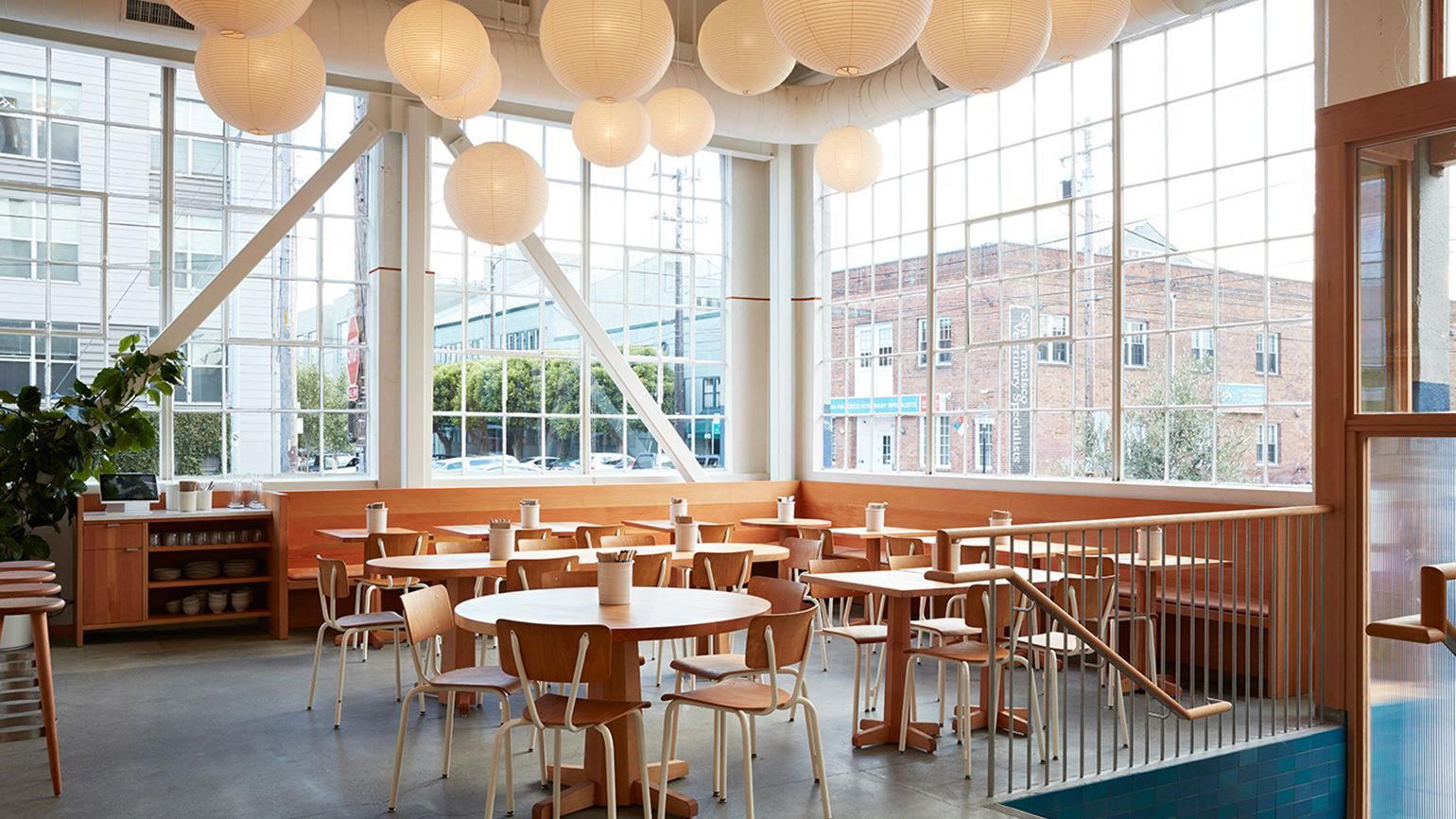
Where the Line Forms Before the Door Opens
On any given Saturday in the Mission District, a queue extends along 18th Street before Tartine Bakery finishes its morning setup. That queue is not incidental to the experience, it is, in a sense, the experience. San Francisco has a dense concentration of serious bakeries: Arsicault Bakery, b. patisserie, Craftsman and Wolves, Jane The Bakery, and Neighbor Bakehouse all operate at a high level within different registers of the craft. Tartine sits in its own tier within that group, defined less by price or format than by the degree to which its approach to fermentation and sourcing has influenced what surrounds it.
The bakery occupies the corner of Guerrero and 18th, in a neighborhood that has shifted from working-class Latino to mixed-income creative over the past two decades. The physical space is modest relative to the reputation: warm tones, open shelving, the particular smell of sourdough that has become shorthand in American food culture for a certain kind of seriousness. What Tartine has built here is not atmosphere as a design project but atmosphere as a byproduct of process.
Grain, Fermentation, and the Logic Behind the Loaf
American artisan bread culture pivoted meaningfully in the 2000s around a specific argument: that flour provenance, milling method, and fermentation time matter more to the final product than any single technique. Tartine became one of the most visible tests of that argument. Chad Robertson's country loaf, baked in the late afternoon and sold until it runs out, is built on long cold fermentation and a high-hydration dough that demands both strong flour and precise timing from the baker.
The sourcing logic behind that loaf connects to a broader shift in how serious American bakeries now operate. Where earlier craft operations focused primarily on technique, the current generation treats grain selection as the upstream variable that everything else depends on. Regional wheat varieties, stone-milled flour, and relationships with specific farms have become as relevant to a bakery's editorial identity as the baker's training. Tartine's sustained influence sits partly in how early it made that argument legible to a general audience through the physical evidence of the loaf itself.
The morning bun offers a different demonstration. Built on laminated dough, rolled in orange zest and cinnamon sugar, it occupies a category where the differential between good and mediocre is almost entirely a function of butter quality and the discipline of the lamination process. Tartine's version has been a reference point for bakers across the country, and its replication by other operations is, in a way, evidence of the original's influence rather than a threat to it. The same logic applies to the banana cream tart, which operates in the register of classical French patisserie technique applied to California produce.
This is what distinguishes Tartine from the broader category of destination bakeries: its menu functions as a set of arguments about sourcing and process, not as a collection of crowd-pleasers assembled for commercial appeal. That distinction is harder to maintain over time than it sounds, particularly for an operation that has attracted the level of attention Tartine has.
How Tartine Positions Within the San Francisco Baking Scene
San Francisco's reputation as a serious food city rests on more than its fine dining tier. Venues like The French Laundry in Napa, Single Thread Farm in Healdsburg, and at the city level, operations across the $$$$ bracket, define one axis of the regional culinary reputation. But the craft food category, bakeries, fermenters, producers, defines a different and arguably more durable axis, one where San Francisco consistently operates above most comparable American cities.
Within that craft category, Tartine occupies a position closer to Radio Bakery in New York City or 26 Grains in London than it does to the pastry programs attached to fine dining restaurants like Le Bernardin in New York City or Alinea in Chicago.
Chad Robertson and Elisabeth Prueitt's roles in establishing the bakery have been widely covered in the food press, and their books have extended the bakery's influence well beyond California. But that biographical fact is less interesting than what it implies about Tartine's position in the category: it is one of a small number of American bakeries that has translated a specific set of sourcing and fermentation principles into a mass-legible cultural object. The country loaf is the clearest example, but the principle extends across the pastry case.
Visiting: What to Expect and When to Arrive
Tartine operates seven days a week, opening at 8 am each day and closing at 5 pm. The country loaf has historically been available in the late afternoon on weekdays and Saturdays, which means morning visits are primarily for pastries, morning buns, croissants, and the tart selection. Weekend afternoons, particularly Saturdays, draw the longest waits. Weekday mornings offer the most manageable experience for those whose priority is the pastry program rather than the bread.
The bakery sits at 600 Guerrero Street in the Mission District. Street parking is limited on weekends. The Google rating of 4.5 from 5,833 reviews reflects volume as much as consistency.
The Mission itself rewards time: Emeril's in New Orleans and Providence in Los Angeles represent the kind of anchor-restaurant model that defines other American food cities, but San Francisco's craft-first culture means that a morning at a bakery can carry as much editorial weight as a dinner reservation.
Category Peers
Comparable venues nearby, for context on price, style, and recognition.
| Venue | Cuisine | Price | Awards | Notes |
|---|---|---|---|---|
| Tartine BakeryThis venue — the venue you are viewing | Artisan Bakery & Cafe | $$ | ||
| SIDE A | Modern American Bistro | $$ | Mission | |
| ABV | Craft Cocktail Bar with American Gastropub Fare | $$ | Mission | |
| Smish Smash | Smash Burgers | $$ | South of Market | |
| Craftsman and Wolves | Contemporary Pâtisserie | $$ | Mission | |
| Alta CA | Modern California | $$ | , | Mid-Market |
Continue exploring
More in San Francisco
Restaurants in San Francisco
Browse all →
Bars in San Francisco
Browse all →
Hotels in San Francisco
Browse all →
At a Glance
- Cozy
- Rustic
- Trendy
- Iconic
- Brunch
- Casual Hangout
- Open Kitchen
- Organic
- Local Sourcing
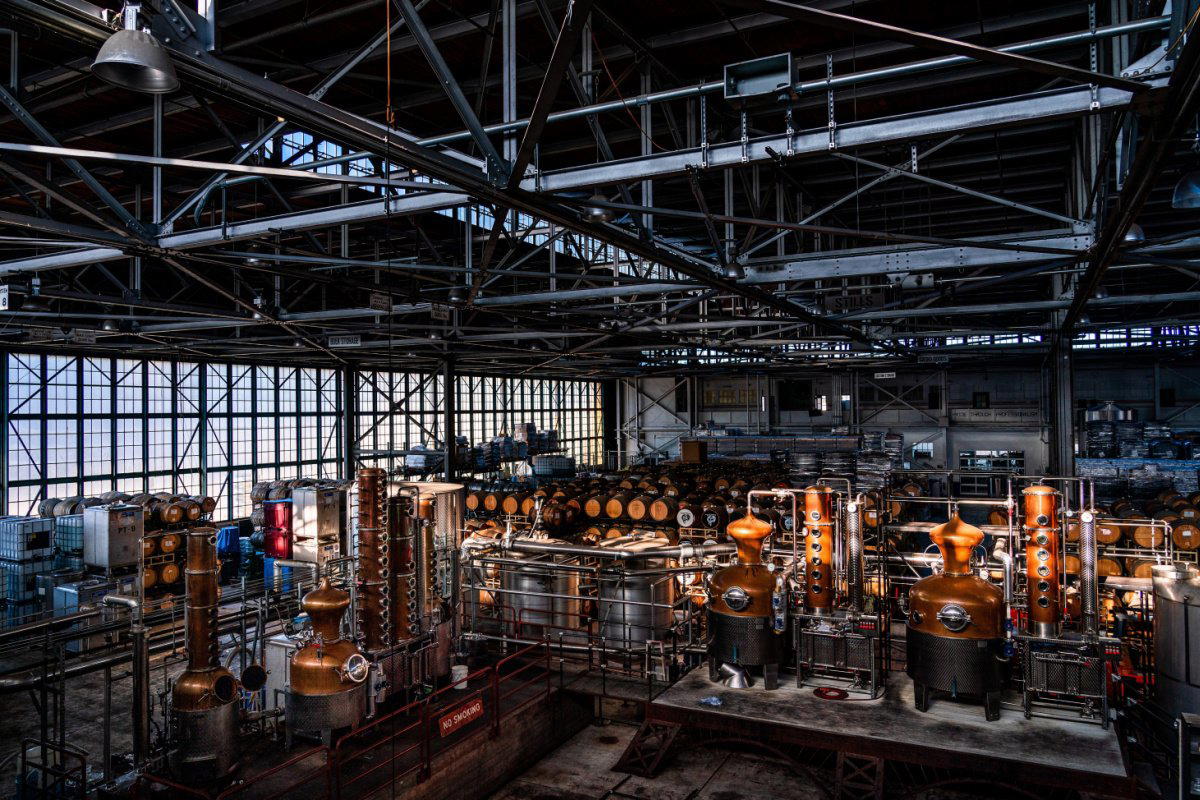
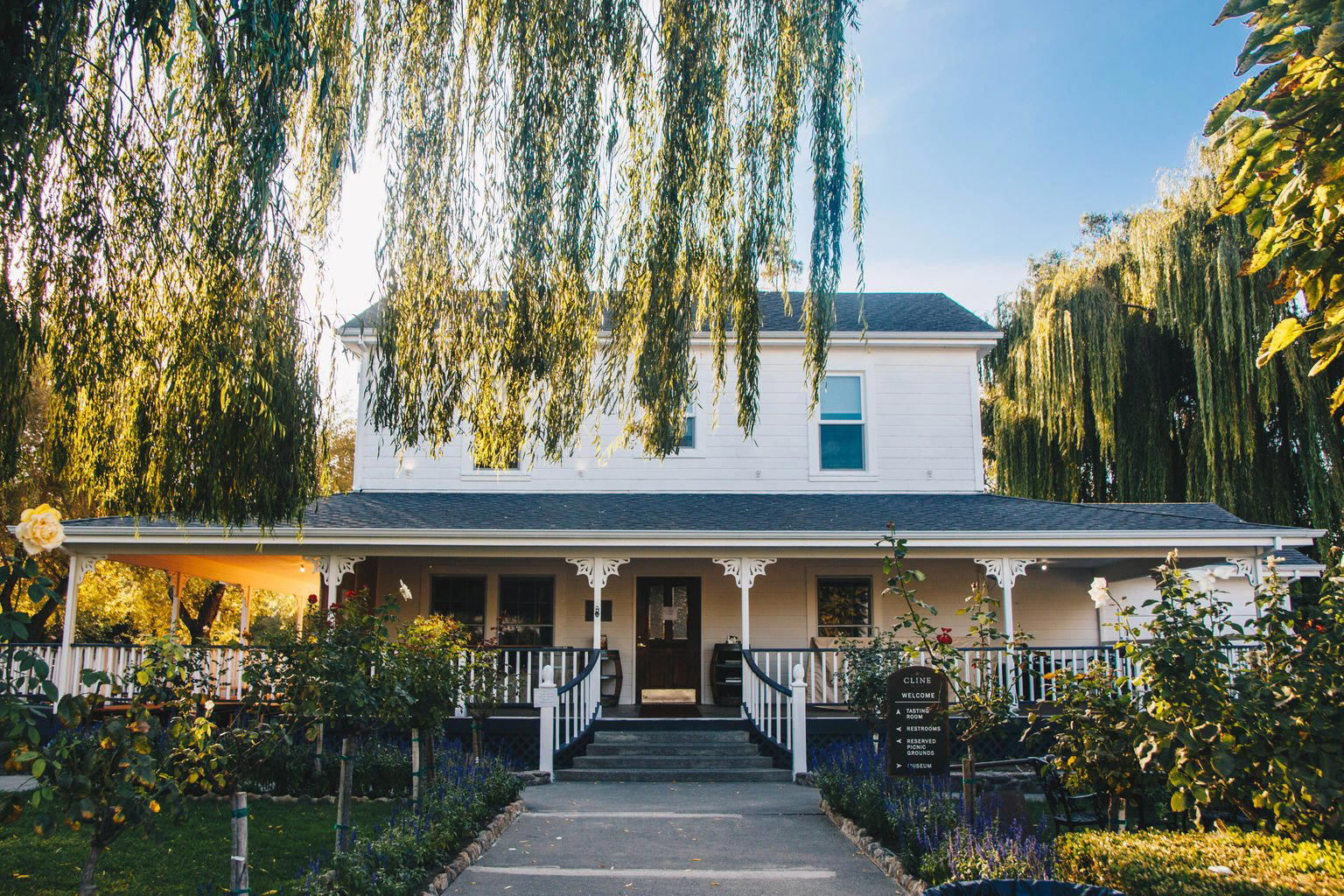
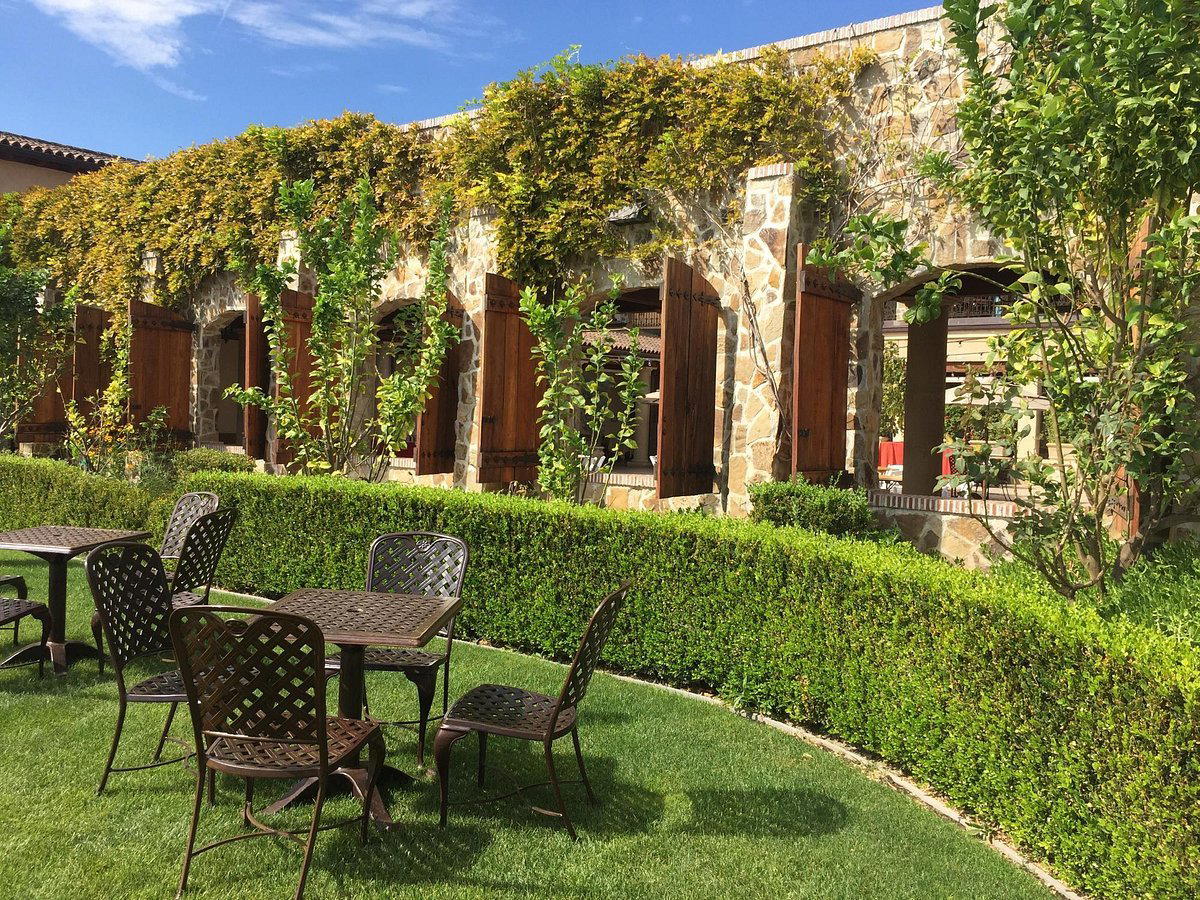
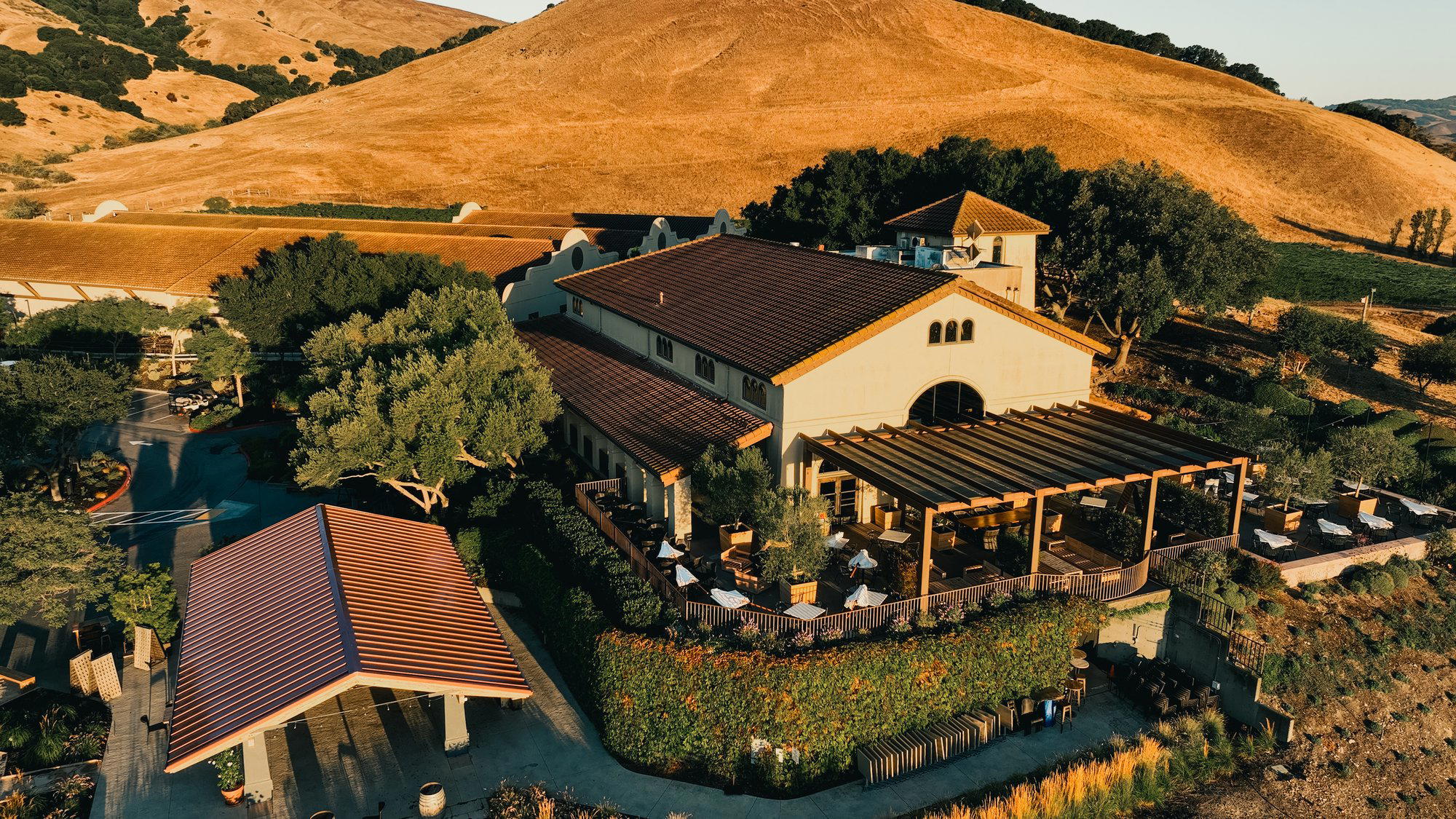
Cozy yet lively atmosphere with natural light, featuring cramped indoor seating and outdoor tables amid the buzz of long lines and fresh baking aromas.