On Świętojańska, Gdynia's main pedestrian artery, Tapas Barcelona brings Spanish small-plate culture to a city more accustomed to Baltic fish and Polish hearth cooking. The format invites grazing rather than ordering, shared dishes arriving in sequence, portions sized for conversation. It occupies a niche that few other addresses on the street attempt.
Pearl is the En Primeur Club membership app — saves, bookings, and concierge access live there. Same editors, same standards.
- Address
- Świętojańska 23/lok.2B, 81-372 Gdynia, Poland
- Phone
- +48585008409
- Website
- tapasbarcelona.pl
- Directions
- Get directions
 Saves & bookings on Pearl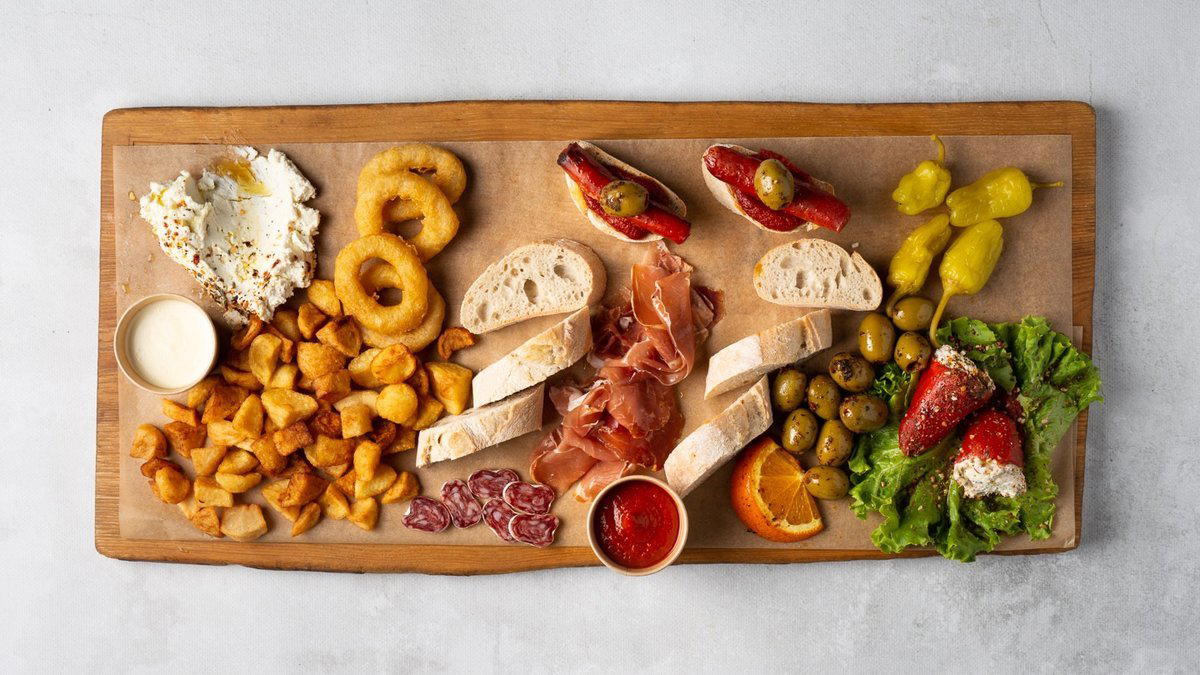
Spanish Small-Plate Culture on Gdynia's Central Promenade
Świętojańska is the spine of central Gdynia: a long pedestrian corridor lined with modernist facades, cafes, and restaurants that collectively define the city's dining tempo. Most addresses here default to Polish comfort food or international crowd-pleasers. Tapas Barcelona, at number 23, takes a different position, importing the structural logic of Catalan bar culture into a northern Polish city that has, historically, looked more toward the Baltic than the Iberian Peninsula for its culinary references. That positioning alone makes it worth examining on its own terms. Tapas Barcelona is a Spanish tapas restaurant in Gdynia with.
Spanish tapas is a format built on sequencing and restraint. Dishes arrive in small quantities, designed to be shared across the table, with the meal's architecture emerging from accumulation rather than a single centrepiece. In Barcelona and San Sebastián, this rhythm is second nature. Transplanted to Gdynia, it requires a diner to relinquish the Polish instinct for generous individual portions and accept a different pacing, one closer to grazing than sitting down to a full plate. Tapas Barcelona makes that case somewhere along Świętojańska, positioning itself against the broader field of Gdynia restaurants where Biały Królik leans into Polish cuisine and Butchery & Wine anchors the meats-and-grills tier.
What the Menu Structure Reveals
In tapas-format restaurants, the menu is the argument. A well-constructed small-plates list signals whether the kitchen understands the tradition or is simply applying the label. The Spanish model organises dishes by temperature, texture, and intensity: cold preparations first, then warm, then heavier meat or fish, with bread and accompaniments threaded throughout. Kitchens that apply this logic correctly produce meals that build momentum; those that ignore it serve a collection of snacks with no internal logic.
The name the restaurant signals a deliberate Catalan reference point rather than a pan-Spanish or generic Mediterranean positioning. Catalonia's food culture is specific: it draws from both coastal and mountain traditions, incorporates Moorish spicing at the edges, and prizes technique in ways that distinguish it from the Andalusian tapas more familiar to northern European diners. Whether the kitchen in Gdynia executes against that standard is a question answered by the actual dishes, but the framing sets a higher bar than a simple "Spanish food" label would.
This specificity of reference is increasingly common among European cities building out their international dining options. Gdynia's restaurant scene has diversified meaningfully over the past decade. Hashi Sushi Gdynia addresses Japanese demand, Lolo Thai Jolo covers Southeast Asian, and Kto Napoli Pizza, Pasta & Friends holds the Italian position. The restaurant occupies a lane that none of those directly competes in, Spanish cuisine, structured around sharing, in a format that rewards a slower, longer meal.
Gdynia's Dining Context and Where This Fits
Gdynia is not Gdańsk. The two cities sit twelve kilometres apart along the Tricity coastline, but their restaurant cultures have developed along different trajectories. Gdańsk has attracted more prestige-tier investment, Arco by Paco Pérez in Gdańsk is the clearest example, bringing a Michelin-pedigreed Spanish chef's name to a Baltic city in a move that would have seemed improbable a decade ago. Gdynia's offer is less high-profile but more neighbourhood-embedded: restaurants that serve a local population rather than positioning primarily for food tourism.
That distinction matters for understanding what the restaurant is doing. It is not attempting to compete with prestige-tier Spanish cooking at the level of Bottiglieria 1881 Restaurant in Kraków or the kind of technical ambition visible at Atomix in New York City. It is operating in a city where Spanish small-plate culture is not a given, and where simply doing it correctly and consistently represents genuine value. The comparison set is local: it sits alongside addresses like hub.praga in Warsaw and Muga in Poznań in the broader Polish dining conversation about what international-format restaurants can achieve outside the major culinary capitals.
Poland's secondary cities have become more interesting in this respect. Kwestia Czasu in Białystok, Cudne Manowce in Olsztyn, and Giewont in Kościelisko each demonstrate that serious cooking is no longer confined to Warsaw and Kraków. Gdynia fits that pattern, and the restaurant is one data point in a city developing genuine dining range.
The Case for Sharing-Format Dining in a Baltic City
There is a structural reason why sharing-format restaurants travel well. In cities where dining out remains a social event rather than a solo critical exercise, the tapas model aligns naturally with how people want to spend an evening. Multiple small dishes invite collective decision-making, extend the table time, and reduce the risk of a single poor choice ruining the meal. For groups navigating a restaurant they haven't visited before, this is a practical advantage.
At Świętojańska 23, the address itself is functional for this purpose. Second-floor positioning, noted in the address as lok.2B, suggests a room above street level, which in Gdynia's pedestrian-heavy central zone typically means separation from foot-traffic noise and a more composed dining environment. That kind of spatial arrangement suits the slower, more deliberate pace that tapas eating requires. A bar-level room on the street rewards quick turnover; a room above it rewards a longer evening.
For a fuller picture of what Gdynia's restaurant scene offers across cuisines and price points, the city guide maps the range. Across the wider Polish dining circuit, Górnik in Krakow, Hattori Hanzo in Czestochowa, and Hashi Sushi in Gdansk offer useful reference points for the range of specialist dining now operating outside Warsaw.
Planning Your Visit
The restaurant sits at Świętojańska 23, second floor (lok.2B), in central Gdynia, walkable from the SKM commuter rail station and the main seafront. Reservations are recommended. Evening visits on weekends, when Świętojańska is at its most active, are worth booking ahead; the sharing format means tables turn more slowly than in conventional restaurants, and capacity will be limited in a second-floor space.
Where the Accolades Land
Comparable venues nearby, for context on price, style, and recognition.
| Venue | Cuisine | Price | Awards | Notes |
|---|---|---|---|---|
| Tapas BarcelonaThis venue — the venue you are viewing | Spanish Tapas | $$ | Not listed | Not listed |
| Taverna Zante | Modern Greek Taverna | $$ | Not listed | Gdynia |
| Butchery & Wine | Steakhouse & Grill | $$$ | Michelin Plate | Not listed |
| Kto Napoli Pizza, Pasta & Friends | Neapolitan Pizza & Pasta | $ | Not listed | Gdynia |
| Hashi Sushi Gdynia | Japanese Sushi | $$$ | Not listed | Przymorze |
| Pueblo | Mexican | $$ | Not listed | Not listed |
Continue exploring
More in Gdynia
Restaurants in Gdynia
Browse all →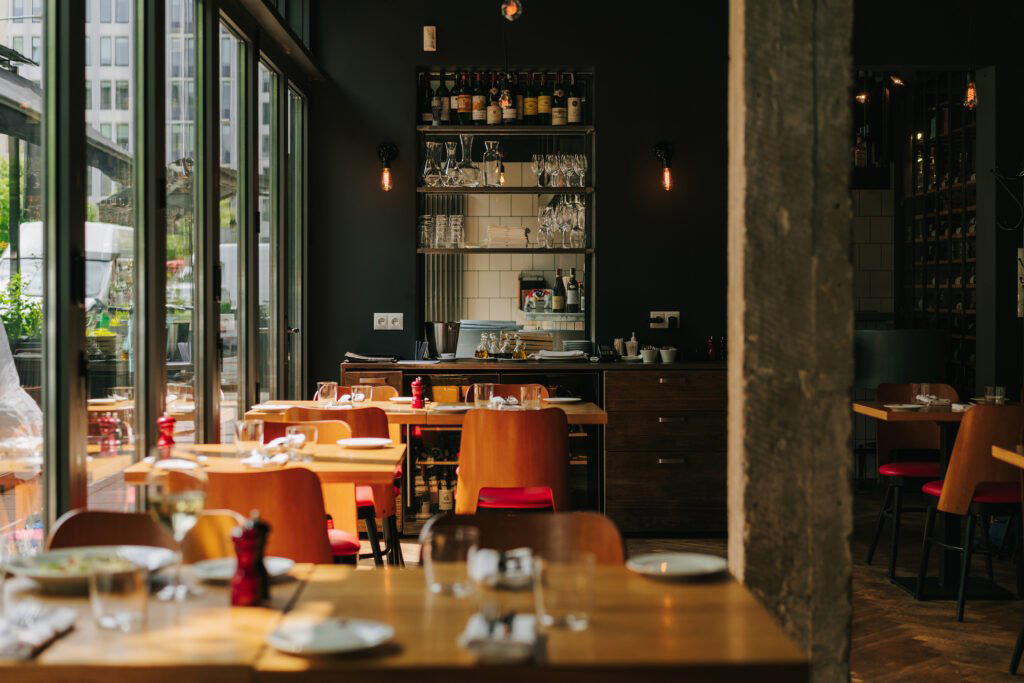
At a Glance
- Cozy
- Intimate
- Date Night
- Casual Hangout
- Open Kitchen
- Extensive Wine List
Current opening hours
- Monday
- 1–10 PM
- Tuesday
- 1–10 PM
- Wednesday
- 1–10 PM
- Thursday
- 1–10 PM
- Friday
- 1–11 PM
- Saturday
- 1–11 PM
- Sunday
- 1–9 PM
Hours can change for holidays and private events. Last verified .
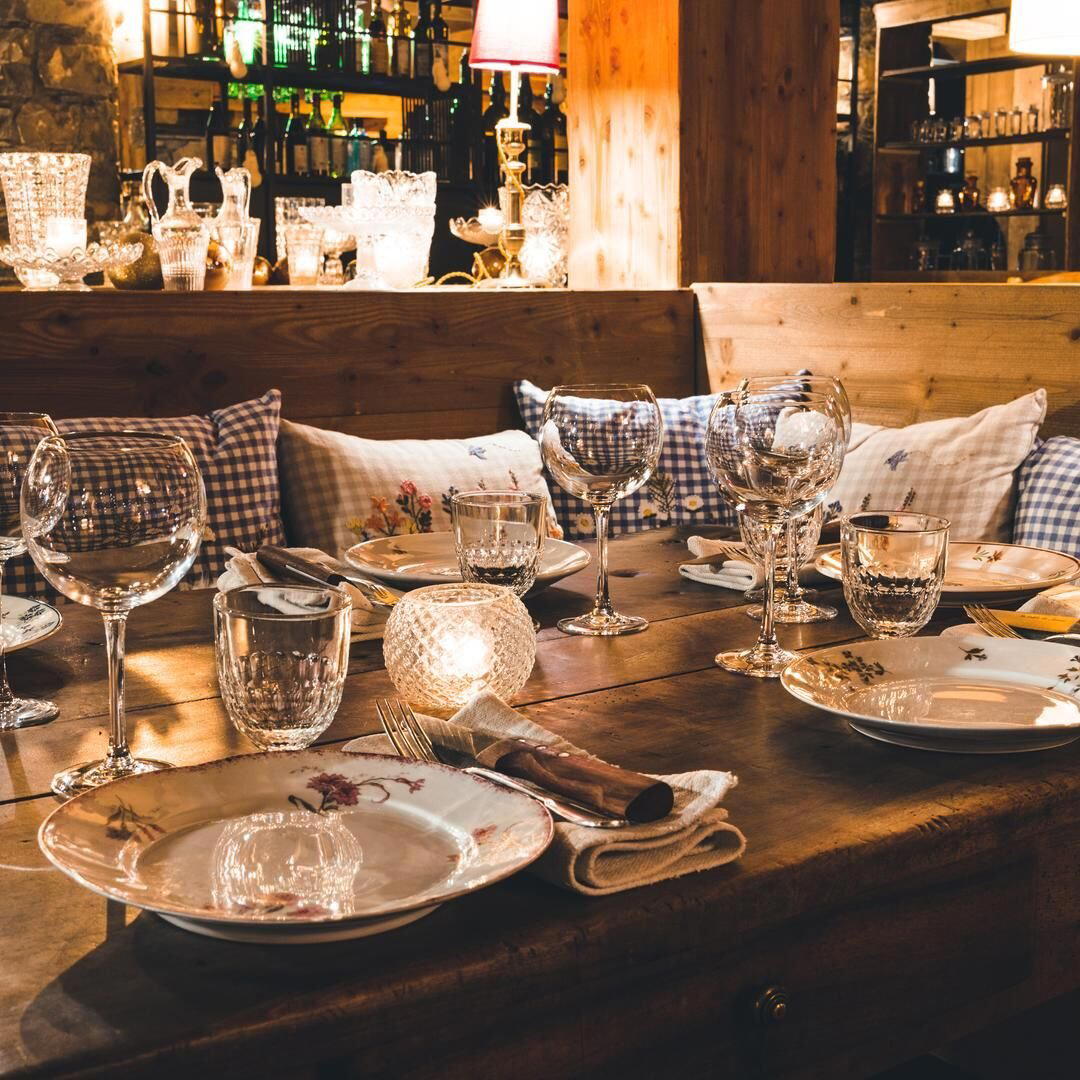
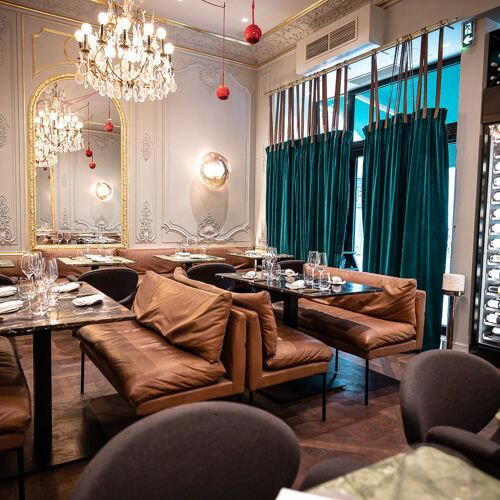
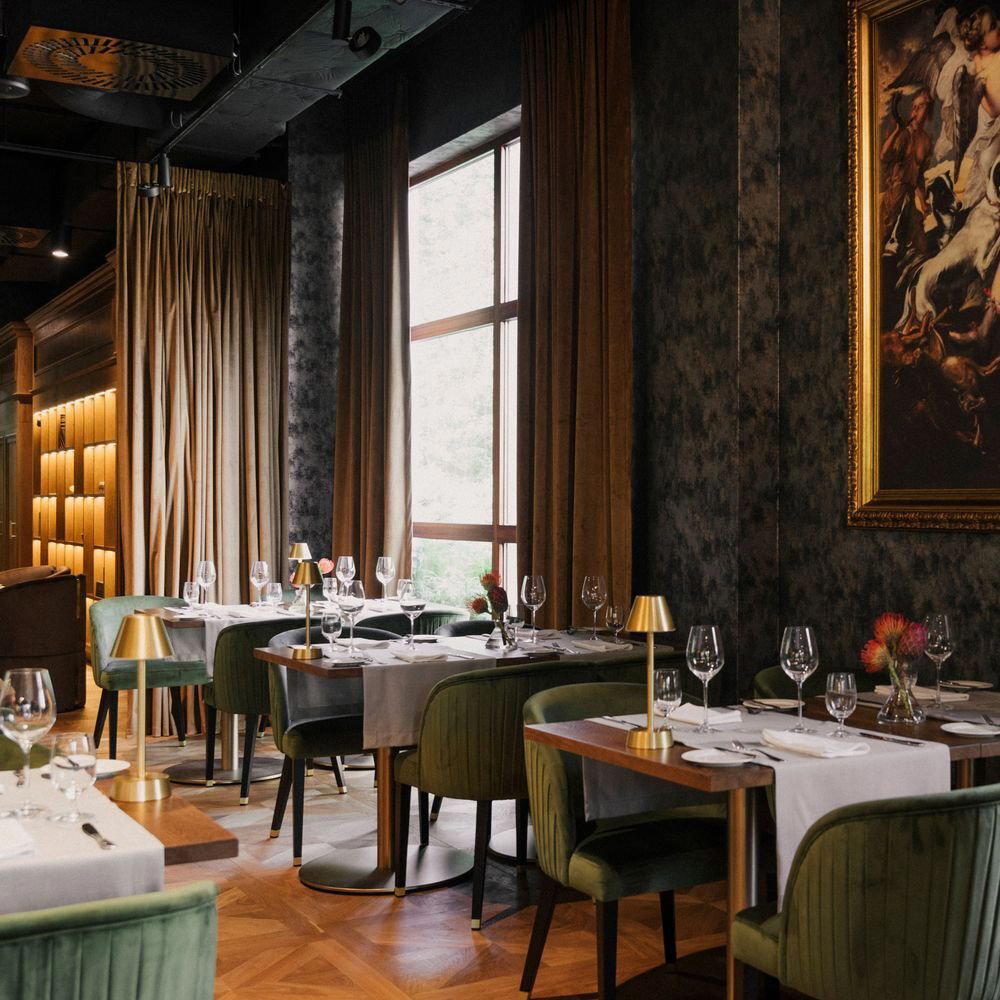
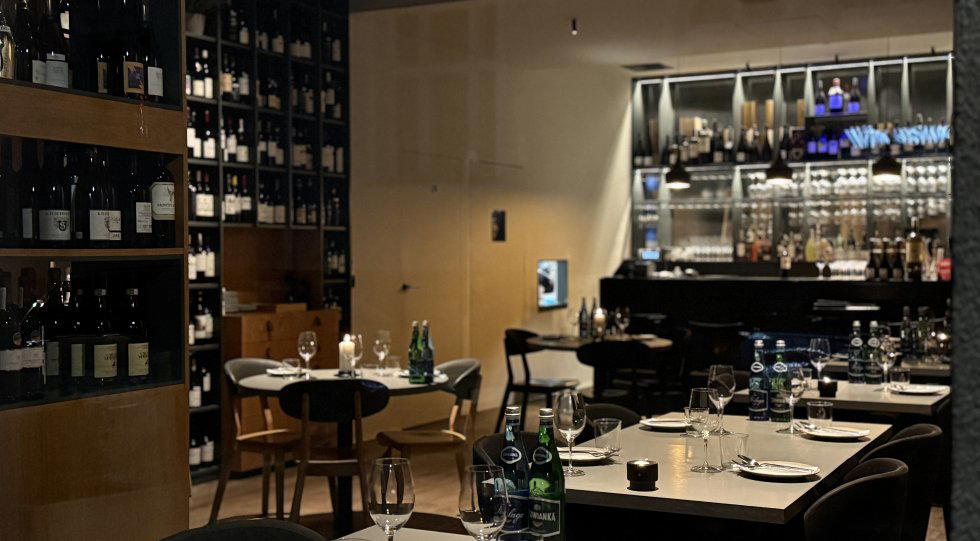
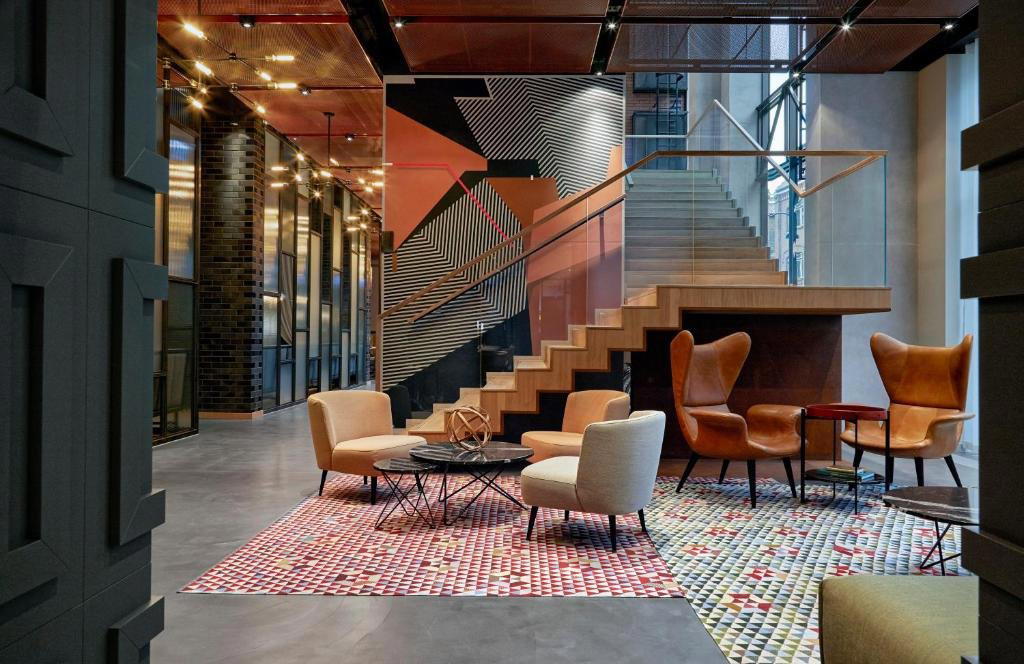
Cozy and intimate atmosphere with friendly service, well-suited for sharing tapas in a small bar setting.