Taki Omakase
Omakase dining in South Florida has largely concentrated in Miami, which makes Taki Omakase's position on Delray Beach's Atlantic Avenue worth attention. The counter format brings a chef-led, fixed-sequence structure to a stretch of East Atlantic Ave better known for casual coastal dining, positioning it as one of the few genuinely committed omakase addresses in Palm Beach County.
Pearl is the En Primeur Club membership app — saves, bookings, and concierge access live there. Same editors, same standards.
- Address
- 632 E Atlantic Ave, Delray Beach, FL 33483
- Phone
- +15617597362
- Website
- takiomakase.com
- Directions
- Get directions
 Saves & bookings on Pearl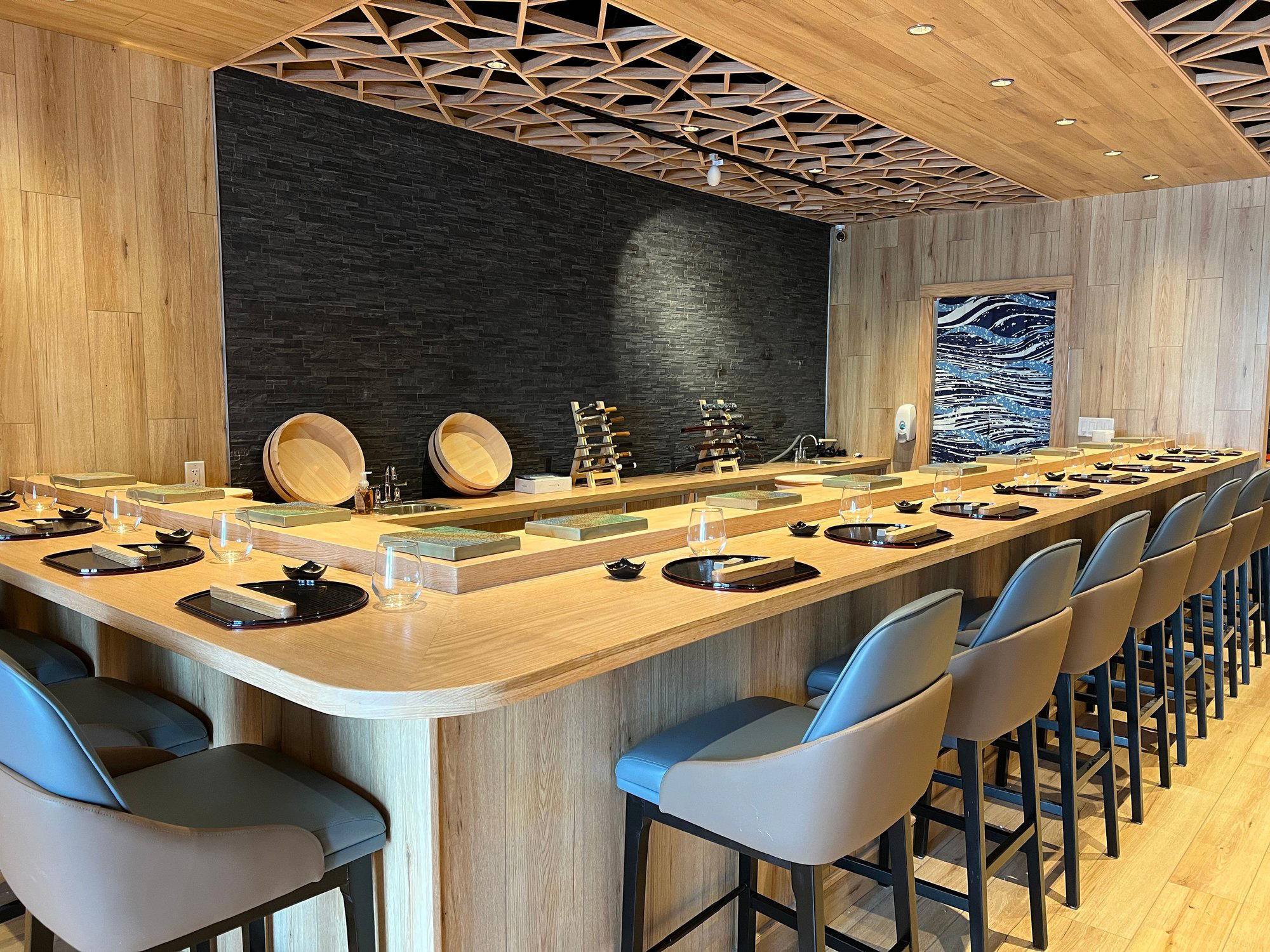
Omakase at the Edge of the Atlantic Avenue Scene
East Atlantic Avenue in Delray Beach is not where most serious omakase counters land. The strip runs toward the ocean with a character shaped by open-air bars, casual seafood houses, and the kind of tropical-breezy dining that suits a beach town in Palm Beach County. That context matters, because Taki Omakase at 632 E Atlantic Ave is operating against type. The approach from the street puts you squarely in a corridor built for relaxed volume, not the seated patience that a chef-driven, multi-course omakase format demands. Taki Omakase is a Japanese omakase restaurant at 632 E Atlantic Ave in Delray Beach, priced at about $170 per person. That friction between setting and format is, in part, what defines the address.
Omakase as a dining structure has spread well beyond its Japanese origins. In American cities with mature fine-dining ecosystems, such as Atomix in New York City or Providence in Los Angeles, the chef-controlled sequence has become a vehicle for sourcing transparency, course-by-course provenance, and waste-reduction discipline. The format suits ethical sourcing narratives particularly well: buying whole fish, using every part, and adjusting the sequence to what arrived that morning rather than what a printed menu promised weeks ago. In South Florida, that rigor has been slower to arrive outside Miami proper, which makes any serious counter north of the city worth examining on its own terms.
The Ethics of the Counter Format in a Coastal City
The omakase structure carries an implicit sustainability logic that is worth stating plainly. When a kitchen buys to a fixed guest count, waste shrinks by design. There is no à la carte buffer to absorb unsold proteins, no prep line running parallel quantities for speculative orders. The chef sequences around what is available at peak condition, which in a coastal Florida context means proximity to Gulf and Atlantic fisheries matters. South Florida has real access to domestic Gulf grouper, local yellowtail, and seasonal stone crab, species that carry shorter supply chains than the airfreighted Japanese imports that anchor many stateside omakase menus.
This sourcing geography places a Delray Beach counter in an interesting position relative to peers further north. Restaurants committed to hyper-local, low-footprint sourcing, like Blue Hill at Stone Barns in Tarrytown or Single Thread Farm in Healdsburg, have built entire identities around that constraint. The omakase counter, by its nature, already shares some of that DNA: the menu is whatever arrived today, prepared with minimal intervention, served to a small room. The format itself creates the infrastructure for that kind of discipline.
Where Taki Omakase Sits in Delray Beach's Dining Picture
Delray Beach's restaurant scene has diversified considerably over the past several years. Atlantic Avenue now carries everything from the Korean-influenced steakhouse format at Akira Back to the Eastern European dumplings of Baba Pierogies, the casual Southern comfort of Batch New Southern Kitchen, the neighborhood bistro register of Boheme Bistro, and the steakhouse weight of Bourbon Steak. That range is real progress for a mid-size Florida coastal city, but it still clusters around formats that suit high-throughput weekend traffic. An omakase counter operates on a different model: fixed capacity, fixed time, fixed price, with no walk-in flexibility and no second seating buffer.
For context on the tier the restaurant is reaching toward, consider what the omakase format looks like at its most rigorous in the United States: the sourcing transparency at Le Bernardin in New York City, the agricultural integration at The French Laundry in Napa, or the hyper-seasonal commitment at Lazy Bear in San Francisco. These are not direct peers in price tier or scale, but they represent the standard against which serious tasting-format restaurants are measured. An omakase counter in Delray Beach is not competing with those addresses, but it is drawing on the same structural logic: the chef decides, the kitchen sources for the count, and the guest trusts the sequence.
Planning a Visit
The restaurant sits at 632 E Atlantic Ave, within walkable distance of the main Atlantic Avenue corridor and the area's parking infrastructure. The omakase format generally requires advance booking, often several weeks out for weekend seatings at committed counters, and it rewards guests who communicate dietary restrictions at the time of reservation rather than at the table. Check current booking access directly with the venue or reservation platforms. Arrive on time: counter formats run on a shared clock, and late arrivals compress the experience for the full room.
The Short List
Comparable venues nearby, for context on price, style, and recognition.
| Venue | Cuisine | Price | Notes |
|---|---|---|---|
| Taki OmakaseThis venue — the venue you are viewing | East Atlantic Avenue, Japanese Omakase | $$$$ | Not listed |
| Akira Back | Not listed | $$$$ | Downtown Delray Beach, Modern Japanese Fusion |
| Gabriella's Modern Italian | Downtown Delray Beach, Modern Italian | $$$$ | Not listed |
| Tramonti | Atlantic Ave, Classic Italian Trattoria | $$$ | Not listed |
| Ganzo Sushi | Not listed | $$ | Delray Marketplace, Japanese Sushi and Asian Fusion |
| Bourbon Steak Delray Beach | Not listed | $$$$ | Atlantic Avenue, Modern American Steakhouse |
Continue exploring
More in Delray Beach
Restaurants in Delray Beach
Browse all →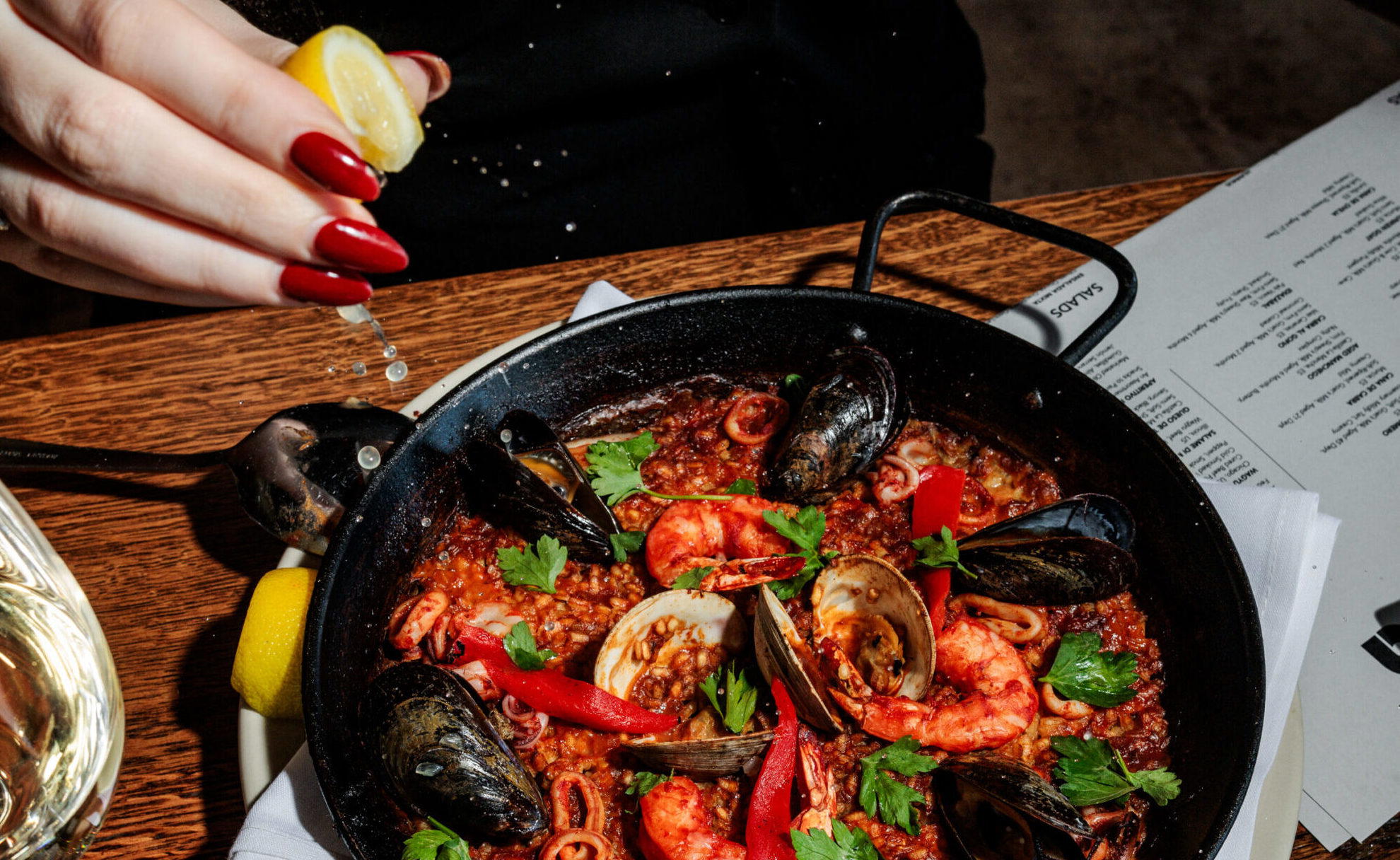
Bars in Delray Beach
Browse all →
At a Glance
- Elegant
- Intimate
- Sophisticated
- Modern
- Date Night
- Special Occasion
- Chefs Counter
- Sake Program
Current opening hours
- Monday
- 6–10 PM
- Tuesday
- 6–10 PM
- Wednesday
- 6–10 PM
- Thursday
- 6–10 PM
- Friday
- 12:30–1:30 PM, 5–11 PM
- Saturday
- 12:30–1:30 PM, 5–11 PM
- Sunday
- 12:30–1:30 PM, 6–10 PM
Hours can change for holidays and private events. Last verified .
Intimate sushi counter seating for 12 guests with a refined, chef-focused atmosphere.