Taco Tasting Room

Michelin Plate
Our verdict
Taco Tasting Room occupies a nineteenth-century building on Avenida 5 de Mayo in Centro Histórico, where the taco concept shifts from street-vendor format to plated, multi-course format. The kitchen treats masa, chili, and seasonal filling as variables worth isolating, and the result is a tasting sequence that asks you to taste corn, not just consume carbs.

Pearl is the En Primeur Club membership app, where members save venues, book tables and use the concierge.
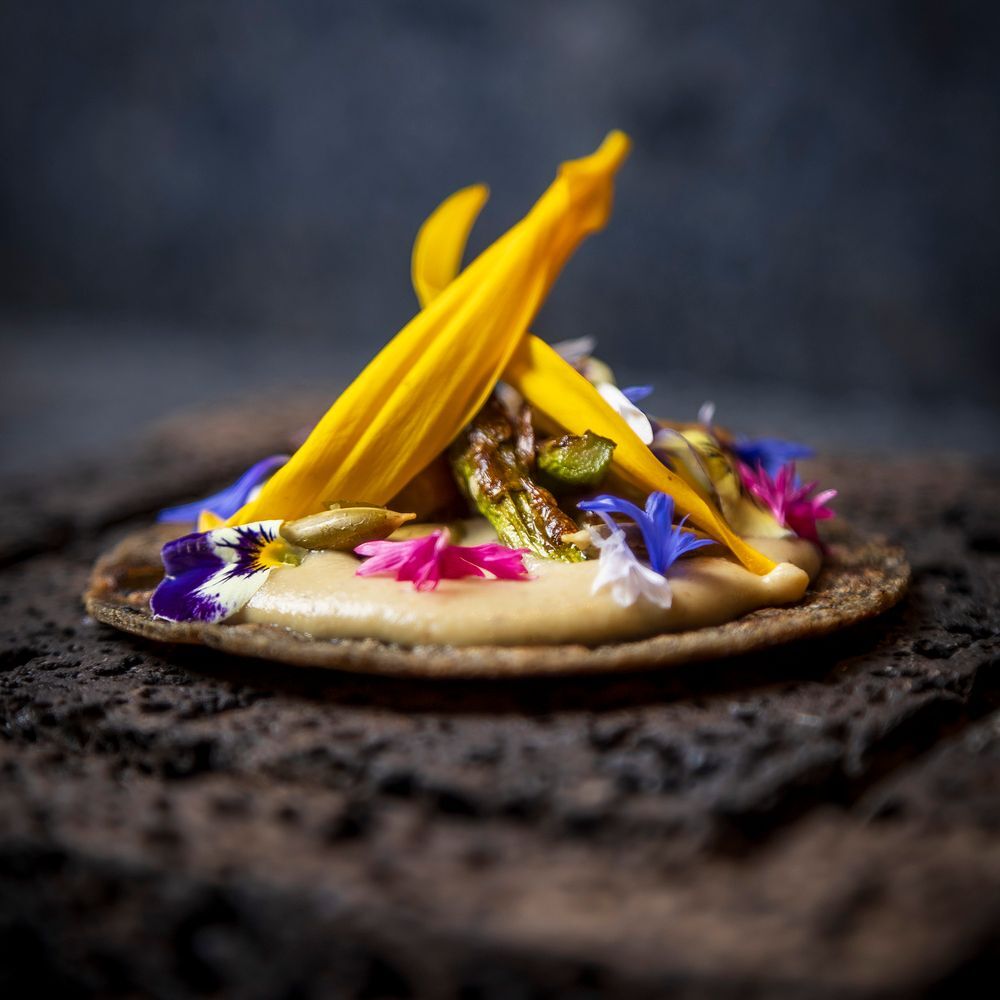
The menu
What to order
- Kampachi tostada with sea urchin and tangerine
- Enchilada with mole and torched sunflower
- Cactus ceviche tostada
Centro Histórico's dining scene has spent the past decade recalibrating its relationship to Mexican vernacular cooking, moving from folkloric preservation to ingredient-led re-examination. Taco Tasting Room sits inside that shift, operating from a nineteenth-century building on Avenida 5 de Mayo and treating the taco not as fast food but as a plated, sequential format. The room is compact, the seating limited, and the approach is closer to omakase pacing than taquería service. If you arrive expecting al pastor off a trompo, recalibrate: the kitchen is working with nixtamalized heirloom corn, seasonal fillings sourced from specific state producers, and a tasting structure that asks you to isolate variables, masa texture, chili heat, protein treatment, across multiple courses.
The format matters because it determines how you experience the meal. Each taco arrives individually, plated rather than bundled in paper, and the kitchen controls tempo. You taste one, wait, taste the next. The intent is to foreground ingredient sourcing: the masa might come from blue corn grown in Tlaxcala, the chili from a single Oaxacan grower, the protein from a ranch the kitchen names. This is not novelty plating for Instagram; it is a structural choice that makes terroir and supply-chain decisions legible. In a city where tacos are democratic and ubiquitous, Taco Tasting Room operates as a specialist counter, comparable in format, if not cuisine, to the way Jōdo Saké Bar or Onigiri Time in California isolate rice and fermentation as focal points rather than background components.
Corn as the variable worth isolating
Heirloom corn is not a new talking point in Mexico City, but Taco Tasting Room's sequencing makes it a tasting exercise rather than a menu footnote. The kitchen works with multiple masa varieties, white, yellow, blue, and the tasting menu is structured so you taste them side by side, often with identical fillings. The point is not to say one is better; the point is to map texture, sweetness, and chew. Blue corn from Tlaxcala reads earthier and denser than white corn from Puebla. The kitchen nixtamalizes in-house, grinds to order, and presses tortillas per service. This is not a romantic detail; it is a logistical commitment that determines texture and shelf life. If you have eaten tacos from pre-ground masa or factory tortillas, the difference here is immediate: the tortilla is warm, pliable, and tastes distinctly of corn rather than neutrally of carbohydrate.
Fillings rotate by season and by what the kitchen can source directly. You might see lamb from Estado de México, squash blossom from Xochimilco, or chapulines from Oaxaca. The kitchen does not announce provenance theatrically; it appears on the menu or in conversation if you ask. The treatment is restrained, grilled, braised, or raw, so the filling does not overpower the masa. This is a departure from the layered, sauce-heavy construction you find at street-level taquerías, and it reads more like the ingredient-first discipline you see at 4 Mori Santa Fe or 7 osteria, where the kitchen's role is to clarify rather than add complexity.
How it fits into Centro Histórico's dining tier
Centro Histórico has long been a neighbourhood of inexpensive fondas, tourist-facing cantinas, and a handful of high-profile destination restaurants like Azul Histórico and Limosneros. Taco Tasting Room occupies a smaller, more specialized tier: higher in price than street vendors, lower in formality than fine-dining destinations, and defined by a format that appeals to eaters who want to taste ingredient differences rather than simply consume volume. The room is small, likely fewer than thirty seats, and the service is informal but structured. You do not order à la carte; you commit to the tasting sequence. If you are comparing within Mexico City, this sits closer in spirit to Abarrotes Delirio or 50 Friends, venues where format discipline and ingredient transparency define the experience.
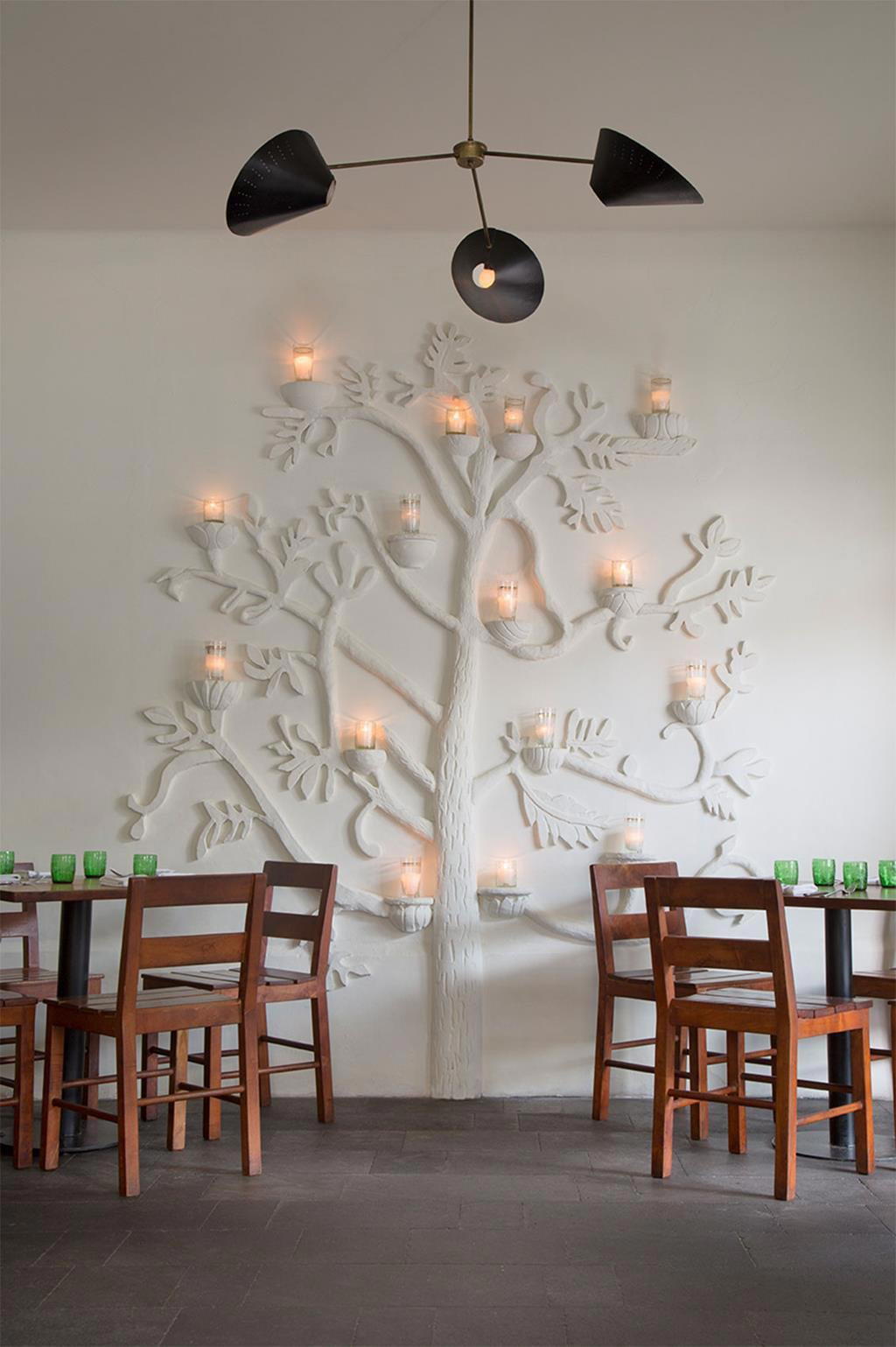
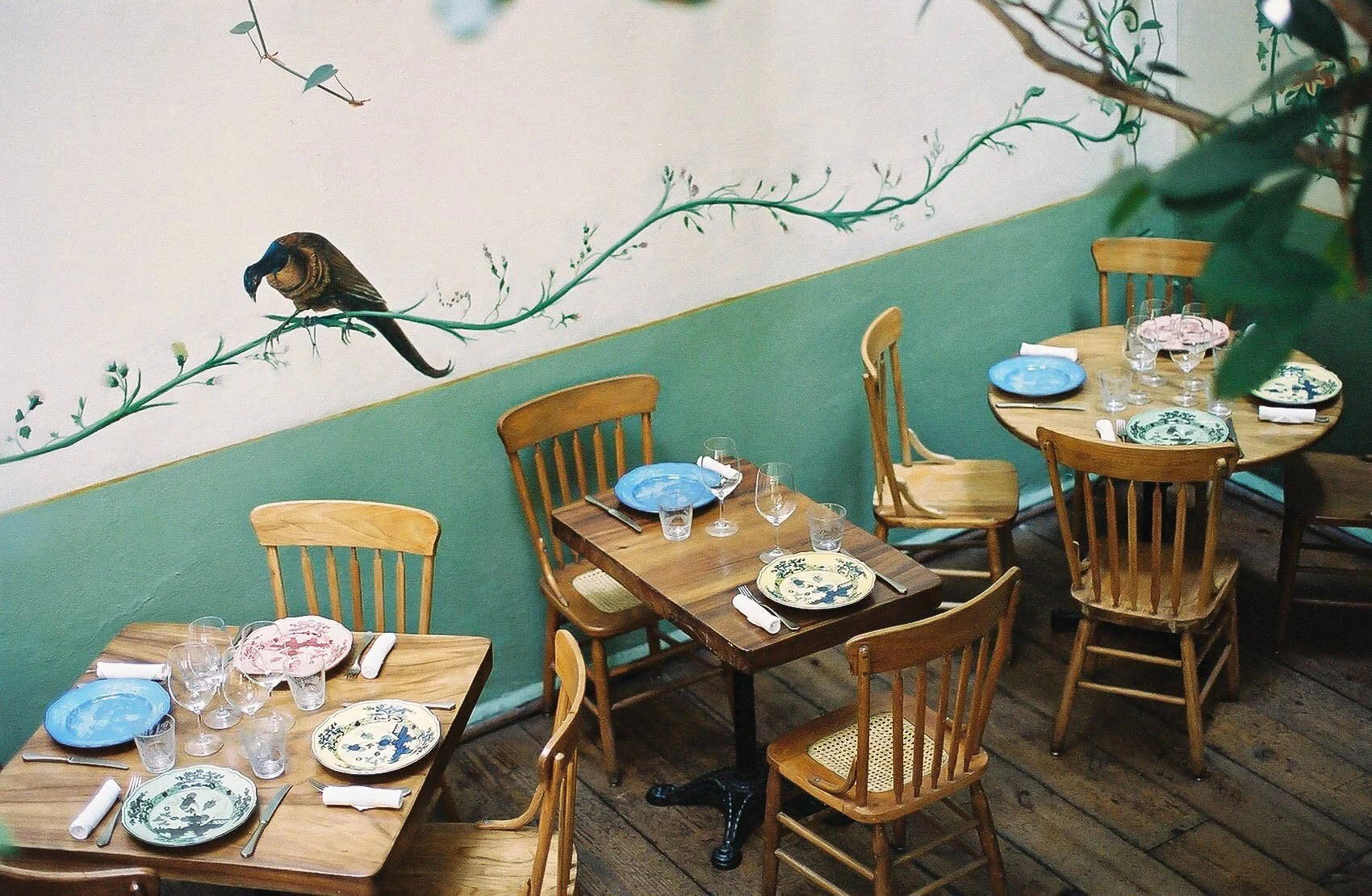
The location on Avenida 5 de Mayo places it inside the densest part of Centro Histórico, walkable from Templo Mayor, Palacio de Bellas Artes, and the Zócalo. The neighbourhood is congested, loud, and heavily trafficked by tourists and office workers. Taco Tasting Room does not advertise heavily; it relies on word-of-mouth and the appeal of its format. The building itself is nineteenth-century, with exposed stone and minimal interior intervention. The aesthetic is functional rather than designed, which aligns with the kitchen's approach: clarity over decoration. For broader context on where to eat in the neighbourhood, see our full Mexico City restaurants guide.
If you are planning a trip to the city and want to map other formats, consider pairing this with Adonis for Greek-inflected technique or 4 Mori Interlomas for Italian-Japanese precision. For lodging in the neighbourhood, see our full Mexico City hotels guide. If you are interested in bar culture, see our full Mexico City bars guide. For wine-focused venues, see our full Mexico City wineries guide. For cultural programming and specialist experiences, see our full Mexico City experiences guide.
Beyond Mexico City, similar ingredient-led formats appear in coastal markets: 10 Experiences Tour in Cozumel or 1890 in Todos Santos offer regional sourcing with transparent supply chains. For grilled formats with ingredient focus, see 4 Fuegos in Riviera Maya or 7 Seas Seafood Grille in Los Cabos. For simpler Italian-Mexican crossover, see 750 Pizzeria in Cancún.
Taco Tasting Room is not trying to reinvent the taco; it is trying to make you taste it. The format is deliberate, the sourcing is transparent, and the experience rewards attention. If you want volume and variety, go elsewhere. If you want to understand why heirloom corn, direct sourcing, and sequential plating matter, book here.
Frequently asked questions
Is Taco Tasting Room suitable for children?
The structured tasting format works for children who are comfortable sitting through multiple courses presented sequentially. The Centro Histórico location at Avenida 5 de Mayo 47 is accessible and the corn-focused menu avoids complex preparations that might challenge younger palates. Families who have dined at other tasting-menu venues in Mexico City report the pacing holds children's attention better than traditional à la carte.
What should I expect atmosphere-wise at Taco Tasting Room?
The space prioritizes the tasting sequence over décor, with seating arranged to accommodate the multi-course flow. Lighting and acoustics support conversation without the loud ambient noise common in Centro Histórico cantinas. The format draws locals treating it as a working dinner and visitors comparing heirloom corn profiles, so the crowd skews quiet and focused rather than celebratory.
What kind of recognition has Taco Tasting Room received?
Taco Tasting Room has received recognition including: Taco Tasting Room isn't just the name of this....
What's the address for Taco Tasting Room?
Taco Tasting Room is located at Av. 5 de Mayo 47, Centro Histórico, Cuauhtémoc, Ciudad de México, 06000, MEX, Mexico City.
Do I need a reservation for Taco Tasting Room?
Reservations are recommended given the tasting-menu structure, which requires synchronized kitchen timing for sequential courses. Walk-ins may find space during weekday lunch service, but evening slots and weekends fill earlier.
Comparison Snapshot
Comparable venues by cuisine and price in the same metro.
| Venue | Cuisine | Price | Awards |
|---|---|---|---|
| Taco Tasting RoomThis venue (the venue you are viewing) | Modern Mexican Tasting Menu | $50–100 | Michelin Plate |
| Azul Histórico | Traditional Mexican | $50–100 | La Liste Top Restaurants |
| Isabel La Católica 30 | Traditional Mexican Regional | $50–100 | Not listed |
| Restaurante El Bajío | Traditional Mexican Regional | $20–30 | Not listed |
| Café De Tacuba | Traditional Mexican | $10–20 | Not listed |
| Limosneros | Modern Mexican Fine Dining | $50–100 | Michelin Plate |
Recognition history
Dated appearances from independent guides and award organizations, with the underlying list record or original source where available.
Michelin Plate
Michelin
Continue exploring
More in Mexico City
Restaurants in Mexico City
All restaurants in Mexico City →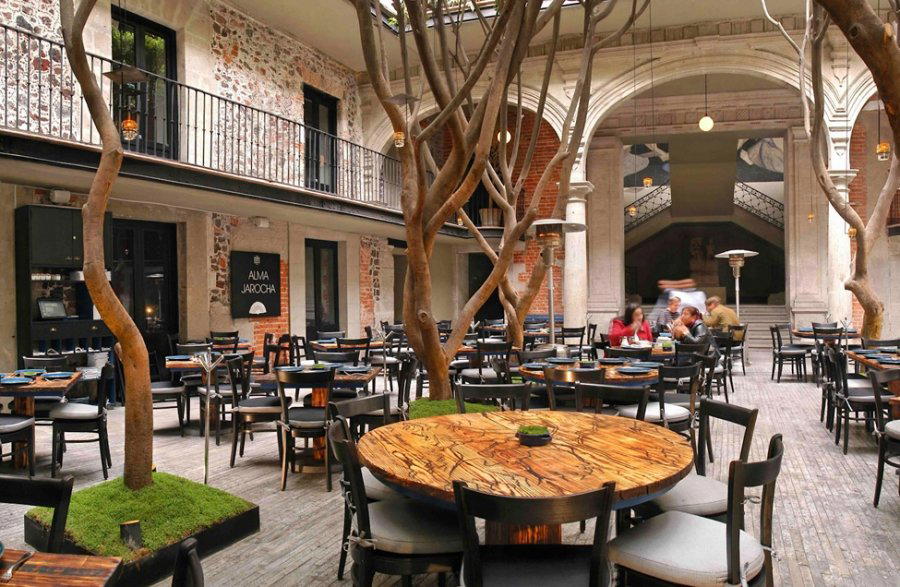
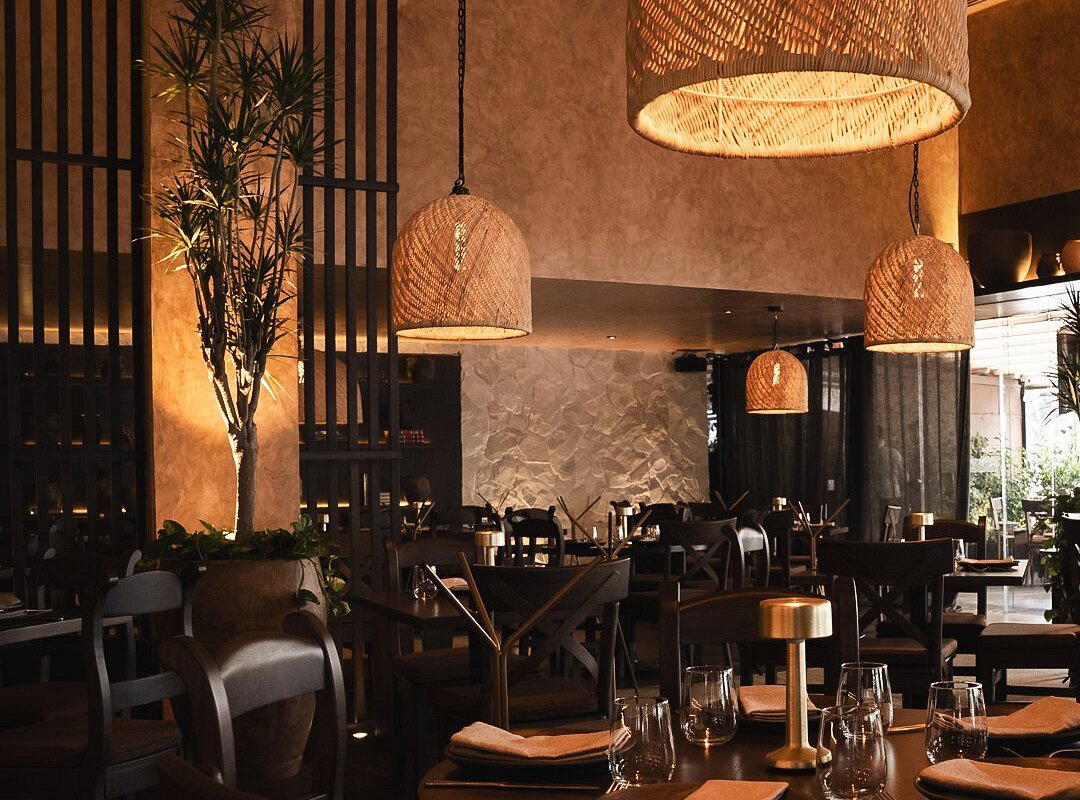
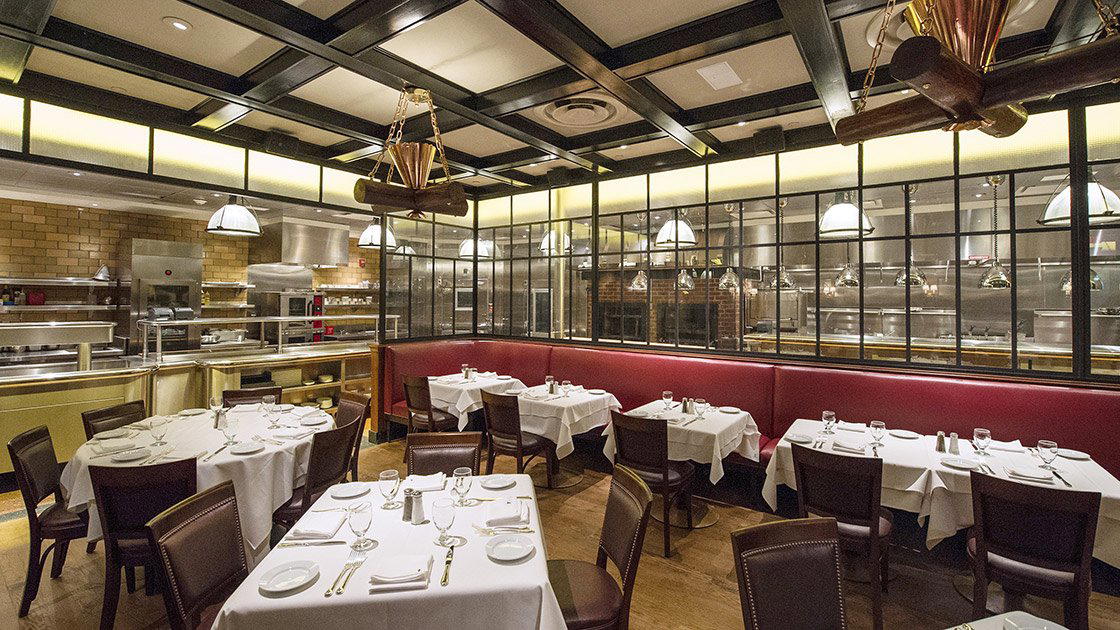
Bars in Mexico City
All bars in Mexico City →

Details
- Intimate
- Sophisticated
- Modern
- Date Night
- Special Occasion
- Business Dinner
- Solo
- Chefs Counter
- Open Kitchen
- Standalone
- Craft Cocktails
- Extensive Wine List
- Local Sourcing
- Tasting Menu
- Counter Dining
- Wine
- Cocktails
- Vegetarian Friendly
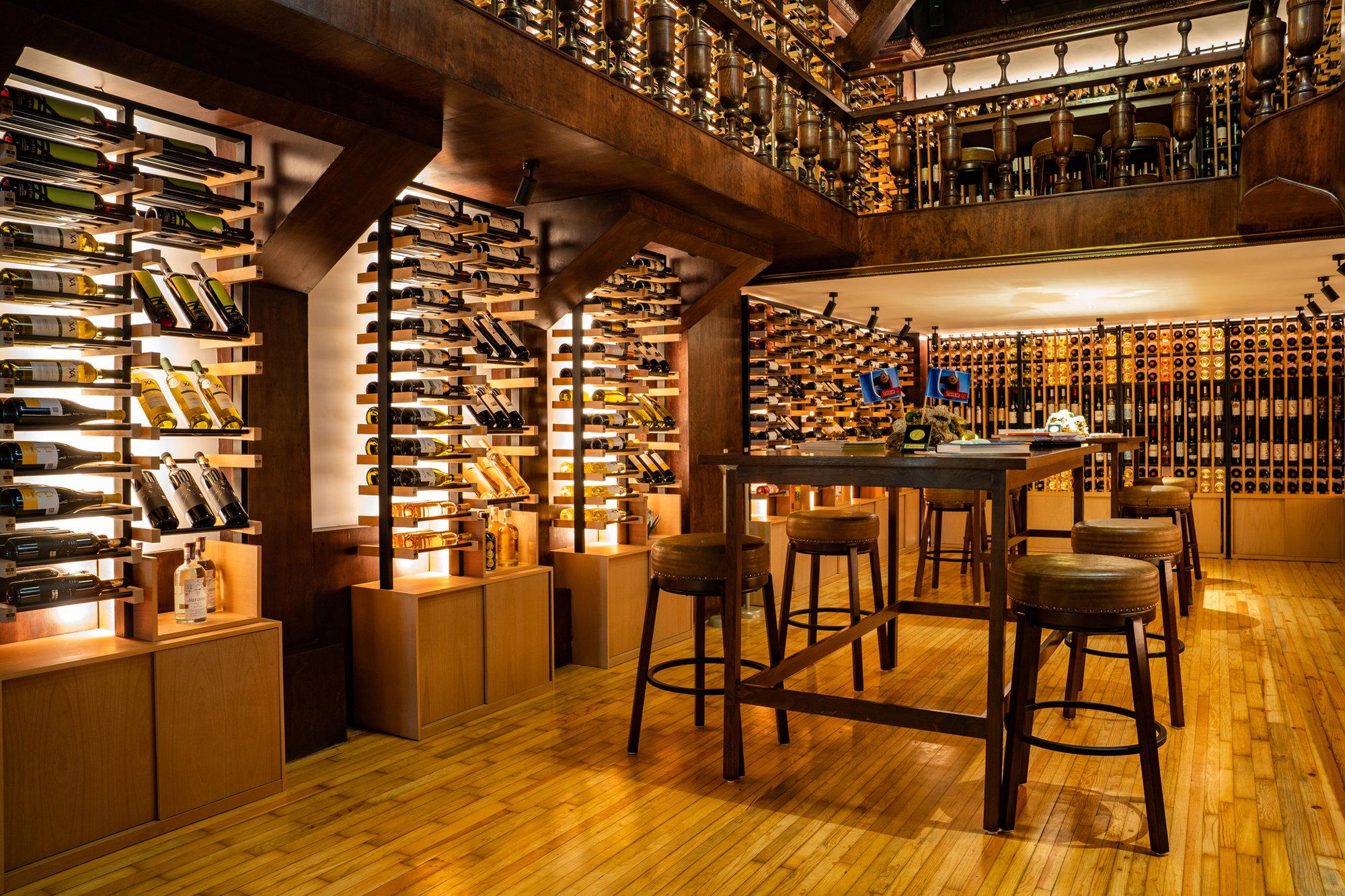
Compact, quiet-feeling, lab-like dining room with a restrained, no-street-noise atmosphere that emphasizes focus on the food.