't Nieuwe Diekhuus

Set along the IJssel dike in the small Gelderland village of Terwolde, 't Nieuwe Diekhuus holds a 2024 Michelin Plate for its Modern French kitchen at a mid-range price point. It represents a strand of Dutch rural fine dining that prioritises provenance and classical technique over city-centre spectacle. A practical base for exploring the broader Veluwe and IJssel region.
Pearl is the En Primeur Club membership app — saves, bookings, and concierge access live there. Same editors, same standards.
- Address
- Bandijk 2, 7396 NB Terwolde, Netherlands
- Phone
- +31 571 273 968
- Website
- jeffsfarmhouse.nl
- Directions
- Get directions
 Saves & bookings on Pearl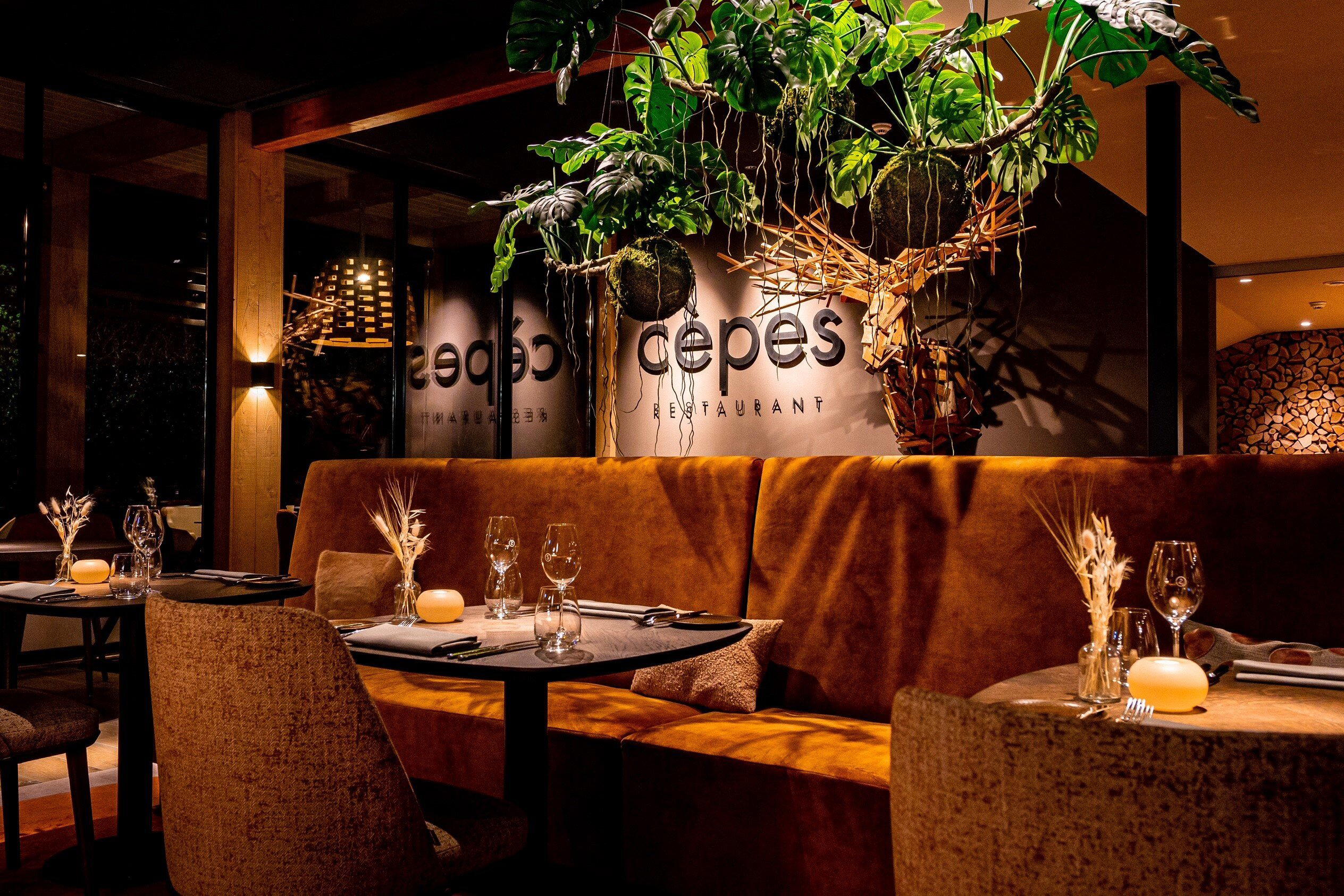
Where the Dike Road Leads
Arriving at Bandijk 2 in Terwolde, the address itself signals something about the cooking inside. The Bandijk is a dike road that runs along the IJssel river in Gelderland, a stretch of the Netherlands where polders, floodplains, and agricultural smallholdings have shaped both the scenery and the local food supply for centuries. Restaurants that choose this kind of address over a city-centre postcode are making a deliberate statement about where their ingredients come from and who their guests are willing to be. 't Nieuwe Diekhuus sits in that tradition, a Michelin-recognised kitchen operating at a mid-range price point in a village that most Dutch diners would need to look up on a map.
That combination, serious culinary recognition, rural address, accessible pricing, is less common than it sounds. Across the Netherlands, the bulk of Michelin-acknowledged Modern French cooking clusters in urban centres or wealthy commuter towns. The comparison set for 't Nieuwe Diekhuus is not De Librije in Zwolle, which operates at three-star level and €€€€ pricing, nor Ciel Bleu in Amsterdam at the summit of the Okura tower. It belongs instead to a quieter tier: kitchens where the Michelin recognition functions as a signal of technical competence and ingredient seriousness rather than as a marker of destination-level prestige.
Modern French in a Dutch River Landscape
Modern French cuisine, as a category, covers considerable ground. At its most reductive, the label describes cooking that applies classical French technique to local or seasonal ingredients, usually without the strict formalism of traditional grande cuisine. In the Netherlands, this approach has been productively hybridised with Dutch ingredient culture: river fish, dairy from polder farms, game from Veluwe estates, early-season vegetables from sandy Gelderland soils. Restaurants in rural Gelderland and Overijssel, such as De Groene Lantaarn in Staphorst and De Lindenhof in Giethoorn, have long demonstrated that this combination can carry Michelin weight outside urban zip codes.
The IJssel valley in particular offers a specific ingredient logic. The river has historically supported eel and pike-perch fisheries; the surrounding agricultural land produces beef cattle, asparagus in season, and soft fruit. A kitchen positioned literally on the dike road has access to that supply chain in a way that a city restaurant cannot replicate through distribution networks alone. The editorial argument for restaurants like 't Nieuwe Diekhuus is not nostalgia for rural simplicity but rather a genuine provenance advantage: shorter supply lines, producer relationships built over years, and a seasonal calendar that reflects what the land around the restaurant actually produces.
This provenance-led approach places the restaurant in an interesting peer relationship with kitchens further along the quality spectrum. De Nieuwe Winkel in Nijmegen, working at two Michelin stars with an organic focus, and De Lindehof in Nuenen, also two stars, both demonstrate that Dutch regional ingredient sourcing can scale to the highest recognition levels. The restaurant operates below that tier in both price and award level, but the underlying logic of land-to-plate cooking is shared.
The Michelin Plate in Context
A Michelin Plate, introduced in the Guide's modern structure, denotes a kitchen producing food of good quality, above the threshold of mere inclusion but below the star tiers. In the Netherlands' eastern provinces, where starred restaurants are geographically spread thin, a Plate carries more practical weight than it might in Amsterdam or The Hague. It tells a travelling diner that the cooking has been assessed and found consistent, and that the kitchen takes its ingredients and technique seriously enough to earn external recognition.
The alignment between inspector assessment and guest scores suggests a kitchen that performs reliably rather than one delivering occasional brilliance alongside inconsistent execution. That reliability is itself an editorial point: at the €€ price range, consistency across a large number of covers represents a different kind of achievement than a tightly controlled tasting menu at four times the price.
The broader Dutch fine dining field, for reference, includes restaurants operating at particularly demanding international standards. De Bokkedoorns in Overveen, 't Nonnetje in Harderwijk, and Aan de Poel in Amstelveen all operate at two stars and €€€€ pricing. De Treeswijkhoeve in Waalre and De Lindehof in Nuenen anchor the southern Netherlands end of the same conversation. The restaurant is not competing with those rooms; it is serving a different function in the regional dining ecosystem, where price accessibility and rural setting are part of the proposition.
Getting There and Planning Your Visit
Terwolde sits in the municipality of Voorst in Gelderland, roughly equidistant between Apeldoorn and Deventer, and is most practically reached by car. The Bandijk address places the restaurant on the river side of the village, which means the approach from either direction offers IJssel floodplain views that contextualise the landscape the kitchen draws from. Public transport connections to Terwolde are limited, as is typical for villages of its size in this part of Gelderland, so arriving independently is the realistic option for most visitors.
At the €€ price range, the restaurant sits at a level where a full meal for two, with wine, remains well within reach of most dining budgets, a meaningful distinction in a country where Michelin-recognised cooking often commands significantly higher spend. For anyone building an itinerary around the eastern Netherlands restaurant scene, the venue pairs logically with exploration of the broader Veluwe and IJssel region. The area supports enough dining, accommodation, and landscape interest to justify a two-night stay.
If Modern French cooking in rural European settings interests you beyond the Netherlands, Schanz in Piesport and Sketch, The Lecture Room and Library in London represent the category at different price points and scales. Closer to home, Brut172 in Reijmerstok shows what the rural Dutch and Belgian fine dining fringe looks like at the southern end of the country.
A Quick Peer Check
Comparable venues nearby, for context on price, style, and recognition.
| Venue | Cuisine | Price | Awards | Notes |
|---|---|---|---|---|
| 't Nieuwe DiekhuusThis venue — the venue you are viewing | Modern Dutch-Asian Fusion | $$$ | Michelin Plate | Not listed |
| Bar BAUT | Contemporary International with Middle Eastern Influences | $$$ | Michelin Plate | Marathonbuurt West |
| Eetkamer Lamens | Modern Fusion Brasserie | $$ | Michelin Plate | city centre |
| DOYY | Modern Creative Fusion with French & Middle Eastern Influences | $$$ | Michelin Plate | Eindhoven city center |
| Calan Restaurant & Bar | Modern European with global influences | $$$ | Not listed | Maritime District / Leuvehaven |
| Jus en Pepper | Thai-French Fusion | $$$ | Not listed | centrum |
Recognition history
Dated appearances from independent guides and award organizations, with the underlying list record or original source where available.
Michelin Plate
Michelin
At a Glance
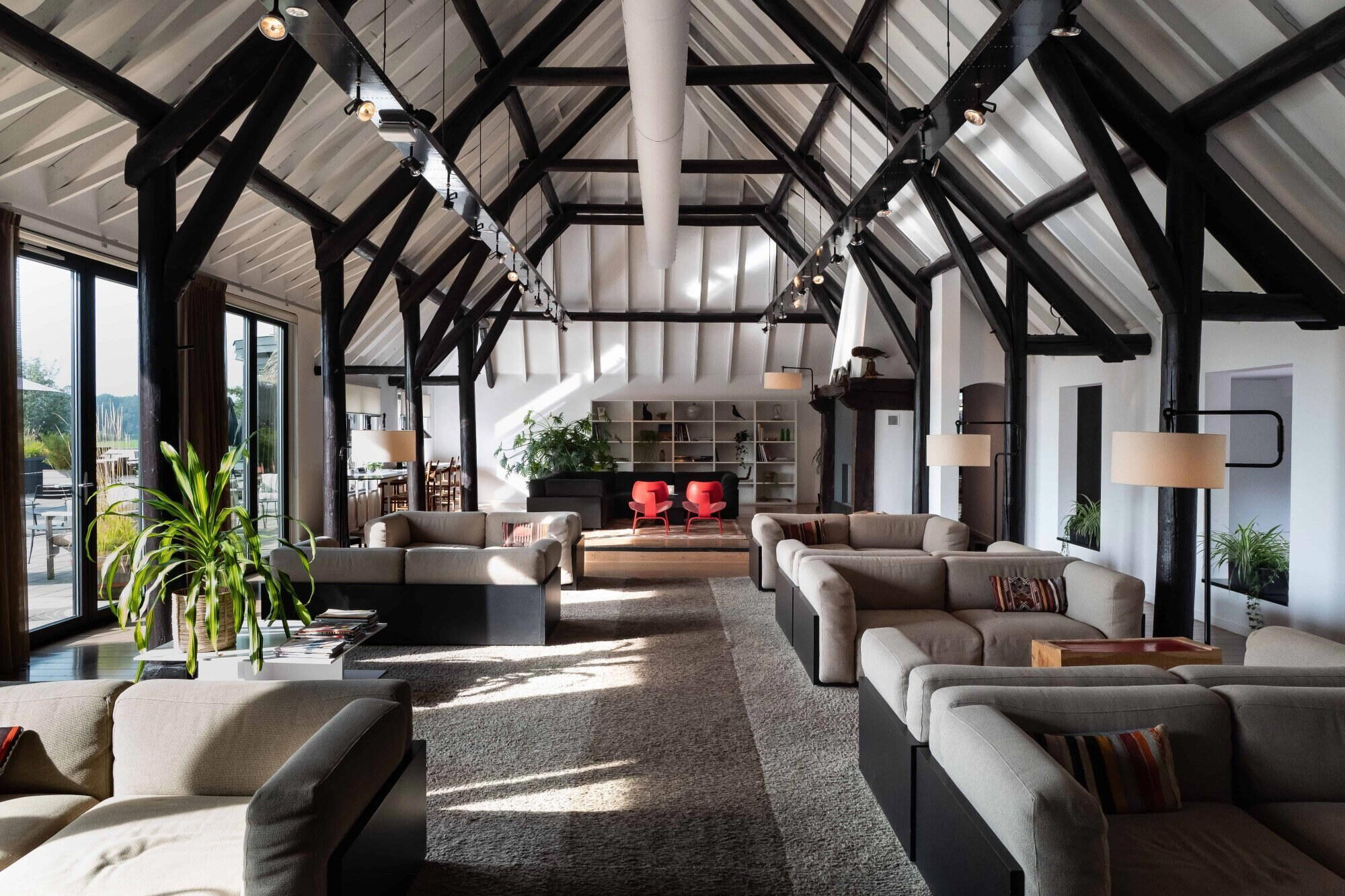
- Cozy
- Rustic
- Elegant
- Intimate
- Scenic
- Date Night
- Special Occasion
- Waterfront
- Terrace
- Historic Building
- Extensive Wine List
- Local Sourcing
- Waterfront
Current opening hours
- Monday
- Closed
- Tuesday
- Closed
- Wednesday
- Closed
- Thursday
- Closed
- Friday
- 12–9 PM
- Saturday
- 12–9 PM
- Sunday
- 12–9 PM
Hours can change for holidays and private events. Last verified .
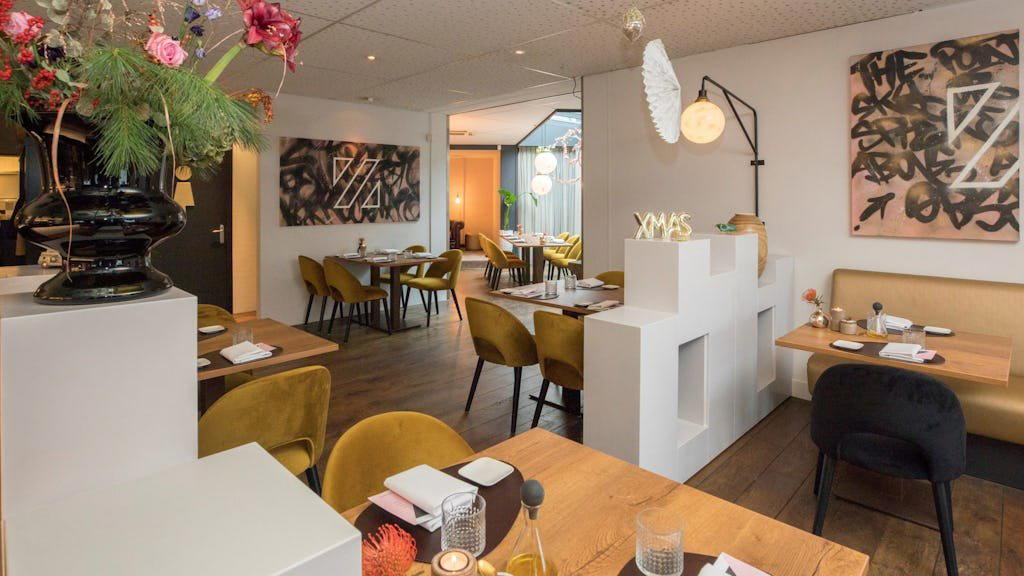
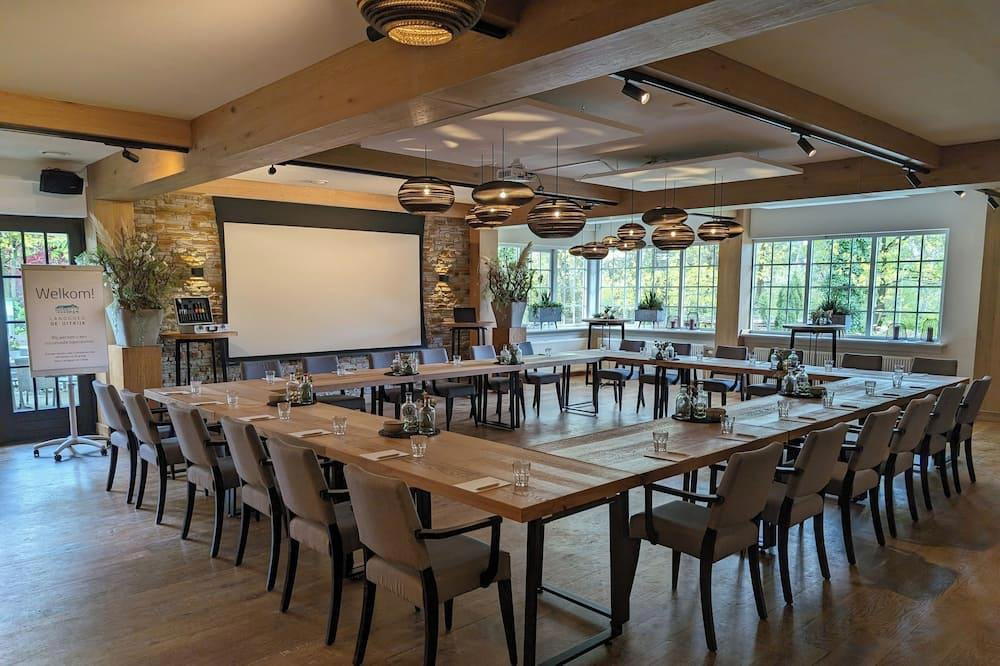
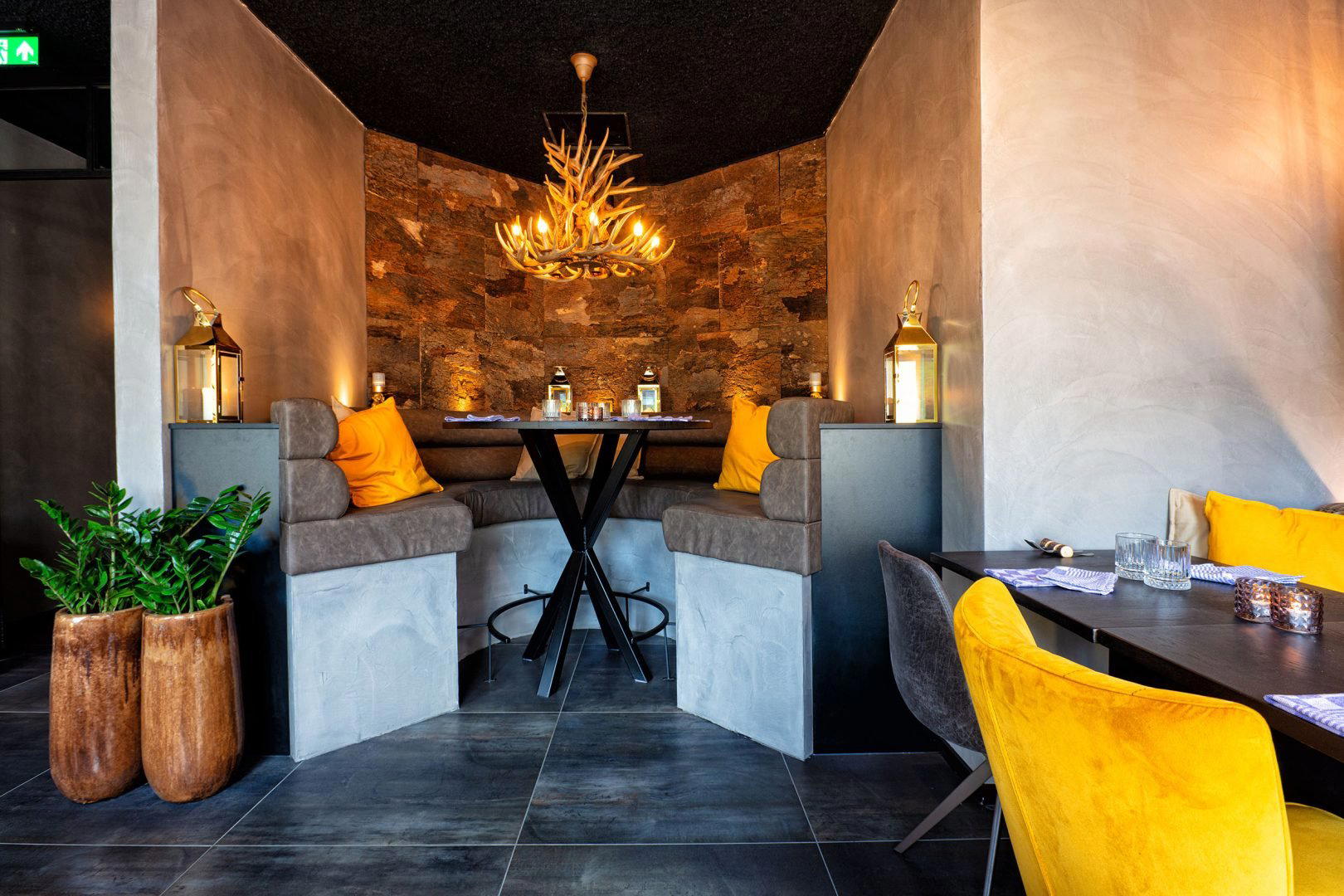
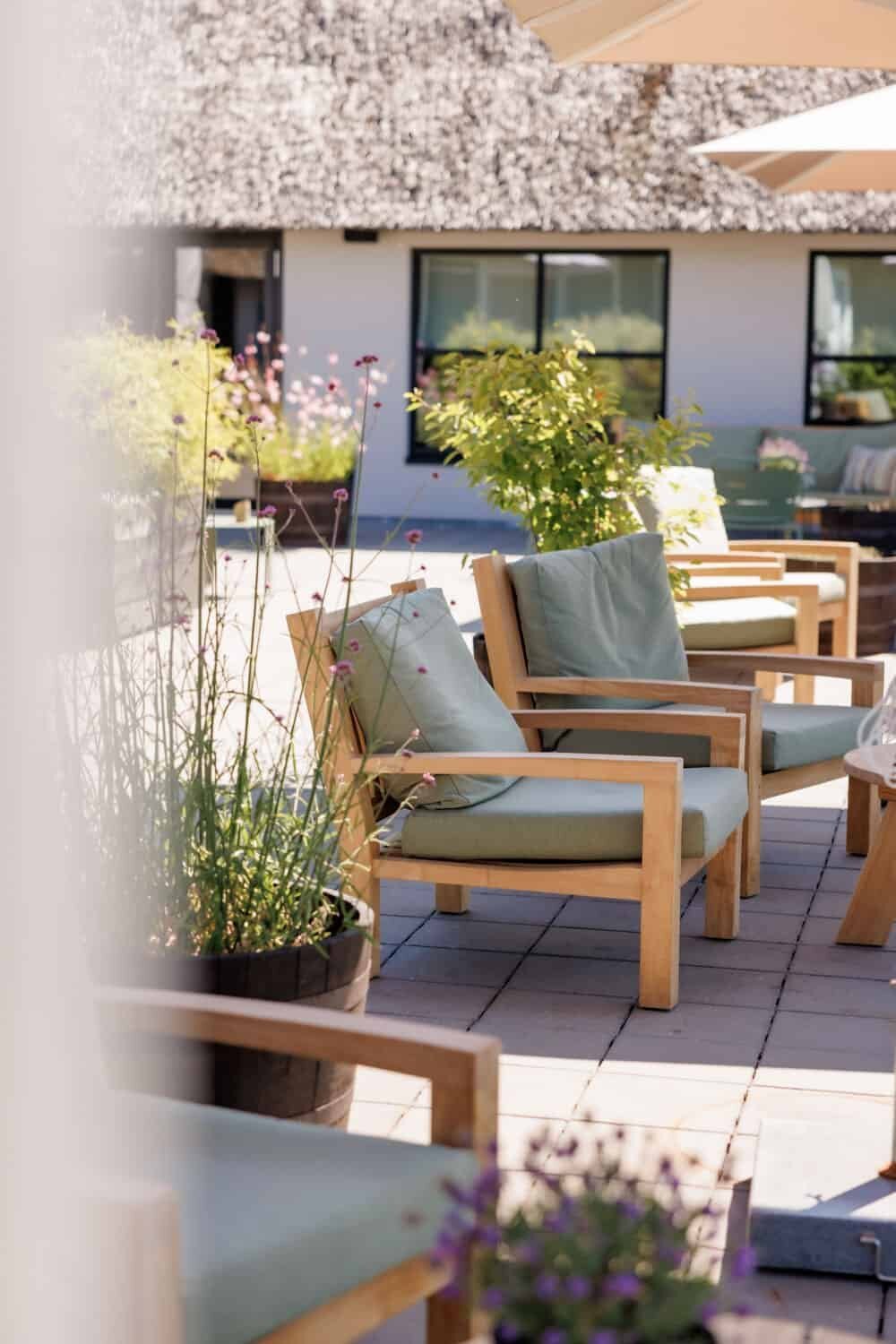
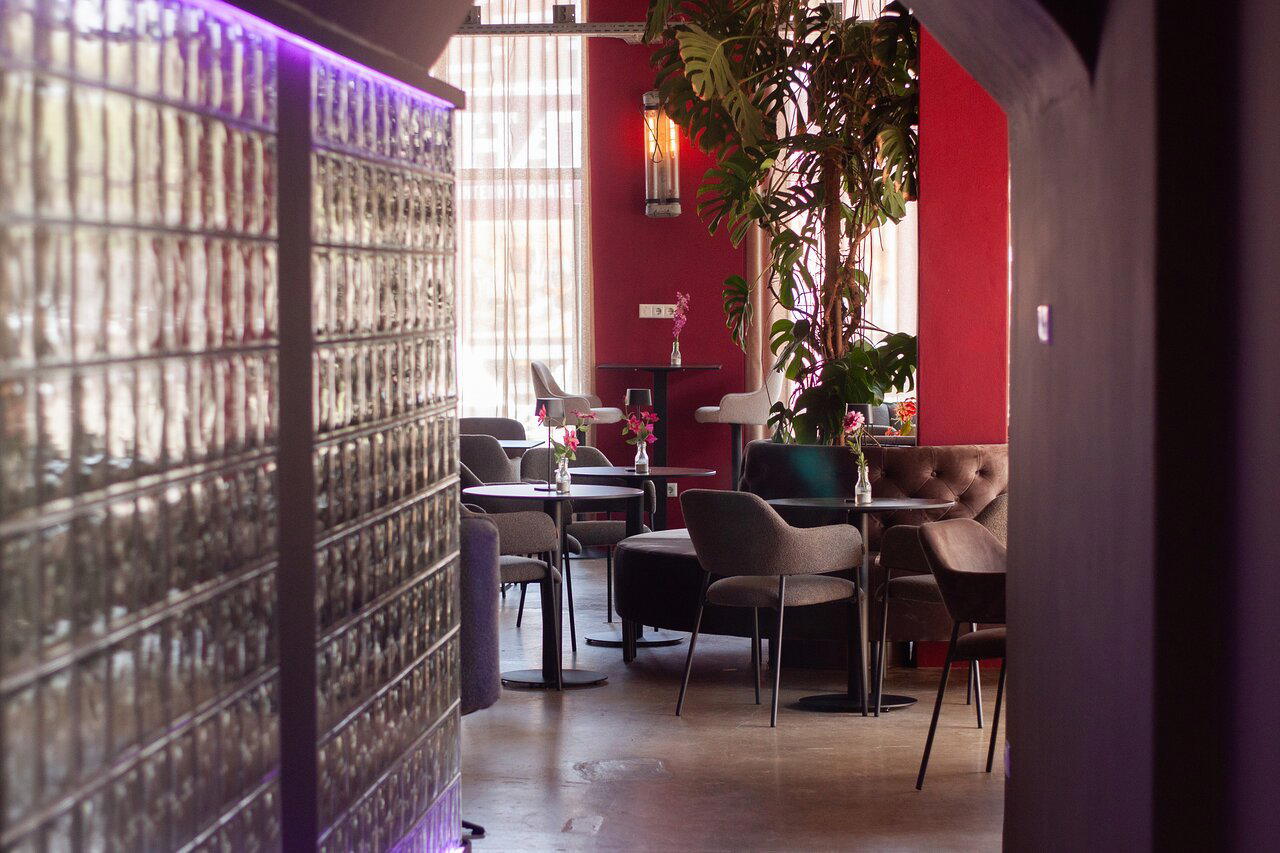
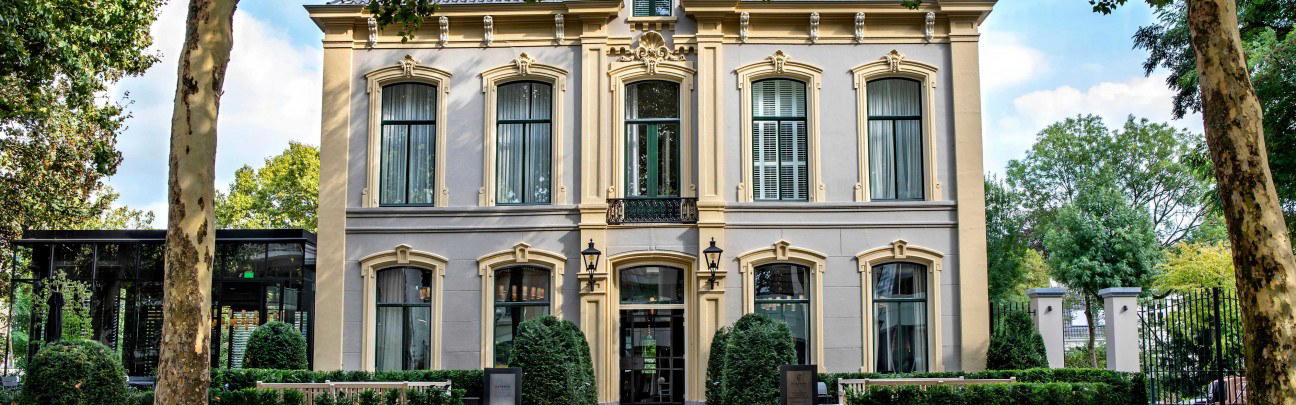
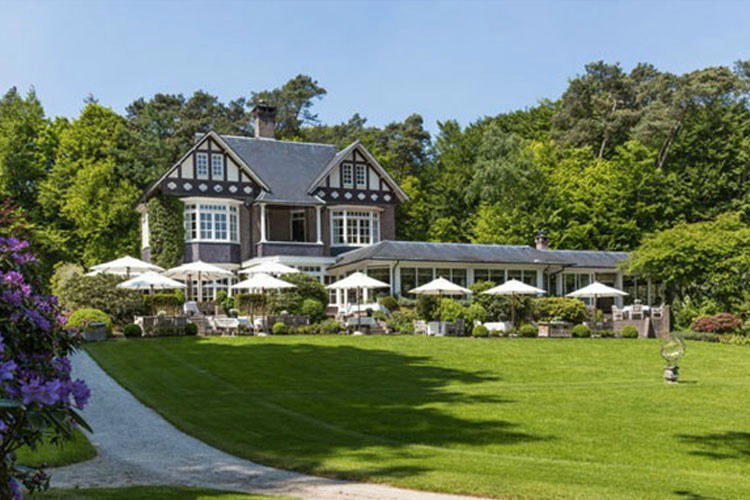
Warmth of old timber and soft light creates an elegant hush, making conversations intimate.