Sushi House
Sushi House on West 117th Street brings focused Japanese dining to Leawood's restaurant corridor, where suburban Kansas City diners have developed a clear appetite for precision over spectacle. The address places it squarely in a neighborhood better known for steakhouses and American brasseries, which makes the commitment to raw fish and rice-centered ritual a deliberate counterpoint worth noting.
Pearl is the En Primeur Club membership app — saves, bookings, and concierge access live there. Same editors, same standards.
- Address
- 5041 W 117th St, Leawood, KS 66211
- Phone
- +19136633333
- Website
- sushihousekc.com
- Directions
- Get directions
 Saves & bookings on Pearl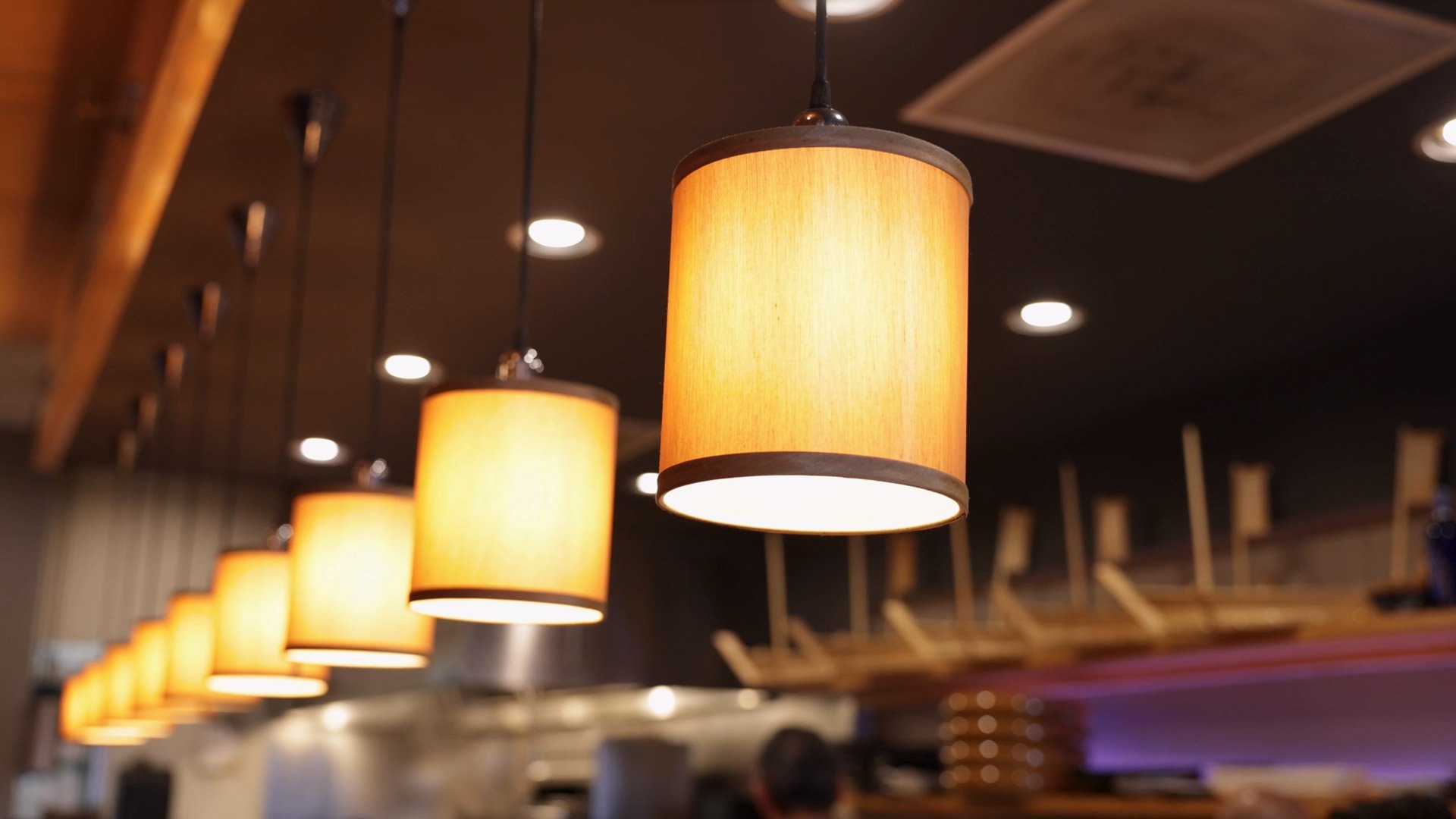
Where the Ritual Begins
West 117th Street in Leawood runs through a stretch of suburban dining that leans heavily toward the American comfort register: chophouses, taverns, and upscale casual formats that have defined this part of Johnson County for decades. 801 Chophouse and Tavern at Mission Farms occupy that familiar territory nearby, as does Rye KC, with its American farmhouse identity. Against that backdrop, a sushi restaurant at 5041 W 117th St reads as a deliberate pivot toward a different kind of meal: one governed by sequence, restraint, and the specific protocols that distinguish Japanese dining from most of what surrounds it here.
Sushi, as a dining form, carries its own pacing logic. The meal moves through a progression that most experienced diners recognize instinctively: lighter, cleaner flavors at the opening, richer cuts arriving as the sequence builds, the palate coaxed rather than rushed. That rhythm is not incidental to the food; it is the food, as much as any individual piece. Leawood diners who approach Sushi House with that understanding will find the experience makes more sense than if they arrive expecting the casual roll-and-miso format common to suburban strip-mall Japanese. The address on 117th Street, surrounded by familiar American dining rooms, sets expectations that the format inside may not match.
The Grammar of a Sushi Meal
American sushi culture has long operated in two registers. The first is the broad accessibility format: large menus, fusion rolls, à la carte ordering, and a relationship with the kitchen that is transactional rather than sequential. The second is the counter tradition, in which the diner cedes much of the ordering decision to the itamae, progressing through a meal whose architecture is pre-determined. The gap between those two registers has narrowed in major cities. At the high end, venues like Atomix in New York City, which applies Korean fine-dining principles to a similarly disciplined tasting format, demonstrate how seriously American diners now take the ritualized meal structure that was once considered exotic. Further along the spectrum, the French-inflected precision of Le Bernardin in New York City shows how deeply sequenced, technique-driven dining has embedded itself in American fine-dining expectations.
What separates serious sushi from the accessible version is less about ingredient sourcing, though that matters, and more about the pace at which fish is presented and consumed. Temperature, the interval between pieces, the decision about when to introduce fatty tuna versus leaner cuts: these are compositional choices that define whether a meal coheres or merely accumulates. Venues like The French Laundry in Napa and Single Thread Farm in Healdsburg apply similar compositional thinking to Western tasting formats, building meals that have a beginning, a middle, and a designed endpoint. Sushi at its most considered does the same thing with a smaller vocabulary.
Leawood in Context
Kansas City's suburban dining corridor has matured considerably over the past decade. Johnson County, of which Leawood is the southern anchor, now supports a range of format types that would have seemed misaligned with the market fifteen years ago. That shift mirrors patterns seen in other mid-size American metros, where the anchor steakhouse and the upscale casual American room have been joined by more format-specific concepts. Japanese dining has been part of that expansion, though the density and caliber of sushi in Leawood remains lower than in comparable suburban corridors outside Chicago or Los Angeles.
For a broader read on where Sushi House sits within the wider Leawood dining picture, the full Leawood restaurants guide maps the neighborhood's current range by format and price tier. Nationally, the benchmark for what sushi-adjacent precision looks like at the highest level can be traced through venues like Providence in Los Angeles, which applies similar rigor to seafood in a tasting format, or Addison in San Diego, whose prix-fixe structure shares the sequenced-meal logic that defines counter sushi at its most deliberate. Even Blue Hill at Stone Barns in Tarrytown operates from the same foundational principle: that a meal should feel composed rather than assembled.
The practical consequence for Leawood diners is that Sushi House occupies a category that has few direct local competitors. The neighborhood defaults toward protein-and-sides formats; a Japanese restaurant at this address is, by definition, proposing a different kind of evening. Whether that means counter seating, an omakase option, or an à la carte format with serious nigiri, the surrounding dining context makes it a structural outlier in a way that a sushi restaurant on the Upper West Side or in West LA would not be.
How to Approach the Meal
In cities where sushi culture runs deep, regulars develop relationships with a specific itamae over years: the itamae learns preferences, adjusts the sequence, and the meal becomes a form of ongoing conversation. That depth is harder to build in markets where serious sushi is less embedded. Diners new to the format tend to get more from the experience by making a few deliberate choices: eating at the counter where available, avoiding overfilling early in the sequence, and resisting the impulse to order everything simultaneously. The temptation to turn a sushi meal into a survey of every item on the menu misses the point of the format; the same is true of venues like Lazy Bear in San Francisco or Alinea in Chicago, where format compliance is part of what the experience requires.
For reference, how sushi lands in the mid-American dining market can also be cross-referenced against Korean fine dining's American trajectory. Bacchanalia in Atlanta and Brutø in Denver both illustrate how disciplined tasting formats have taken root in non-coastal American cities. The same appetite exists in Kansas City, and venues like Sushi House are part of the infrastructure that serves it.
Planning Your Visit
Sushi House is located at 5041 W 117th St, Leawood, KS 66211. For current hours, booking availability, and menu format, contacting the restaurant directly is the most reliable approach, as website and phone details are not confirmed in current records. For diners coming from central Kansas City, Leawood sits at the southern end of the metro's Johnson County corridor, accessible via major thoroughfares with parking standard for the suburban format. Given that the address sits in a high-traffic dining zone alongside established American rooms, weekend evenings tend to see refined demand across the 117th Street strip; planning ahead and confirming reservation availability before arrival is advisable.
- Seared Beni Toro Sashimi
- Temptunava Roll
- Spicy Crab Salad
- Saigon Roll
- Tonkotsu Ramen
- Lobster Harmony
- Chicken Katsu


At a Glance
- Modern
- Elegant
- Business Dinner
- Group Dining
- Special Occasion
- Casual Hangout
- Private Dining
- Open Kitchen
- Sake Program
- Beer Program
Current opening hours
- Monday
- 11 AM–9:30 PM
- Tuesday
- 11 AM–9:30 PM
- Wednesday
- 11 AM–9:30 PM
- Thursday
- 11 AM–9:30 PM
- Friday
- 11 AM–10 PM
- Saturday
- 11 AM–10 PM
- Sunday
- 12–9:30 PM
Hours can change for holidays and private events. Last verified .
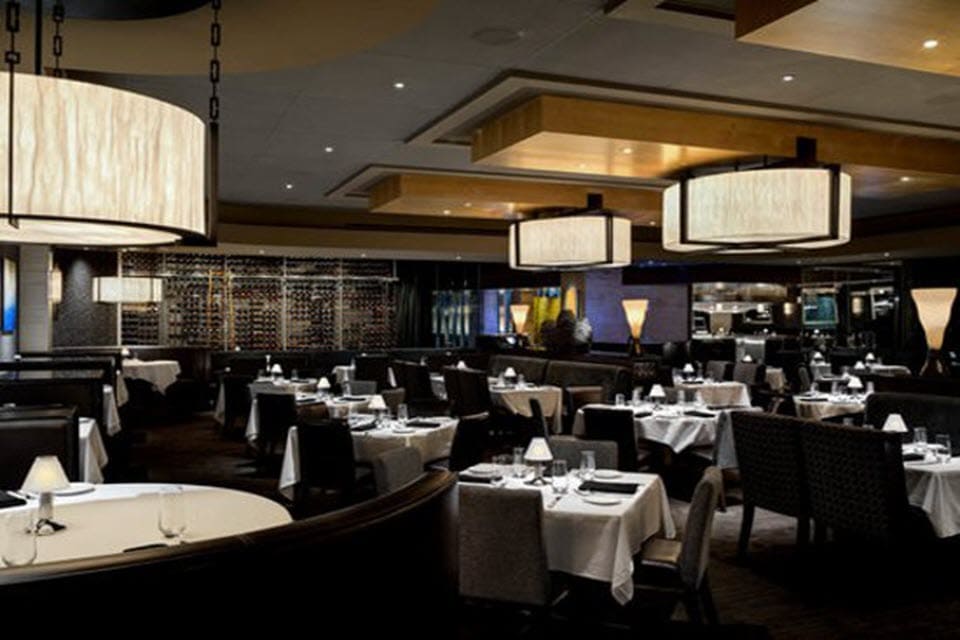
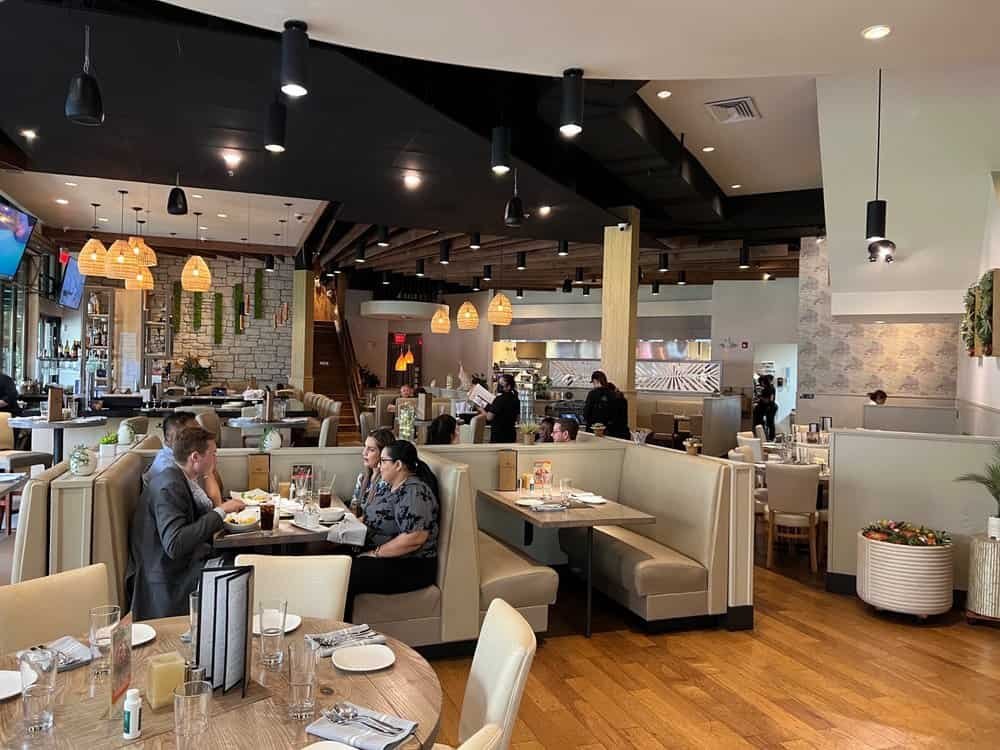
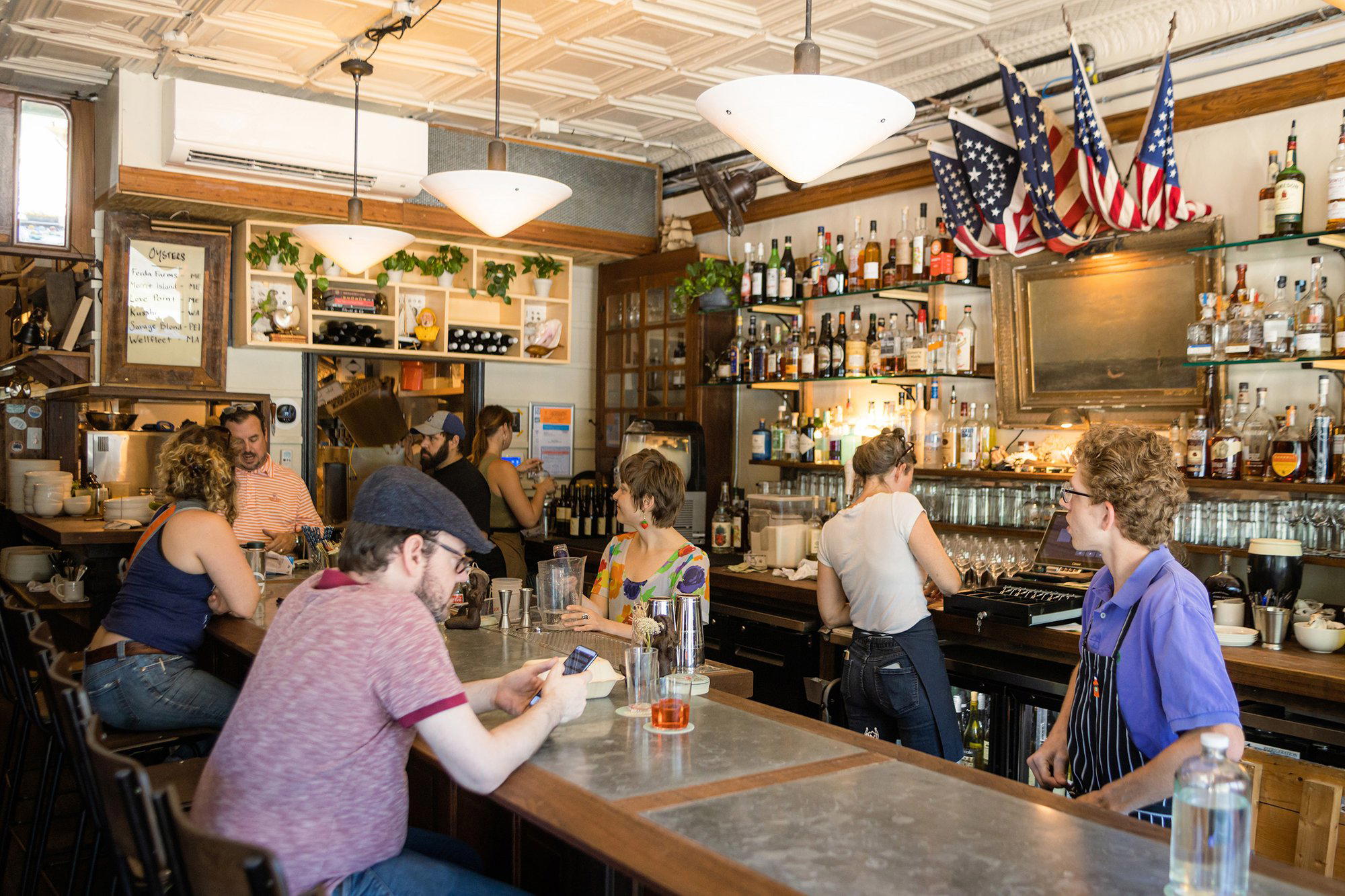
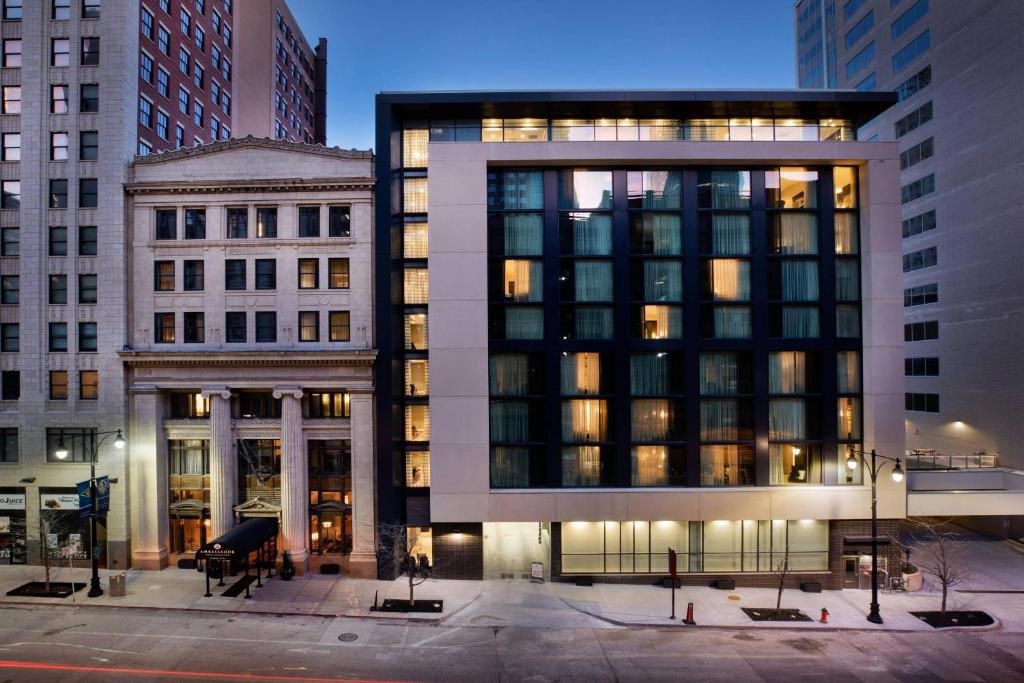
Warm contemporary environment with award-winning design; simple storefront entrance opens into an elegant, modern interior.
Know Before You Go
- Getting there
- 5041 W 117th St, Leawood, KS 66211