Sůl a Řepa

Michelin Plate
Our verdict
In a mid-sized South Bohemian town better known for its medieval castle than its dining scene, Sůl a Řepa (Salt and Beet) operates as a fermentation-led, regionally rooted restaurant where jars of preserved vegetables line the walls and the menu shifts with the seasons. The kitchen sources all ingredients from the surrounding region and processes them in-house wherever possible, making the sustainability concept visible rather than aspirational.

Pearl is the En Primeur Club membership app — saves, bookings, and concierge access live there. Same editors, same standards.
- Address
- Bavorova 20, 386 01 Strakonice I, Czechia
- Phone
- +420 725 525 824
- Hours
- Mon ClosedTue–Thu 11 a.m.–9 p.m.Fri–Sat 11 a.m.–10 p.m.Sun 11 a.m.–4 p.m.
- Website
- sularepa.cz
- Directions
- Get directions
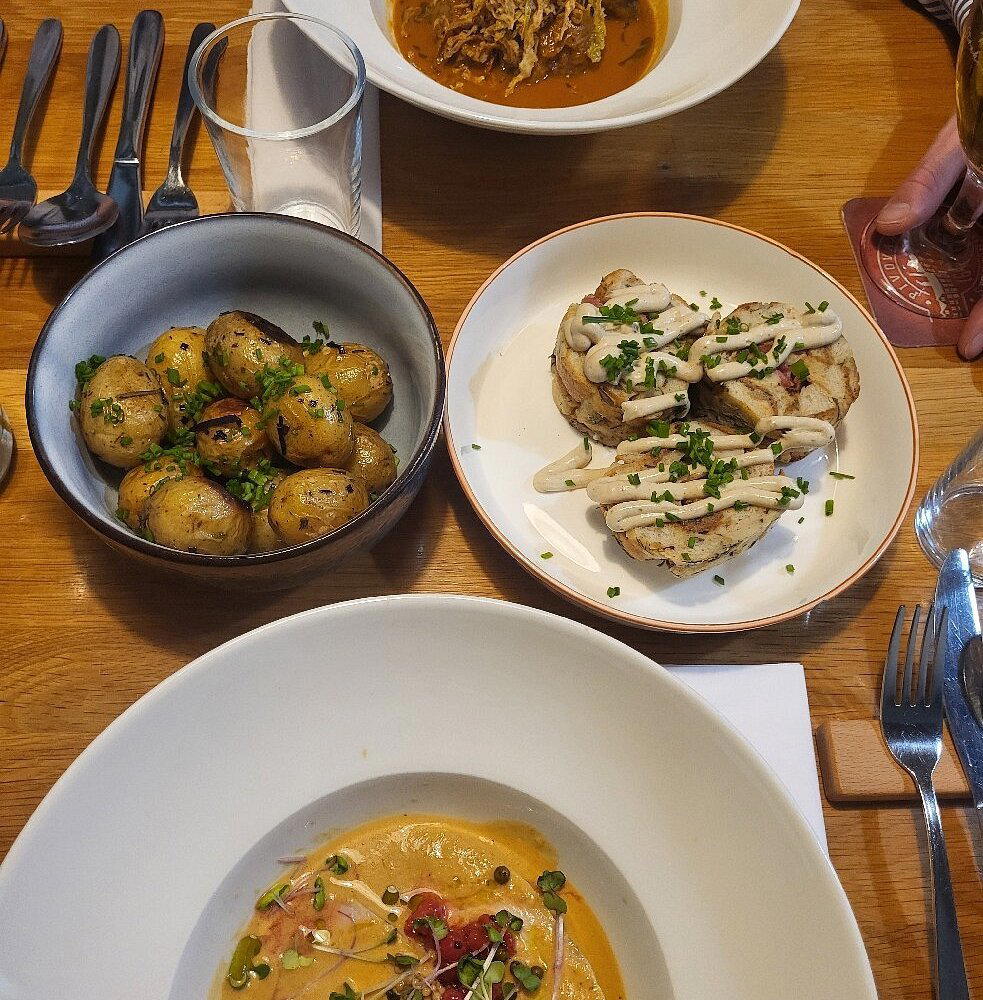
Where the Pantry Becomes the Point
The entrance to Sůl a Řepa requires a small act of attention. On Bavorova in Strakonice, the kind of South Bohemian market town where baroque facades face down Soviet-era apartment blocks, you could walk past it without registering it as a restaurant at all. Step inside and the visual language shifts immediately: floor-to-ceiling shelving holds rows of fermentation jars, pickled vegetables, preserved mushrooms, and sealed produce in varying stages of transformation. The room is pared back and uncluttered, which means the jars do the decorating. Some tables sit close enough to the pass that the kitchen becomes part of the experience, a quiet transparency that mirrors the sourcing philosophy itself.
This kind of visible-pantry aesthetic has become a shorthand in European restaurant design for a particular set of values: short supply chains, waste-reduction, and seasonal discipline. In Copenhagen or London, it reads as a statement. In Strakonice, population roughly 23,000 and not typically on the itinerary of Czech gastronomy tourism, it reads as a genuine operating principle with nowhere to perform to.
Fermentation as a Regional Tradition, Not a Trend
Czech cuisine has always preserved. Before refrigeration made preservation optional, pickling, fermenting, and drying were the mechanisms by which a landlocked, agriculturally driven culture ate through winter. Sůl a Řepa (the name translates directly as Salt and Beet) draws on that tradition without nostalgia for its own sake. The distinction matters: fermentation here is not a modernist technique borrowed from Noma's lexicon, but a continuation of regional practice applied with contemporary kitchen discipline.
South Bohemia provides a productive larder for this approach. The region surrounding Strakonice is characterised by mixed farming, freshwater fisheries along the Otava river, and extensive forested areas that supply mushrooms and foraged material across different seasons. A kitchen committed to sourcing exclusively from this geography has real raw material to work with, and the preserved-jar wall is less a decorative choice than an honest record of what arrived, when, and in what quantity.
Restaurants operating within this kind of strict regional sourcing constraint tend to produce menus that read as documents of place and time rather than documents of a chef's preferences. The seasonal menu at Sůl a Řepa follows that logic: what is on the plate at any given visit is a product of what the region is producing in that particular week, processed through a kitchen that has chosen preservation and fermentation as its primary technical vocabulary. For diners accustomed to menus that remain stable for months, the implication is clear: return visits will not replicate the first.
The Room, the Service, the Rhythm
Czech dining outside Prague has historically operated under a different set of expectations than the capital. Regional restaurants have often prioritised volume and familiarity over technique and sourcing transparency. The shift toward ingredient-led, smaller-format restaurants with engaged service is visible in several Czech towns now, from Chapelle in Písek to Bohém in Litomyšl to ARRIGŌ in Děčín, each working within distinct regional contexts. Sůl a Řepa belongs to this broader pattern of provincial Czech restaurants that have chosen quality and specificity over safe generalism.
The service approach at Sůl a Řepa reflects the format's demands. A seasonal menu built around preserved and fermented ingredients requires explanation: what something is, where it came from, how it was processed, and which direction the kitchen has taken it. The waitstaff here are described as genuinely willing to guide guests through those choices, which is not a given at this price point in this size of town. That kind of front-of-house engagement is part of what separates a restaurant with a sustainability concept from one that merely signals it.
Compared with flagship Czech restaurants like La Degustation Bohême Bourgeoise in Prague, which operates in a formal tasting-menu register with a French-Czech framework and corresponding price tier, Sůl a Řepa occupies a more accessible and less ceremonial position. It is also doing something geographically distinct: the specificity of South Bohemian sourcing gives the menu a regional character that a Prague address cannot replicate by definition.
Other regionally rooted Czech restaurants in the wider country, such as Babiččina zahrada in Průhonice or Entrée in Olomouc, demonstrate that this approach to ingredient provenance and seasonal discipline is increasingly distributed across Czech geography rather than concentrated in the capital. Internationally, the fermentation-led regional sourcing model has precedents in restaurants from Le Bernardin in New York City in terms of sourcing rigour to the more technical fermentation programs visible at places like Atomix in New York City, though Sůl a Řepa operates in a far smaller register and with a distinctly Central European material palette.
Planning a Visit
Strakonice sits in the South Bohemian region, roughly equidistant between České Budějovice and Písek, accessible by regional rail and road from both. The address on Bavorova places it within the older part of the town centre. Because the entrance is not prominently marked and the restaurant operates a seasonal menu with what is likely a limited number of covers, checking in advance before visiting is advisable; arriving without a reservation on the assumption that a table will be available is a risk not worth taking, particularly on weekends. The seasonal nature of the menu means that visiting at different points in the year will yield a materially different experience, spring and autumn being the periods of greatest regional produce variety in this part of Bohemia.
For visitors building a broader South Bohemian itinerary, Strakonice works as a half-day or overnight stop. Our [full Strakonice restaurants guide]() maps the wider dining context in the town, while the [Strakonice hotels guide](), [bars guide](), [wineries guide](), and experiences guide cover the surrounding offer. Elsewhere in the South Bohemian and wider Czech provincial dining scene, Goldie in Tábor, Cattaleya in Čeladná, ATELIER bar & bistro in Brno, Dvůr Perlová voda in Budyně nad Ohří, and ESSENS in Hlohovec represent comparable tiers of regional restaurant ambition across different Czech and Slovak contexts.
Frequently asked questions
Is Sůl a Řepa okay with children?
The restaurant's pared-back room and relaxed, informative service style at Bavorova 20 suggest a low-key atmosphere without a formal dress code or theatrical format. The seasonal, vegetable-forward menu — heavy on fermented and pickled produce — may not suit younger children with narrow palates, but nothing about the setting actively discourages families.
What's the overall feel of Sůl a Řepa?
Jars of fermented vegetables, mushrooms, and preserved ingredients line the room, making the pantry itself part of the décor. The space is deliberately spare, some tables look directly into the kitchen over the pass, and the staff are described as friendly and willing to walk guests through the menu — closer to a knowledgeable neighbourhood restaurant than a formal dining room.
What kind of recognition has Sůl a Řepa received?
Sůl a Řepa has received recognition including: Once you have located the slightly hidden entrance, you find yourself in a world of fermentation, pickling and preserving – countless jars of various vegetables, mushrooms and the like are everywhere you look. The restaurant is pleasingly p….
What's the must-try dish at Sůl a Řepa?
Specific dishes aren't documented here, but the kitchen's identity is built entirely around fermentation, pickling, and regional South Bohemian ingredients processed in-house. Whatever is on the seasonal menu will reflect those techniques directly — asking the waitstaff for the dish that best shows the current fermentation work is the most reliable approach.
Where do I go for Sůl a Řepa?
Sůl a Řepa is located at Bavorova 20, 386 01 Strakonice I, Czechia, Strakonice.
Do I need a reservation for Sůl a Řepa?
Contact details are not currently on record for Sůl a Řepa. Given that the entrance is intentionally low-profile and the restaurant operates a concept-driven seasonal menu in a small South Bohemian market town, booking ahead before making the trip from České Budějovice or Písek is the sensible approach.
What's the defining dish or idea at Sůl a Řepa?
The defining idea is the sourcing and processing loop: all ingredients come from the South Bohemian region, and the kitchen handles preservation — fermentation, pickling, drying — in-house. That self-contained approach to Czech larder cooking is the through-line on every plate, regardless of what the seasonal menu carries on a given visit.
How It Stacks Up
Comparable venues nearby, for context on price, style, and recognition.
| Venue | Cuisine | Price | Awards | Notes |
|---|---|---|---|---|
| Sůl a ŘepaThis venue — the venue you are viewing | Modern Regional Czech | $20–30 | Michelin Plate | Not listed |
| Sůl & Řepa | Modern Regional Czech | Not listed | Not listed | Strakonice |
| THE FARM | Czech Urban Bistro with Farm-to-Table Focus | $10–20 | Not listed | Pelc Tyrolka |
| U Kalendů | Modern Czech | $20–30 | Michelin Bib Gourmand | Nove Mesto |
| Dergi Praha | Authentic Georgian | $20–30 | Michelin Plate | Pelc Tyrolka |
| Soyka | Modern Czech Grill | $20–30 | Michelin Plate | Špindlerův Mlýn |
Recognition history
Dated appearances from independent guides and award organizations, with the underlying list record or original source where available.
Michelin Plate
Michelin
Continue exploring
More in Strakonice
Restaurants in Strakonice
Browse all →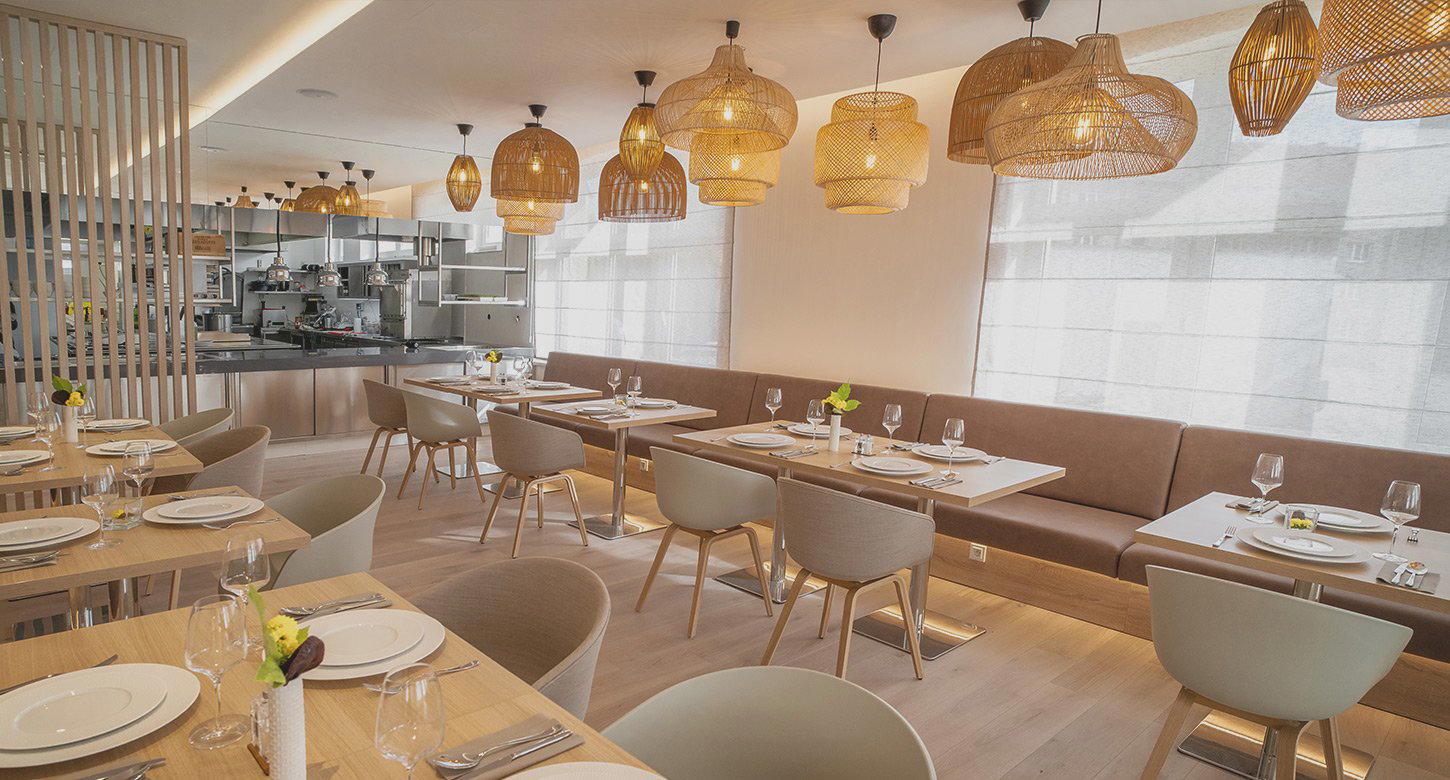
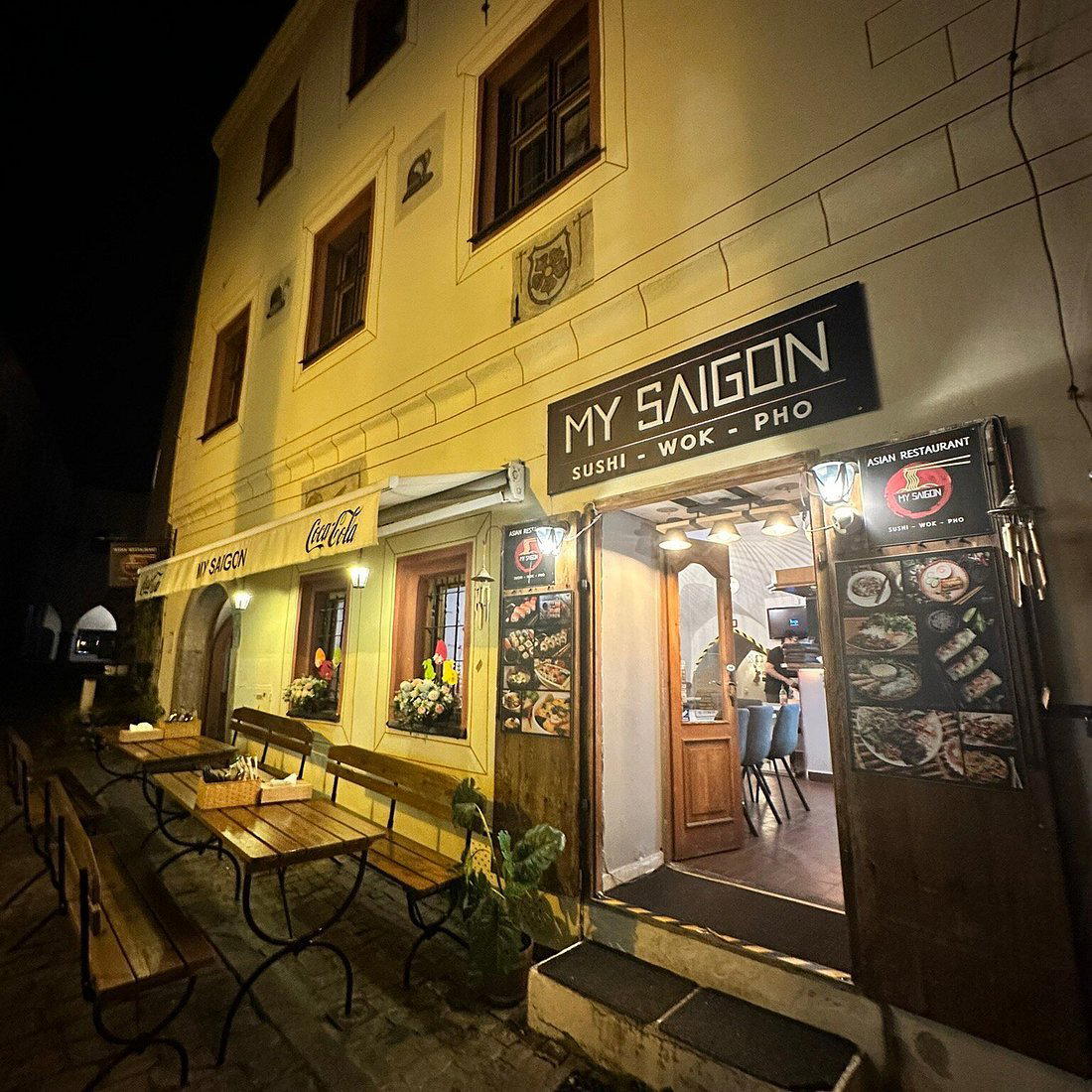
Bars in Strakonice
Browse all →
Hotels in Strakonice
Browse all →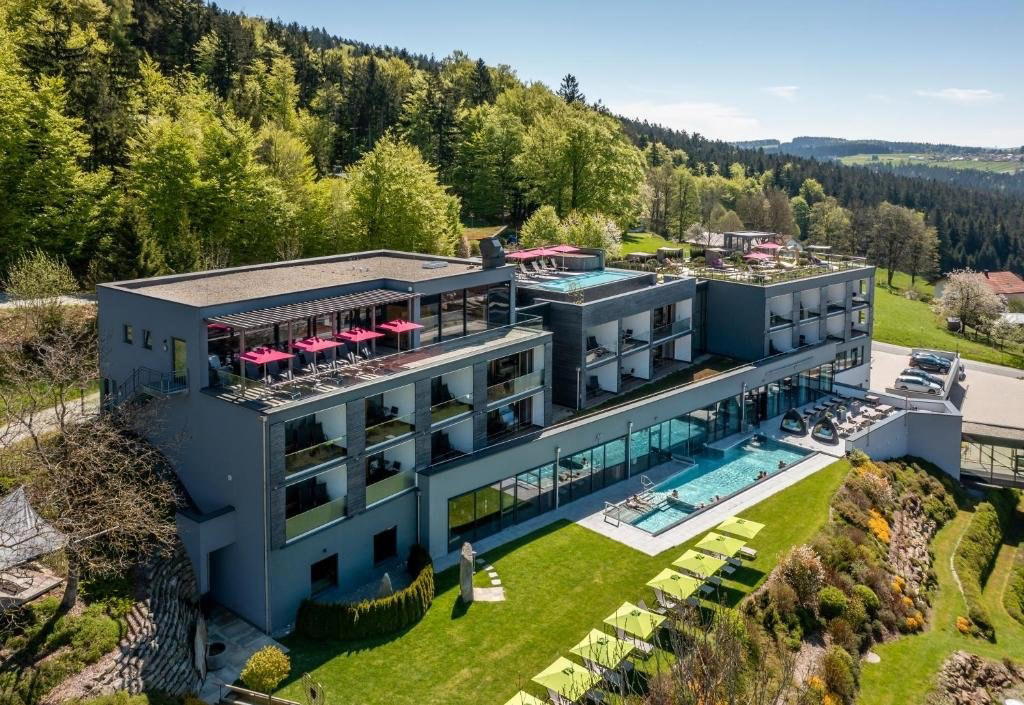
Details
- Cozy
- Rustic
- Intimate
- Special Occasion
- Open Kitchen
- Local Sourcing
- Zero Waste
- Tasting Menu
- A La Carte
- Vegetarian Friendly
Current opening hours
- Monday
- Closed
- Tuesday
- 11 a.m.–9 p.m.
- Wednesday
- 11 a.m.–9 p.m.
- Thursday
- 11 a.m.–9 p.m.
- Friday
- 11 a.m.–10 p.m.
- Saturday
- 11 a.m.–10 p.m.
- Sunday
- 11 a.m.–4 p.m.
Hours can change for holidays and private events. Last verified .
Pared-back, cosy interior with open kitchen views, surrounded by jars of preserved vegetables and mushrooms, creating a rustic, homemade atmosphere.