Sukiyaki House occupies a ground-floor address in Calgary's downtown core at 207 9 Ave SW, placing it inside one of the city's most competitive lunch corridors. The restaurant draws on Japanese sukiyaki tradition, a format built around communal, broth-based cooking, and sits within a broader wave of Japanese-influenced dining that has reshaped Calgary's midtown eating options over the past decade.
Pearl is the En Primeur Club membership app — saves, bookings, and concierge access live there. Same editors, same standards.
- Address
- 207 9 Ave SW #130, Calgary, AB T2P 1K3, Canada
- Phone
- +14032633003
- Website
- sukiyakihouse.com
- Directions
- Get directions
 Saves & bookings on Pearl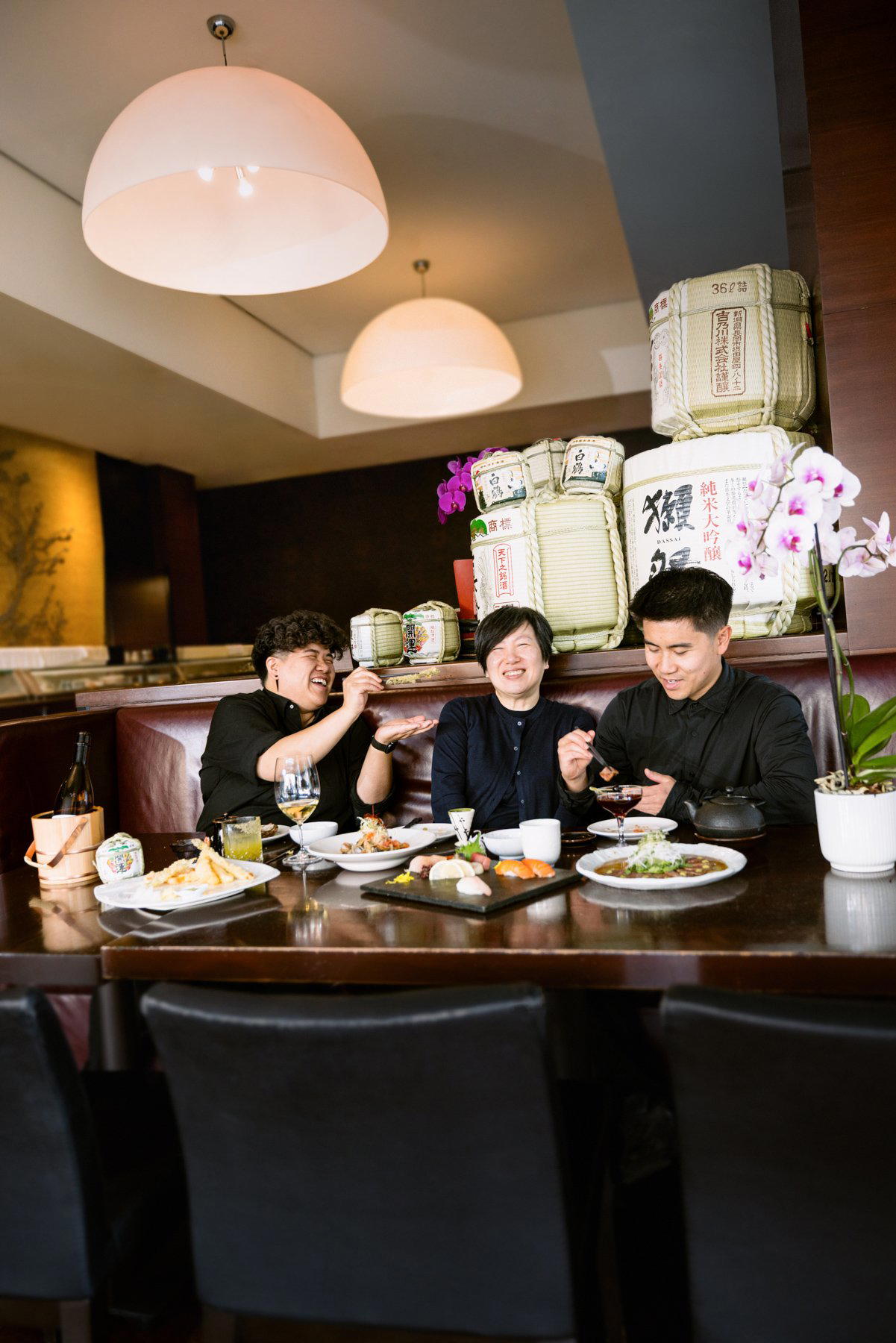
A Broth-Based Tradition in Calgary's Downtown Core
Calgary's 9th Avenue SW corridor has developed into one of the city's most reliable midday dining stretches, with a concentration of sit-down restaurants that cater to the financial district's lunch trade while also pulling evening diners heading to the Arts Commons precinct nearby. Within that corridor, Japanese-influenced formats occupy a specific position, and sukiyaki as a format adds a further layer of distinction. Where ramen and sushi have become common reference points in most Canadian cities, sukiyaki, a hot-pot preparation centred on thinly sliced beef, tofu, and vegetables cooked tableside in a sweetened soy broth, remains comparatively underrepresented outside of Japan's own dining culture.
Sukiyaki House, at 207 9 Ave SW in Calgary's Beltline-adjacent downtown, anchors itself to that tradition. The format is inherently communal and paced, which shapes the dining experience in a way that quick-service Japanese concepts do not. Eating sukiyaki is a slower proposition than ordering from a sushi counter: the cooking happens at the table, the broth deepens as the meal progresses, and the experience has more in common with fondue or Korean barbecue, in terms of pacing and guest involvement, than with the efficient counter service that defines much of Calgary's Japanese dining scene.
How Lunch and Dinner Diverge Here
The lunch-versus-dinner divide is more pronounced in Japanese cooking than in most other traditions, and that distinction applies here. In Japan, sukiyaki is predominantly an evening meal, a format associated with relaxed group dining, often ordered for tables of four or more, with a bottle of sake or cold beer arriving alongside the first round of ingredients. At lunch, the format faces a structural tension: the communal, slow-cooking nature of the dish does not sit easily inside a 45-minute window, and downtown Calgary's weekday lunch trade operates largely on compressed schedules.
That tension is a feature of the format itself, not a failing of any individual venue. Restaurants built around hot-pot and tableside cooking traditions across Canada, from Shabu-shabu houses in Vancouver's Richmond district to Korean barbecue restaurants along Toronto's Bloor West corridor, have all grappled with the same question: how do you adapt an inherently leisurely format for a market that eats its midday meal quickly? The answer, in most cases, involves a streamlined lunch menu with set portions and fixed cooking times, while the dinner service retains the fuller, more open-ended format. For a venue at this address, the evening service is where the format's pacing works well, and where the downtown foot traffic shifts from office workers to arts-district visitors and evening diners.
Compared to Calgary's more format-flexible Japanese restaurants, the broader contemporary menus at places like Alloy, or the daytime-friendly approach at Alforno Eau Claire, a sukiyaki-focused house is operating in a narrower register that rewards return visits and guests who arrive with time to spare. The first visit teaches you the format; subsequent visits are where the meal becomes intuitive.
Where This Fits in Calgary's Japanese Dining Arc
Calgary's Japanese dining scene has moved through several phases. The city's earliest Japanese restaurants were predominantly sushi-led, reflecting national patterns from the 1980s and 1990s. The following decade brought ramen specialists and izakaya formats, again mirroring broader North American trends. The more recent movement has been toward specificity: restaurants that focus on a narrower slice of Japanese culinary tradition rather than attempting the full breadth of the cuisine. That specialisation is a marker of a maturing market, and it parallels what has happened in other Canadian cities. Destination-format Japanese restaurants like Atomix in New York City and the tasting-counter approach of AnnaLena in Vancouver reflect how narrow-format precision has become a signal of seriousness in North American dining more broadly.
Within Calgary, that specialisation shows up across multiple cuisines. Aloha Modern Kitchen applies a similarly focused lens to Hawaiian-influenced cooking. Annabelle's Kitchen Downtown occupies the refined Canadian comfort category. The point is that specialisation, rather than breadth, has become the credibility signal in Calgary's mid-tier and above restaurant market, and a sukiyaki-focused venue is participating in that same logic.
For reference against Canada's wider fine-dining spectrum, venues like Tanière³ in Quebec City and Alo in Toronto have demonstrated how format discipline and conceptual focus at the upper tier translate into sustained recognition. The lesson from those experiences applies at every price point: clarity of concept drives repeat business more reliably than versatility.
The 9th Avenue Address in Context
The SW 130 suite at 207 9 Ave places the venue on the southern edge of Calgary's main financial district, within walking distance of the Beltline's residential density and the cultural institutions along the adjacent blocks. That dual catchment, office workers at lunch, residents and arts-district visitors at dinner, is a structural advantage for any downtown Calgary restaurant, but it also means the venue competes across two distinct use cases rather than one. A Certain Flair Catering at Lougheed House occupies the heritage-venue niche in the same general district; the restaurants along this stretch collectively define what downtown Calgary dining looks like beyond the hotel-restaurant tier.
Internationally trained diners visiting Calgary often arrive with reference points set elsewhere. Le Bernardin in New York City has trained a generation of diners to expect precision and restraint in a formal setting; Jérôme Ferrer's Europea in Montreal and Restaurant Pearl Morissette in Lincoln illustrate the range within Canadian fine dining alone. A sukiyaki house operates at a different register than any of those, but the principle holds: know what the format does well, and deliver it with consistency.
Know Before You Go
Address: 207 9 Ave SW, Suite 130, Calgary, AB T2P 1K3
Neighbourhood: Downtown Calgary / Beltline-adjacent
Format: Japanese sukiyaki (tableside hot-pot tradition)
Leading for: Evening dining; allow 90 minutes or more for the full format
Booking: Reservations are recommended; hours: Mon to Fri 11 AM to 2 PM and 5 to 10 PM, Sat 5 to 10 PM, Sun closed
Dietary requirements: Sukiyaki is traditionally beef-forward
Credentials Lens
Comparable venues nearby, for context on price, style, and recognition.
| Venue | Cuisine | Price | Notes |
|---|---|---|---|
| Sukiyaki HouseThis venue — the venue you are viewing | Modern Japanese Sushi & Omakase | $$$ | Not listed |
| NUPO | Modern Japanese Plant-Forward Sushi | $$$$ | Downtown East Village |
| Centini | Modern Italian Fine Dining | $$$ | Downtown Commercial Core |
| Noble Pie | New York-Style Artisanal Pizza | $$$ | Connaught |
| Añejo Restaurant | Authentic Mexican with Jalisco Influence | $$$ | 4th Street SW |
| Vero Bistro Moderne | Modern Italian Fusion Bistro | $$$ | Hillhurst |
At a Glance
- Modern
- Elegant
- Sophisticated
- Date Night
- Special Occasion
- Open Kitchen
- Sake Program
- Local Sourcing
Current opening hours
- Monday
- 11 AM–2 PM, 5–10 PM
- Tuesday
- 11 AM–2 PM, 5–10 PM
- Wednesday
- 11 AM–2 PM, 5–10 PM
- Thursday
- 11 AM–2 PM, 5–10 PM
- Friday
- 11 AM–2 PM, 5–10 PM
- Saturday
- 5–10 PM
- Sunday
- Closed
Hours can change for holidays and private events. Last verified .
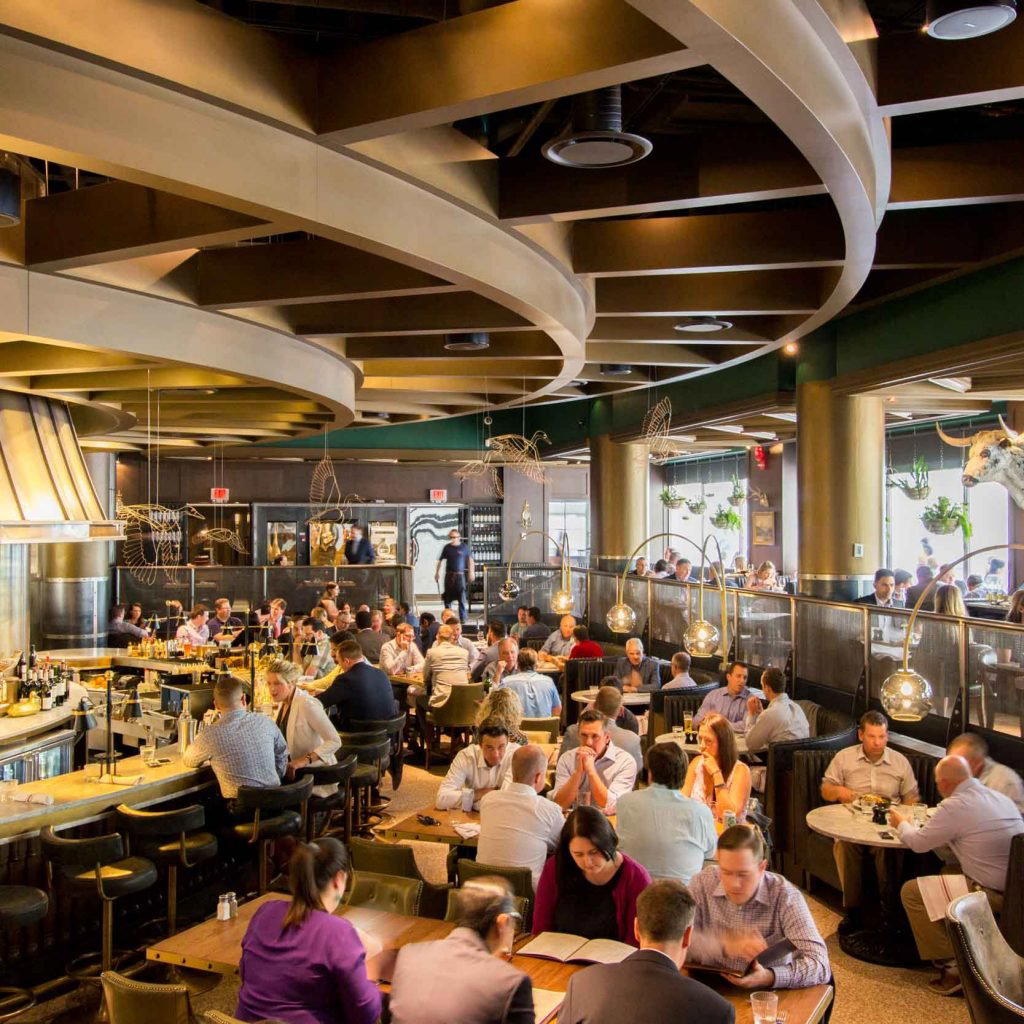
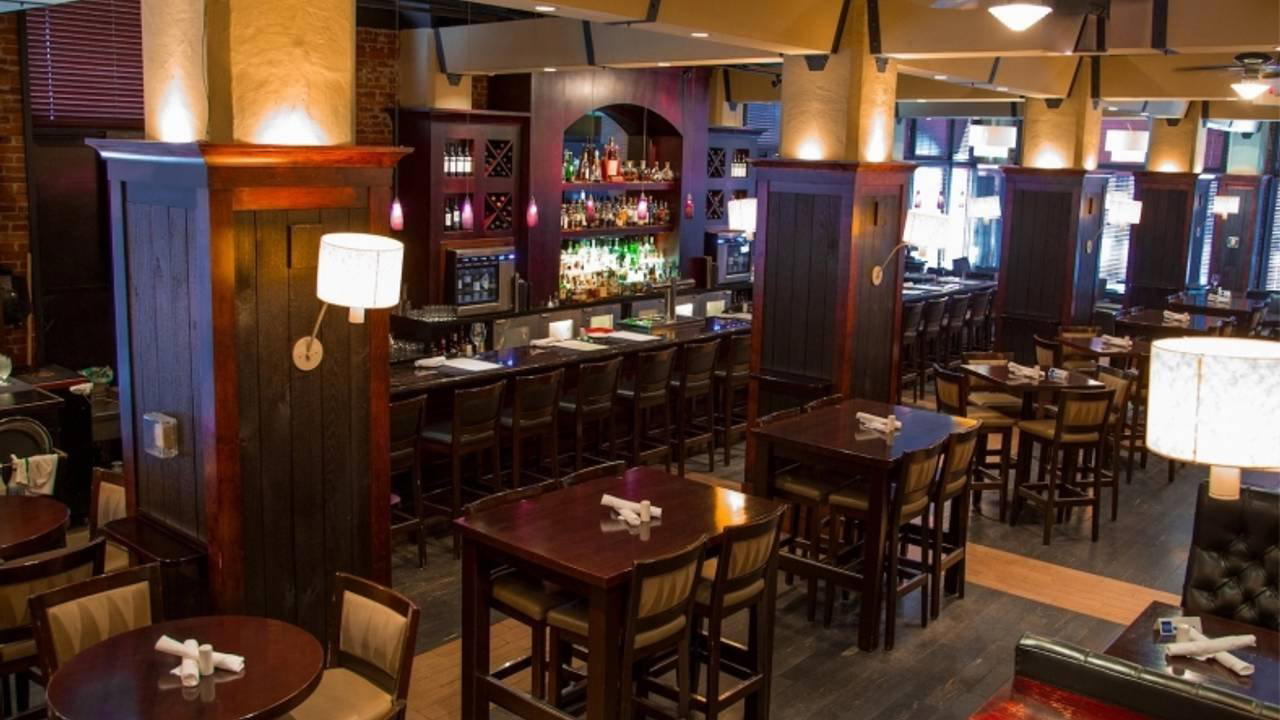
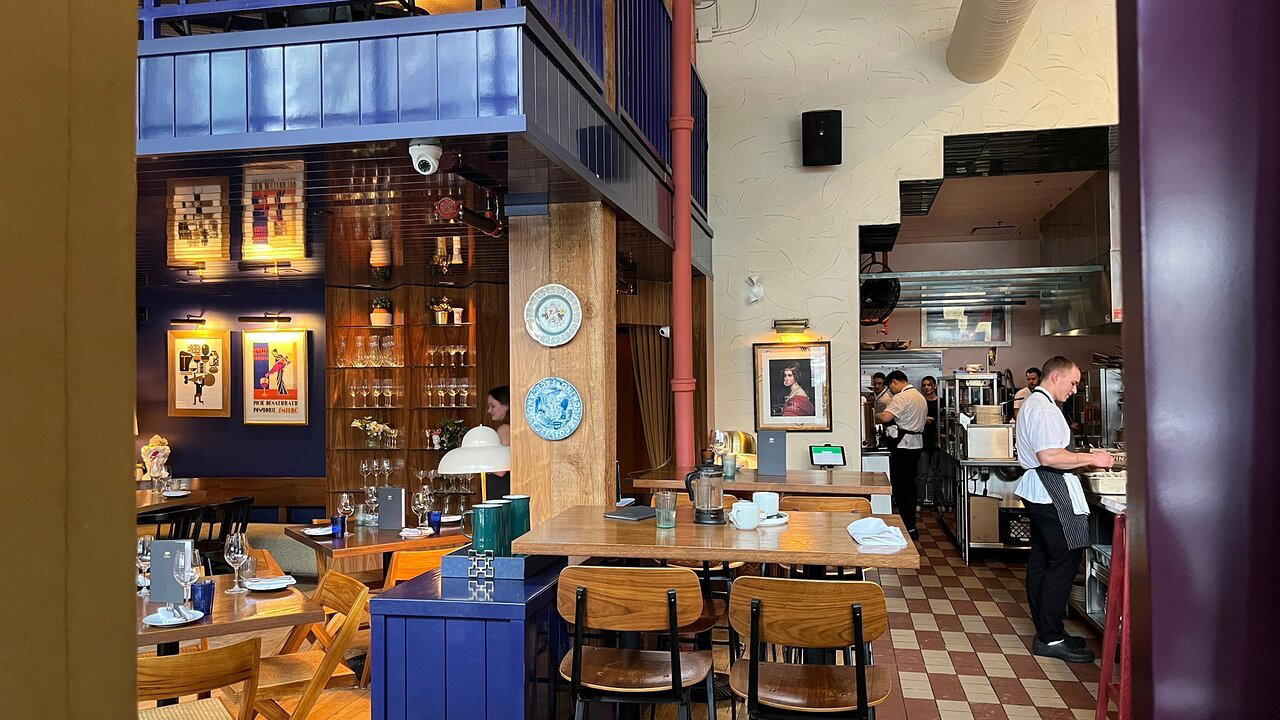
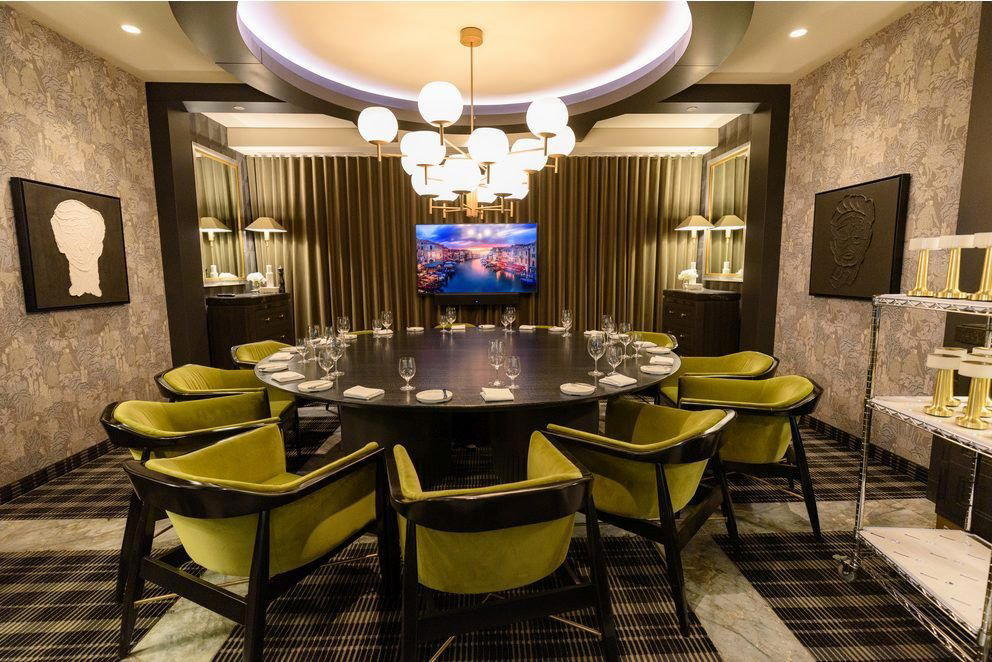
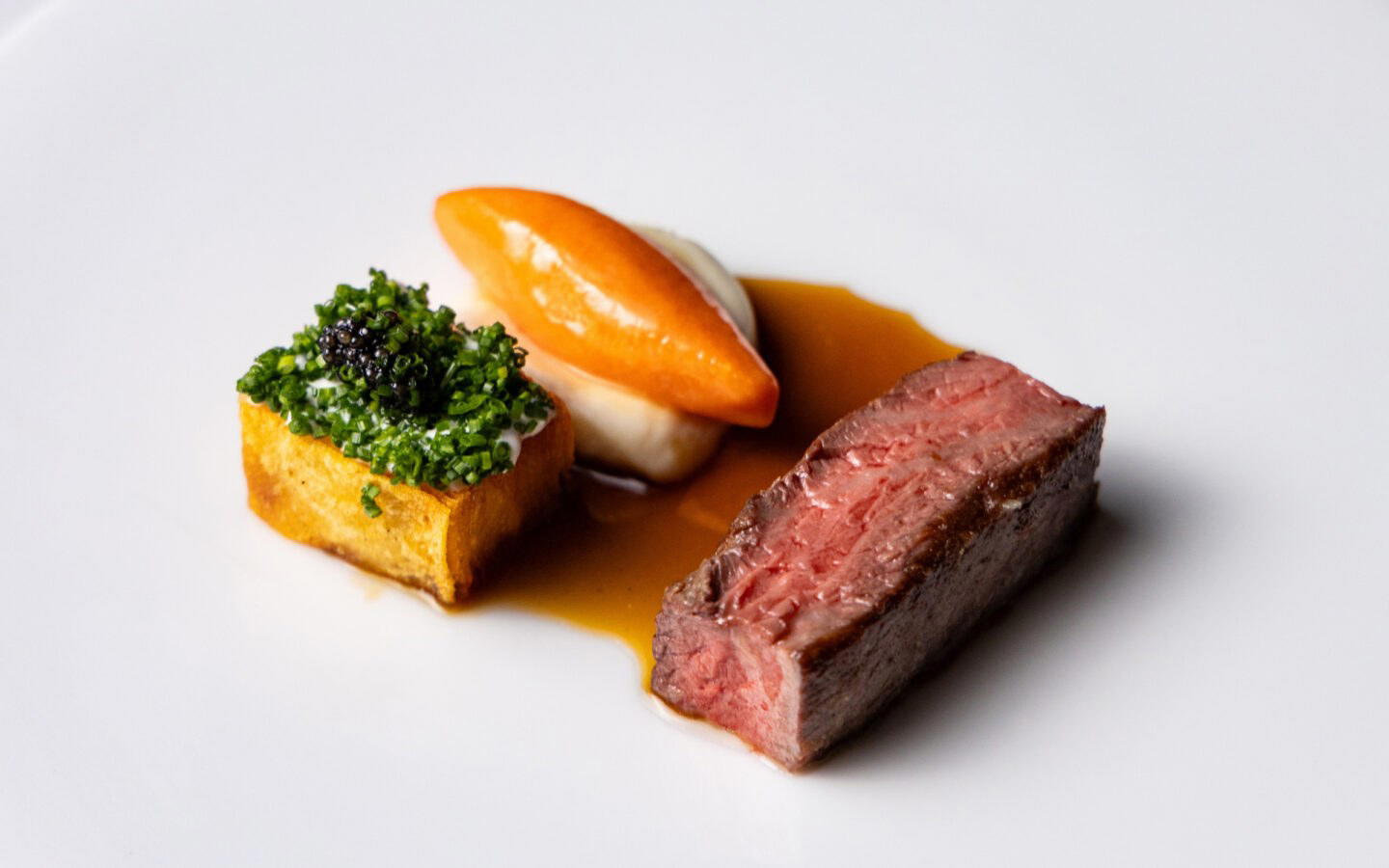
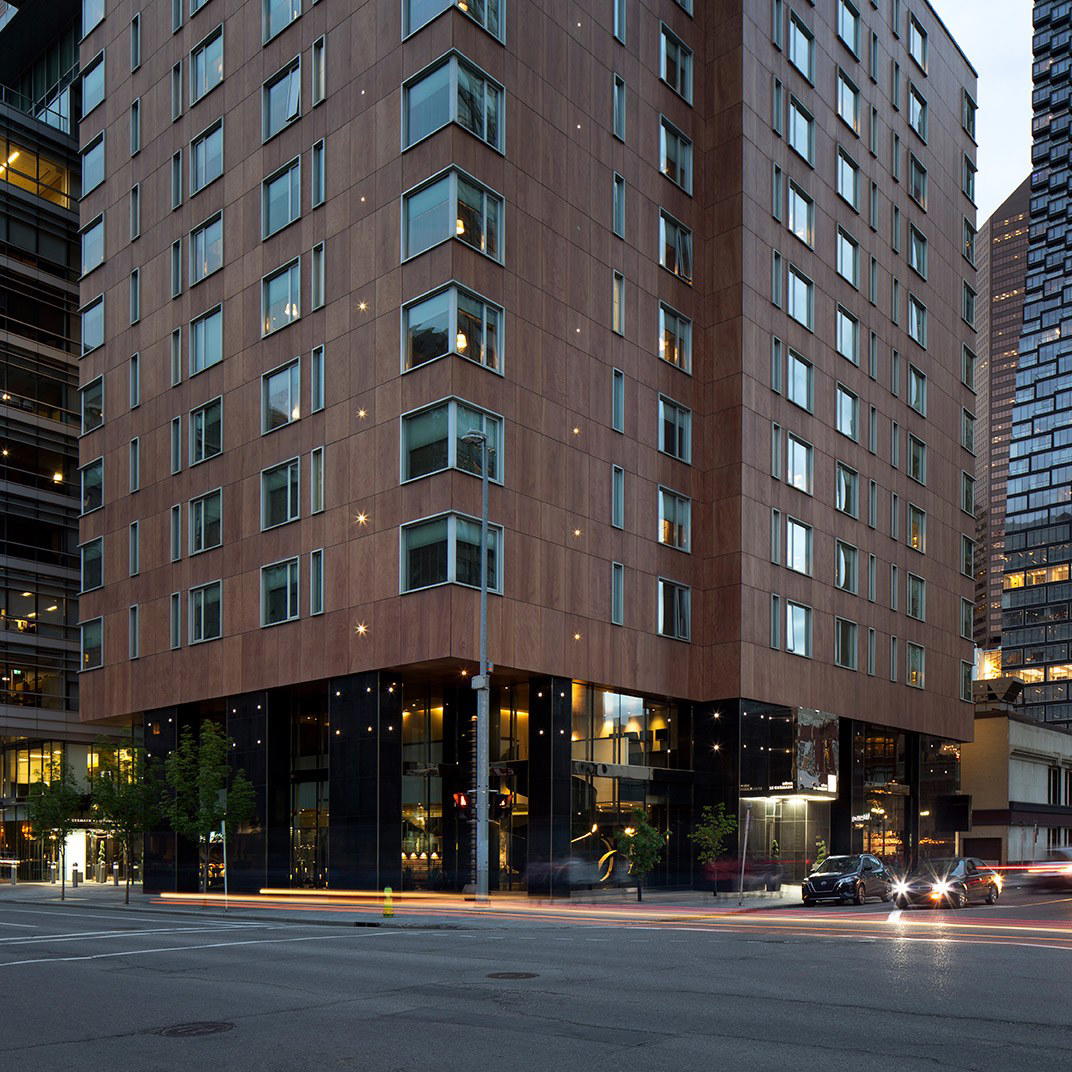
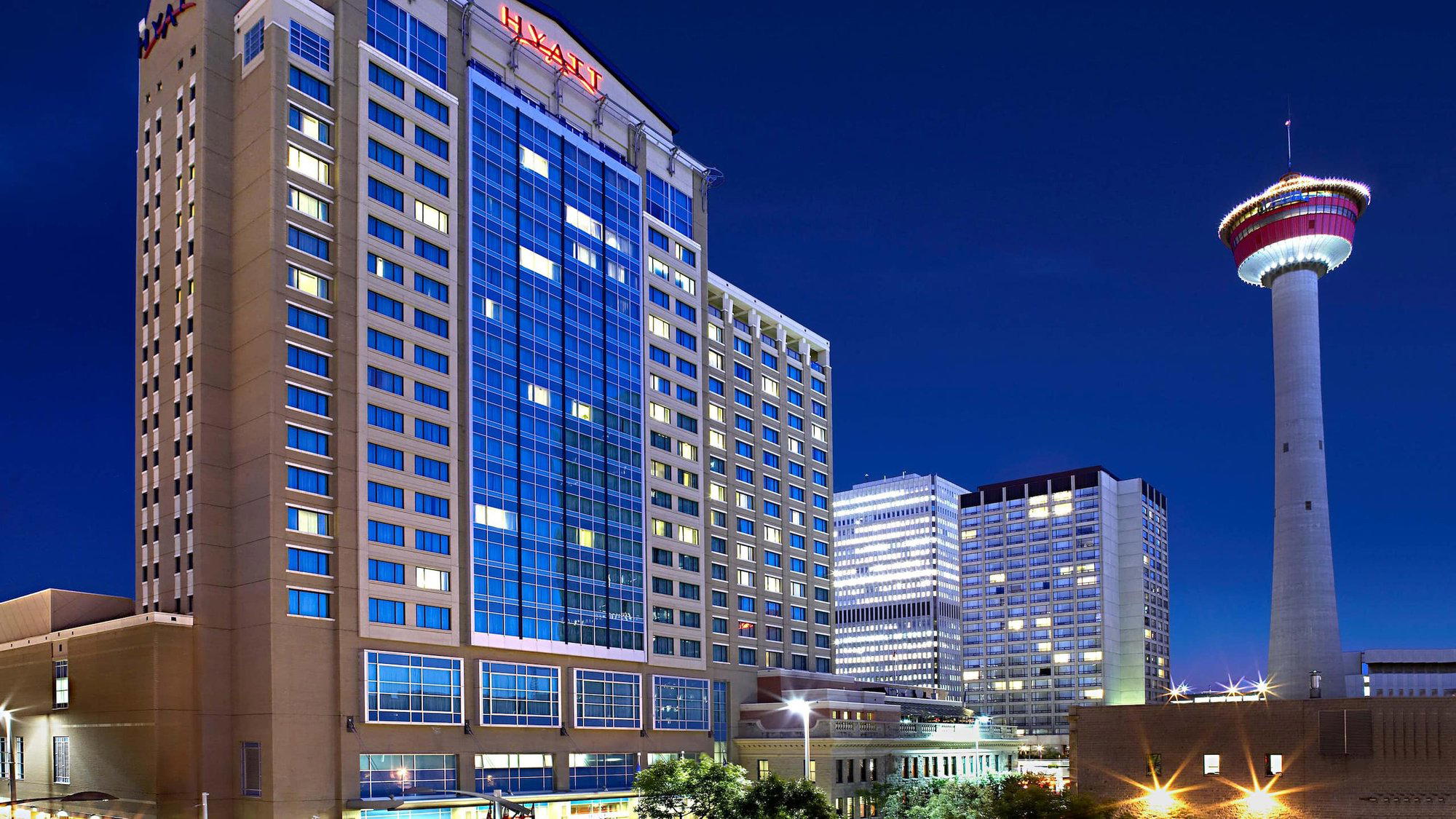
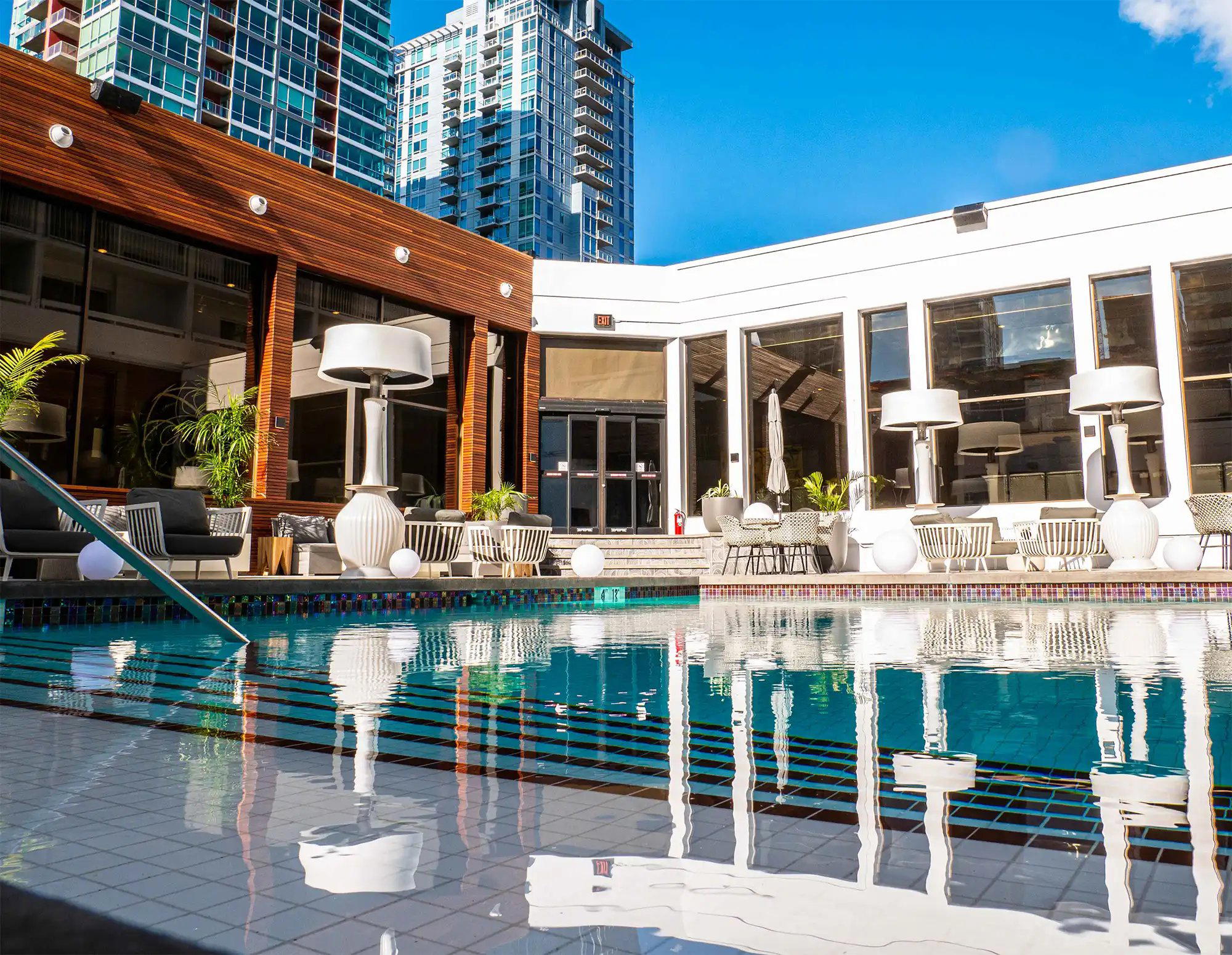
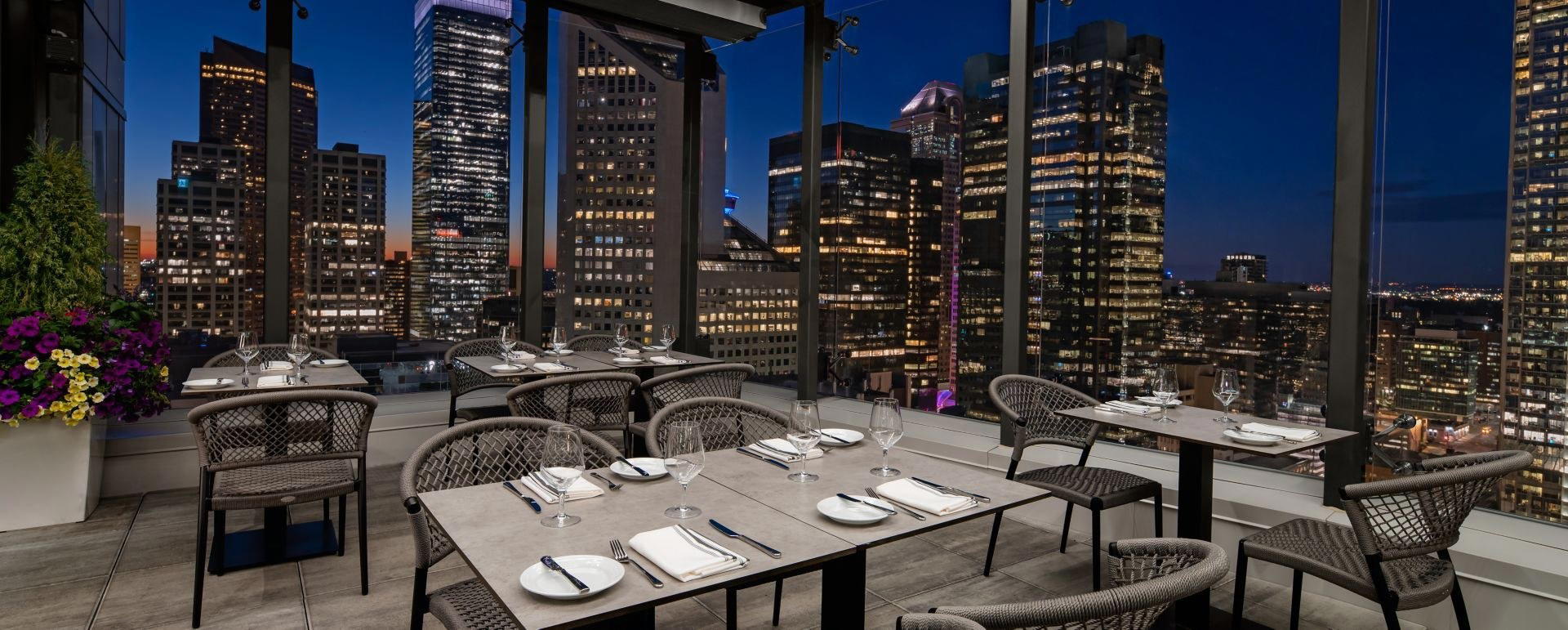
Contemporary chic setting blending modern aesthetics with authentic Japanese culinary artistry.