


1 Michelin Star · Star Wine List · We're Smart World 1 Radish
Our verdict
Skab holds a Michelin star in Nîmes's most competitive dining tier, positioning itself against peers like Jérôme Nutile with a vegetable-forward modern menu that draws on regional Languedoc ingredients.

Pearl is the En Primeur Club membership app, where members save venues, book tables and use the concierge.
The menu
What to order
- Langoustine in vegetable cabbage with pearl caviar
- John Dory with grilled squash and honey sauce
- Lamb from Gap with foie gras
- Signature soufflé with strawberry and rhubarb
Where Nîmes Places Its Michelin Ambition
The upper tier of Nîmes dining has consolidated around a small number of modern kitchens operating at the €€€€ level, and the competition within that bracket is real. Jérôme Nutile has long anchored the city's fine-dining conversation, while Rouge (Creative) pursues a different creative register at the same price tier. Skab, which earned its Michelin star in 2024, now sits in that same upper bracket. Its competitive identity is shaped less by classical pomp and more by a precise, vegetable-led approach that prizes regional Languedoc produce over imported luxury references. That positioning separates it from peers who lean on more conventional fine-dining signals, and it aligns the restaurant with a broader French movement in which starred kitchens in secondary cities have begun to define themselves through terroir specificity rather than technique display alone.
The broader French regional dining scene provides useful context here. Houses like Bras in Laguiole have spent decades making the case that the Massif Central's wild plants and volcanic soils are as worth celebrating as any Parisian pantry. That argument has filtered southward and now informs how kitchens in cities like Nîmes approach their sourcing. Skab's focus on Grau-du-Roi shrimps and regional vegetables belongs to this tradition: the Mediterranean coast fifty kilometres south supplies the protein, and the Gard's gardens supply the supporting cast.
The Setting: Roman Stones, Maple Shade
Physical experience of arriving at Skab anchors you immediately in Nîmes's particular version of southern French urbanism. This is not accidental adjacency. Nîmes wears its Roman inheritance at street level in a way that few French cities do, and a restaurant operating at this price point in this location is in dialogue with that civic identity whether it intends to be or not.
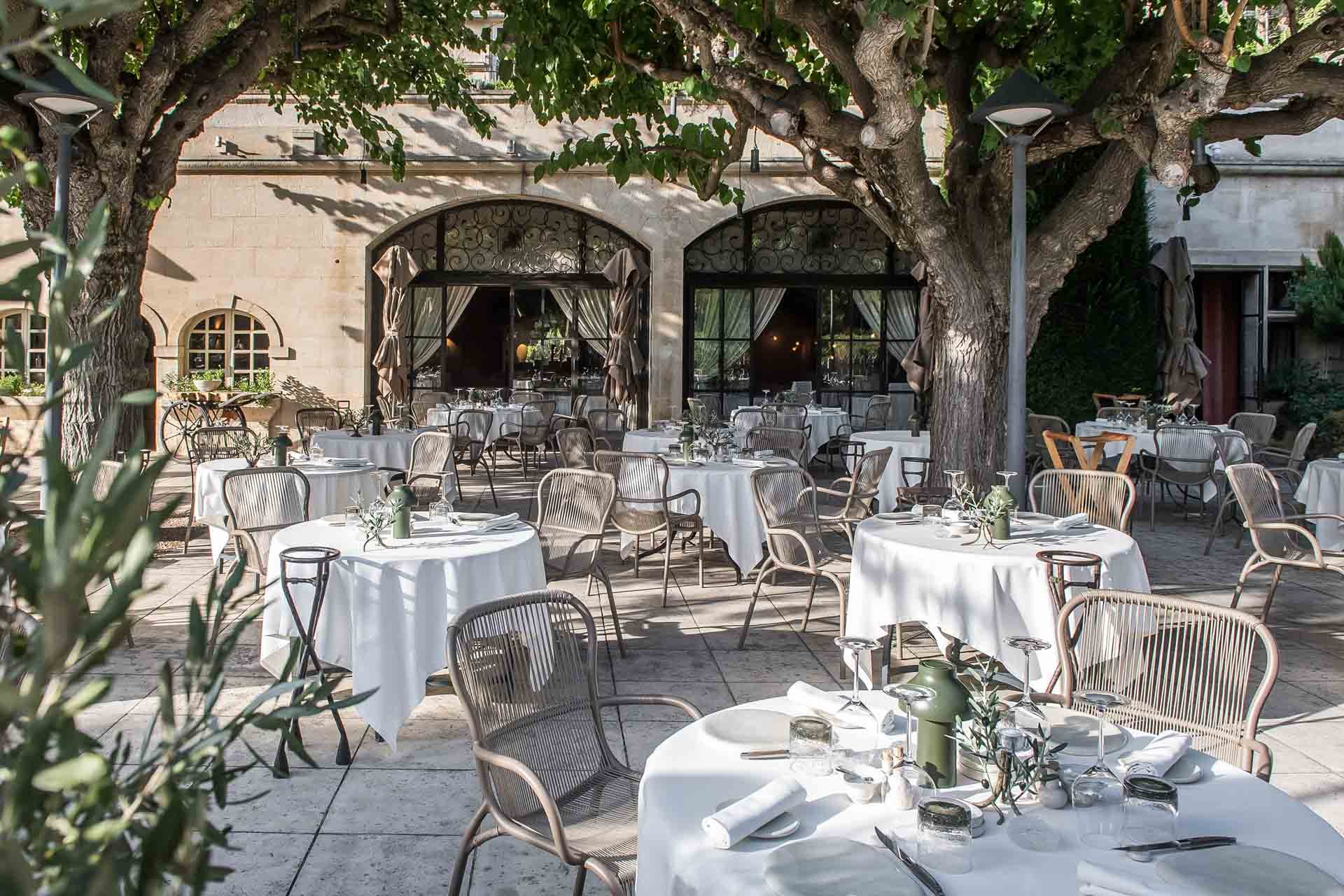
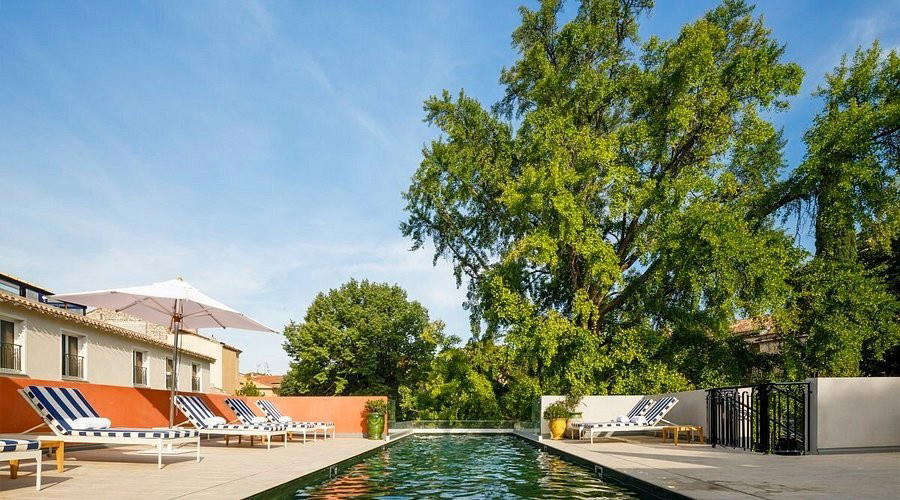
When the season allows, the patio shaded by maple trees becomes the most requested real estate in the house. The interior, with the Arènes visible at close range, carries its own weight, but the patio is where the physical environment and the cooking register most naturally together. The service dynamic at this level in Nîmes is shaped by that constraint and by an opportunity: a smaller city means longer-tenured teams, which in turn means that the person guiding you through a menu of inventive vegetable preparations and coastal seafood is likely someone with genuine knowledge of how those dishes were conceived and why specific regional ingredients were chosen over alternatives.
The cooking's strong vegetable emphasis places particular demands on this relationship. Guests unfamiliar with a menu organized around broccoli bavaroise, stuffed green cabbage, or grilled squash with honey sauce need guidance that goes beyond standard description. The front-of-house role at Skab is partly educational: translating a kitchen philosophy that foregrounds produce over protein into a narrative that makes sense to a dining room that may have expected something more conventionally seafood- or meat-centred at the €€€€ tier. When that translation works, the meal coheres as an argument, not just a sequence of courses. When the wine selection is brought into the same conversation, linking the natural colours and crisp flavours the Michelin inspectors noted to bottles from the Languedoc or Rhône valley, the three-part collaboration between kitchen, floor, and cellar becomes the actual experience on offer.
This team dynamic places Skab in an interesting position relative to its international peers. Kitchens like Frantzén in Stockholm or FZN by Björn Frantzén in Dubai operate at a scale and budget that allows for deep specialism in each service role. A one-star address in a mid-sized southern French city achieves coherence differently: through proximity, consistency, and a shared understanding of what the kitchen is trying to say.
The Menu's Governing Logic
The Michelin citation for Skab is worth reading carefully because it tells you something about where the kitchen sits in the broader modern French conversation. The inspectors noted original flavour combinations, natural colours, and precise seasoning, with a declared focus on vegetables as the central organising principle. In a country where the starred tier has historically been defined by butter, cream, and the grand protein, that framing is a statement of intent.
The specific dishes referenced in public record illustrate the approach: shrimps from Grau-du-Roi cooked in stock alongside broccoli bavaroise and a spring roll of green cabbage stuffed with shrimps; lightly seared John Dory with grilled squash and honey sauce. The structural logic in each plate is consistent. A marine protein from the nearby coast anchors the dish, but the vegetable preparations carry equal weight in both technique and flavour interest. The bavaroise technique applied to broccoli is a classical method redirected toward a workaday brassica. The spring roll format borrows from outside French tradition to reframe familiar Languedoc produce. The honey sauce on John Dory introduces sweetness at a register that Mediterranean cooking has used for centuries but that French fine dining has historically been reluctant to explore. These are editorial choices, not decorative ones.
Kitchen's lineage supports this reading. Chef Damien Sanchez trained at Cabro d'Or, La Réserve de Beaulieu, and Christopher Coutanceau in La Rochelle before working alongside Jérôme Nutile in his home city. Those are kitchens that collectively cover Provençal tradition, coastal luxury, and modern French technique. That formation shows in the cooking's range: technically assured, regionally grounded, and willing to apply precision methods to ingredients that other kitchens at this tier would overlook.
Nîmes at the Table: Where Skab Fits
A complete reading of Nîmes dining requires some layering. Below the €€€€ tier, Le Bistr'AU at Le Mas de Boudan and Aux Plaisirs des Halles offer modern and traditional cuisine respectively at the €€ level, serving the majority of the city's daily dining at quality. Duende adds a different register to the city's creative range. The starred tier, where Skab now operates, is the city's argument to the wider French culinary conversation: that a Roman city in the Gard, fifty kilometres from the Mediterranean, has something specific to say about the relationship between southern French produce and contemporary kitchen technique. The movement that produced Mirazur in Menton and the restless ambition visible in kitchens from Alléno Paris au Pavillon Ledoyen to Troisgros in Ouches has created conditions in which a vegetable-forward starred kitchen in a secondary city can be taken seriously on its own terms rather than measured against Paris. Paul Bocuse's Auberge du Pont de Collonges and Flocons de Sel in Megève represent the longer tradition of French regional kitchens building reputations at distance from the capital. Skab is a younger iteration of that same impulse.
Planning Your Visit
Service runs Tuesday through Saturday. Lunch sittings are tight: 12 PM to 12:45 PM on weekdays, extending to 1:30 PM on Saturday. Evening service opens at 7:30 PM and closes at 8:45 PM through Friday, with a slightly later last-seating at 9 PM on Saturdays. Monday and Sunday are closed. Given the short lunch window and the restaurant's Michelin recognition, advance booking is advised, particularly for the shaded patio during warmer months. For broader context on the city's dining, drinking, and accommodation options, see our full Nîmes restaurants guide, our full Nîmes hotels guide, our full Nîmes bars guide, our full Nîmes wineries guide, and our full Nîmes experiences guide.
Frequently asked questions
What kind of recognition has Skab received?
Skab has received recognition including: You're young and you want something! Nimes - where vegetables are at home - is also the home of Skab, the restaurant of chef Damien Sanchez. Original flavour combinations pass by, the natural colours give hunger, and the flavours are just r….
What do people recommend at Skab?
The Michelin citation singles out the kitchen's handling of vegetables and regional seafood as its defining strengths, pointing to dishes built around shrimps from Grau-du-Roi, broccoli bavaroise, green cabbage spring rolls, and lightly seared John Dory with grilled squash and honey sauce. Those combinations reflect chef Damien Sanchez's governing logic: regional sourcing, restrained technique, and flavour clarity over complexity. The vegetable focus, rare at this price tier in southern France, is what the star effectively endorses.
What should I budget for a meal at Skab?
Pricing at Skab is listed as €€€€.
What days is Skab closed?
Hours at Skab: Monday closed Tuesday 7:30 PM-8:45 PM Wednesday 12 PM-12:45 PM 7:30 PM-8:45 PM Thursday 12 PM-12:45 PM 7:30 PM-8:45 PM Friday 12 PM-12:45 PM 7:30 PM-8:45 PM Saturday 12 PM-1:30 PM 7:30 PM-9 PM Sunday closed.
What's Skab's location?
Skab is located at 7 Rue de la République, 30000 Nîmes, France, Nîmes.
The Essentials
A quick peer reference to anchor this venue in its category.
| Venue | Cuisine | Price | Awards | Notes |
|---|---|---|---|---|
| SkabThis venue (the venue you are viewing) | Modern French Gastronomique | $100–150 | 1 Michelin Star · Star Wine List | Not listed |
| Jérôme Nutile | Modern French Haute Couture Gastronomy | $150–200 | 1 Michelin Star · Star Wine List | Modern Cuisine |
| Rouge | Modern French Fine Dining | $150–200 | 1 Michelin Star | Creative |
| Le Bistr'AU - Le Mas de Boudan | Modern French Bistro-Brasserie | Not listed | Michelin Bib Gourmand | Modern Cuisine |
| Aux Plaisirs des Halles | French Bistronomic with Market-Fresh Seafood | $30–50 | Michelin Plate | Traditional Cuisine |
| Gigi, Table Méditerranéenne | Mediterranean Sharing Bistrot | $30–50 | Michelin Plate | Mediterranean Cuisine |
Recognition history
Dated appearances from independent guides and award organizations, with the underlying list record or original source where available.
Michelin 1 Star
Michelin
Star Wine List
Star Wine List
We're Smart World 1 Radish
We're Smart World
Full recognition history (5 entries)
Michelin 1 Star
Michelin
Michelin 1 Star
Michelin
Continue exploring
More in Nîmes
Restaurants in Nîmes
All restaurants in Nîmes →
Bars in Nîmes
Browse all →

Details
- Elegant
- Romantic
- Sophisticated
- Intimate
- Date Night
- Business Dinner
- Celebration
- Special Occasion
- Terrace
- Garden
- Private Dining
- Open Kitchen
- Sommelier Led
- Farm To Table
- Local Sourcing
- Garden
- Tasting Menu
- Prix Fixe
- A La Carte
- Regional Wines
- Languedoc Wines
- Natural Wine
- Vegetarian Friendly
- Gluten Free Options
- Allergy Accommodating
Current opening hours
- Monday
- Closed
- Tuesday
- 7:30–8:45 PM
- Wednesday
- 12–12:45 PM, 7:30–8:45 PM
- Thursday
- 12–12:45 PM, 7:30–8:45 PM
- Friday
- 12–12:45 PM, 7:30–8:45 PM
- Saturday
- 12–1:30 PM, 7:30–9 PM
- Sunday
- Closed
Hours can change for holidays and private events. Hours as of .
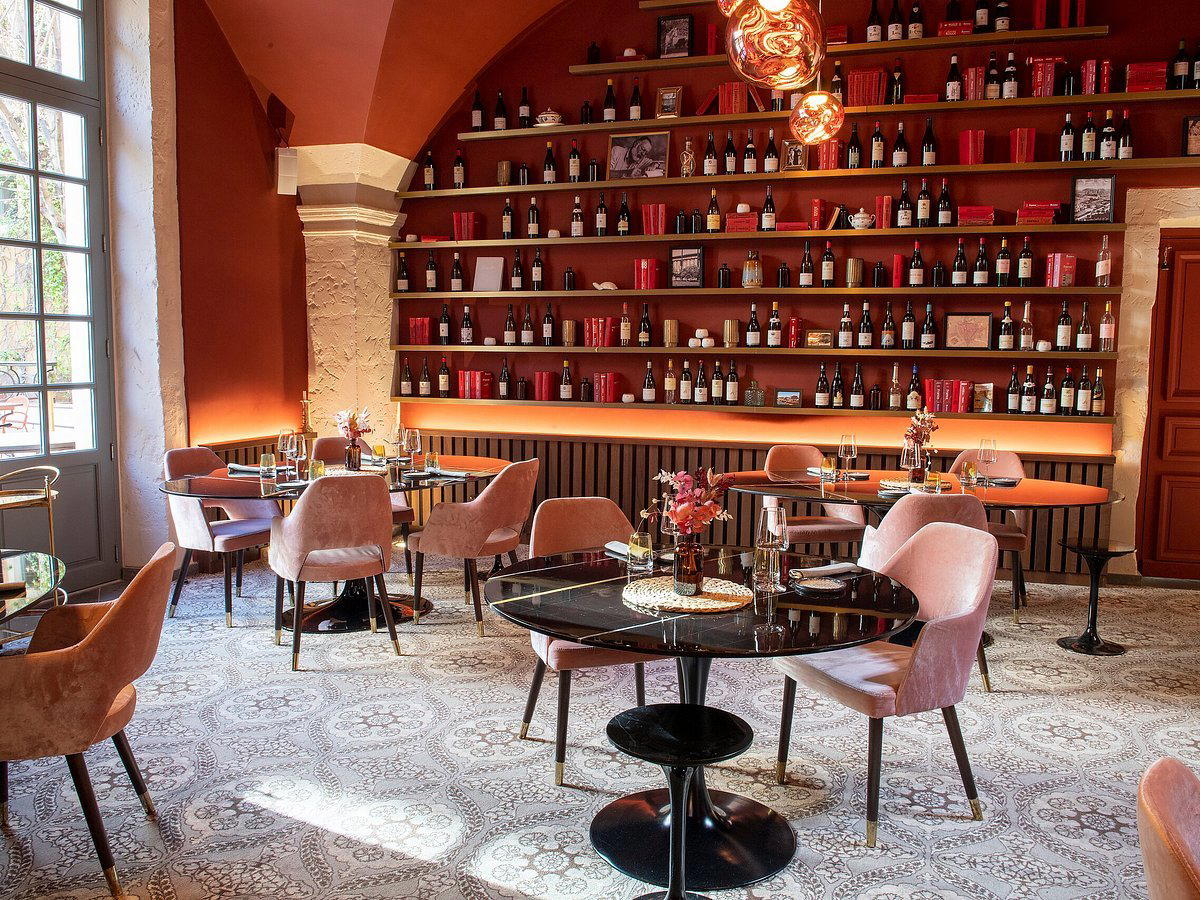
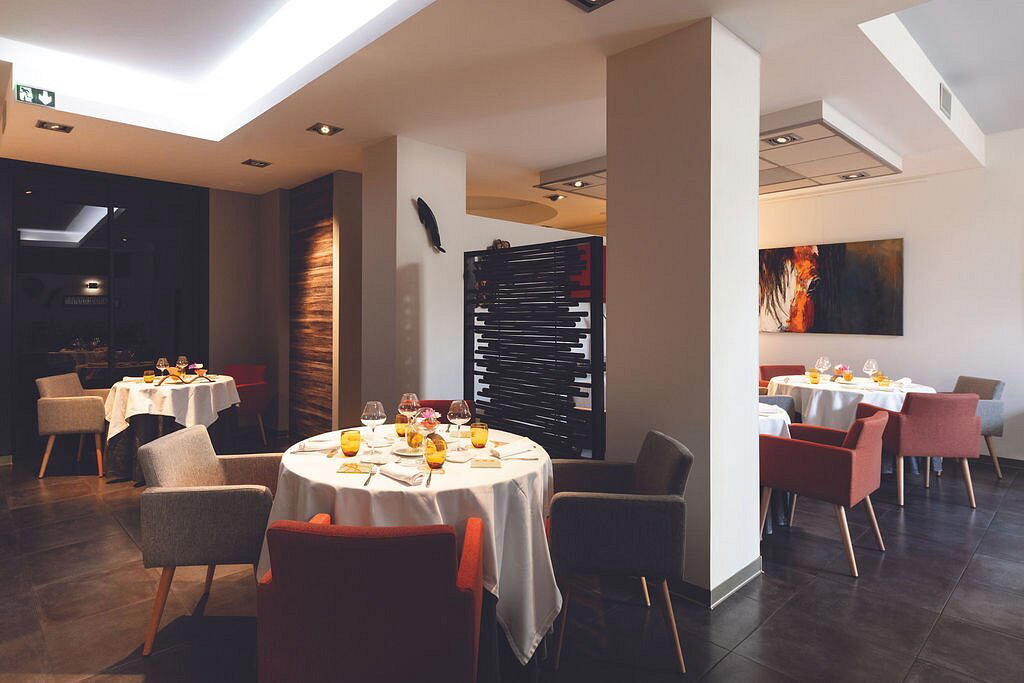
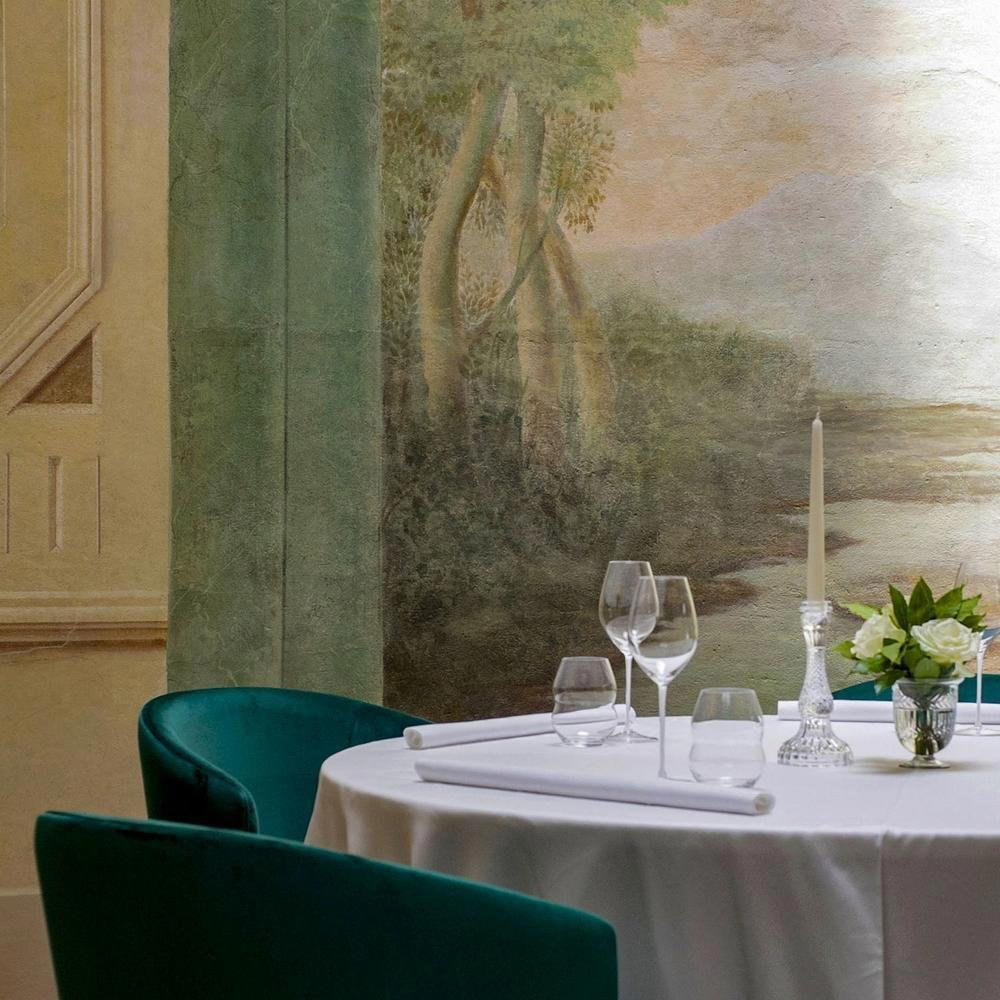
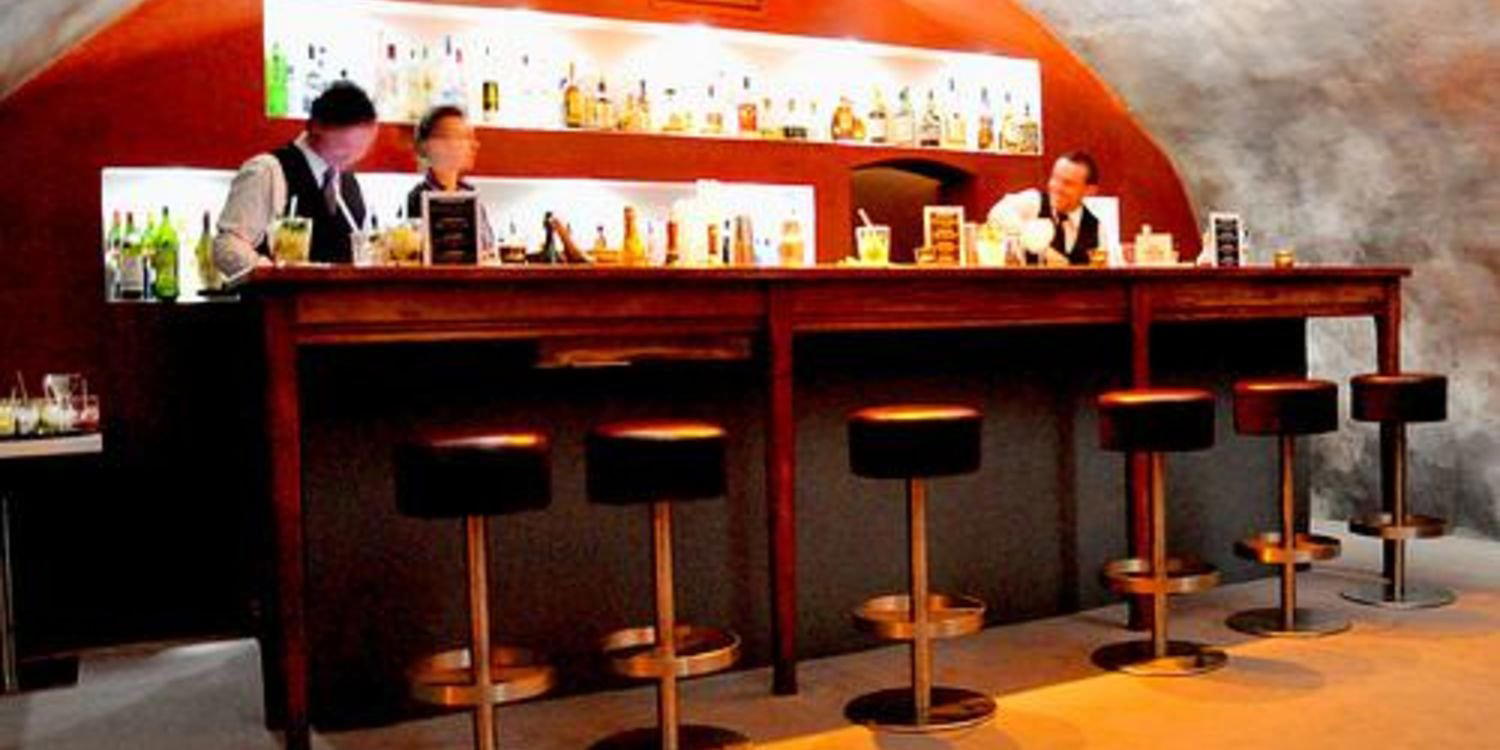
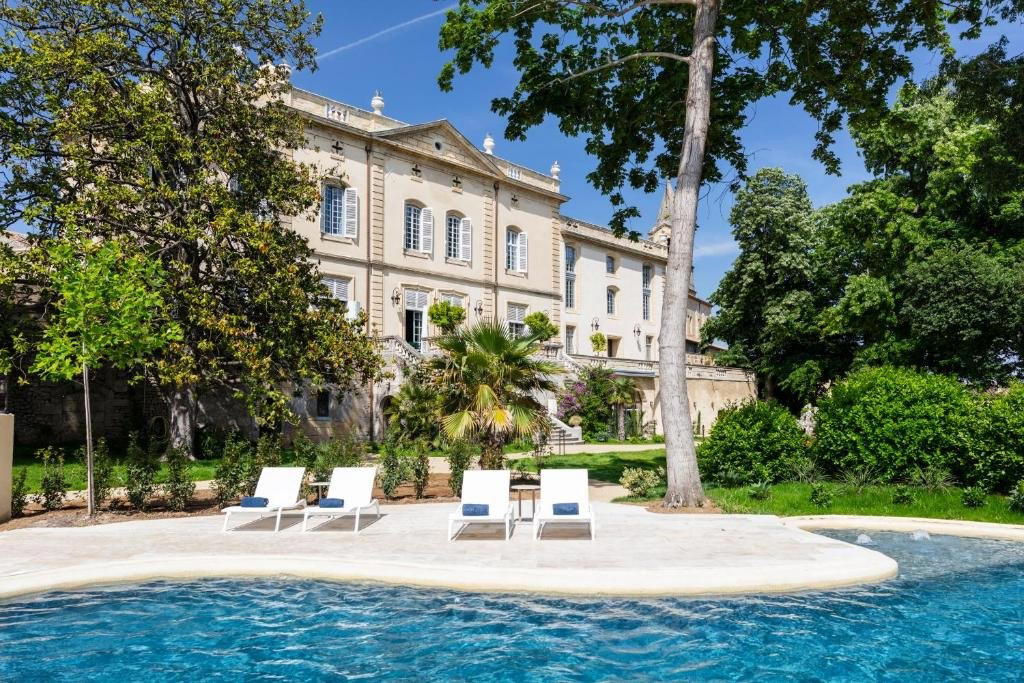
Refined and serene interior with careful artistic details from local Gard artisans; naturally shaded patio with maple trees creates a peaceful, elegant atmosphere conducive to fine dining.