
Tabelog 100 #71
Our verdict
Shirayuki is a compact Sendai izakaya in Omachi with a seafood-led, sake-friendly format and recognition in Tabelog 100 Izakaya EAST 2025. It sits below the city’s formal sushi and kaiseki price tier, making it a sharper read on local drinking-food culture than a long-course destination dinner.

Pearl is the En Primeur Club membership app, where members save venues, book tables and use the concierge.
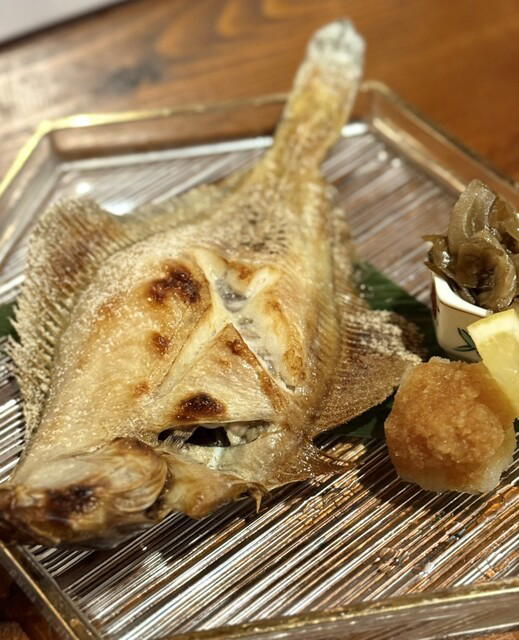
Sendai’s evening rhythm can be quieter and more regular-driven than the station-front dining belt: smaller approaches, familiar rooms, and dinners built more around pacing than spectacle. In that setting, the izakaya tradition reads clearly. Seafood, drinks, and flexible ordering do the work; the room is not trying to act like a tasting-menu restaurant. Shirayuki belongs to the kind of Japanese dining where the drinking structure matters as much as the cooking, and the meal is measured by timing rather than ceremony.
Sendai rewards this format. The city has formal Japanese dining for higher-budget meals, but its more revealing evenings often sit in the izakaya register: carefully handled seafood, drinks alongside salt and fat, and a room intimate enough for timing to shape the night. Shirayuki’s selection for Tabelog 100 Izakaya EAST 2025 places it within a broader benchmark, not a generic local tavern tier. That matters because izakaya awards rarely hinge on luxury signals; they tend to reward consistency, category fluency, and the ability to make an informal format feel serious without becoming stiff.
Sendai izakaya culture, seen through seafood and drinks rather than spectacle
The strongest argument for this style is cultural, not decorative. Izakaya dining grew around drinking, but the better examples are not merely bars with food. They are modular meals: a plate or two of seafood, something cooked, then another drink, ordered by appetite rather than a fixed procession. In Sendai, seafood and Japanese drinking culture sit naturally together. The point is not to chase one famous dish, but to read the room’s priorities through what it emphasizes.
Here, the category listing includes izakaya, creative cooking, and seafood, suggesting an izakaya not confined to standard drinking plates. That distinction helps travelers compare Sendai dinners. Sushi Enami occupies a sushi-counter bracket, while Japanese Ryori e. and French Restaurant Plaisir sit closer to formal restaurant territory. Yoi Tei Yocchan and Wabisuke operate nearer the everyday izakaya conversation. Shirayuki sits between these poles: less ceremonial than sushi or formal Japanese dining, more curated than a casual first drink near the station.
That middle tier is often where a city’s dining habits become legible. Sendai is not Tokyo, where international attention can distort the room before the food arrives. It is a regional capital with a deep appetite for local routine, and the izakaya remains one of its most efficient forms of hospitality. A restaurant in this format can serve dates, friends, after-work drinkers, and serious eaters without changing its identity. The format is flexible, but not vague.
The izakaya format changes the way dinner works
Format matters in an izakaya. A drinks-led meal creates a different evening from a large, fixed-course dinner. Orders can move in waves, and the meal can stretch or tighten according to appetite. This is not a format built around separation from the room’s rhythm. The trade-off is immediacy: in izakaya dining, the pace of the evening is part of the experience.
The atmosphere is also part of the decision, especially for visitors used to more formal premium dining rooms. Izakaya meals tend to be social, drink-aware, and less choreographed than tasting-menu restaurants. That is not a minor footnote for a premium traveler; it shapes whether the night feels convivial or too informal. Guests comfortable with that environment will find the restaurant fits the classic izakaya mode. Those seeking a quieter or more formal setup should consider other Sendai categories before choosing a dinner plan.
Recognition from Tabelog’s Hyakumeiten program gives the restaurant a clear trust signal. Tabelog scores and selections should be read differently from Michelin stars: they reflect a domestic review culture with biases toward consistency, regular use, and category depth. Here, a 3.64 score attached to a 2025 Tabelog 100 Izakaya EAST selection is stronger than the number alone. It places the restaurant inside a competitive field where modest rooms can stand out by doing their specific thing well.
How to place it within a Sendai itinerary
For a traveler building a Sendai food itinerary, this dinner works better when it is not forced to be the grand meal of the trip. Put the formal Japanese counter, sushi splurge, or French dinner elsewhere, then let an izakaya night handle the city’s drinking-food grammar. That keeps expectations accurate. The value is not elaborate service choreography; it is seafood, drinks, pacing, and the social elasticity of the format.
Sendai also works as an evening base for visitors who want more than station convenience. The city is practical for dining plans, but still has local cadence beyond transport-hub efficiency. Pair dinner here with a broader city plan: compare it with Sendai’s restaurant field through Our full Sendai restaurants guide, then layer in where to stay via Our full Sendai hotels guide, where to drink through Our full Sendai bars guide, regional wine context from Our full Sendai wineries guide, and cultural planning through Our full Sendai experiences guide.
Within the city’s restaurant map, read adjacent styles rather than chase one hierarchy. Other Sendai dining rooms show the city beyond one category, from casual local meals to more formal restaurants. For a wider Japan comparison set, contrast regional casual formats with unnamed dining in other cities rather than treating izakaya as a single national template. The overseas Japanese-drinking-food conversation shifts again in international settings, where the same cultural references are filtered through a different dining economy.
Frequently asked questions
Is Shirayuki a family-friendly restaurant?
Shirayuki is better framed as an izakaya than a family restaurant. Its category, pricing, and Tabelog 100 Izakaya EAST 2025 recognition point to a drinks-led dinner in Sendai rather than a child-focused setup.
Is Shirayuki better for a quiet night or a lively one?
It fits a focused izakaya evening more than a highly formal restaurant experience. The appeal is in Sendai’s izakaya rhythm, with seafood and creative cooking listed among its categories.
Is Shirayuki expensive?
Pricing at Shirayuki is listed as JPY 6,000 - JPY 7,999 View spending breakdown.
What time does Shirayuki open and close?
Specific opening hours are not provided here. Confirm the current schedule directly before planning dinner at Shirayuki.
Where do I go for Shirayuki?
Sendai.
A Pricing-First Comparison
Nearby venues at a similar price tier for orientation.
| Venue | Cuisine | Price | Awards | Notes |
|---|---|---|---|---|
| ShirayukiThis venue (the venue you are viewing) | Japanese Izakaya | $30–50 | Tabelog 100 #71 | Not listed |
| 鮨德 | Japanese Restaurant | Not listed | Tabelog 100 #73 | Sendai, Japanese Restaurant |
| Gout | Yoshoku Western-style Japanese | $20–30 | Tabelog 100 #97 | Ichibancho, Yoshoku Western-style Japanese |
| Yakiniku Kotora - Clisroad | Premium Wagyu Yakiniku | $20–30 | Tabelog 100 #27 | Clisroad Shopping Street, Premium Wagyu Yakiniku |
| Sushi Mino | Sushi Omakase | Not listed | Tabelog 100 #47 | Kokubuncho, Sushi Omakase |
| Shiogama Sushi Tetsu S-PAL sendai ten | Traditional Sushi from Shiogama at Sendai Station | $30–50 | Tabelog 100 #98 | Aoba Ward, Traditional Sushi from Shiogama at Sendai Station |
Recognition history
Dated appearances from independent guides and award organizations, with the underlying list record or original source where available.
Tabelog 100 #71 · No. 71
Tabelog · Tabelog 100 - Izakaya - EAST - 2025
Continue exploring
More in Sendai
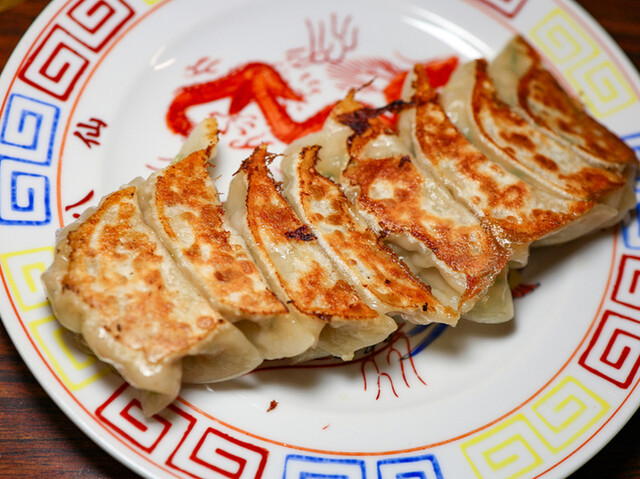
Restaurants in Sendai
All restaurants in Sendai →
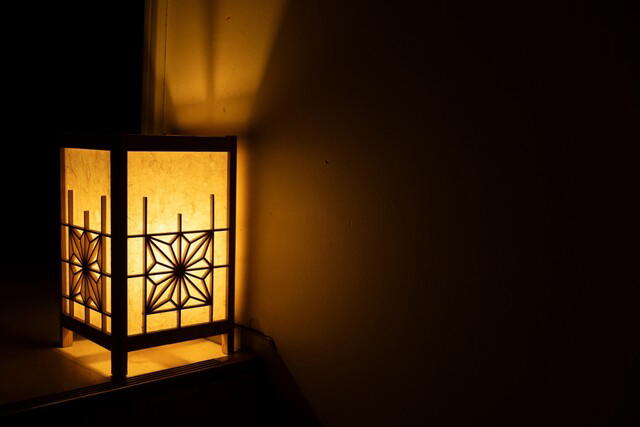
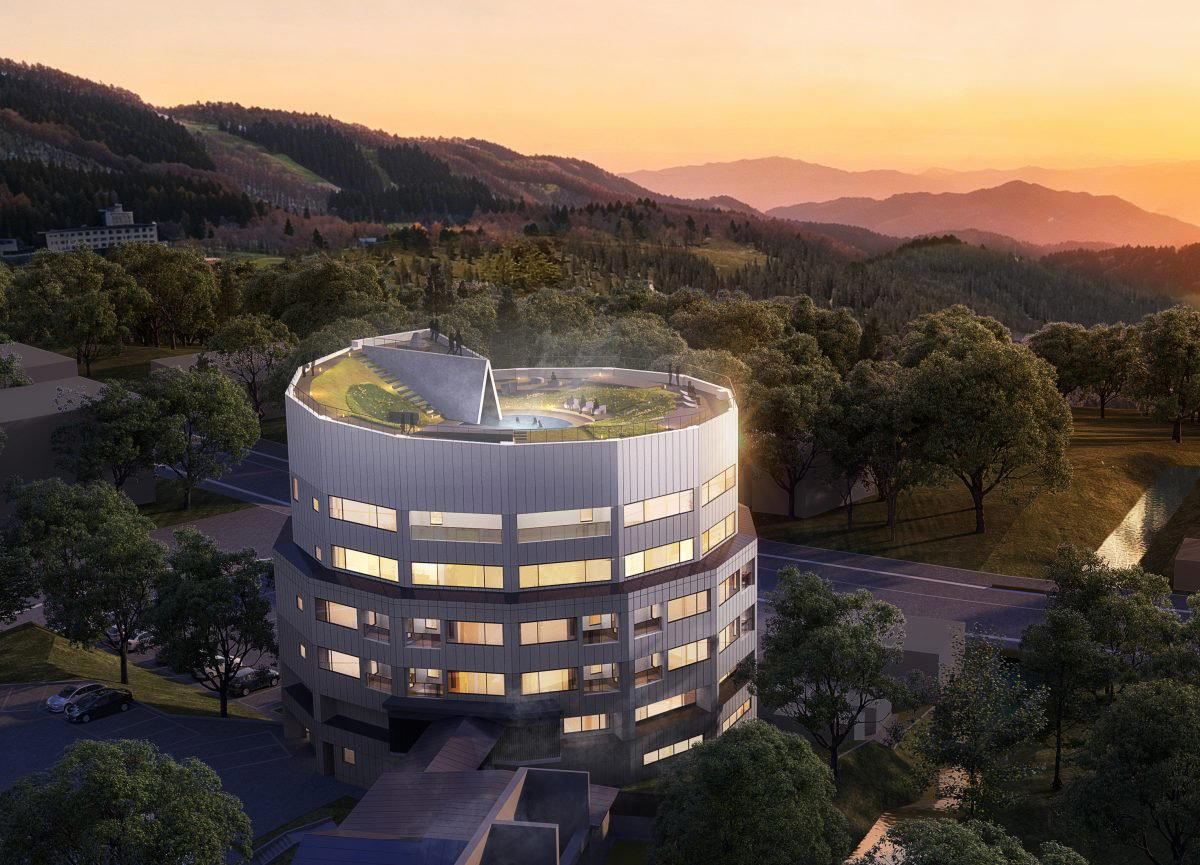
Hotels in Sendai
Browse all →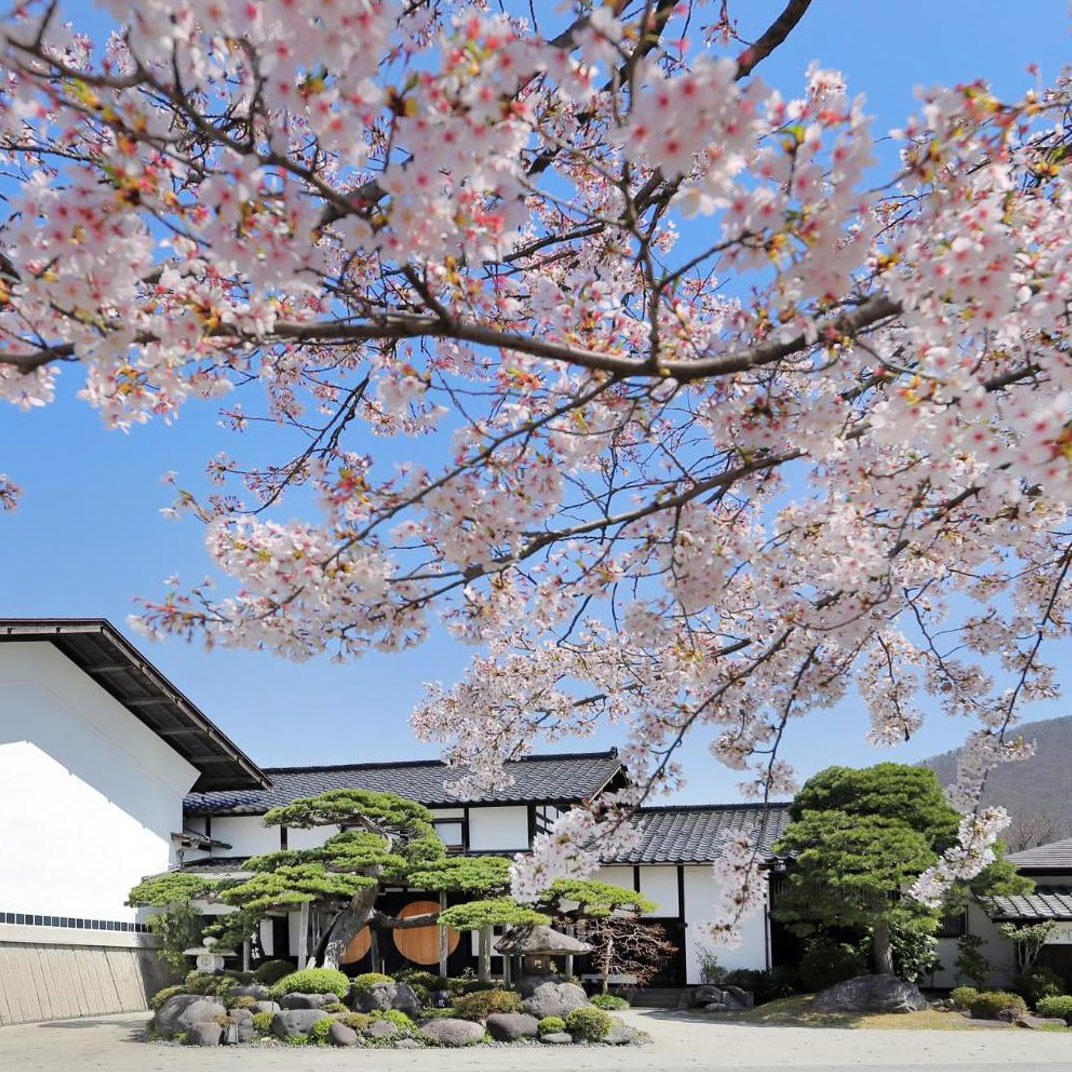
Wineries in Sendai
All wineries in Sendai →
Details
- Cozy
- Intimate
- Classic
- After Work
- Casual Hangout
- Date Night
- Group Dining
- Solo
- Late Night
- Standalone
- Sake Program
- Beer Program
- A La Carte
- Small Plates
- Counter Dining
- Sake
- Beer
Current opening hours
- Monday
- Closed
- Tuesday
- 5:30 PM–12 AM
- Wednesday
- 5:30 PM–12 AM
- Thursday
- 5:30 PM–12 AM
- Friday
- 5:30 PM–12 AM
- Saturday
- 5:30 PM–12 AM
- Sunday
- 5:30 PM–12 AM
Hours can change for holidays and private events. Hours as of .
Warm, low-key neighborhood izakaya atmosphere with counter and a few small tables, creating an intimate, relaxed space suited to quiet conversation over drinks and small plates.