
Tabelog 100 #2
Our verdict
Shinya Teki Chuka Shokudo brings Chinese cooking into Hiroshima’s late-evening dining rhythm, with Tabelog 100 Chinese WEST 2026 recognition giving it a clear credential beyond neighbourhood word of mouth. The appeal is less ceremony than pacing: a compact city-centre meal built around shared plates, smoke-free dining, and the kind of post-work timing that suits Kanayamacho after dark.

Pearl is the En Primeur Club membership app, where members save venues, book tables and use the concierge.
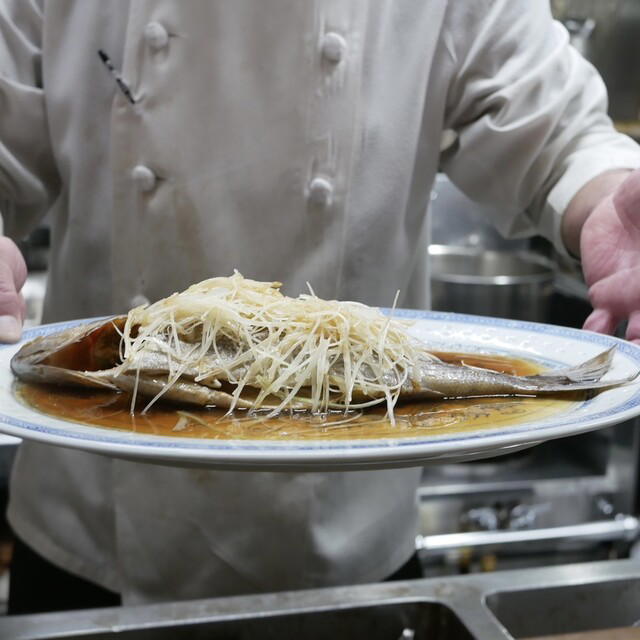
The menu
What to order
- Mapo tofu with oysters and mullet roe
- Braised shark fin
- Late‑night chef’s omakase course
Hiroshima after dark has a different register from the city’s daylight food map. The city is often introduced through oysters, okonomiyaki, and riverfront memorial geography, but its evening dining culture is broader: small buildings, modest signs, shared meals, and dinners that work as a second act after drinks or work rather than as a formal destination plan. In that context, Shinya Teki Chuka Shokudo belongs to a useful local category: Chinese cooking treated as an everyday city meal, not as hotel dining or banquet theatre.
The recognition matters because this is not a category that always travels well in English-language guides. Tabelog selected the restaurant for its Chinese cuisine WEST 2026 list, a signal that places it inside a regional conversation rather than only a Hiroshima one. The score listed on Tabelog is 3.75, which in Japan’s review culture is a meaningful number for a focused, city restaurant. For travellers, the more important point is what the award implies: this is Chinese food being judged by diners who know the difference between convenience, comfort, and serious cooking.
Chinese cooking in Hiroshima after the formal dinner hour
Chinese restaurants in Japan occupy several lanes at once. There is the polished dining-room version, the station-area lunch version, and the casual shokudo version built for appetite, repetition, and groups that order across the table. Shinya Teki Chuka Shokudo sits close to that unfussy dining tradition, but its Tabelog Hyakumeiten selection pushes it above the ordinary supper stop. The name itself gives the restaurant a nocturnal mood, and that framing changes the way many diners read the meal.
The rhythm is not the hushed progression of an omakase counter. It is a table-driven format where the meal gains shape through sequence and sharing. Chinese dining in Japan often works through contrast: hot dishes against rice, oil against vinegar, spice against clean finishes, and a pace that lets a table order in waves rather than commit to a single tasting structure. That makes the experience more social than performative. The room is not asking for reverence; it is asking diners to keep up.
Hiroshima’s dining identity gives this format extra relevance. The city has a strong casual-eating spine, from grill counters to okonomiyaki floors, but serious local dining is not limited to Japanese genres. Compared with the yakitori tier represented by Tori Yamamoto, or the skewers-and-counter economy around Kushi Dokoro Dochu, this restaurant occupies a different branch of the night: less about a chef controlling a narrow sequence, more about a table building momentum through Chinese dishes. Seichan and Yakitori Takase point to how wide Hiroshima’s evening price spectrum can be; the Chinese category adds another way to read the city after sunset.
The dining ritual is shared, atmospheric, and deliberately unfussy
The useful way to approach the meal is to think in rounds. Start lighter, add heat or richness, then let rice or noodles anchor the table if the evening stretches. That is general Chinese-restaurant logic in Japan rather than a venue-specific script, but it matters here because the format rewards groups who order with range. Solo dining can work in many Japanese Chinese restaurants, yet the style gives more back when two or more people divide the table.
Etiquette is simple: order with attention to pacing, do not treat the room like a tasting-menu theatre, and expect the pleasure to come from accumulation rather than a single showpiece. The experience is best read as public, shared, and closer to the city’s everyday dining culture than to a closed-door celebration format. For travellers, the appeal is less about ceremonial formality than about how the meal gathers energy across the table.
There is also a practical dining intelligence in knowing when a restaurant’s recognition and format align. Awards can sometimes make small places feel more formal than they are. Here, the Tabelog Chinese WEST 2026 selection should be read as a quality marker within an accessible Chinese-dining ritual, not as a promise of luxury codes. The restaurant’s appeal is the overlap: enough recognition to justify seeking it out, enough informality to keep the meal from becoming stiff.
Where it fits in a Hiroshima itinerary
For visitors building a serious Hiroshima food route, this is a counterweight to the city’s more obvious signatures. A day might move through casual local dining, contemporary Hiroshima restaurants, and other daytime food stops, then into a Chinese dinner rather than another round of the same regional staples. Drink-led evenings can be planned around unnamed local bars or other Hiroshima dining rooms, while sweet stops and coffee breaks show the softer side of the city’s food habits.
The broader point is that Hiroshima rewards travellers who do not reduce it to one dish. Chinese cooking has long been part of Japan’s urban dining fabric, adapted through local habits of portioning, seasoning, and after-work use. Shinya Teki Chuka Shokudo gives that pattern a Hiroshima setting and a regional award signal. It is the kind of meal that makes sense after the day’s planned sightseeing has ended, when the city’s restaurant map becomes less about landmarks and more about appetite.
Use the wider EP Club city guides to build around that rhythm: Our full Hiroshima restaurants guide for dining, Our full Hiroshima hotels guide for where to stay, Our full Hiroshima bars guide for late drinking, Our full Hiroshima wineries guide for regional wine context, and Our full Hiroshima experiences guide for cultural planning beyond the table. Travellers extending a Japan food route can compare how regional specialisation changes across other cities and categories, without losing sight of what makes Hiroshima’s own dining so useful: variety, informality, and meals that do not always announce themselves as destination experiences.
Frequently asked questions
Is Shinya Teki Chuka Shokudo okay with children?
Those details are not published. The restaurant is best approached as a Chinese dining room in Hiroshima rather than a specifically family-oriented room. Check the venue's official channels for the latest details.
What should I expect atmosphere-wise at Shinya Teki Chuka Shokudo?
Expect a Chinese room in Hiroshima. The format is practical rather than formal, with a listed dinner budget of JPY 5,000 - JPY 5,999.
What should I budget for a meal at Shinya Teki Chuka Shokudo?
Pricing at Shinya Teki Chuka Shokudo is listed as JPY 5,000 - JPY 5,999.
What is Shinya Teki Chuka Shokudo known for?
Shinya Teki Chuka Shokudo is known for Chinese cooking in Hiroshima and for its Tabelog Chinese cuisine WEST 2026 recognition.
Cuisine and Credentials
Nearby venues at a similar price tier for orientation.
| Venue | Cuisine | Price | Awards | Notes |
|---|---|---|---|---|
| Shinya Teki Chuka ShokudoThis venue (the venue you are viewing) | Late‑night Chinese (Sichuan‑influenced) | $50–100 | Tabelog 100 #2 | Not listed |
| Seichan | Chinese Dumpling House | $10–20 | Tabelog 100 #77 | Naka |
| Kushi Dokoro Dochu | Yakitori & Kushiyaki Counter | $30–50 | Tabelog 100 #54 | Naka |
| DIRETTO | Wood-Fired Italian | $100–150 | Tabelog 100 #77 | Naka |
| Chinese Sai Kichijitsu | Seasonal Chinese Chef’s Counter | $50–100 | Tabelog 100 #66 | Higashi |
| ラ セッテ | Italian | $50–100 | Not listed | Nishi |
Recognition history
Dated appearances from independent guides and award organizations, with the underlying list record or original source where available.
Tabelog 100 #2 · No. 2
Tabelog · Tabelog 100 - Chinese cuisine - WEST - 2026
Continue exploring
More in Hiroshima
Restaurants in Hiroshima
All restaurants in Hiroshima →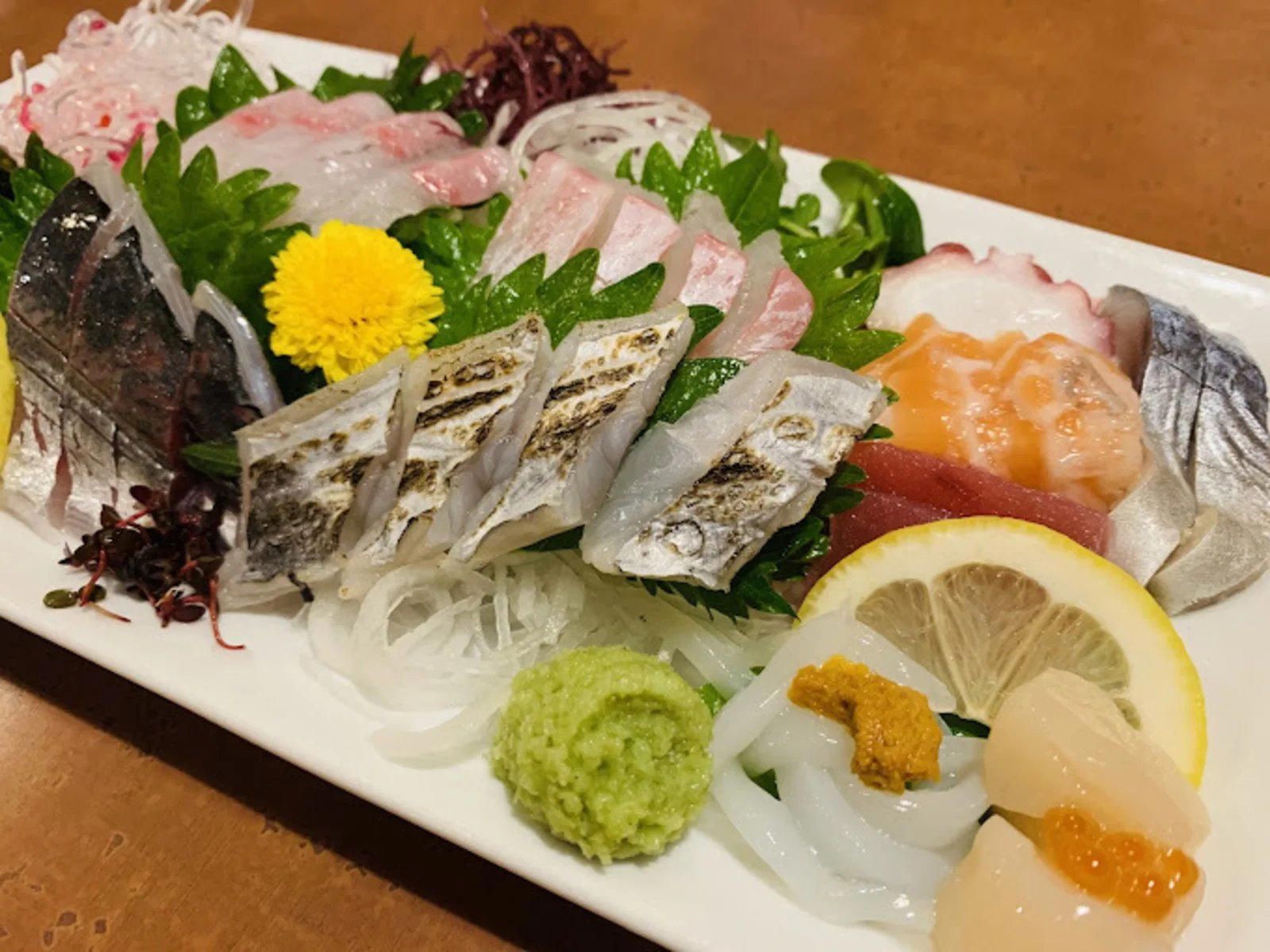
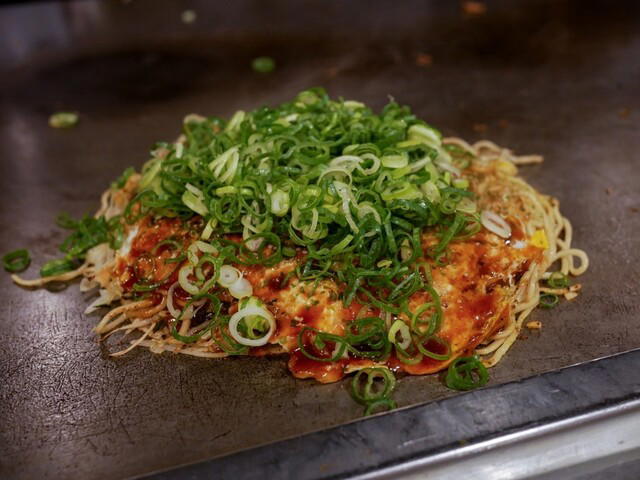
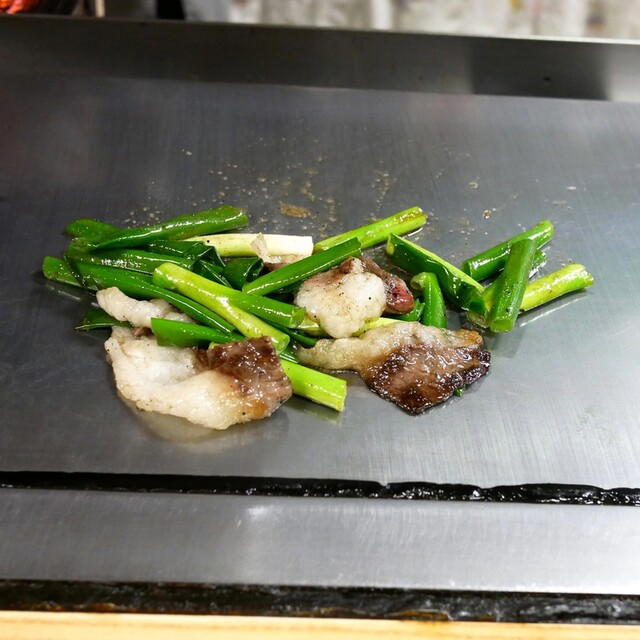
Bars in Hiroshima
All bars in Hiroshima →
Details
- Lively
- Cozy
- Intimate
- Late Night
- After Work
- Casual Hangout
- Group Dining
- Solo
- Standalone
- A La Carte
- Tasting Menu
- Small Plates
A compact, no‑frills late‑night Chinese spot in an older downtown building, with a bustling, cozy atmosphere fueled by guests lingering over spicy dishes and drinks into the early hours rather than a design‑driven interior.