Shelter Belt
Shelter Belt occupies a quiet address on North 3rd Street in downtown Bismarck, placing it inside a dining scene that has grown more ambitious than the state's reputation typically suggests. The restaurant draws from the agricultural character of the Northern Plains, where the provenance of ingredients is a practical reality rather than a marketing posture. For travelers moving through North Dakota's capital, it represents a considered stop in a city finding its culinary footing.
- Address
- 307 N 3rd St, Bismarck, ND 58501
- Phone
- +1 701 751 1765
- Directions
- Get directions
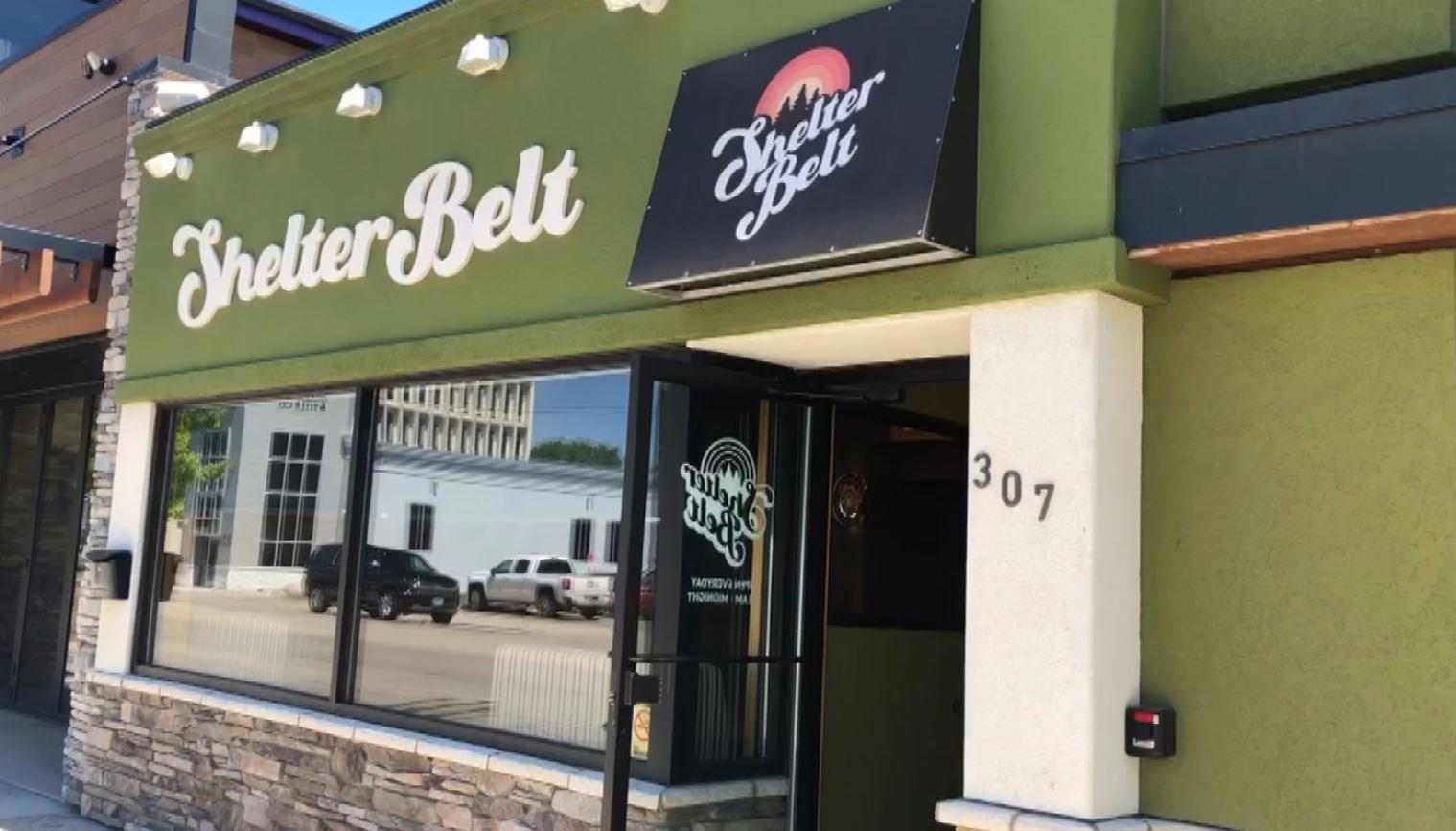
Downtown Bismarck and the Question of Prairie Dining
North 3rd Street in downtown Bismarck is the kind of address that does not announce itself. The block is modest, the signage understated, and the surrounding streetscape carries the functional plainness of a mid-sized Plains capital that has never prioritized spectacle. Shelter Belt fits that register. In a region where the agricultural economy shapes everyday life in ways that coastal cities have largely forgotten, a restaurant that takes the surrounding land seriously as a culinary source is less a concept than a logical extension of place.
The Northern Plains dining scene sits at an inflection point that mirrors shifts visible elsewhere in the American interior. Cities like Bismarck have watched a generation of cooks return from training in larger markets and apply that exposure to local ingredients with genuine conviction. The result is a tier of restaurants that do not position themselves against Le Bernardin in New York City or The French Laundry in Napa, but that do ask harder questions about sourcing and technique than their predecessors. Shelter Belt belongs to that cohort.
The Cultural Weight of the Shelterbelt
The name itself carries weight that visitors from outside the region might miss. A shelterbelt is a row of trees or shrubs planted deliberately to protect farmland from wind erosion, a practice deeply embedded in Plains agricultural history following the Dust Bowl interventions of the 1930s. The federal government's Prairie States Forestry Project planted hundreds of millions of trees across the Great Plains between 1935 and 1942, reshaping the visual and agricultural character of states like North Dakota for generations. To name a restaurant after that concept is to invoke a specific relationship between human intervention, ecological fragility, and the long-term stewardship of land.
That framing matters because it sets an expectation about what the food should be doing. Restaurants in this tradition, and there is a recognizable tradition, position the menu as something grown from and accountable to a specific geography. Blue Hill at Stone Barns in Tarrytown and Single Thread Farm in Healdsburg represent the fully articulated version of that project at the high end of the American market. Shelter Belt operates at a different scale and in a different economic context, but the underlying premise, that a restaurant's identity should be rooted in the productive capacity of its surrounding region, is the same.
Bismarck's Position in the Broader Interior Dining Shift
For most of the past two decades, serious dining conversation in the American interior has concentrated on Chicago, Denver, and the Twin Cities. That geography is widening. Smyth in Chicago and The Wolf's Tailor in Denver have demonstrated that rigorous tasting-menu cooking can sustain itself outside coastal markets, and smaller cities have taken notice. Frasca Food and Wine in Boulder proved years ago that a landlocked mid-sized city could support a restaurant with genuine regional and national standing.
Bismarck is not Boulder, and Shelter Belt is not attempting to occupy that tier, at least not yet. But the conditions that produced Frasca, a locally loyal clientele willing to spend seriously on food they believe in, combined with a culinary identity rooted in what the surrounding land produces, are present in embryonic form across the Northern Plains. Bismarck's food scene, covered in our full Bismarck restaurants guide, has added enough considered restaurants in recent years to suggest that the city is building critical mass rather than accumulating isolated exceptions. Shelter Belt is one of the more visible data points in that argument, alongside Anima Cucina and Butterhorn, two other addresses that have contributed to the city's growing culinary seriousness.
What Thoughtful Plains Cooking Actually Looks Like
The broader American farm-to-table movement has been diluted by overuse to the point where the phrase no longer carries much information. In the Northern Plains, however, the relationship between restaurant and agricultural supplier has a different texture. The growing season is compressed, the range of what can be produced locally is more constrained, and the farmers and ranchers who supply restaurants in a city like Bismarck are often known personally to the people cooking their products. That specificity tends to produce menus with a narrower but more honest seasonal range than the aspirational farm-to-table lists common in larger markets.
Comparable ambitions in other regional formats, Lazy Bear in San Francisco, Addison in San Diego, or Providence in Los Angeles, express themselves through highly developed tasting formats with significant price points and elaborate technical apparatus. In Bismarck, the same conviction about sourcing and seasonality takes a more direct form. The editorial interest lies precisely in that contrast: what does a rigorous commitment to local ingredients look like when it is not dressed in the production language of destination dining?
Planning a Visit
Shelter Belt's address at 307 N 3rd St places it in the core of downtown Bismarck, walkable from the main hotel corridor along the Missouri River bluffs. For travelers connecting through Bismarck on a longer journey through the Northern Plains, the restaurant represents the kind of stop that rewards a longer look at what the city's food scene is building. Given the restaurant's position in a dining scene that skews toward local and repeat clientele, reservations made in advance are a reasonable precaution, particularly on weekends.
For context on where Shelter Belt sits in relation to the broader American restaurant conversation, the range runs from destination-format operations like The Inn at Little Washington, Atomix in New York City, and Emeril's in New Orleans, all of which carry significant institutional weight, to regionally specific operations like ITAMAE in Miami and Atelier Moessmer Norbert Niederkofler in Brunico, which have built credibility around place-specific cooking at a high level of technical ambition. Shelter Belt occupies a different position on that spectrum, defined less by accolades than by its fidelity to a specific geography at a moment when that geography is beginning to attract serious culinary attention.
Price and Positioning
| Venue | Cuisine | Price | Awards |
|---|---|---|---|
| Shelter BeltThis venue — the venue you are viewing | Not listed | This venue | Not listed |
| Le Bernardin | French, Seafood | $$$$ | Michelin 3 Star |
| Lazy Bear | Progressive American, Contemporary | $$$$ | Michelin 2 Star |
| Atomix | Modern Korean, Korean | $$$$ | Michelin 2 Star |
| Per Se | French, Contemporary | $$$$ | Michelin 3 Star |
| Masa | Sushi, Japanese | $$$$ | Michelin 3 Star |
Continue exploring
More in Bismarck
Restaurants in Bismarck
Browse all →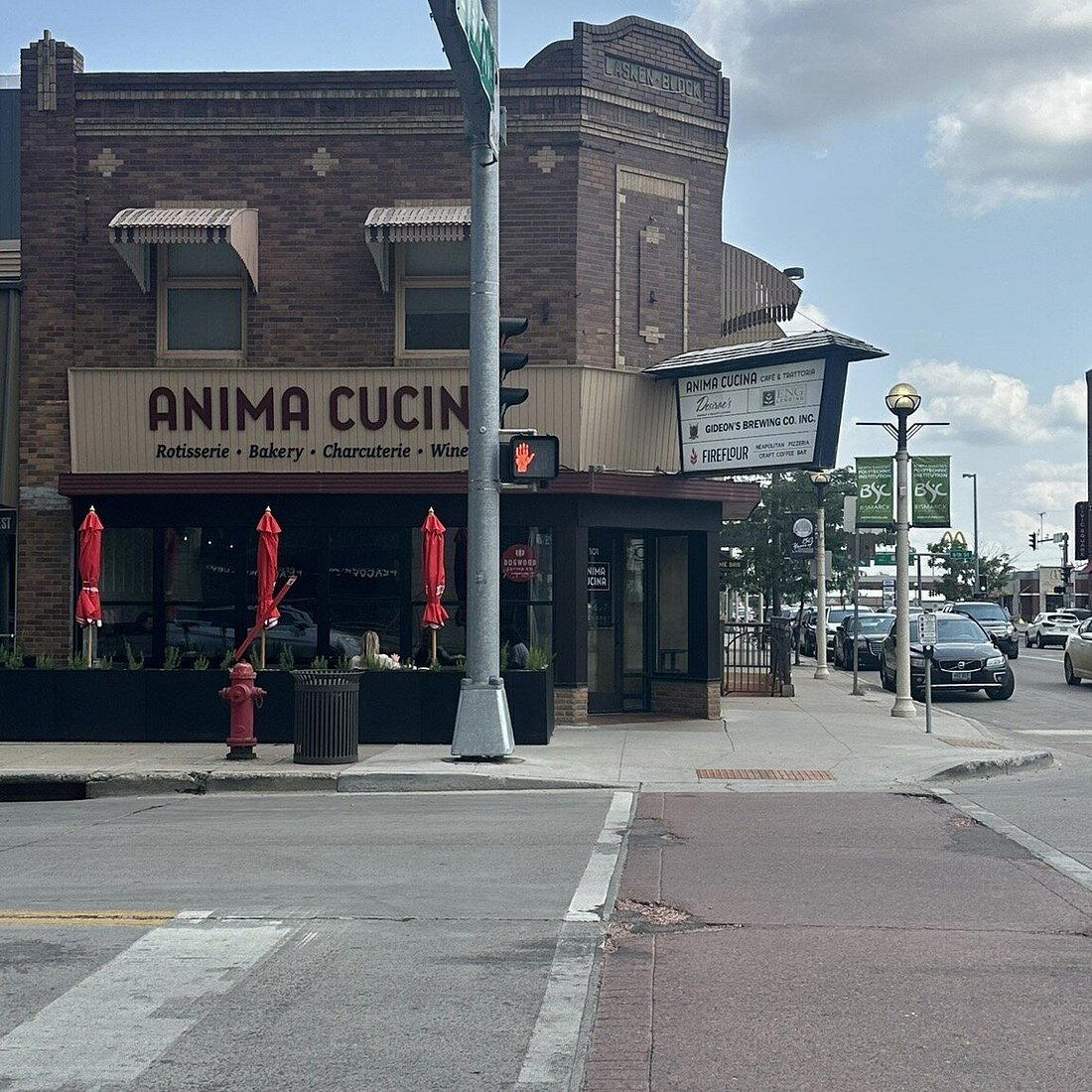
At a Glance
- Cozy
- Date Night
- Casual Hangout
- Open Kitchen
Cozy atmosphere with phenomenal food presentation.
Know Before You Go
- Getting there
- 307 N 3rd St, Bismarck, ND 58501