Samurai Restaurant
A Japanese restaurant positioned on Lake Tahoe Boulevard, Samurai Restaurant occupies a dining niche that mountain resort towns rarely fill with consistency. South Lake Tahoe's dining scene skews toward après-ski comfort food and lakefront American fare, making a dedicated Japanese kitchen a distinct counterpoint. For visitors moving between the slopes and the water, it represents one of the more considered alternatives to the town's dominant pizza-and-burger circuit.
Pearl is the En Primeur Club membership app — saves, bookings, and concierge access live there. Same editors, same standards.
- Address
- 2588 Lake Tahoe Blvd, South Lake Tahoe, CA 96150
- Phone
- +15305420300
- Website
- sushitahoe.com
- Directions
- Get directions
 Saves & bookings on Pearl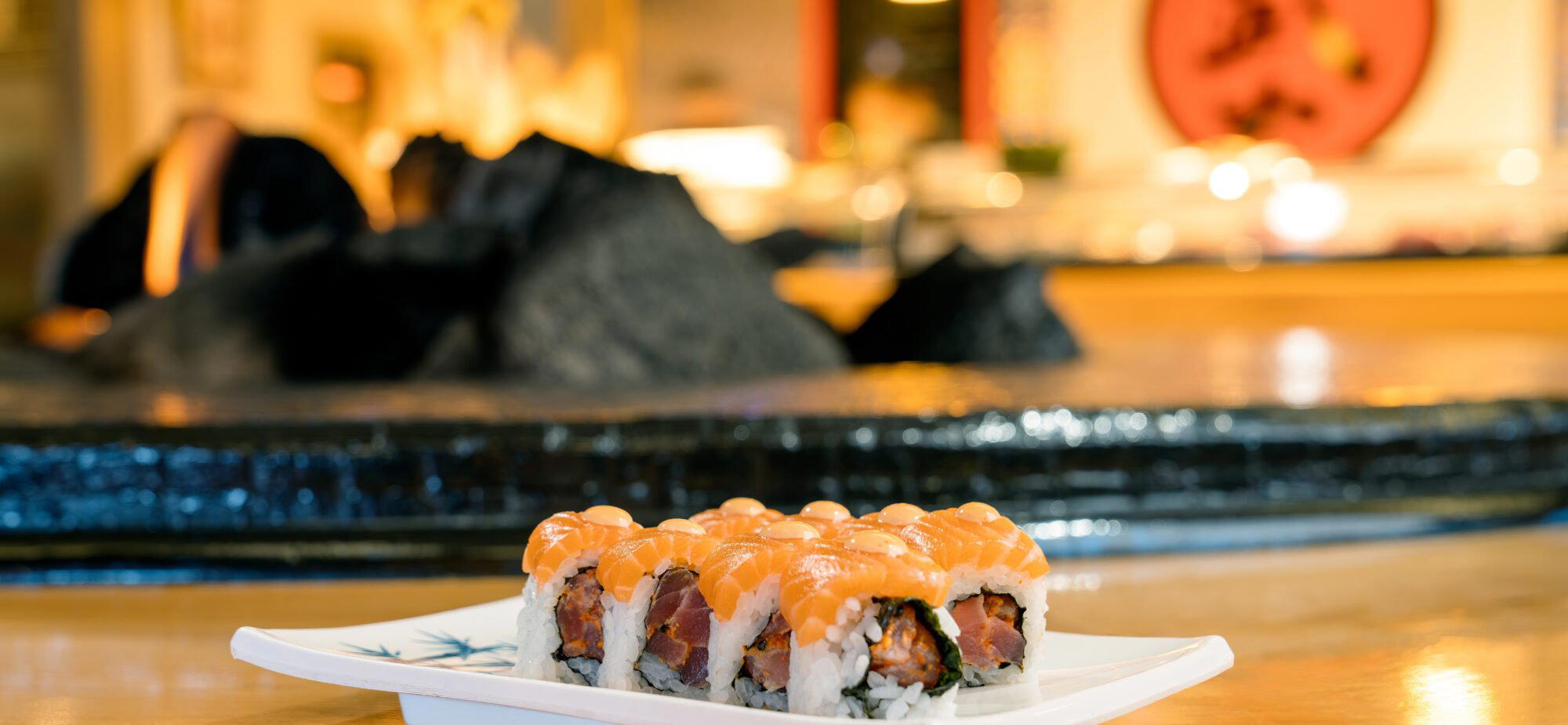
Japanese Dining in a Mountain Resort Town
South Lake Tahoe's restaurant culture is shaped almost entirely by its geography and its visitor patterns. The town sits at 6,200 feet elevation on the California-Nevada border, drawing skiers in winter and hikers and water-sports visitors in summer. The dining scene that has grown around those cycles leans heavily on pizza, burgers, casual American tavern food, and the occasional Pacific-influenced seafood house. Venues like Base Camp Pizza Co. and Gunbarrel Tavern & Eatery anchor the comfort-food end of the market, while Kalani's represents the more ambitious Pacific Rim direction. Within that context, a Japanese restaurant operating on the main commercial corridor carries a specific function: it fills a cuisine gap that mountain resort towns of this size typically leave open or address only partially.
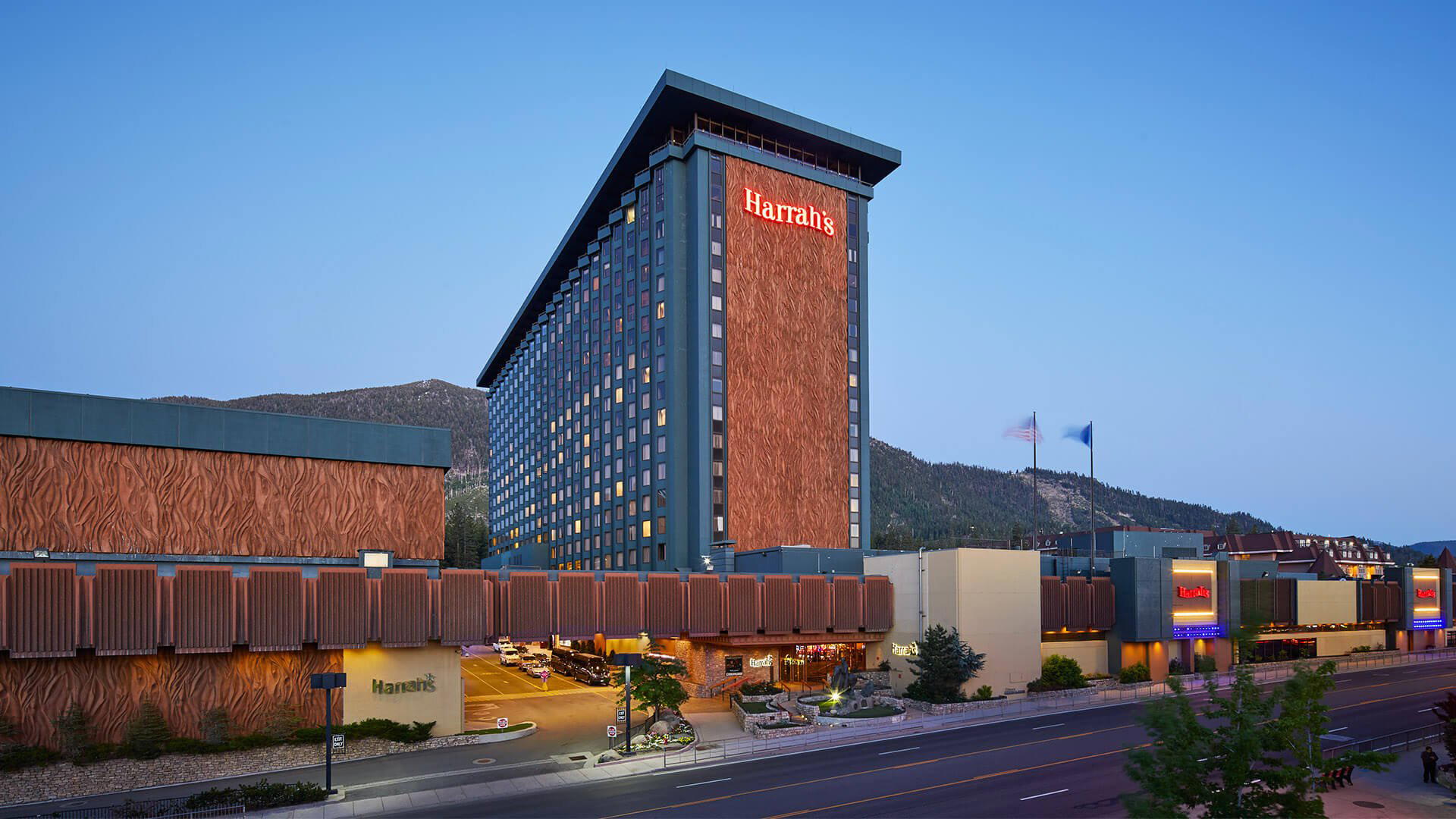
Samurai Restaurant sits at 2588 Lake Tahoe Boulevard, which places it squarely on the artery connecting the commercial heart of South Lake Tahoe to its casino corridor at the Nevada state line. The boulevard is less atmospheric than the lakefront zones a few blocks north, but it is where the town conducts most of its practical dining business. For visitors staying at properties along that corridor or arriving from the ski resort side of town, the location reads as convenient rather than scenic, which is itself a positioning choice: this is not a destination-dining address, but a neighborhood anchor for a cuisine that otherwise has little representation in the immediate area.
The Role of Japanese Cuisine in Resort-Town Dining
Resort towns present a particular challenge for any cuisine that depends on sourcing specificity or technique-driven preparation. The economics of seasonal visitor flow, combined with the dominance of high-turnover comfort formats, tend to compress the middle tier of dining. In South Lake Tahoe, that compression is visible in how the better-regarded spots differentiate themselves: Gastromaniac leans into its independent character, while Red Hut Waffle Shop holds its ground through decades of local habit. Japanese restaurants in similar resort contexts elsewhere in the American West have tended to succeed when they occupy a clear format lane, whether that means a sushi bar anchored by accessible rolls and lunch specials, a ramen-forward kitchen, or a broader izakaya-style menu that accommodates groups arriving from outdoor activities.
The distinction matters because it determines how a Japanese restaurant competes in a market where the comparison set is mostly non-Japanese. In this context, the relevant peer comparison is less about other Japanese kitchens and more about what South Lake Tahoe's dining circuit offers for sit-down meals that move beyond the pizza-and-tavern format. That is a different competitive calculus than what applies to Japanese restaurants in urban markets, and it shifts the evaluation criteria for visitors accordingly.
Placing Samurai in South Lake Tahoe's Dining Circuit
For a traveler accustomed to evaluating Japanese restaurants against the density of urban options, whether the tightly curated omakase counters of San Francisco or the technically driven Korean-Japanese hybrid approach of venues like Atomix in New York City, the context adjustment required for South Lake Tahoe is significant. The relevant frame here is not what The French Laundry in Napa or Lazy Bear in San Francisco represent for California fine dining, nor the farm-system ambition of Single Thread Farm in Healdsburg. Those are urban and semi-urban propositions with supply chains, staffing pools, and guest expectations calibrated accordingly.
What applies in South Lake Tahoe is the simpler question of whether a dining format that is underrepresented in a resort town executes with enough consistency to justify the trip from a lodge or a lakefront rental. For Japanese food specifically, that tends to come down to rice quality, fish sourcing, and whether the kitchen's sauces and condiments are made in-house or assembled from commercial stock. These are not glamorous criteria, but in a market where the alternative is another variation on the burger-and-craft-beer format, they are the ones that matter. Visitors who want a more demanding reference point can look to the broader American fine-dining circuit, from Le Bernardin in New York City to Providence in Los Angeles, but those comparisons belong to a different category of trip entirely.
Planning a Visit
The Lake Tahoe Boulevard address at 2588 is accessible by car and sits within the main commercial zone of South Lake Tahoe, where parking is generally available along the boulevard and in adjacent lots.
For travelers building a longer California itinerary that includes time at the lake, the contrast with the state's urban dining circuits is part of what gives South Lake Tahoe its character. The town is not positioning itself against Addison in San Diego or Alinea in Chicago. It is a mountain resort with a dining scene that reflects its visitor base, its elevation, and its seasonal rhythms. Within that frame, a Japanese restaurant on the main boulevard fills a genuine gap, and that gap is often more meaningful to a visitor mid-trip than any number of destination-dining accolades would be.
At a Glance
Comparable venues nearby, for context on price, style, and recognition.
| Venue | Price | Notes |
|---|---|---|
| Samurai RestaurantThis venue — the venue you are viewing | $$ | Not listed |
| Scusa Italian Ristorante | $$ | mid-town, Tuscan Italian with Fresh Seafood |
| Kalani's | $$$ | Heavenly Village, Hawaiian Regional Cuisine with Pacific Rim Influences |
| Base Camp Pizza Co. | $$ | Heavenly Village, Gourmet Pizza with Creative Toppings |
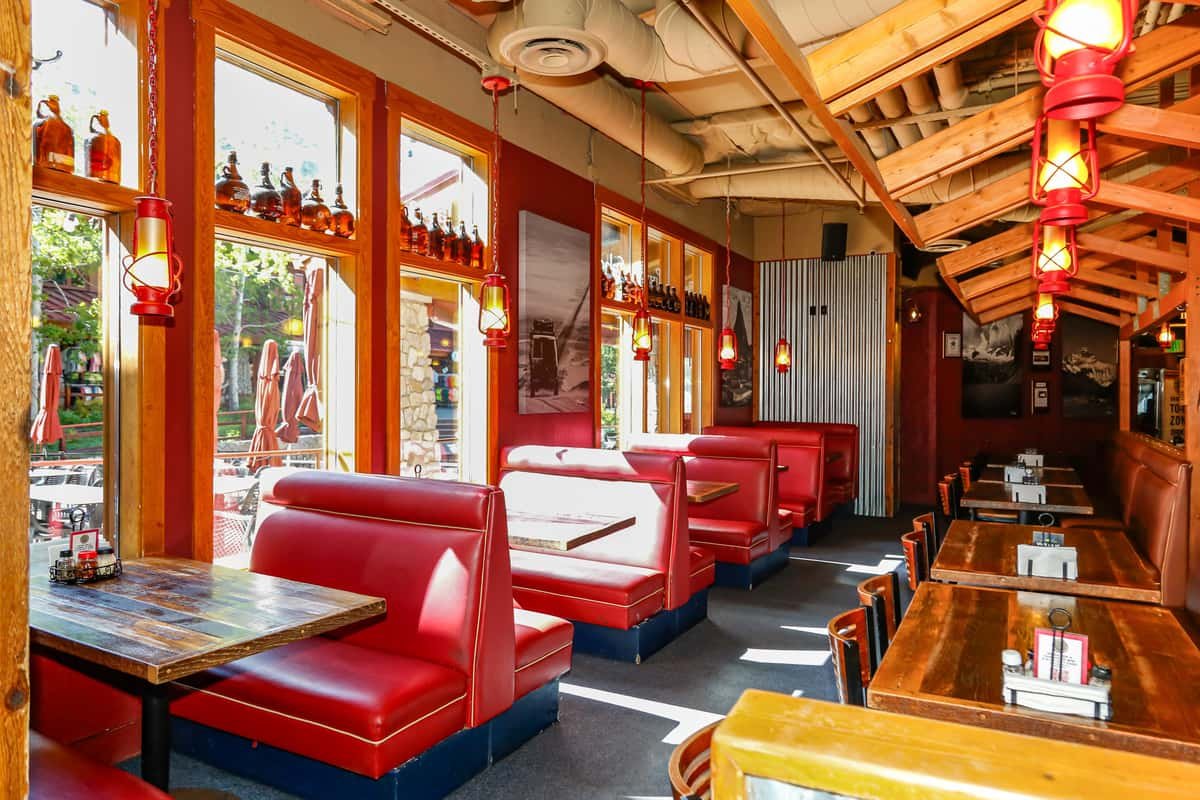
| Boathouse on the Pier | $$ | South Lake Tahoe, American Waterfront Grill |
| Gastromaniac | $$ | South Lake Tahoe, Authentic Italian Homemade Pasta & Pizza |
Continue exploring
More in South Lake Tahoe
Restaurants in South Lake Tahoe
Browse all →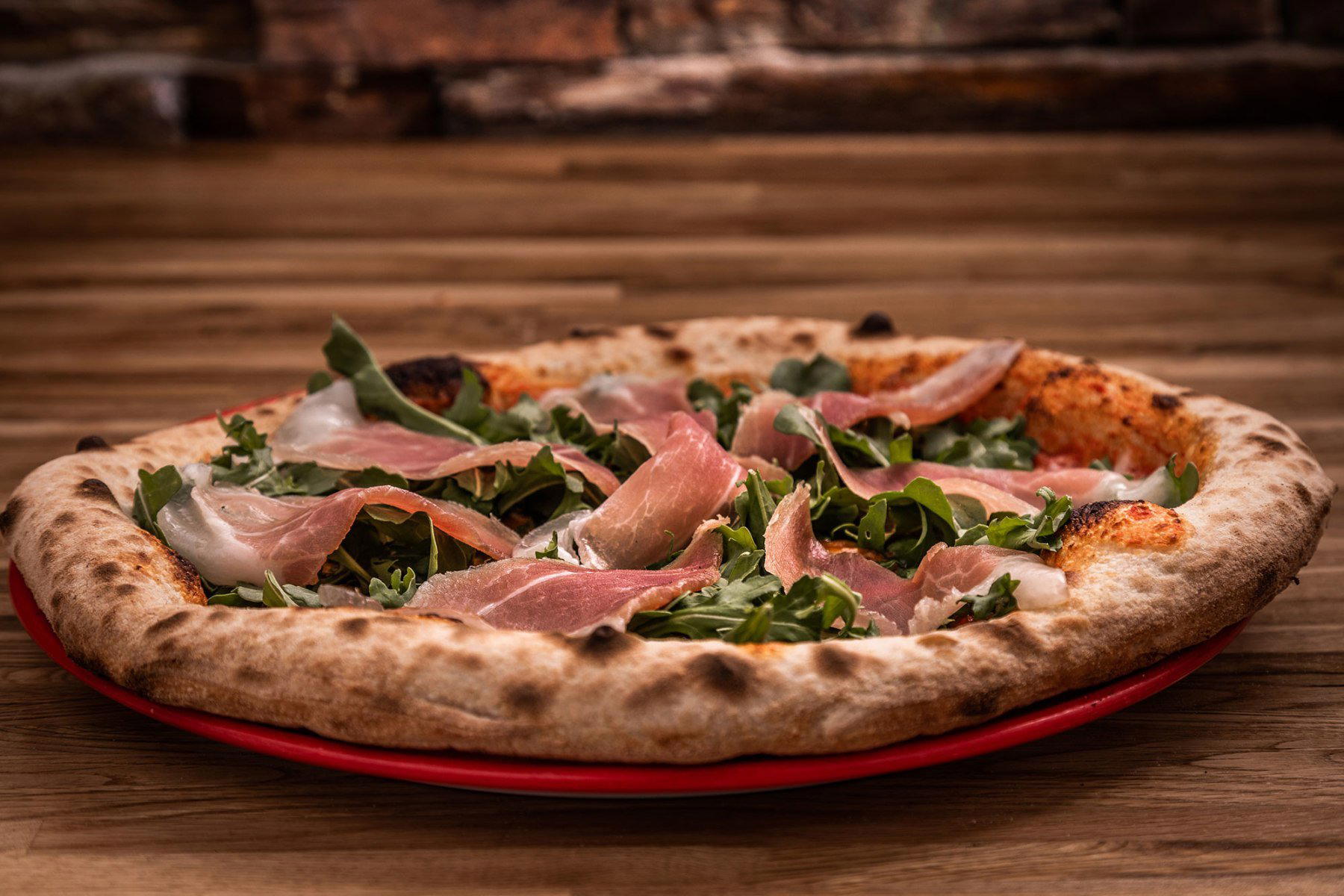
Bars in South Lake Tahoe
Browse all →
At a Glance
- Cozy
- Warm
- Family
- Group Dining
- Date Night
- Open Kitchen
- Sake Program
Current opening hours
- Monday
- Closed
- Tuesday
- 5–9 PM
- Wednesday
- 5–9 PM
- Thursday
- 5–9 PM
- Friday
- 5–9 PM
- Saturday
- 12–9 PM
- Sunday
- 12–9 PM
Hours can change for holidays and private events. Last verified .
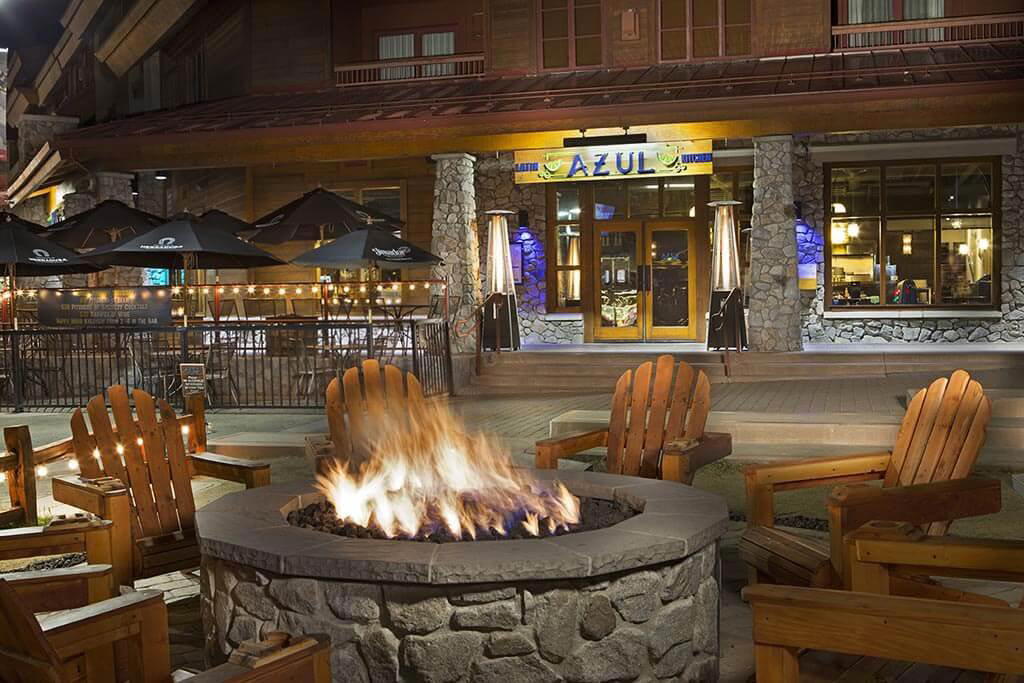
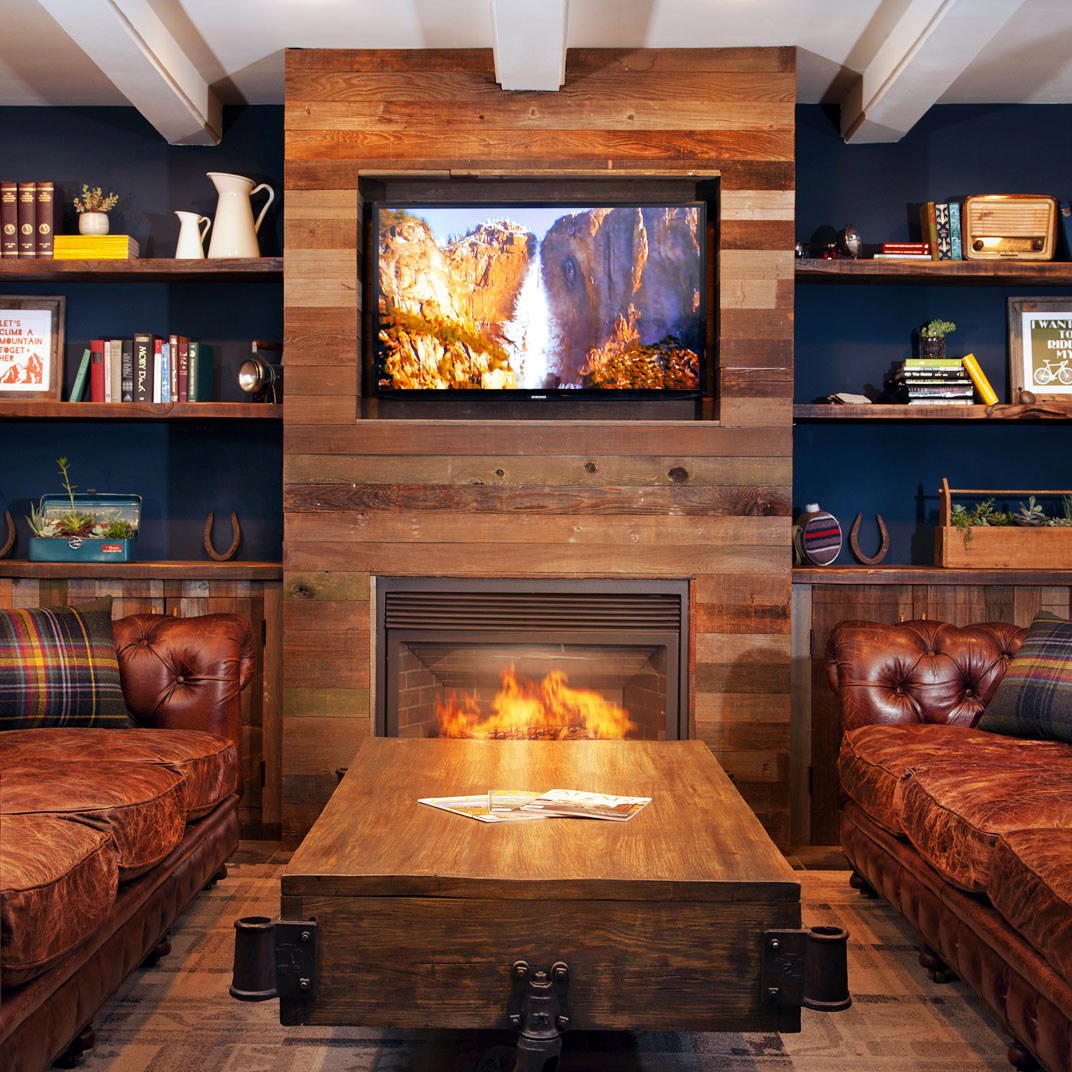
Warm and inviting atmosphere highlighted by a fireplace and fire table seating, creating a comfortable dining environment.