¡Salud!
Our verdict
¡Salud! operates within Los Angeles's increasingly serious fine-dining tier, where the city's multicultural pantry and appetite for tasting-menu formats have produced some of the most competitive dining rooms in North America. Set against a peer group that includes destination counters and chef-driven progressions across the city, ¡Salud! draws attention for its commitment to a structured, course-by-course format that rewards patience and repeat visits.

Pearl is the En Primeur Club membership app, where members save venues, book tables and use the concierge.
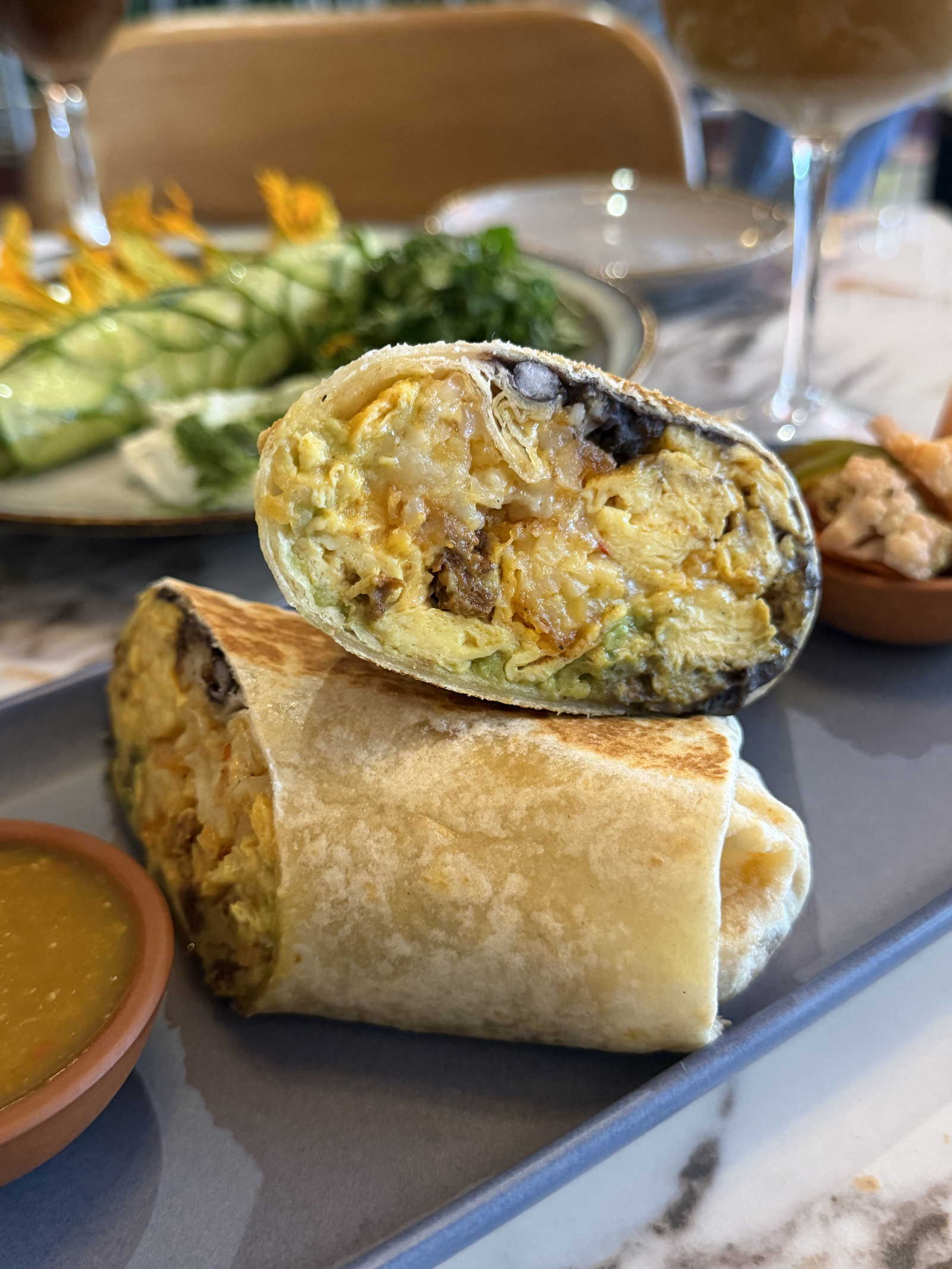
The menu
What to order
- Pan Con Todo
- Churro Waffle
- ¡Salud! Breakfast Burrito
- Yucatan Tuna Tostones
- Koji Aged Hanger Steak
Where Los Angeles's Tasting-Menu Tradition Meets Its Latin Roots
Los Angeles has spent the better part of two decades constructing a serious argument for itself as a tasting-menu city. The evidence is now substantial: a cluster of destination restaurants operating at price points and ambition levels that compare credibly with Le Bernardin in New York City, Alinea in Chicago, and The French Laundry in Napa. Within that context, ¡Salud! occupies a position shaped by the city's Spanish-language culinary inheritance, the taquerias, the market stalls, the decades of cross-border ingredient movement, and reframes it inside a structured, multi-course architecture that asks diners to slow down and follow a narrative rather than graze.
That positioning is not accidental. Los Angeles has long housed two parallel dining cultures: the fast, democratic, and often brilliant street-food register, and the slower, reservation-required, tasting-format register. ¡Salud! operates in the second register while drawing its vocabulary from the first. It is a model that peers like Kato (New Taiwanese, Asian) have applied to East Asian culinary traditions, and that Hayato (Japanese) applies to kaiseki. The shared logic is that a cuisine with deep popular roots can sustain a fine-dining superstructure without losing its referential integrity.
The Arc of the Meal
Tasting menus succeed or fail on their sequencing. The early courses in any serious progression carry the burden of establishing a flavor language, salinity levels, acid registers, the weight of fat, that later courses can either extend or deliberately subvert. At ¡Salud! the progression draws on a pantry shaped by Mexican and broader Latin American tradition: chiles in multiple dried and fresh states, citrus used with discipline, corn in preparations that move well beyond the obvious, and proteins treated with the kind of attention to sourcing and aging that distinguishes a kitchen serious about its raw materials from one that has simply adopted the tasting-menu format as a price strategy.
The mid-sequence is where the editorial argument of any tasting menu becomes clearest. Courses that arrive in the middle third of a meal operate without the novelty advantage of an opener or the emotional weight of a closing course. They have to justify themselves on flavor and logic alone. In dining rooms that handle this well, Somni (Molecular) and Providence (Contemporary Seafood) among them in the Los Angeles context, the middle courses often carry the most technically ambitious preparations: the ones that require the most precise timing, the most controlled temperatures, the most considered plating geometry.
The closing sequence in a Latin-inflected tasting menu carries particular responsibility for how the meal is remembered. Dessert traditions across Mexican and Central American cuisine run toward contrasts, sweet against salt, warm against cold, the earthiness of chocolate against the brightness of fresh fruit. When a kitchen handles this transition well, the final courses feel less like an obligatory sweetness appendix and more like a resolution of the flavor argument the meal has been making for the previous two hours.
Los Angeles's Competitive Fine-Dining Tier
To understand where ¡Salud! sits, it helps to map the broader terrain. The top tier of Los Angeles fine dining now operates with a degree of international cross-referencing that would have seemed aspirational a decade ago. Osteria Mozza (Italian) has held its position as a benchmark Italian room for years. Hayato draws direct comparisons to Kyoto kaiseki standards. The city's fine-dining tier increasingly prices and performs against national peers like Lazy Bear in San Francisco, Single Thread Farm in Healdsburg, Addison in San Diego, and Blue Hill at Stone Barns in Tarrytown, and against international reference points like 8 1/2 Otto e Mezzo Bombana in Hong Kong.
Within that peer group, a restaurant anchored in Latin culinary traditions occupies a genuinely differentiated position. The comparison set for ¡Salud! is not purely local: nationally, restaurants like Emeril's in New Orleans, Bacchanalia in Atlanta, and The Inn at Little Washington in Washington demonstrate how regional culinary identity can anchor a fine-dining format without becoming a museum piece. The discipline required is the same in each case: specificity of ingredient sourcing, coherence of the menu's internal logic, and a service register calibrated to the format's ambitions. See our full Los Angeles restaurants guide for additional context on how the city's dining scene is structured by neighborhood and price tier.
Booking and Timing
Serious tasting-menu rooms in Los Angeles, particularly those with limited covers, operate on booking windows that reward planning over spontaneity. The city's fine-dining tier has followed the national pattern toward pre-purchased ticket systems or advance reservations that close weeks rather than days ahead. Visiting during the week rather than Friday or Saturday marginally improves availability at most Los Angeles tasting-menu destinations. Diners interested in comparable formats nationally should note that Atomix in New York City operates on a similarly compressed booking schedule, which provides a useful calibration point for what to expect in terms of advance planning.
Know Before You Go
- Format: Multi-course tasting menu; expect a structured progression requiring 2+ hours
- Booking: Advance reservation strongly recommended; check the venue's current booking window before planning your trip dates
- Timing: Midweek seatings typically offer better availability than weekends
- Cuisine anchors: Latin American and Mexican culinary traditions reframed within a fine-dining tasting structure
- Peer context: Sits within Los Angeles's upper tasting-menu tier alongside Kato, Hayato, Somni, and Providence
- Location: Los Angeles, California
Frequently asked questions
How does ¡Salud! fit into Los Angeles's Latin-influenced fine-dining scene?
California's Latin-influenced fine-dining tier is sparse relative to the state's broader Mexican and Central American culinary culture, which makes ¡Salud!'s tasting-menu approach in Los Angeles a relatively distinct position in the market. Most Latin-rooted dining in the city operates outside the multi-course format, meaning ¡Salud! occupies a narrow category where technique-driven progression meets the flavour vocabulary of the Americas. For diners already familiar with the Los Angeles fine-dining circuit, it represents a different reference point from the Japanese and European-influenced rooms that dominate the city's upper tier.
What do regulars order at ¡Salud!?
¡Salud! operates within a tasting-menu format, so the kitchen sets the progression rather than guests selecting individual dishes. The sequence is fixed, placing the creative and editorial weight entirely with the kitchen team. That structure is consistent with how the more deliberate fine-dining rooms in Los Angeles operate, where the meal is understood as a single composed arc rather than a collection of choices.
How far ahead should I plan for ¡Salud!?
Tasting-menu rooms at this tier in the Los Angeles fine-dining market tend to operate on booking windows of four to six weeks at minimum, with popular dates filling considerably sooner. The city's appetite for limited-cover, chef-driven formats has made advance planning a baseline expectation rather than an exception. Checking availability early in the month for a target date a month out is a reasonable starting strategy.
What has ¡Salud! built its reputation on?
¡Salud!'s positioning in Los Angeles rests on applying a structured tasting-menu format to Latin American culinary tradition, a pairing that remains relatively uncommon at the fine-dining tier in California despite the depth of the state's Latin food culture. The restaurant enters a Los Angeles scene that now operates with international reference points, placing it alongside rooms that treat sequencing and sourcing with the same seriousness as kitchens in New York or Copenhagen. That framing, Latin roots expressed through a rigorous multi-course format, is the through-line of its identity.
Standing Among Peers
| Venue | Cuisine | Price | Awards | Notes |
|---|---|---|---|---|
| ¡Salud!This venue (the venue you are viewing) | Latin-Inspired Tapas, Coffee & Cocktails | $20–30 | Not listed | Not listed |
| Kato | Modern Taiwanese Fine Dining | $300–500 | 2 Michelin Stars · World's 50 Best #49 | New Taiwanese, Asian |
| Hayato | Traditional Japanese Kaiseki | $300–500 | 2 Michelin Stars · La Liste Top Restaurants | Japanese |
| Vespertine | Avant-Garde Tasting Menu | $200–300 | 2 Michelin Stars · La Liste Top Restaurants | Progressive, Contemporary |
| Camphor | Modern French with Southeast Asian influences | $150–200 | Michelin Plate · World Best Burgers World's 101 Best Burgers #15 | French-Asian, French |
| Gwen | Contemporary American Steakhouse | $50–100 | Michelin Plate · Wine Spectator Best of Award of Excellence | New American, Steakhouse |
Continue exploring
More in Los Angeles
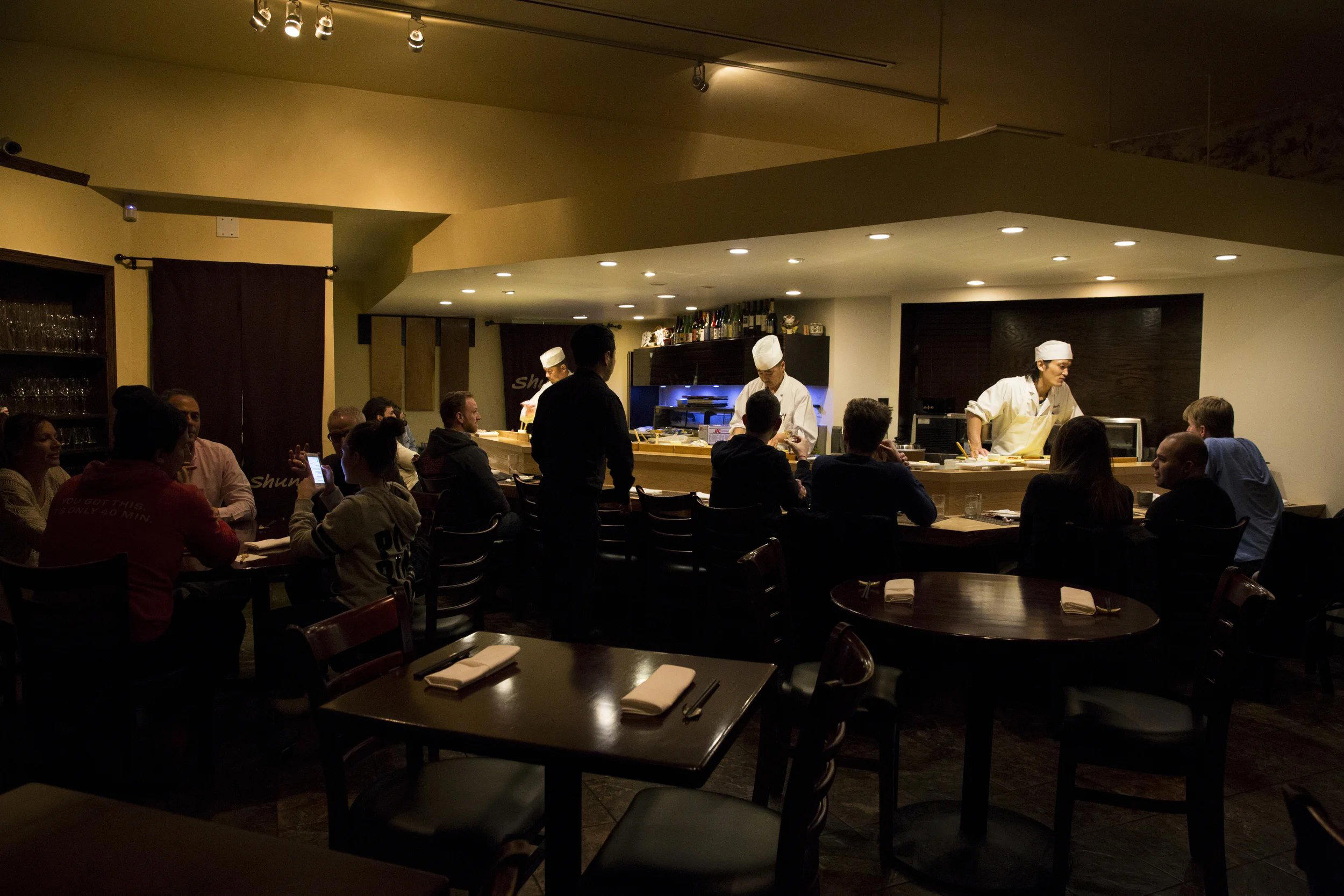
Restaurants in Los Angeles
All restaurants in Los Angeles →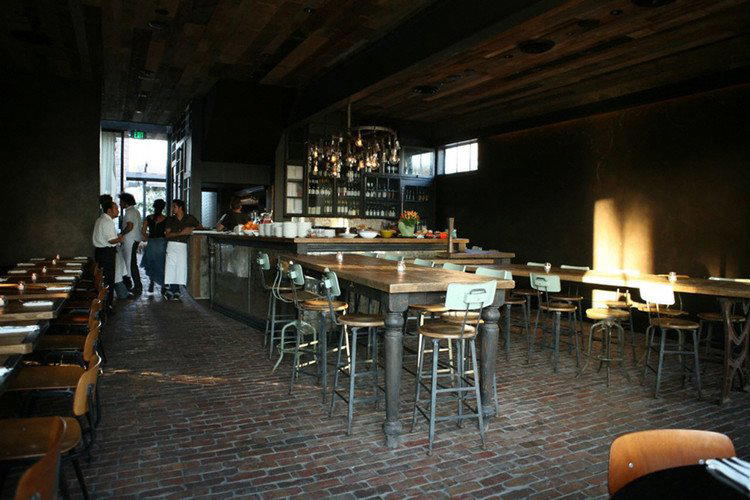
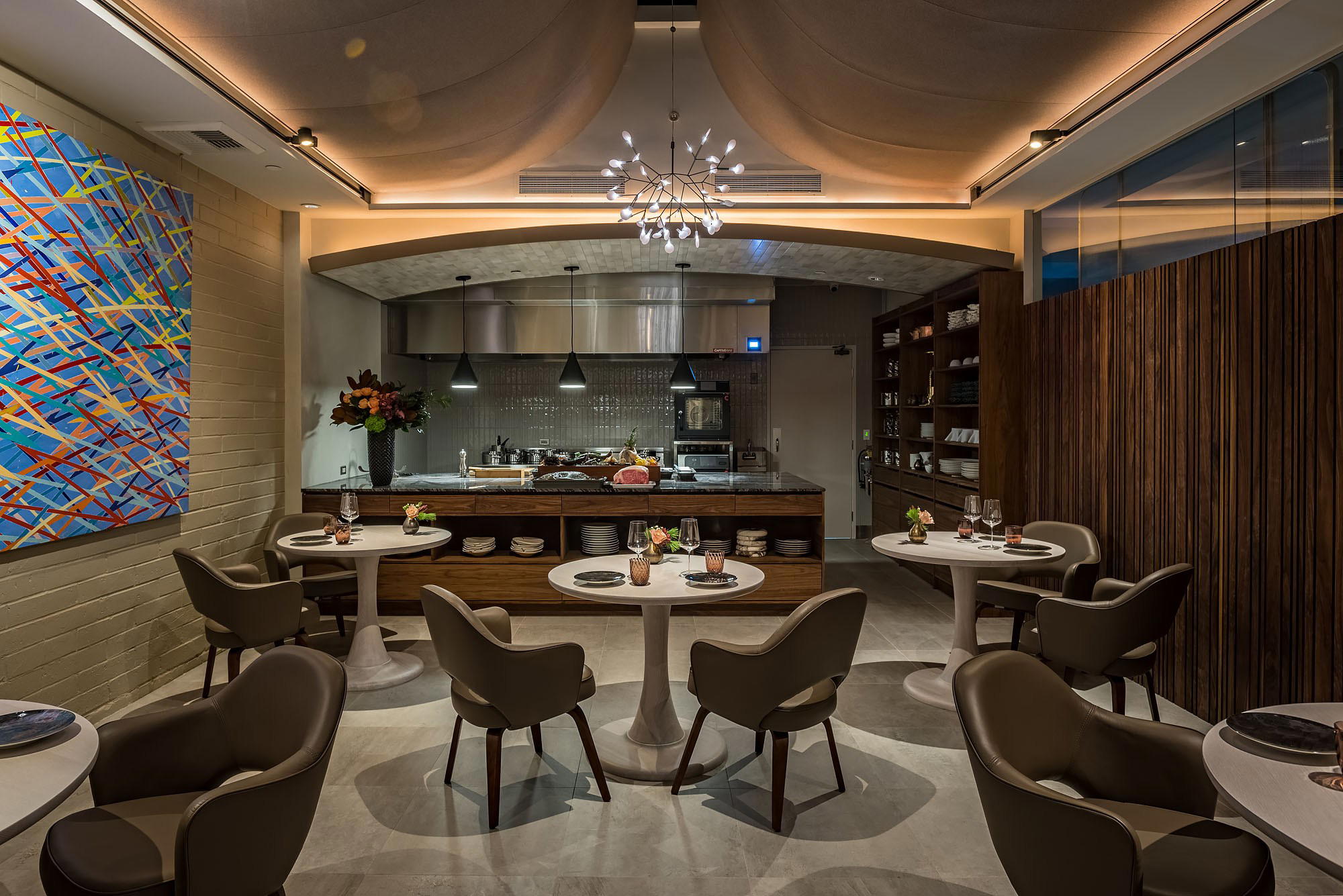
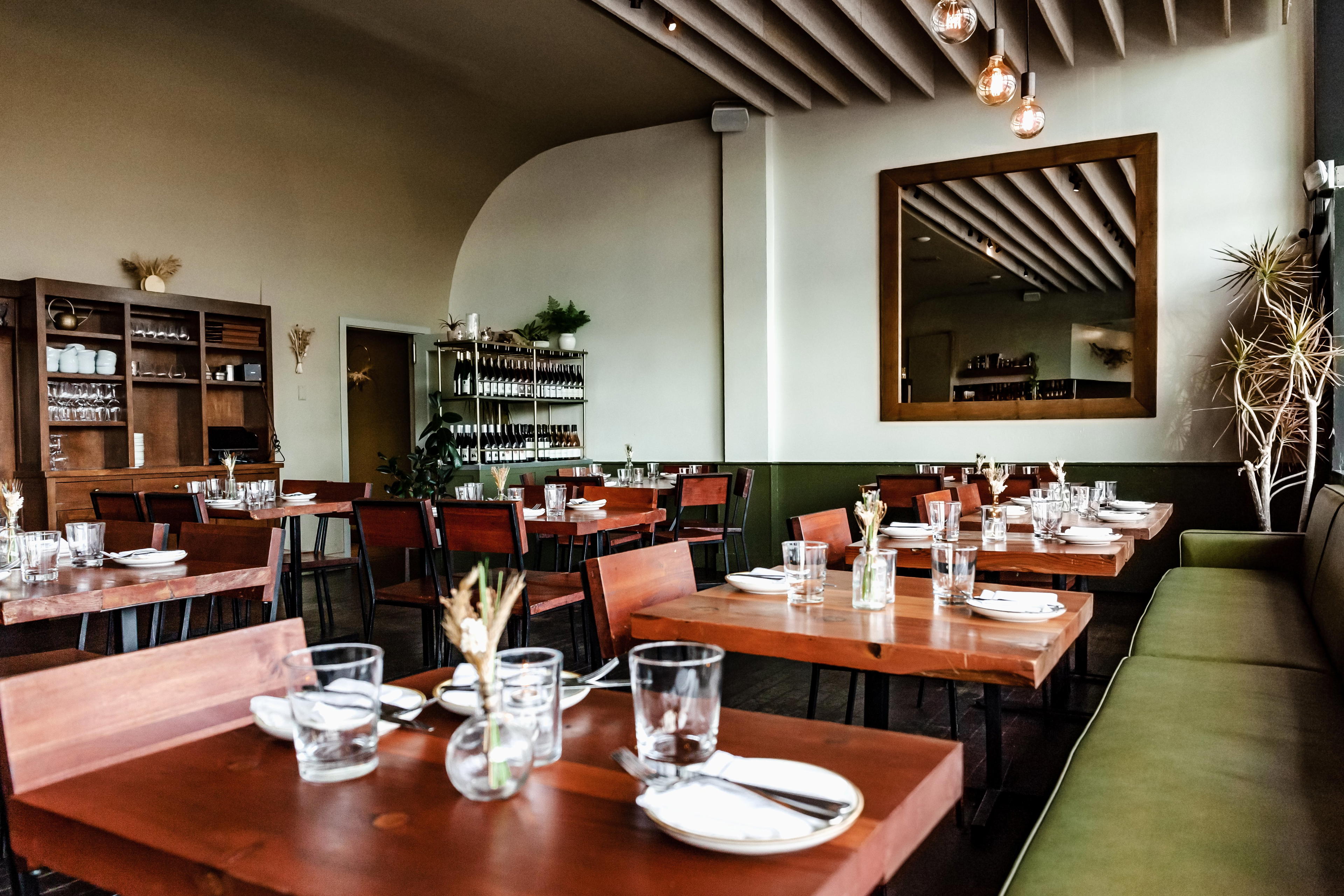
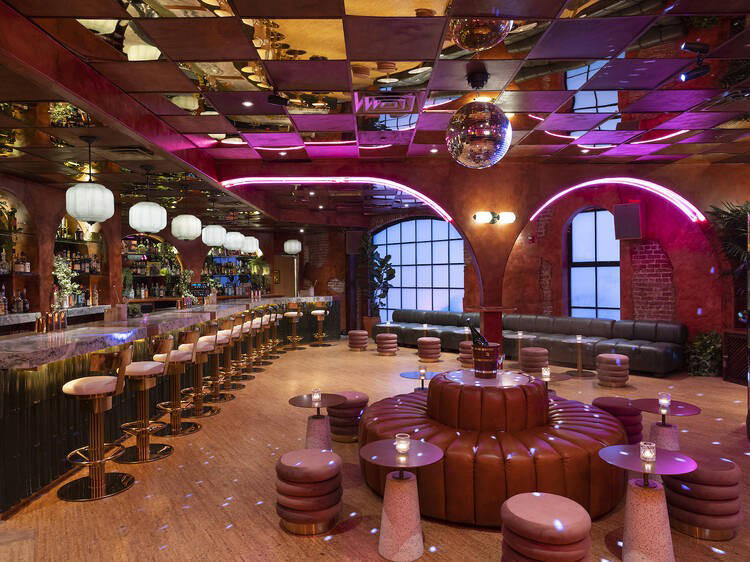
Bars in Los Angeles
All bars in Los Angeles →
Hotels in Los Angeles
All hotels in Los Angeles →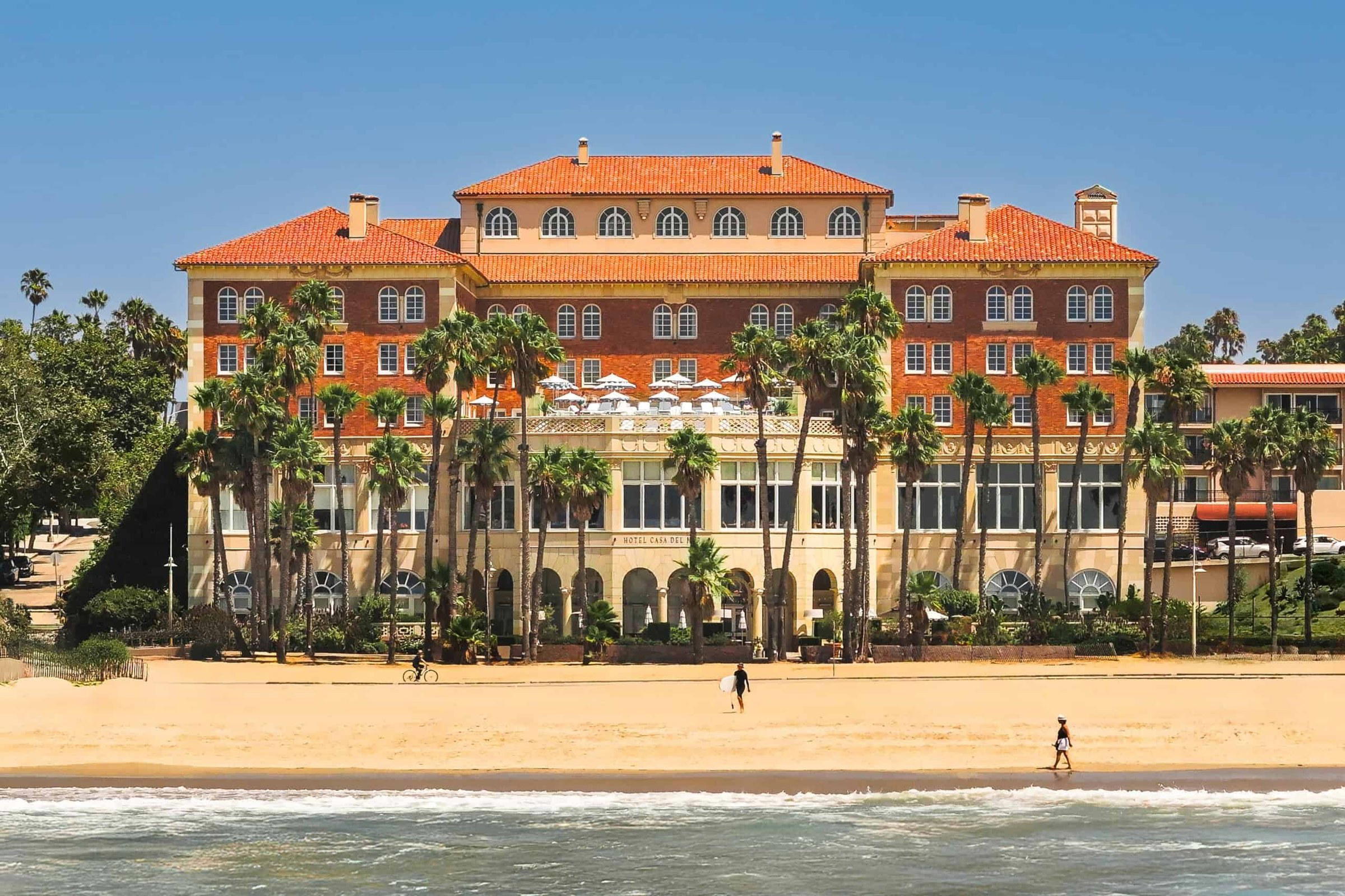
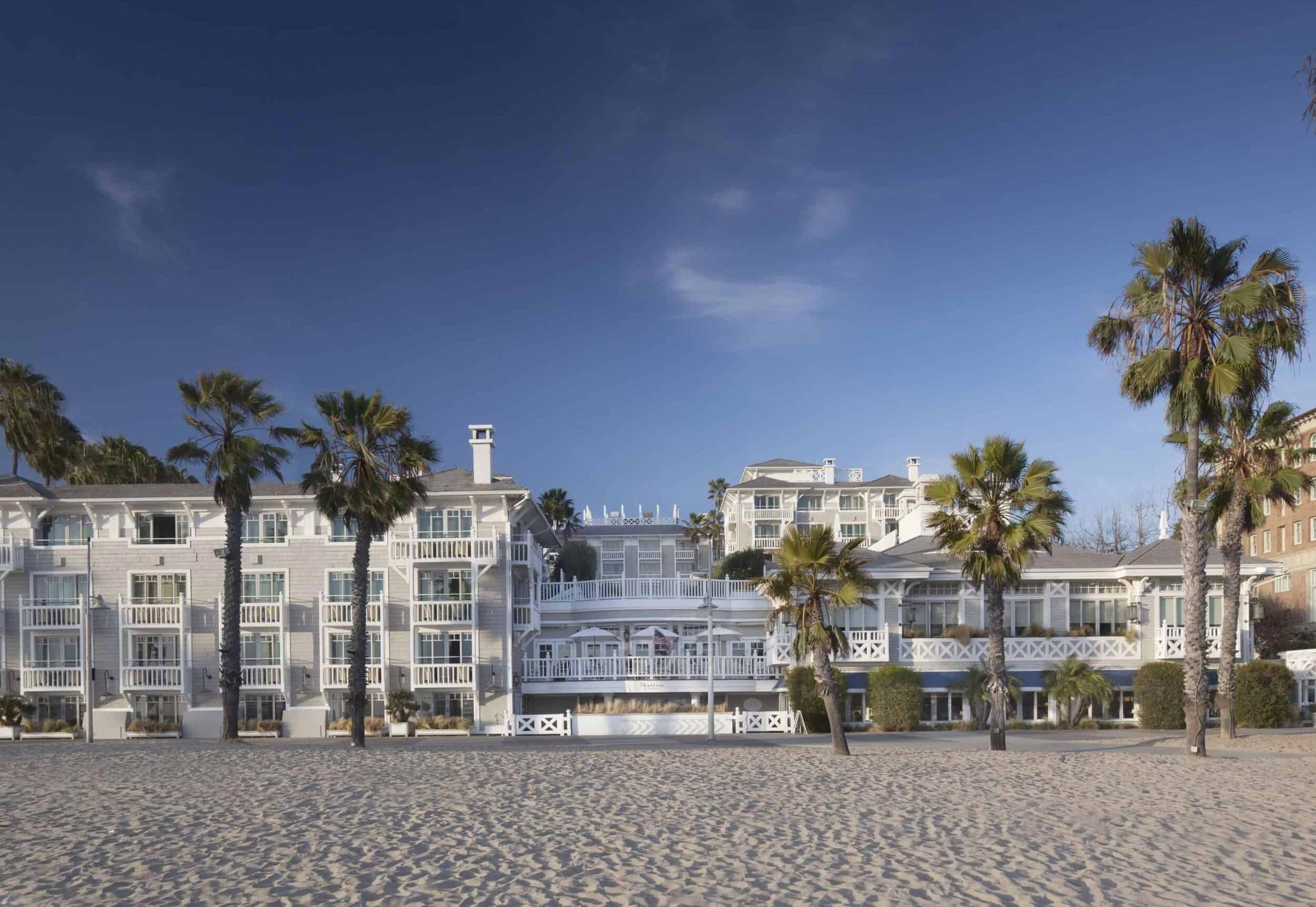

Wineries in Los Angeles
All wineries in Los Angeles →
Details
- Lively
- Trendy
- Casual
- Casual Hangout
- Date Night
- After Work
- Brunch
- Standalone
- Craft Cocktails
- A La Carte
- Small Plates
- Coffee
- Cocktails
- Tequila
Current opening hours
- Monday
- 8 AM–2 PM, 5–10 PM
- Tuesday
- Closed
- Wednesday
- 8 AM–2 PM, 5–10 PM
- Thursday
- 8 AM–2 PM, 5–10 PM
- Friday
- 8 AM–2 PM, 5–11 PM
- Saturday
- 8 AM–2 PM, 5–11 PM
- Sunday
- 8 AM–2 PM, 5–10 PM
Hours can change for holidays and private events. Hours as of .
Bright and welcoming in the morning, then energetic and lively at night with a lively cocktail-bar atmosphere.