
Tabelog 100 #25
Our verdict
Sabai Deal gives Shizuoka a Thai address with unusual staying power: open since 1992 and selected for Tabelog’s Asian cuisine / Ethnic cuisine EAST 100 in 2024. The appeal is less about luxury than consistency, accessibility, and a drinks list that places Thai cooking inside a Japanese neighborhood-dining rhythm rather than a destination-only format.

Pearl is the En Primeur Club membership app, where members save venues, book tables and use the concierge.
The menu
What to order
- Barbecue chicken
- Papaya salad
- Tom yum soup
- Green curry
The first signal is not ceremony but urban compression: a room in Shizuoka, where locals and visitors move between everyday meals, casual drinks, and the practical rhythms of the city. Thai restaurants in Japanese regional cities often live or die by their ability to translate heat, herbs, acidity, and rice-based comfort into repeatable neighborhood dining. Sabai Deal belongs to that category, a Thai table whose relevance comes from consistency rather than spectacle.
Shizuoka’s dining identity is usually discussed through seafood, tea, wasabi, and ryokan-linked kaiseki, but its city has a more mixed everyday appetite. That split matters. A visitor may plan around refined Japanese meals, yakitori and drinking rooms such as Chabo, or polished local counters like Blue Label; the broader Shizuoka restaurant map also needs places that handle weeknight spice, shared plates, and casual drinking without turning dinner into an event. That is the more useful frame for Sabai Deal.
Thai cooking in a city better known for seafood and tea
Ingredient sourcing is the quiet pressure point for Thai cooking in Japan. The cuisine depends on a grammar of aromatics, citrus, fish sauce, chile, herbs, rice, and coconut, yet regional Japanese restaurants must make that grammar work within local supply chains and local expectations. When the format succeeds, the point is not mimicry of any single Thai dining model; it is balance. The kitchen has to preserve Thai structure while making the meal legible to diners who may also eat sushi, tonkatsu, ramen, and izakaya food in the same week.
That is why Sabai Deal’s 2024 Tabelog Hyakumeiten recognition carries weight here. The recognition does not make the restaurant formal, and it does not push the room into a luxury bracket. It places Sabai Deal in a narrower conversation around Thai dining in Shizuoka and the consistency required to register beyond local convenience. In Shizuoka, that distinction is useful because non-Japanese cuisines often compete less on luxury than on trust, repeat visits, and whether spice feels integrated rather than decorative.
The format also says something about adaptation. A Japanese dining framework around Thai food is exactly how regional cosmopolitan dining tends to work outside the largest dining centers. The meal can be approached as a casual Thai dinner, but it can also function like a group table with sharper seasoning and rice-based dishes replacing the usual izakaya script. That flexibility explains why the room suits everyday meals rather than only destination diners chasing awards.
A Shizuoka room with everyday range
Consistency is a stronger credential than polish in this category. Sabai Deal’s listed Tabelog score of 3.55 and 2024 Hyakumeiten recognition point to a restaurant that has earned attention within its lane. A restaurant that can hold that position is not merely serving imported taste; it has become part of local eating behavior.
The everyday scale matters. It is approachable enough for social energy, but specific enough to keep the feel of a neighborhood specialist. That places it closer to celebratory casual dining than counter-driven connoisseurship. The appeal fits the genre: Thai food, especially in Japan, often works through shared tables, repeat ordering, and a relaxed pace rather than hushed precision.
For travelers building a Shizuoka food itinerary, the comparison is not simply Thai versus Japanese. It is about pacing. A kaiseki meal can define one evening, a serious yakitori table can define another, but a city also reveals itself through the places locals use without over-planning. Sabai Deal sits in that latter lane. Other Shizuoka dining rooms show how compact the city’s restaurant choices can feel. The more complete view sits in Our full Shizuoka restaurants guide, with adjacent planning through Our full Shizuoka hotels guide, Our full Shizuoka bars guide, Our full Shizuoka wineries guide, and Our full Shizuoka experiences guide.
How to place it in a Japan-wide Thai and casual dining itinerary
Japan’s regional restaurant culture rewards specialists that hold a clear lane. In larger cities, Southeast Asian restaurants can be subdivided by regional Thai styles, natural-wine pairings, late-night bar formats, or chef-led tasting menus. In Shizuoka, the more persuasive test is whether a Thai restaurant can remain useful across casual meals, family meals, and drinks with friends. Sabai Deal’s 2024 Tabelog Hyakumeiten recognition suggests that it has moved beyond mere convenience while retaining a casual operating logic.
That makes it a strong counterpoint to Japan itineraries overloaded with omakase, wagyu, and ramen. A traveler moving across the country might compare the role of regional casual specialists in broad terms: Vietnamese cooking in one city, curry-focused rooms in another, or cafés and relaxed dining rooms elsewhere. The same logic extends beyond Japan, where Japanese and Asian dining categories often adapt to local habits in reverse.
The practical reading is simple: this is not the Shizuoka meal for ceremonial service or luxury signaling. It is the Thai room to use when the itinerary needs seasoning, informality, and a break from the region’s Japanese canon. For travelers also considering city-to-city casual dining, Shizuoka’s wider field of casual restaurants shows how broad Japan’s informal dining becomes once the focus shifts from prestige formats to repeatable local usefulness.
Frequently asked questions
Can I bring kids to Sabai Deal?
Sabai Deal is a casual Thai restaurant in Shizuoka. For family planning, check the venue's official channels for the latest seating and service details.
How would you describe the vibe at Sabai Deal?
It is a casual Thai room in Shizuoka. The Tabelog Hyakumeiten recognition points to a restaurant with local consistency rather than a formal, luxury format.
What price level is Sabai Deal?
Pricing at Sabai Deal is listed as Dinner: JPY 2,000 - JPY 2,999; Lunch: -. Tabelog also lists JPY 2,000 - JPY 2,999 and JPY 1,000 - JPY 1,999 in its spending breakdown.
What part of town is Sabai Deal in?
Shizuoka.
Do they take walk-ins at Sabai Deal?
Those details are not published in the provided listing. For planning, use the listed phone number, +81-54-253-5778, or check the venue's official channels for the latest details.
What's Sabai Deal best at?
Its strongest credential is the 2024 Tabelog Hyakumeiten recognition. Add its Thai category and 3.55 listed score, and you get a Shizuoka Thai restaurant with recognition beyond simple convenience.
How It Stacks Up
Comparable venues by cuisine and price in the same metro.
| Venue | Cuisine | Price | Awards | Notes |
|---|---|---|---|---|
| Sabai DealThis venue (the venue you are viewing) | Casual Thai Restaurant | $10–20 | Tabelog 100 #25 | Not listed |
| Kawachi Ya | Dining | Not listed | Tabelog 100 #24 | Shizuoka |
| Teuchi Soba Tagata | Traditional handmade soba | $20–30 | Tabelog 100 #30 | Aoi Ward |
| Blue Label | Cocktail & Whisky Bar | $50–100 | Tabelog 100 #28 | Aoi-ku |
| Chinese Muramatsu | Chinese | Not listed | Tabelog 100 #33 | Shizuoka |
| Chabo | Traditional Yakitori | $50–100 | Tabelog 100 #28 | Aoi Ward |
Recognition history
Dated appearances from independent guides and award organizations, with the underlying list record or original source where available.
Tabelog 100 #25 · No. 25
Tabelog · Tabelog 100 - Asian cuisine / Ethnic cuisine - EAST - 2024
Continue exploring
More in Shizuoka
Restaurants in Shizuoka
All restaurants in Shizuoka →
Hotels in Shizuoka
All hotels in Shizuoka →
Wineries in Shizuoka
All wineries in Shizuoka →
Details
- Cozy
- Lively
- Casual
- Casual Hangout
- Family
- Group Dining
- Solo
- After Work
- Standalone
- Beer Program
- A La Carte
- Beer
- Vegetarian Friendly
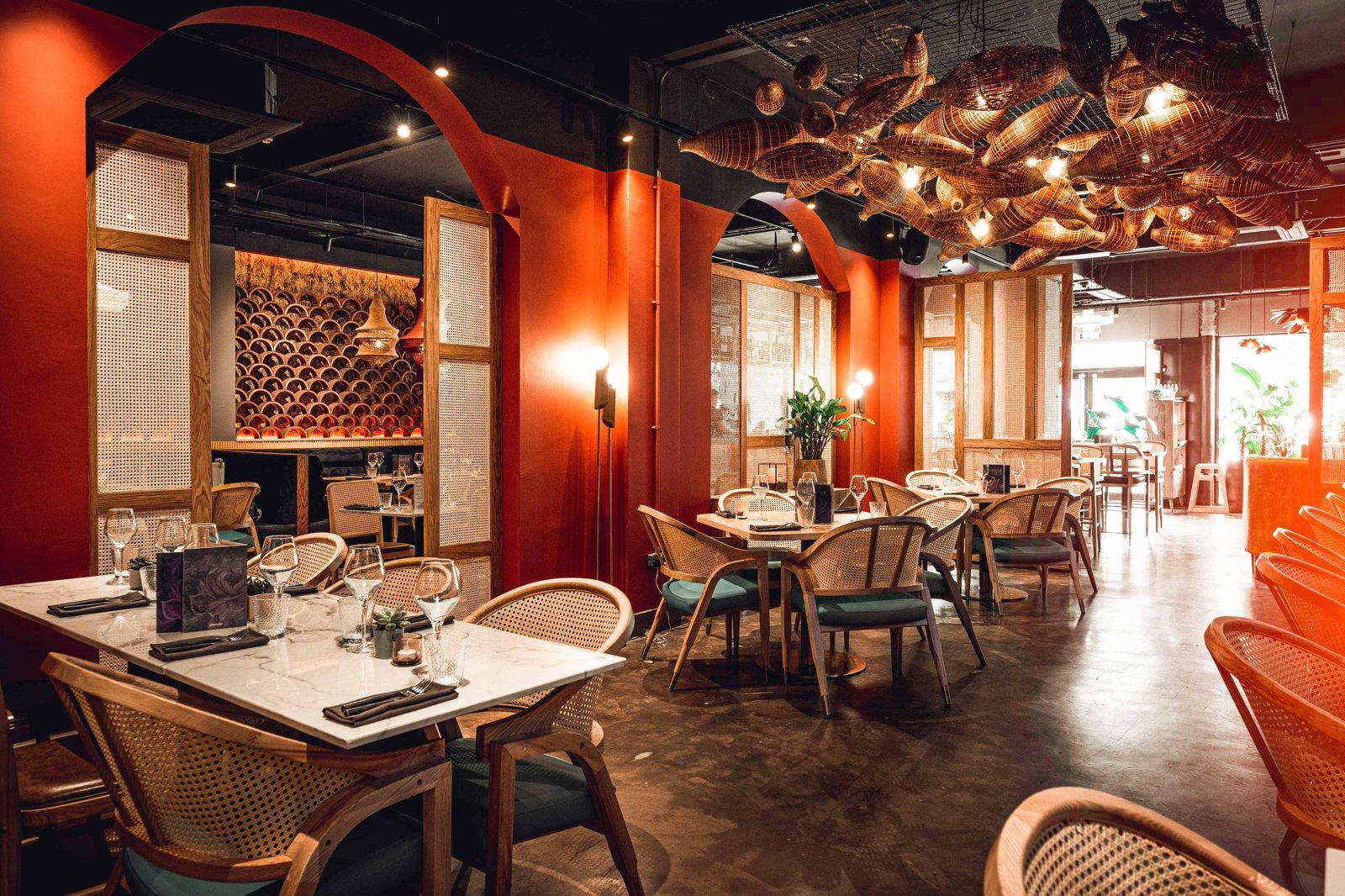
Casual and cozy with a homely, unpretentious feel; simple interior, bright enough for lunch but relaxed in the evening, creating a friendly, bustling neighborhood spot rather than a formal dining room.