Roka Hula
Our verdict
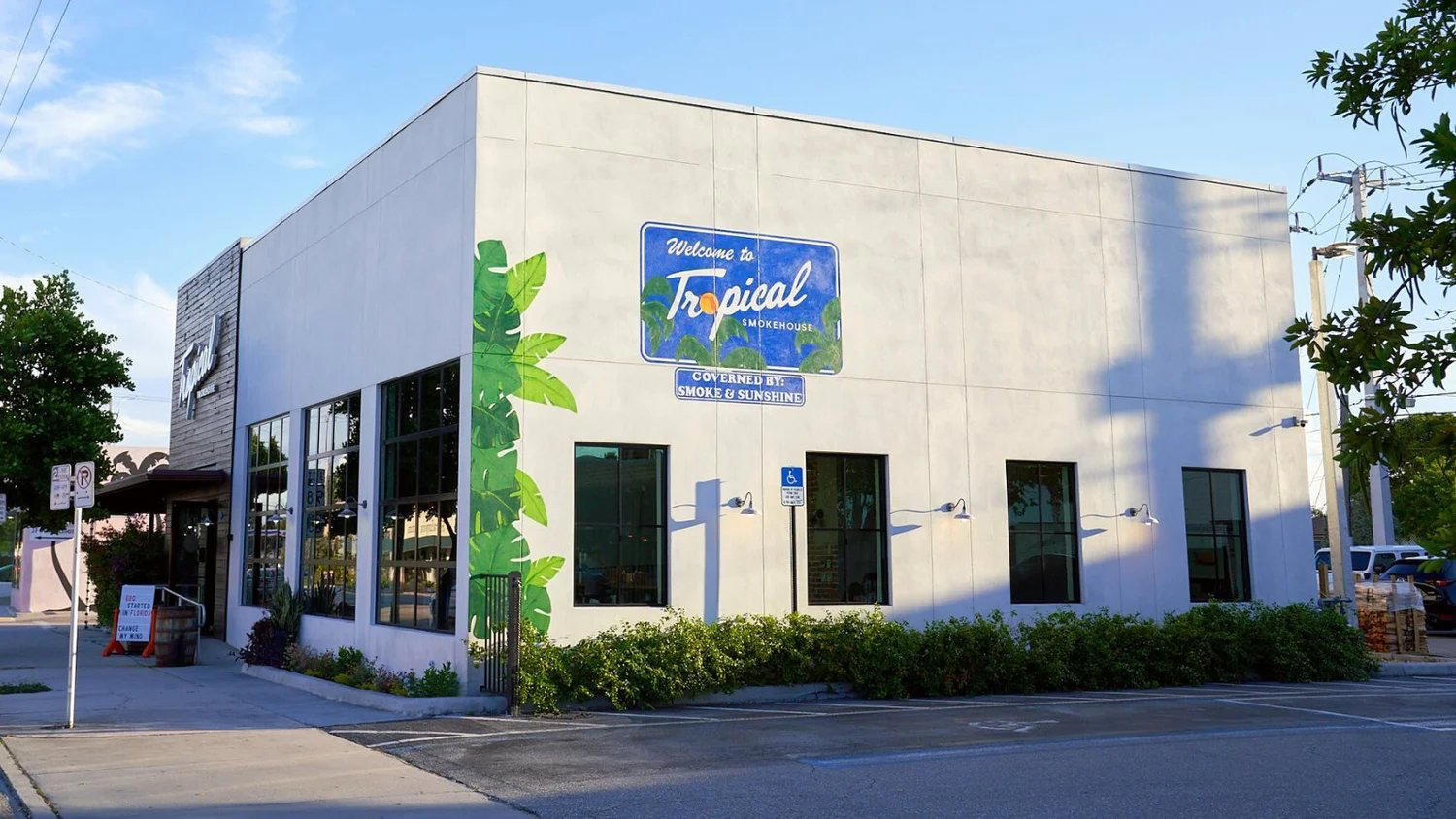
On East Atlantic Avenue, Delray Beach's main dining corridor, Roka Hula occupies a spot where South Florida's tropical ingredient palette meets globally inflected technique. The address places it squarely in the city's most concentrated stretch of restaurants, within walking distance of Atlantic Avenue's broader dining scene, making it a practical anchor for an evening that might span several stops.

Pearl is the En Primeur Club membership app — saves, bookings, and concierge access live there. Same editors, same standards.
- Address
- 270 E Atlantic Ave, Delray Beach, FL 33444
- Phone
- (561) 778-2075
- Hours
- Mon–Thu 11:30 AM–11 PMFri 11:30 AM–12 AMSat 11 AM–12 AMSun 11 AM–11 PM
- Website
- rokahula.com
- Directions
- Get directions
- Booking
- Book on OpenTable
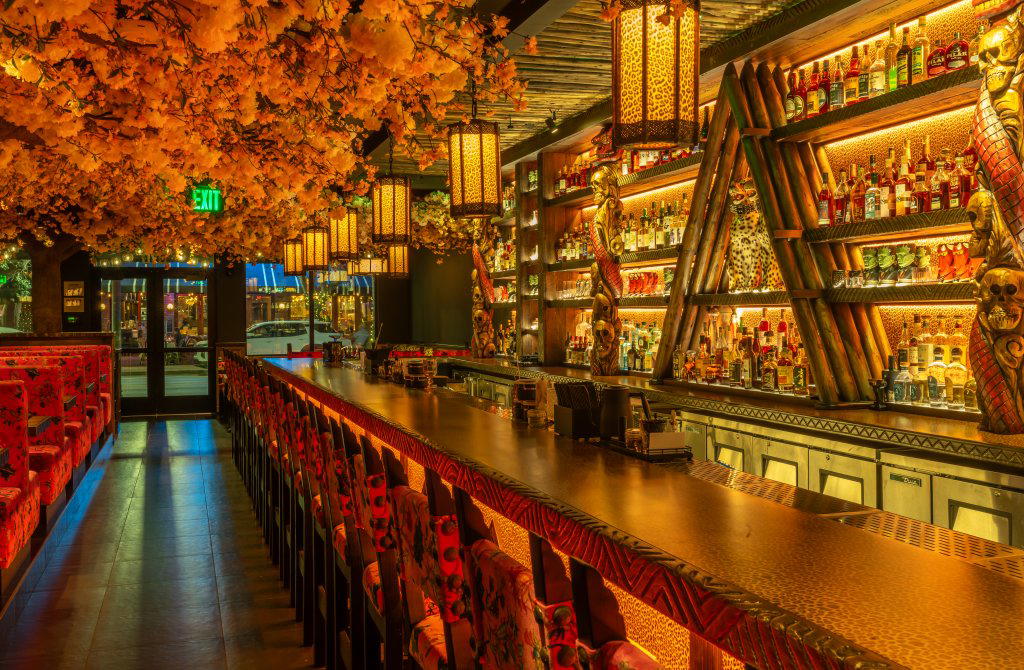
East Atlantic Avenue and the Question of Technique
East Atlantic Avenue in Delray Beach functions as a kind of pressure test for restaurants. The strip is dense with options across every price tier, and the competition for repeat local business alongside seasonal visitor traffic means that venues operating without a clear identity tend to cycle out quickly. Against that backdrop, Roka Hula at 270 E Atlantic Ave positions itself in a part of South Florida's dining conversation where the interesting question is not what ingredients are available — the region's proximity to Caribbean supply chains and year-round growing conditions makes the pantry exceptionally broad — but what culinary grammar is being applied to them.
That question, of how imported technique meets local and regional product, is one of the more generative tensions in American restaurant culture right now. You see it resolved at very different price points and ambition levels: Blue Hill at Stone Barns in Tarrytown builds an entire identity around agricultural sourcing as the driver of the menu, while Single Thread Farm in Healdsburg layers Japanese kaiseki discipline over Northern California's farm output. In South Florida, the raw material argument is easier to make than the technique argument, which is precisely why venues that solve both sides of the equation tend to accumulate loyalty quickly.
South Florida's Ingredient Advantage and the Technique Gap
Florida's subtropical climate creates sourcing conditions that few American regions can replicate. Stone crab season runs from mid-October through May, producing claws that move through the state's restaurant supply chain faster than almost any other premium seafood product. Year-round tomato cultivation in the Homestead corridor, heart of palm harvested from the state's interior, locally caught mahi-mahi and grouper, and a Caribbean-influenced produce supply that includes varieties of plantain, yuca, and tropical citrus, all of this gives South Florida restaurants a foundation that chefs trained in more constrained culinary environments find genuinely useful.
The technique gap has historically been the harder problem. South Florida's dining identity was built around beach-facing casual formats and the kind of volume-driven steakhouse and seafood programming that suits a transient tourist population. That model worked, and venues like Bourbon Steak Delray Beach demonstrate how premium versions of familiar formats can anchor a high-end market. But the more recent shift in Delray Beach's dining character has involved a broader range of culinary approaches taking root on and around Atlantic Avenue, from the Eastern European comfort food at Baba Pierogies Delray Beach to the bistro register of Boheme Bistro and the Korean-inflected cooking at Akira Back.
That diversification matters because it signals a maturing dining public. Atlantic Avenue today is a corridor where a visitor could plausibly eat Southern American at Batch New Southern Kitchen and Tap one evening and find something with a completely different culinary grammar the next. Roka Hula enters that environment at a moment when the street has enough range that a restaurant needs a coherent identity, not just a good location.
Technique as Differentiator in a Crowded Corridor
The broader American fine dining conversation in 2024 and 2025 has been shaped by a generation of chefs who trained in internationally diverse environments, stages in Japan, stints in Scandinavia, time in Mexico City, and then returned to domestic markets with a layered technical vocabulary. That pattern produced venues like Atomix in New York City, where Korean culinary structure operates at the level of precision one associates with French tasting menu formats, and Providence in Los Angeles, where classical French seafood technique is applied to Pacific and global catch. The through-line is that technique borrowed from one tradition, applied to ingredients sourced from another geography, tends to produce menus with more tonal specificity than either tradition would generate alone.
South Florida is a logical landing point for that kind of cooking. The ingredient base rewards global technique. The population of Miami-Dade and Palm Beach County includes a substantial proportion of internationally mobile residents who have eaten in those reference cities and hold expectations accordingly. And Delray Beach's own evolution as a dining destination, documented across our full Delray Beach restaurants guide, has moved the corridor toward formats that can hold a more demanding diner's attention.
How Delray Beach Sits Within the Florida Premium Tier
It is worth mapping where Delray Beach sits relative to the state's broader fine dining infrastructure. Miami's Brickell and Wynwood corridors attract the highest-profile openings and the largest chef-name investment. Palm Beach proper operates in a compressed, seasonal format oriented around a wealthy second-home population that is present from roughly November through April. Delray Beach occupies a middle position: more year-round in its traffic than Palm Beach, more community-rooted than Miami's hospitality-driven market, and increasingly capable of sustaining restaurants that require genuine repeat visits to be financially viable.
That sustainability argument matters because the leading technique-forward venues nationally, from Alinea in Chicago and Lazy Bear in San Francisco to The French Laundry in Napa and The Inn at Little Washington, all built their reputations on markets with deep local engagement alongside destination traffic. Delray Beach now has the residential density and demographic profile to support that model, which is a relatively recent development in the city's dining history.
Planning a Visit
Roka Hula sits at 270 E Atlantic Ave, on Delray Beach's primary dining corridor, which means parking and walkability are the operative logistics. The avenue is pedestrian-friendly in the evenings, and the concentration of restaurants means that a meal here fits naturally into a longer night that moves between venues. For visitors arriving from Miami or Fort Lauderdale, the Brightline rail connection to Boca Raton and Tri-Rail's Delray Beach station make the trip feasible without a car, though the final leg from either station to Atlantic Avenue typically requires a rideshare. South Florida's winter season, running from November through March, brings the heaviest dining traffic to the avenue; visiting during shoulder season in late spring or early fall tends to mean shorter waits and a more local dining room composition.
Frequently asked questions
What's Roka Hula's location?
Roka Hula is located at 270 E Atlantic Ave, Delray Beach, FL 33444, Delray Beach.
How does Roka Hula's location on East Atlantic Avenue compare to other Delray Beach dining options?
East Atlantic Avenue is Delray Beach's primary dining spine, with Roka Hula at 270 E Atlantic Ave placing it within walking distance of the corridor's densest concentration of restaurants. For visitors mapping an evening around multiple stops, Atlantic Avenue is walkable by design.
What do people recommend at Roka Hula?
Roka Hula sits at 270 E Atlantic Ave, placing it squarely in Delray Beach's most active dining corridor, where restaurants are held to sharp competition across every price tier. Atlantic Avenue regulars tend to gravitate toward spots that reflect South Florida's seasonal ingredient calendar, particularly stone crab availability between mid-October and May.
Is Roka Hula reservation-only?
Atlantic Avenue restaurants in Delray Beach run the full range from reservation-required formats to walk-in-friendly models, and Roka Hula's specific booking policy is best confirmed directly with the venue at 270 E Atlantic Ave. Weekend evenings on this corridor move quickly, so contacting the restaurant ahead of a planned visit is the practical default regardless of format.
Similar Picks
Comparable venues nearby, for context on price, style, and recognition.
| Venue | Cuisine | Price | Notes |
|---|---|---|---|
| Roka HulaThis venue — the venue you are viewing | Modern Asian Tiki Bar | Not listed | Not listed |
| Segreto Italia | Authentic Italian Trattoria | $50–100 | Delray Beach |
| Elisabetta's Ristorante | Elevated Italian Ristorante | $30–50 | Downtown Delray Beach |
| Le Colonial Delray Beach | French-Vietnamese | $50–100 | Atlantic Avenue |
| El Camino | Mexican Soul Food & Tequila Bar | $20–30 | Delray Beach |
| CASA L'ACQUA Ristorante Italiano | Fine Dining Italian | $50–100 | Downtown Delray |
Continue exploring
More in Delray Beach
Restaurants in Delray Beach
Browse all →
Bars in Delray Beach
Browse all →
Details
- Lively
- Trendy
- Date Night
- Casual Hangout
- Celebration
- Craft Cocktails
- A La Carte
- Small Plates
- Exotic Cocktails
Current opening hours
- Monday
- 11:30 AM–11 PM
- Tuesday
- 11:30 AM–11 PM
- Wednesday
- 11:30 AM–11 PM
- Thursday
- 11:30 AM–11 PM
- Friday
- 11:30 AM–12 AM
- Saturday
- 11 AM–12 AM
- Sunday
- 11 AM–11 PM
Hours can change for holidays and private events. Last verified .
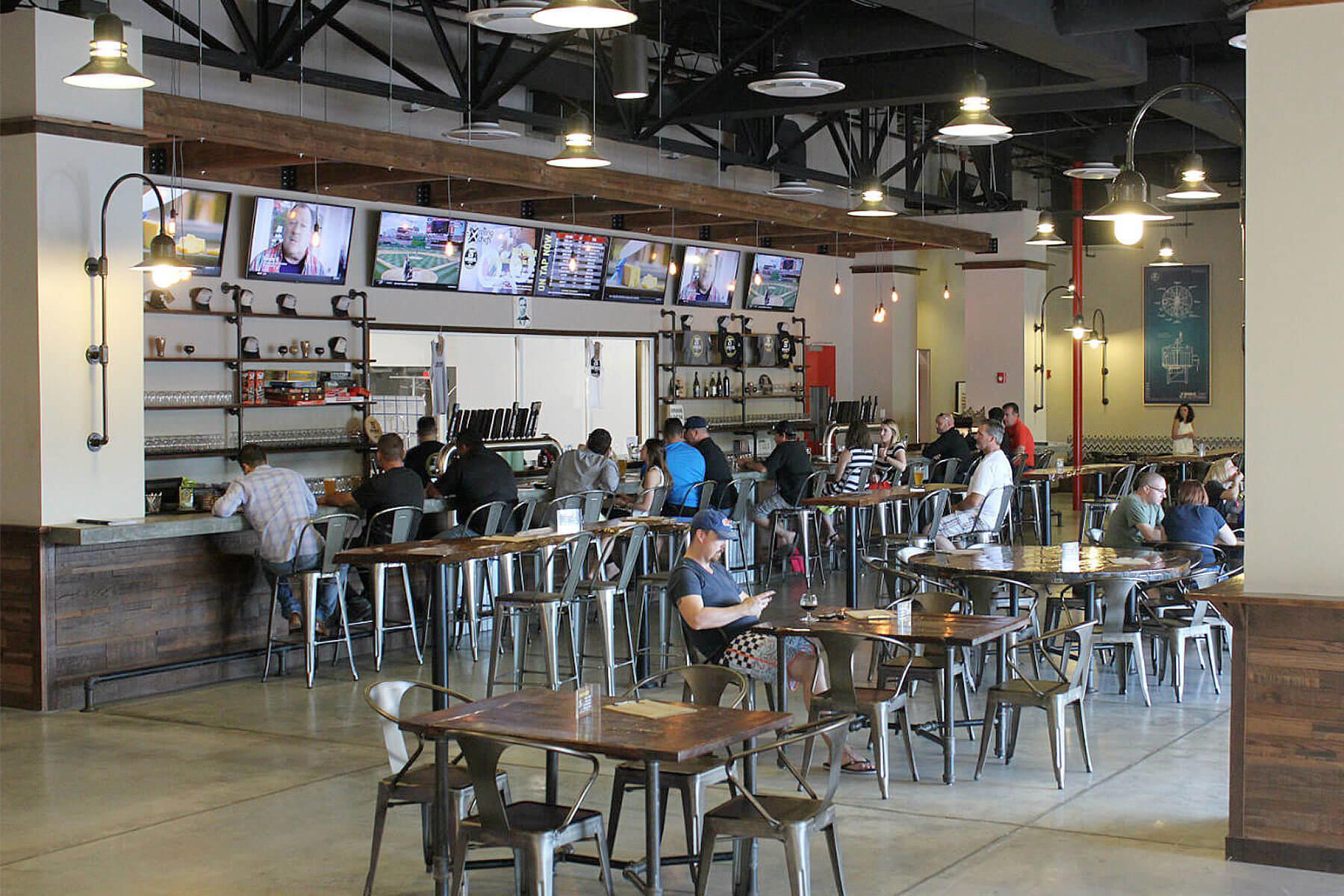
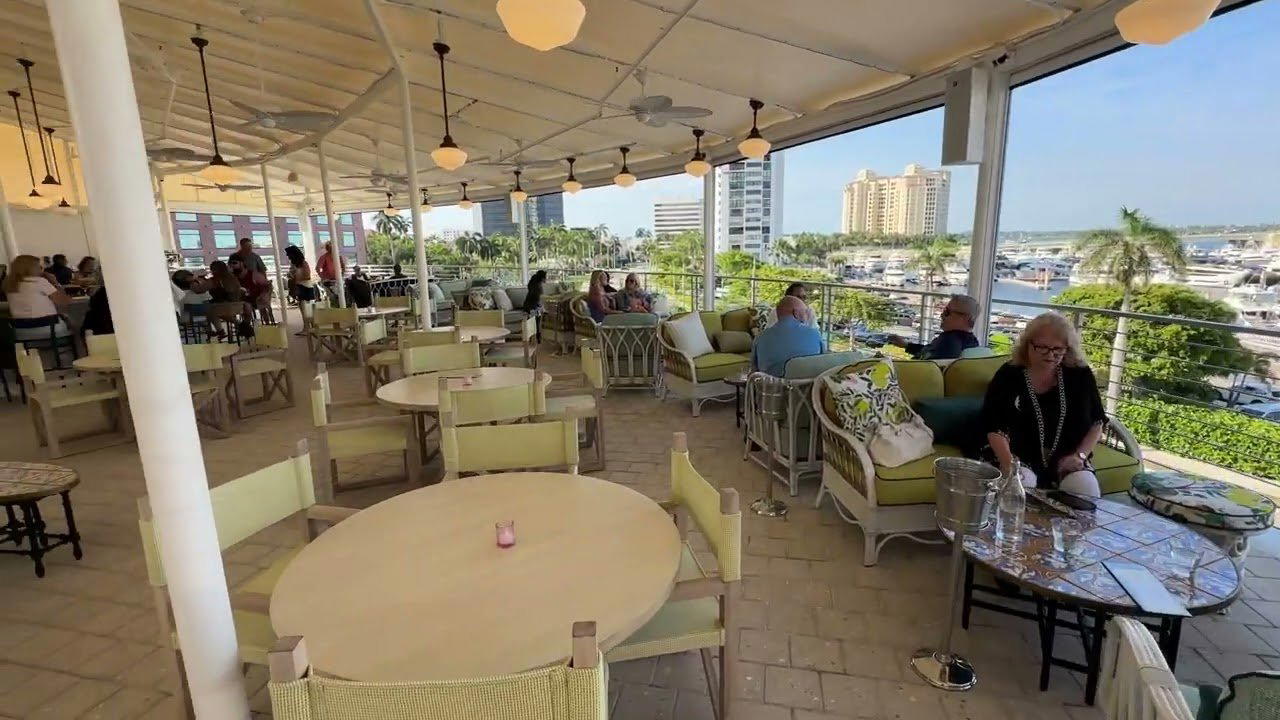
Lively and chic with fun vibes, moderate noise, and provocative seductive atmosphere.