River Café





Open since 1987 and holding a Michelin star through 2024, River Café occupies a converted Thames-side warehouse in Hammersmith that helped teach London how to eat Italian. The seasonal menu draws from Italian producers and British growers in equal measure, anchored by a wood-fired oven and a wine list weighted toward serious Italian bottles. Lunch and dinner read differently here, in both rhythm and price.
Pearl is the En Primeur Club membership app — saves, bookings, and concierge access live there. Same editors, same standards.
- Address
- Thames Wharf, Rainville Rd, London W6 9HA, United Kingdom
- Phone
- +44 20 7386 4200
- Website
- rivercafe.co.uk
- Directions
- Get directions
 Saves & bookings on Pearl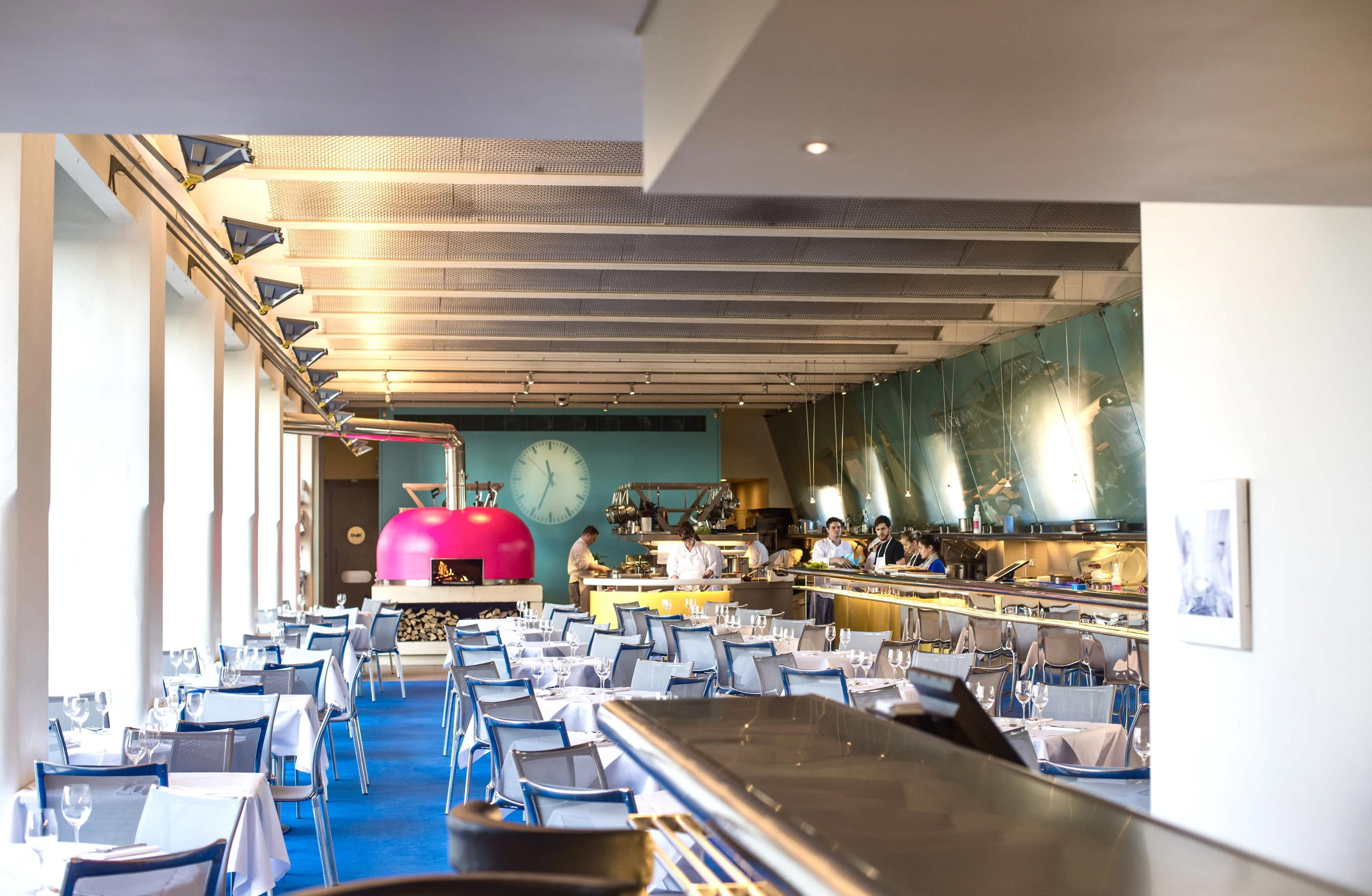
The Restaurant That Rewrote London's Italian Vocabulary
When Ruth Rogers and the late Rose Gray opened River Café in 1987 at Thames Wharf in Hammersmith, the dominant model for Italian dining in London was either red-sauce trattoria or stiff hotel formality. Neither interested them. Their project, housed in a converted riverside warehouse designed by Rogers's husband Richard Rogers, imported the seasonal, ingredient-led discipline of central Italian cooking at a time when that approach had no real precedent in the capital. Thirty-seven years later, the restaurant holds a Michelin star and ranked 31st on the World's 50 Best Restaurants list. Those credentials situate it in a category of London institutions that have shaped the city's dining culture rather than simply participated in it. Compare that to the capital's other single-Michelin properties at the formal end of the market: The Ledbury, Sketch's Lecture Room and Library, CORE by Clare Smyth, Restaurant Gordon Ramsay, and Dinner by Heston Blumenthal all sit at ££££. River Café prices at £££, which places it in a different value bracket than those peers even if the culinary ambition is comparable.
Lunch or Dinner: The Same Room, Two Different Restaurants
The lunch versus dinner divide at River Café is one of the more instructive contrasts in London's mid-to-upper dining tier. At lunch, the terrace facing the Thames draws a crowd that is partly neighbourhood, partly industry, partly well-connected regulars who treat the riverside setting as a civilised extension of the working week. The light through the floor-to-ceiling windows is better at midday, the pacing is looser, and the service, which earns consistent praise for warmth without informality, feels more conversational. Sunday lunch stretches to 3:30 PM, a full hour longer than weekday service, which signals how seriously the kitchen treats the format.
Dinner compresses and sharpens the experience. The wood-fired oven, which dominates the open kitchen and provides the room's most dramatic visual element, is doing its most visible work after dark. The zinc bar catches the light differently. The crowd skews toward occasion dining: anniversaries, deal closings, the kind of evening where someone is likely ordering from the deeper sections of the Italian wine list rather than the by-the-glass selection. If the lunch version of River Café is a restaurant you'd come to often if you could, the dinner version is one you save up for.
From a value perspective, lunch at £££ pricing with a shorter, more focused menu represents a meaningful entry point to a kitchen that commands serious prices at dinner. Regulars familiar with comparable London Italian rooms tend to route first-time guests through a weekday lunch before committing to an evening booking.
What the Kitchen Actually Does
The culinary framework at the restaurant sits at the intersection of Tuscan and broader northern Italian tradition, applied to seasonal British and Italian produce. The wood-fired oven and a charcoal grill are the primary instruments, and the kitchen's approach leans on heat and quality of ingredient over technique-forward construction. That puts it in philosophical contrast to the architectural plating that defines restaurants like Le Bernardin in New York or Atomix. This is not a kitchen interested in showing you what it can do; it is interested in the ingredient.
The menu changes to reflect seasonal availability, which in practice means dishes track British growing calendars as closely as Italian ones. Scottish langoustines, Yorkshire grouse, and summer girolles appear alongside Italian clams, crab, and wild sea bass. Cannellini bean preparations have been a fixture across multiple iterations of the menu, reflecting the Tuscan sensibility at the kitchen's core. Desserts including the chocolate nemesis have been copied widely enough across London that the originals now function as reference points against which imitations are judged.
Even the wine used in cooking reportedly comes from named estates, a detail that encapsulates the kitchen's sourcing philosophy. That same philosophy extends to the wine list, which carries Italian bottles across all major regions and has accumulated a collection of aged Super Tuscans that positions it among the more serious Italian lists in London. Around 25 selections are available by the glass from £13, which provides access without requiring full-bottle commitment.
The Room and Its Setting
Thames Wharf sits on a stretch of the Hammersmith riverfront that is quiet by inner-London standards, removed from the density of the West End and Mayfair dining corridors where most of the city's Michelin-decorated restaurants cluster. That geographic remove is part of the proposition: the restaurant functions as a destination rather than a drop-in, which reinforces the occasion-dining character of its evening service and makes the lunch booking feel like a deliberate choice rather than a convenience stop.
The interior reads as confident without being cold. Cafeteria-style seating, a sea-blue and yellow palette, and the open kitchen create a room that is expressive without theatricality. The wood-fired oven is visible from most tables and provides both ambient warmth and a low-grade performance that keeps the room from feeling static. The terrace overlooks the Thames and functions as the primary target for warm-weather bookings; guests are advised to specify a terrace table when reserving rather than hoping for reallocation on arrival.
For those building a broader London itinerary around serious dining, the EP Club full London restaurants guide maps the wider field. The London hotels guide, bars guide, and experiences guide cover the supporting infrastructure, and the wineries guide is useful context for anyone drawn in by the restaurant's Italian wine depth.
Where River Café Sits in the Broader UK Scene
The restaurant occupies an interesting position in the UK's Michelin-starred tier. It is not a tasting-menu-only format, which separates it from the more structured experiences at The Fat Duck in Bray or L'Enclume in Cartmel. It does not operate as a hotel restaurant, distinguishing it from Gidleigh Park or Le Manoir aux Quat' Saisons. It sits closer in format to Moor Hall or Hand and Flowers in the sense that its identity is kitchen-and-room rather than resort-and-kitchen. Its price tier at £££ remains below the ££££ ceiling that most of its Michelin-starred London peers have settled at, which is a meaningful difference for repeat visitors.
The restaurant's influence on London's broader Italian dining scene is clear. Several chefs who trained at the restaurant have opened their own rooms, and its sourcing model, seasonal Italian produce combined with British growers, has become a template that is now widely imitated. The original remains one rigorous expression of that template, partly because of institutional memory and partly because its wine program operates at a depth most imitators cannot match.
Planning Your Visit
What's the must-try dish at River Café?
The restaurant's menu changes seasonally, so no single dish is permanently on the menu. That said, the chocolate nemesis has been a fixture long enough to be referenced in food writing across multiple decades, and its wood-roasted preparations, particularly langoustines and game birds in season, represent the kitchen's strongest argument for its approach. The cannellini bean dishes, in various seasonal configurations, are one direct expression of the Tuscan sourcing and simplicity the restaurant has championed since 1987. The wine list, particularly its aged Italian selections and Super Tuscans, functions as a destination in its own right alongside the food.
Comparable Spots
Comparable venues nearby, for context on price, style, and recognition.
| Venue | Cuisine | Price | Notes |
|---|---|---|---|
| River CaféThis venue — the venue you are viewing | Rustic Italian | $$$$ | Not listed |
| Hélène Darroze at The Connaught | Three Michelin-Star Modern French Fine Dining | $$$$ | Mayfair |
| Alain Ducasse at The Dorchester | Contemporary French Haute Cuisine | $$$$ | Mayfair |
| Brat | Live-Fire Grill with Basque Influences | $$$$ | Shoreditch |
| Nobu | Nikkei Japanese-Peruvian | $$$$ | Mayfair |
| Muse by Tom Aikens | Modern British Fine Dining | $$$$ | Belgravia |
Recognition history
Dated appearances from independent guides and award organizations, with the underlying list record or original source where available.
AA Rosettes 3 Rosettes
AA Rosettes
Falstaff Restaurant - 94 Falstaff Points
Falstaff
Michelin 1 Star
Michelin
Opinionated About Dining Casual in Europe Highly Recommended
Opinionated About Dining
Star Wine List
Star Wine List
Michelin 1 Star
Michelin
The Good Food Guide GFG Very Good
The Good Food Guide
Michelin 1 Star
Michelin
World's 50 Best Best Restaurants #44
World's 50 Best
World's 50 Best Best Restaurants #41
World's 50 Best
World's 50 Best Best Restaurants #47
World's 50 Best
World's 50 Best Best Restaurants #31
World's 50 Best
Continue exploring
More in London
Restaurants in London
Browse all →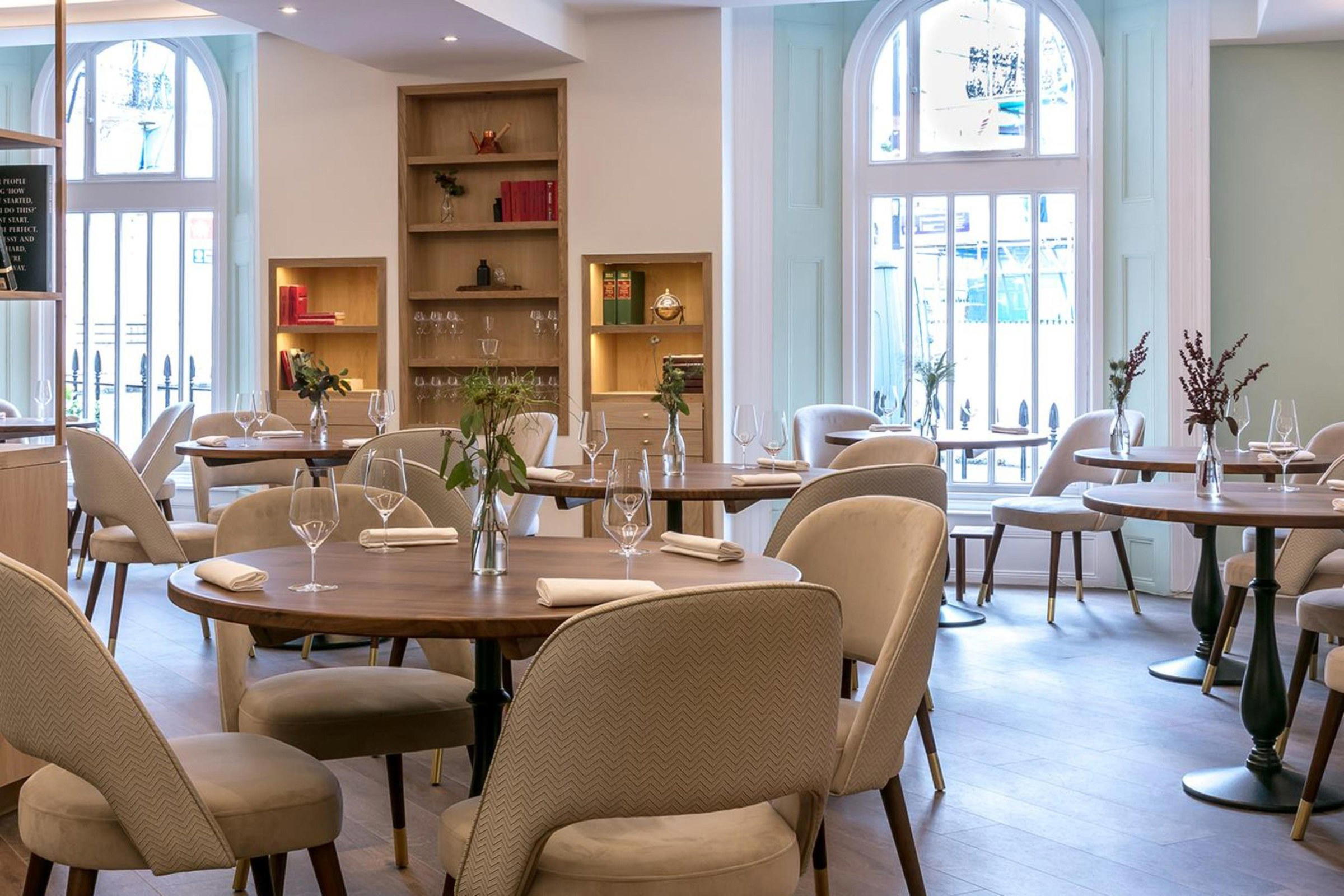
Bars in London
Browse all →
Hotels in London
Browse all →

At a Glance
- Elegant
- Well Known
- Sophisticated
- Special Occasion
- Date Night
- Celebration
- Waterfront
- Open Kitchen
- Terrace
- Extensive Wine List
- Sommelier Led
- Waterfront
Current opening hours
- Monday
- 12–2:30 PM, 6:30–9:30 PM
- Tuesday
- 12–2:30 PM, 6:30–9:30 PM
- Wednesday
- 12–2:30 PM, 6:30–9:30 PM
- Thursday
- 12–2:30 PM, 6:30–9:30 PM
- Friday
- 12–2:30 PM, 6:30–9:30 PM
- Saturday
- 12–2:30 PM, 6:30–9:30 PM
- Sunday
- 12–3:30 PM
Hours can change for holidays and private events. Last verified .
Bright, bustling atmosphere with energy from the open kitchen, riverside views, and terrace seating under heaters.