
Michelin Plate
Our verdict
Restaurante La Noria belongs to Puebla’s traditional dining conversation, where mole, corn, chiles, dairy, and convent-era technique matter more than trend-chasing. Its setting in a former San Miguel site gives the restaurant a heritage frame, while the useful comparison is with Puebla rooms that treat regional sourcing as cultural evidence rather than decoration.

Pearl is the En Primeur Club membership app, where members save venues, book tables and use the concierge.
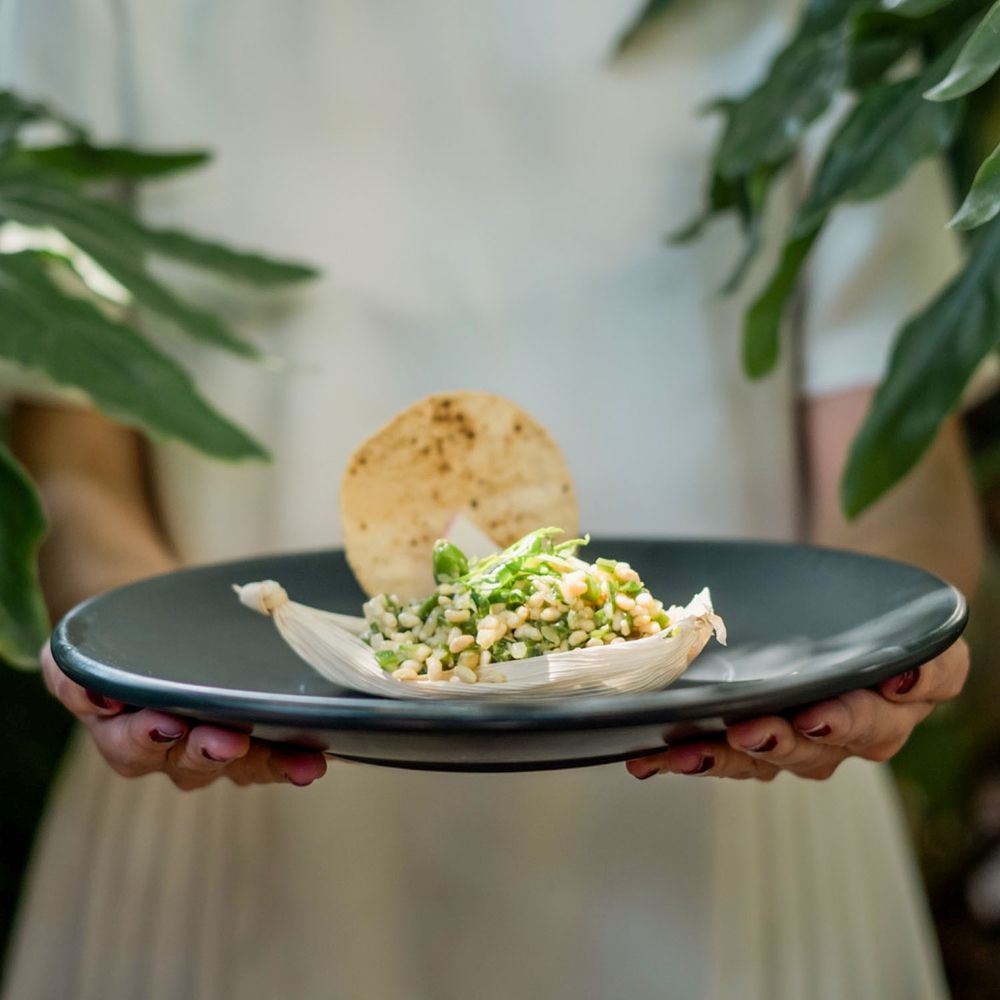
The menu
What to order
- Mole poblano
- Chile en nogada
- Escamoles (ant eggs) in season
- Huazontle patties
- Pasta Bolognese
- Chicken Cordon Bleu
Approach the room less as a neutral dining space than as part of Puebla’s argument for itself: a restaurant experience can be tied to the city’s memory as much as to the meal itself. Restaurante La Noria is in Heroica Puebla de Zaragoza, and that setting matters in a city where food memory is often physical. Puebla’s serious restaurants do not need to shout modernity; the stronger ones let local habits, patient preparation, and a sense of place carry the point.
The useful question here is not whether the restaurant can reproduce every canonical Poblano dish. It is whether the experience understands that Puebla’s pantry has weight: dried chiles, local sweets, breads, dairy, herbs, and the corn culture that sits underneath daily eating as much as ceremonial cooking. In that frame, La Noria belongs to the city’s established dining conversation, closer in spirit to a Puebla table than to a venue defined by biography or format.
Why Puebla's pantry gives the room its authority
Puebla’s cuisine is often reduced, lazily, to mole poblano and chiles en nogada. Both matter, but the city’s deeper strength is the way historic technique, market produce, and household cooking overlap. Sauces are built from dried chile architecture rather than heat alone. Sweetness has a structural role, not a decorative one. Nuts, fruit, spices, lard, masa, and herbs can appear in the same culinary sentence without turning the plate into confusion.
That is why sourcing carries editorial weight in Puebla. A restaurant working in this tradition is judged by how convincingly it treats ingredients as part of the city’s record. Corn is not a garnish to a story about authenticity; it is the base grammar. Chiles are not interchangeable color. Dairy, bread, and sweets point back to long-standing domestic and workshop traditions. The better reading of a place like this is through those supply lines and inherited techniques, not through novelty.
Across Heroica Puebla de Zaragoza, the regional category now splits into several lanes. Other Heroica Puebla de Zaragoza dining rooms anchor more codified versions of the canon, while some read Puebla through a more contemporary restaurant lens. Cultivo and Casa Bacuuza point toward a newer local appetite for ingredient-led rooms rather than simple folkloric display. La Noria sits in the Puebla conversation, where the city setting and regional vocabulary shape the way readers should place it.
A Puebla restaurant in a city that takes tradition seriously
Puebla rewards diners who understand that tradition here is not static. Chiles en nogada, for example, carries a seasonal rhythm and civic symbolism that restaurants cannot fake through presentation alone. Mole poblano is a sauce family and a historical argument, not a single fixed recipe. Cemitas, tacos árabes, pipianes, chalupas, sweets, and pastries all pull from different social and historical registers. A restaurant operating in this city has to choose where it sits among those registers.
La Noria’s interest is that it reads as part of Puebla’s broader hospitality grammar rather than simply as a current-fashion restaurant format. That does not make it less serious. In cities with strong regional identities, dining rooms that can absorb different occasions often become the places where tradition remains visible to a broad audience. The measure is discipline: whether the experience treats familiar references as living culture or as touristic shorthand.
The local comparison is useful. Some Heroica Puebla de Zaragoza dining rooms belong to different lanes, where other formats and ingredients change the conversation and pull the table away from Puebla’s inherited pantry. Casa Bacuuza and Cultivo help map the city’s contemporary ingredient focus. Moyuelo, often discussed in Puebla dining circles, represents another modern reading of the city’s flavors. La Noria’s lane is less about minimalism and more about continuity: a Puebla restaurant using place and repertoire to keep the local table legible.
For readers building a wider itinerary, the city works better when meals are not treated as interchangeable stops. Start with Our full Heroica Puebla de Zaragoza restaurants guide to separate regional cooking, casual formats, and contemporary rooms. Pair that with Our full Heroica Puebla de Zaragoza hotels guide if location will shape lunch and dinner decisions, and use Our full Heroica Puebla de Zaragoza bars guide for the after-dinner layer. The broader travel frame sits in Our full Heroica Puebla de Zaragoza experiences guide, while Our full Heroica Puebla de Zaragoza wineries guide is useful for readers checking whether wine programming has a role in the trip.
How to place it inside a Mexico dining itinerary
Mexico’s premium dining map is increasingly fragmented. Coastal restaurants and resort-side rooms answer a different brief: climate, travel infrastructure, and seafood access shape the table. Destination rooms in slower travel towns belong to another rhythm again, where the meal becomes part of a broader place narrative. Puebla asks for a more grounded reading. The city’s strongest meals usually explain themselves through history, markets, and craft rather than spectacle.
That contrast is helpful when deciding where La Noria fits. It is not best understood through a generic international template or as a restaurant detached from its city. Puebla’s value is locality: dishes and ingredients that make less sense when separated from the place that formed them.
Travelers adding Caribbean or coastal plans can compare the regional logic against tourism-driven dining elsewhere, where the format belongs to a different economy. In Puebla, the smarter move is slower: choose one established city meal, one contemporary local kitchen, and one casual street-derived format. That sequence gives Heroica Puebla de Zaragoza room to explain itself without forcing every meal to perform the same role.
Frequently asked questions
Can I bring kids to Restaurante La Noria?
La Noria is in Heroica Puebla de Zaragoza, a city where family meals are common. As no children’s policy is provided here, it is sensible to confirm the setup before going with younger diners.
Is Restaurante La Noria formal or casual?
Restaurante La Noria is best approached as a considered meal in Heroica Puebla de Zaragoza rather than a quick drop-in stop. If dress code or service style matters, confirm current details before booking.
What's Restaurante La Noria known for in terms of accolades?
Restaurante La Noria is recognized in the MICHELIN Guide with a MICHELIN Plate.
Where do I go for Restaurante La Noria?
Heroica Puebla de Zaragoza.
Should I book Restaurante La Noria in advance?
Advance planning is sensible for Restaurante La Noria in Heroica Puebla de Zaragoza, especially if the meal is timed around a special lunch or dinner. Confirm current booking options before going so the visit does not depend on guesswork.
Quick Comparison
Comparable venues by cuisine and price in the same metro.
| Venue | Cuisine | Price | Awards |
|---|---|---|---|
| Restaurante La NoriaThis venue (the venue you are viewing) | Traditional Poblano & Mexican in a Historic Hacienda | $30–50 | Michelin Plate |
| Mochomos Puebla | Modern Sonoran Grill and Barbecue | $30–50 | Not listed |
| Cultivo | Seasonal Contemporary Mexican Tasting Menu | $50–100 | Michelin Bib Gourmand |
| Tacos Árabes Bagdad | Traditional Tacos Árabes | $10–20 | Not listed |
| Casa Bacuuza | Modern Oaxacan Mexican | $20–30 | Michelin Plate |
| Moyuelo | Modern Mexican | $20–30 | Michelin Bib Gourmand |
Recognition history
Dated appearances from independent guides and award organizations, with the underlying list record or original source where available.
Michelin Plate
Michelin
Continue exploring
More in Puebla
Restaurants in Puebla
All restaurants in Puebla →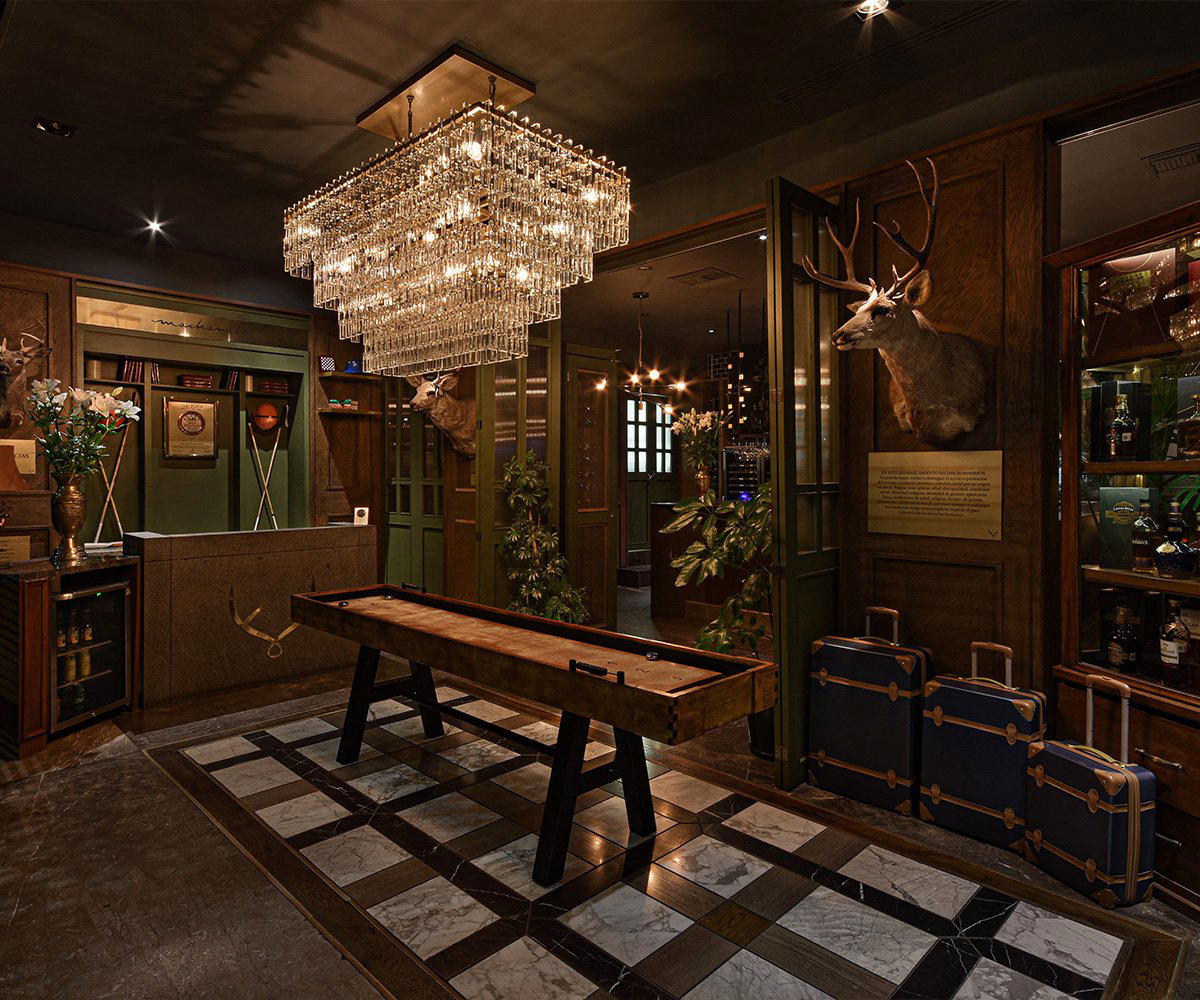
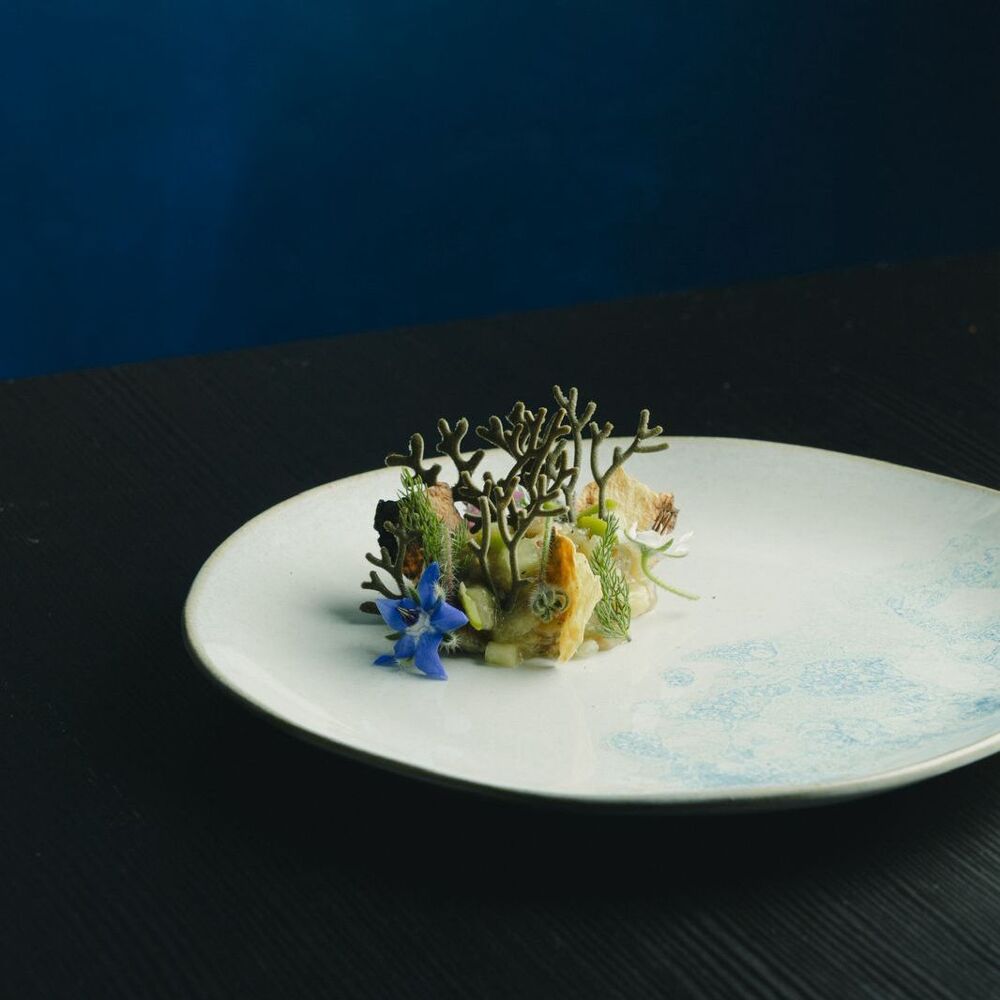
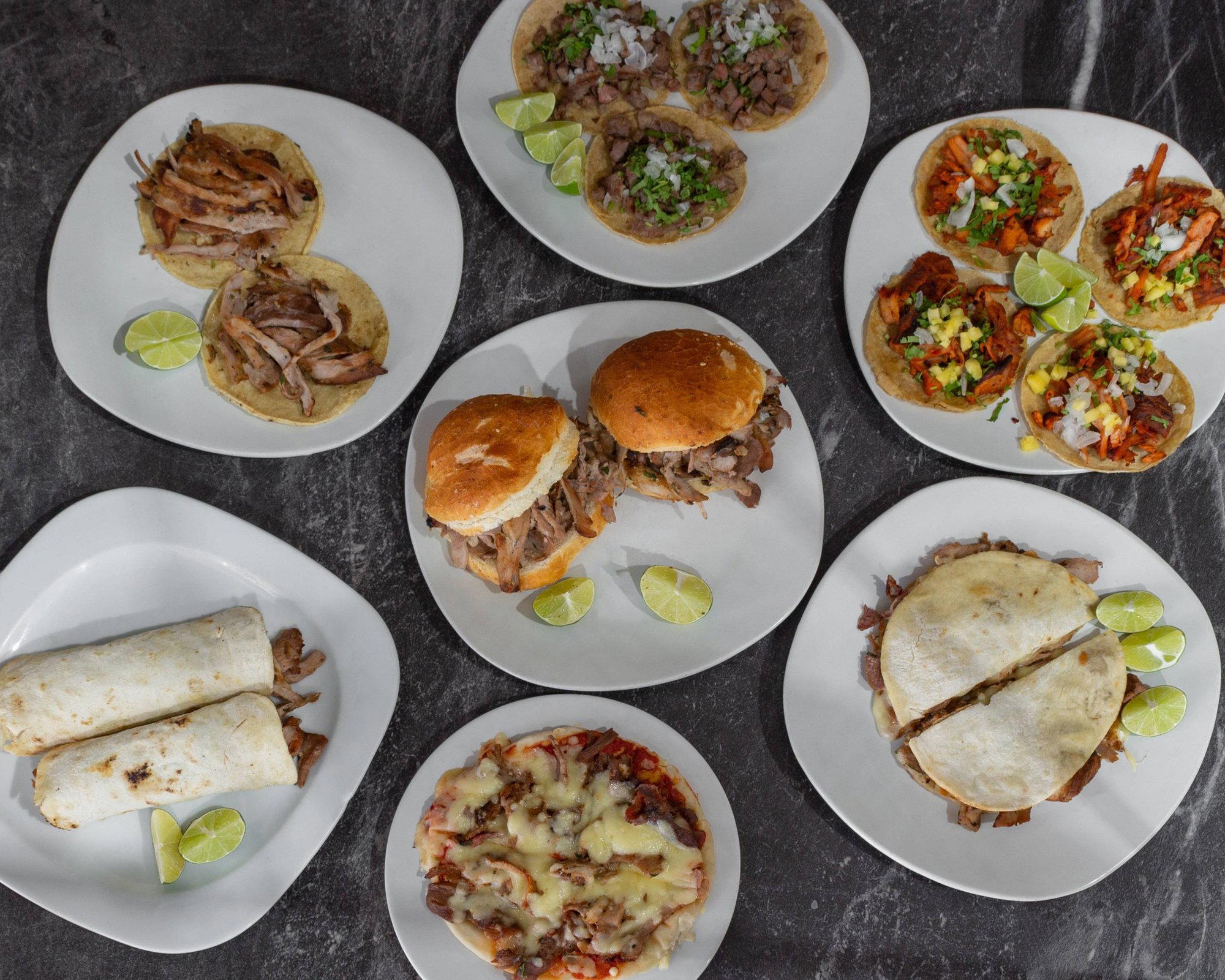
Bars in Puebla
All bars in Puebla →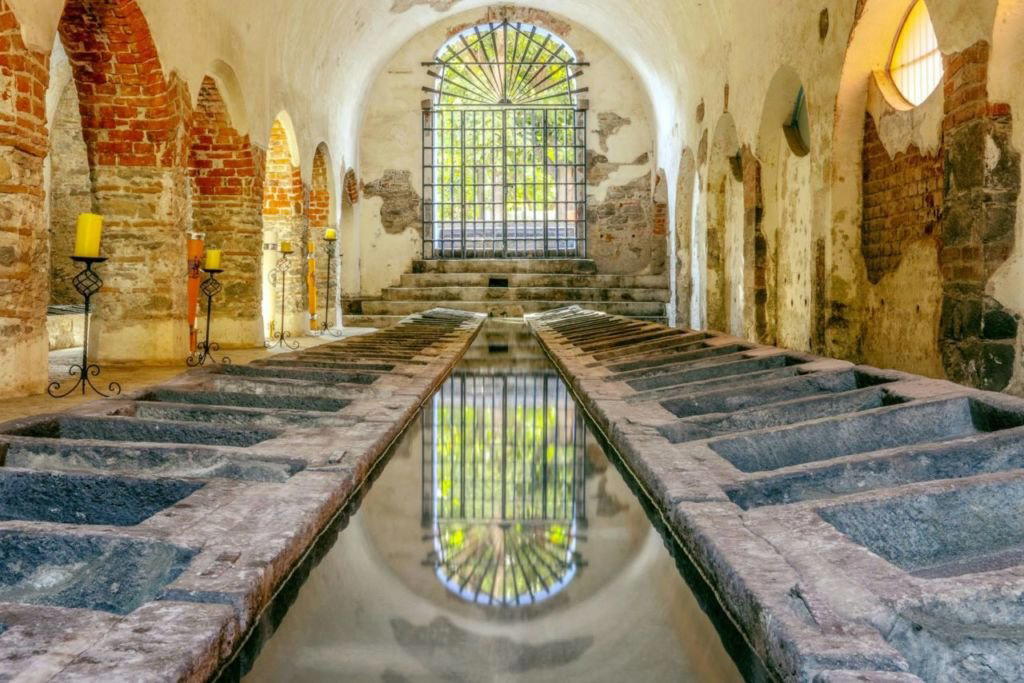

Details
- Elegant
- Classic
- Romantic
- Rustic
- Sophisticated
- Date Night
- Business Dinner
- Family
- Group Dining
- Special Occasion
- Celebration
- Garden
- Courtyard
- Historic Building
- Design Destination
- Standalone
- Private Dining
- Extensive Wine List
- Craft Cocktails
- Local Sourcing
- Garden
- A La Carte
- Tasting Menu
- Wine
- Craft Beer
- Cocktails
- Vegetarian Friendly
- Vegan Options
- Gluten Free Options
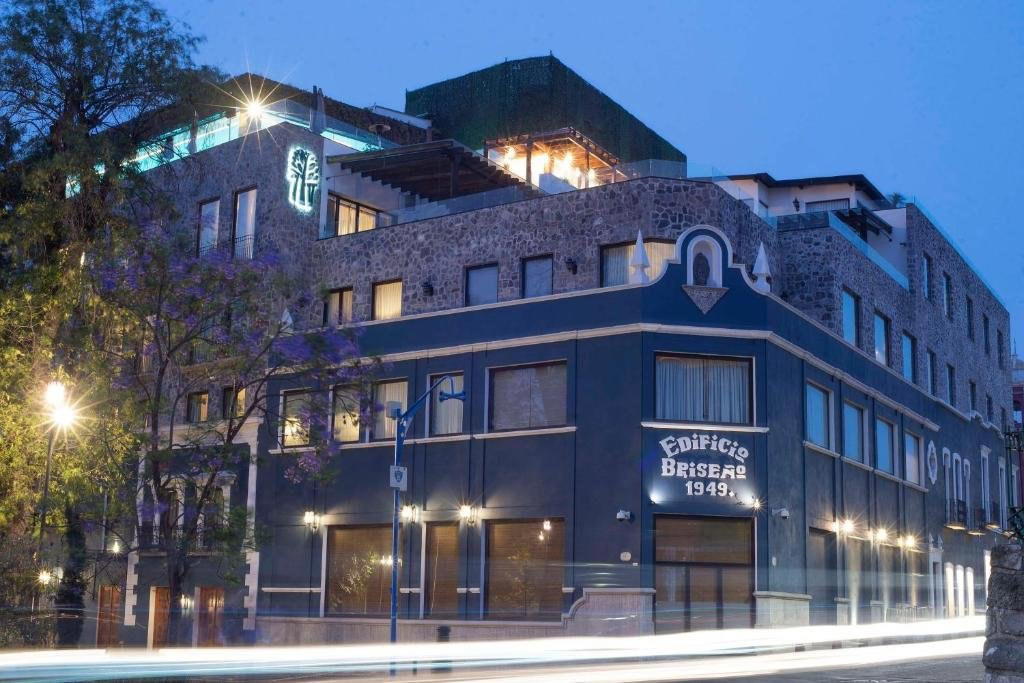
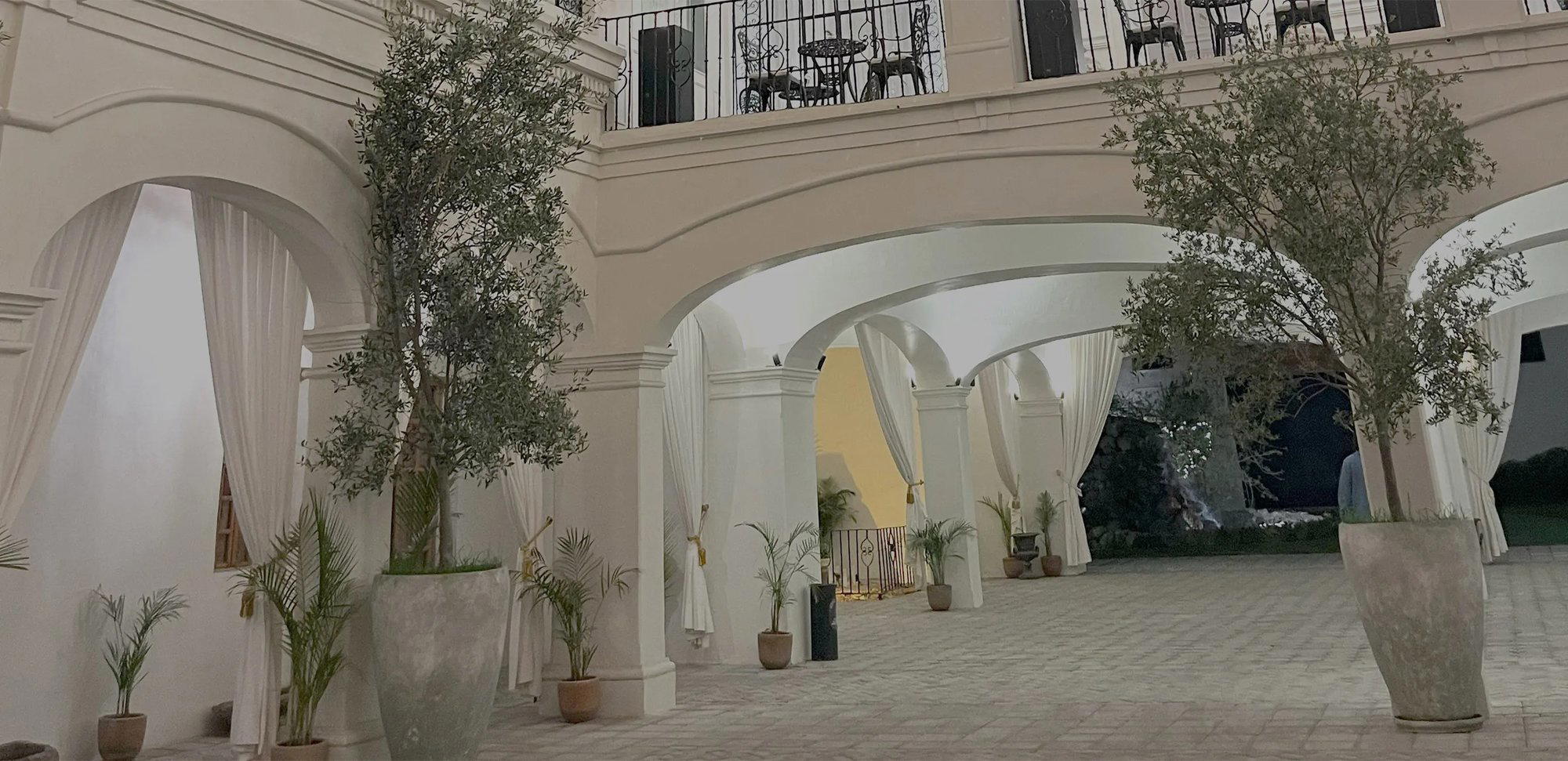
Gracious and relaxed but upscale, with hacienda architecture, art and design details, garden views, and warm lighting that create a classic, romantic atmosphere suited to both families and special occasions.