
Michelin Plate
Our verdict
Casa Bacuuza sits in Puebla's historic center on Avenida 3 Poniente, a street lined with colonial architecture and heritage dining rooms. The venue draws on the city's deep culinary traditions, positioning itself as a quietly serious player in a neighborhood where ingredient sourcing and Poblano technique matter more than press campaigns or celebrity chefs.

Pearl is the En Primeur Club membership app, where members save venues, book tables and use the concierge.
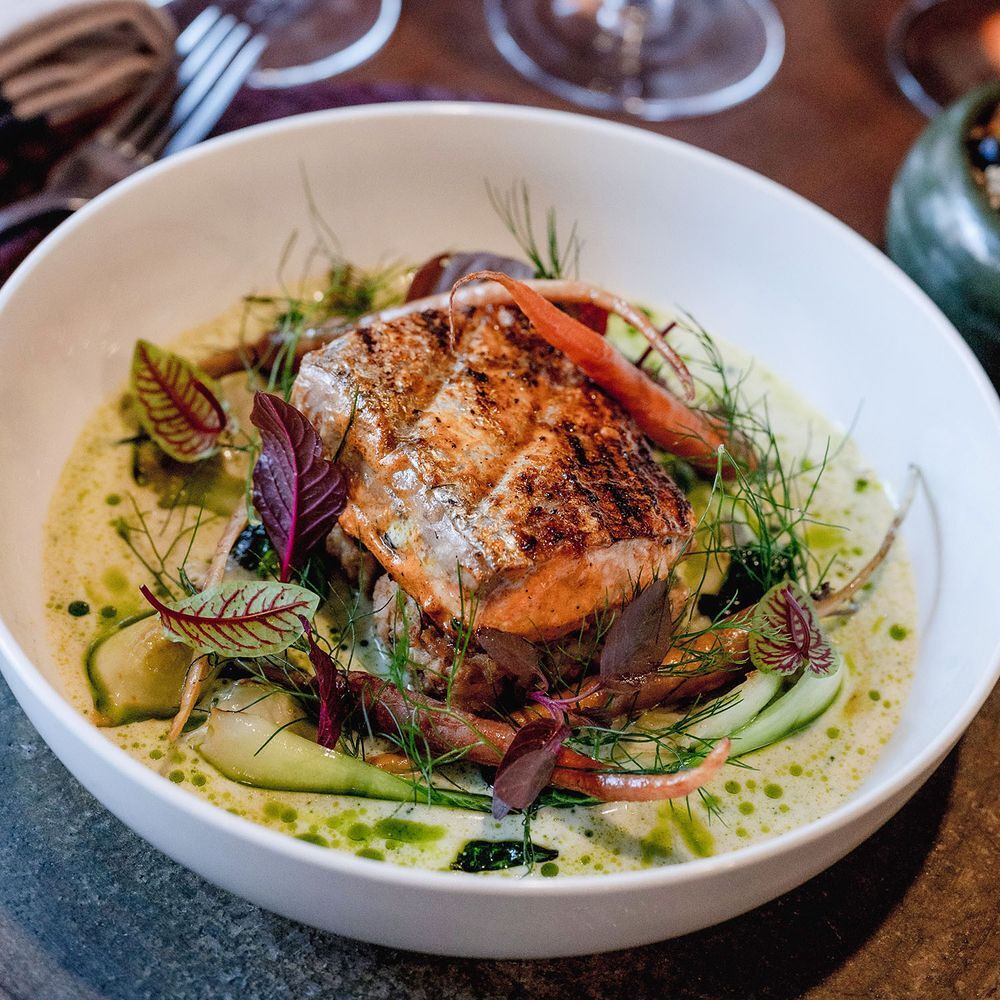
The menu
What to order
- House mole negro
- Huitlacoche risotto
- Pulpo Chintextle
- Tlayudas
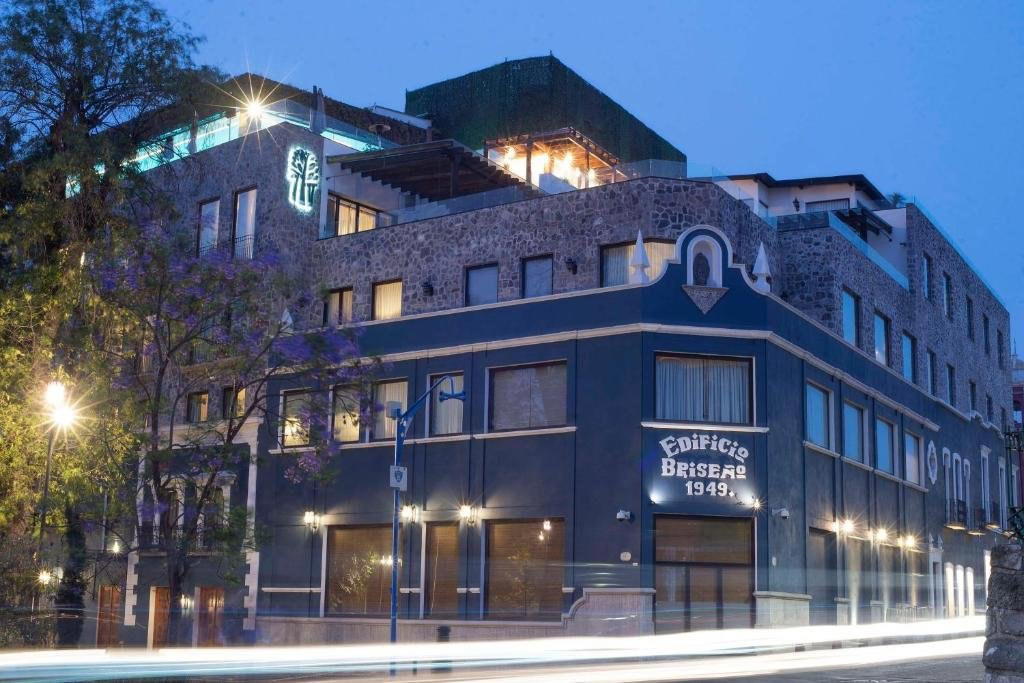
The walk to Casa Bacuuza on Avenida 3 Poniente places you in the oldest commercial core of Puebla, where stone-paved streets meet tiled facades and the culinary identity of the city, mole, chalupas, chiles en nogada, still dictates most menus. The venue occupies a colonial-era building at number 524, in a neighborhood where family-run dining rooms and regional specialists outnumber modern concept restaurants. Puebla's UNESCO-listed centro histórico has resisted the speed of trend-driven openings seen in Mexico City, and Casa Bacuuza fits that slower, more ingredient-focused tradition. If you visit other Poblano addresses like El Mural de los Poblanos or Augurio, you'll notice a shared emphasis on sourcing chiles from specific valleys, working with local maize growers, and executing recipes that predate the modern restaurant format entirely. Casa Bacuuza operates in that continuum, where menu depth depends less on chef celebrity and more on relationships with producers in the surrounding valleys of Atlixco, Cholula, and the Sierra Norte.
Puebla's Ingredient Web and What It Means for the Table
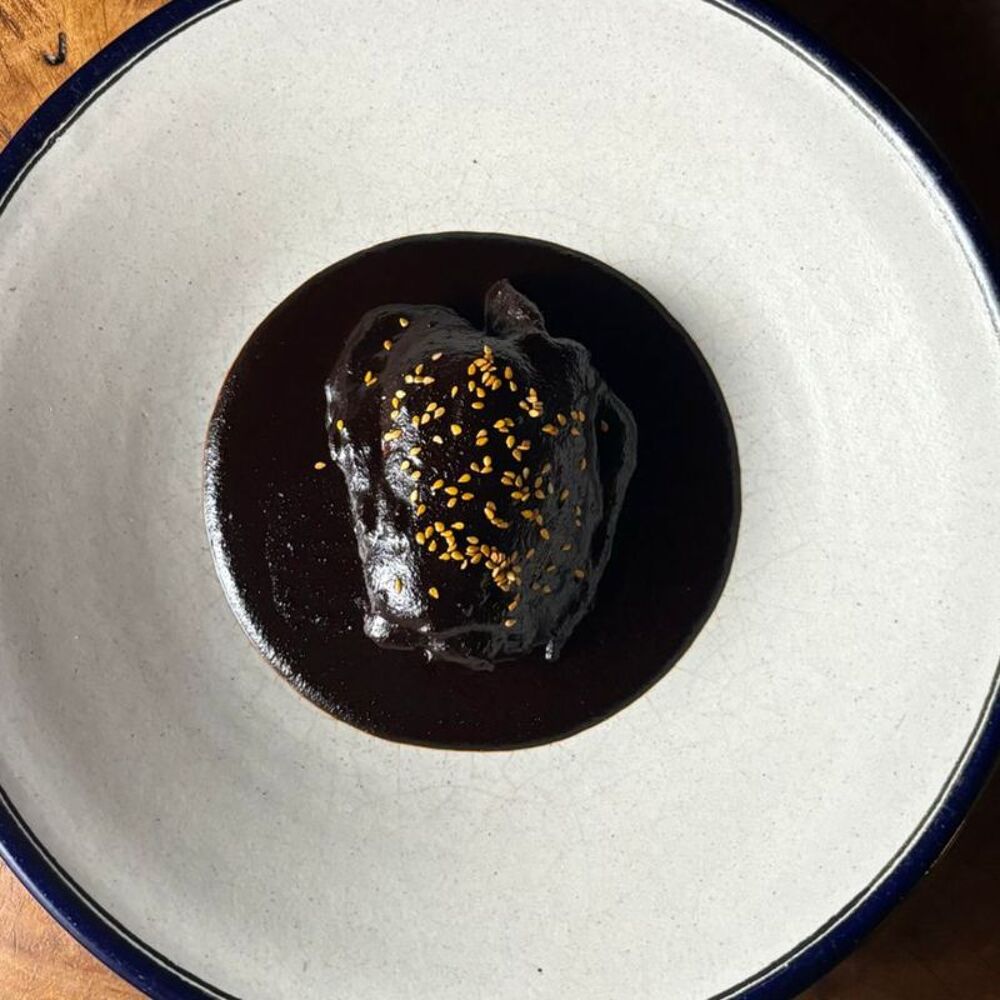
Puebla's culinary distinction rests on access to a narrow set of ingredients that grow only in the region's microclimates: the ancho and mulato chiles that define mole poblano, the white walnuts harvested for chiles en nogada, the pale maize varieties processed into tortillas and chalupas, and the small-batch cheeses from dairies around Chipilo. Casa Bacuuza's menu reflects that supply chain. The cooking here assumes you understand the difference between a chile poblano grown in the valley versus one trucked in from Sinaloa, and the sourcing choices, whether the kitchen works with specific milpas or uses commodity suppliers, determine texture, flavor intensity, and seasonal variation. In Mexico, where ingredient provenance has become a competitive signal at venues like Cultivo in Oaxaca, Puebla's dining rooms have long practiced a quieter version of the same principle. The city's mole recipes, which can require 30 or more ingredients, function as practical audits of sourcing depth. If a kitchen can't secure good mulato chiles or cacao from Tabasco, the dish collapses. Casa Bacuuza's position in the historic center gives it access to the same wholesale networks and small-scale growers that supply older, more established kitchens, and that access shapes what arrives on the plate more directly than chef philosophy or plating aesthetics.
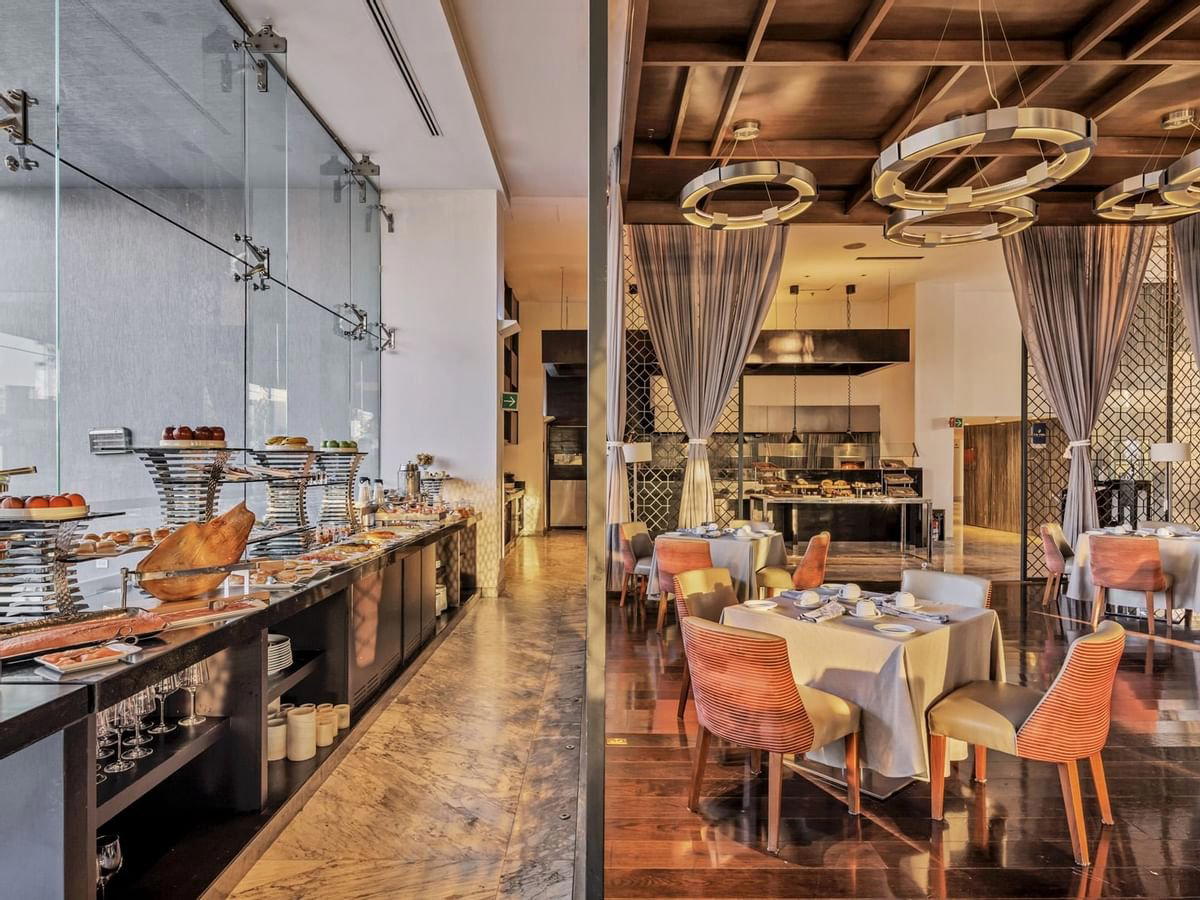
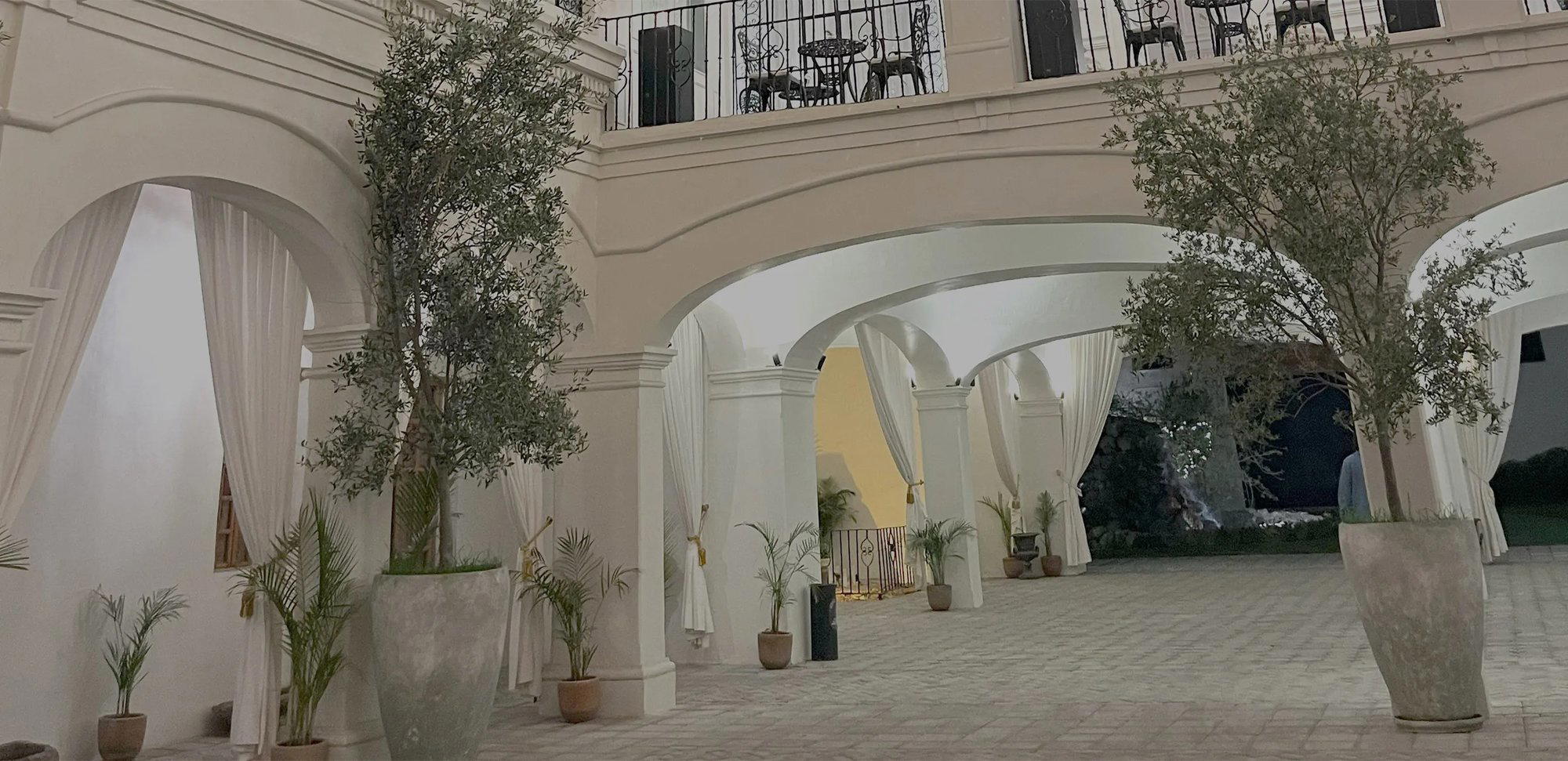
The dining room itself operates without tableside theater or design-forward interiors. The space reads as functional rather than atmospheric, with tile floors, wooden furniture, and minimal intervention in the building's original architecture. Puebla's centro histórico enforces strict preservation codes, so most venues here work within inherited layouts rather than custom-built dining rooms. The result is a category of restaurants that look and feel alike, high ceilings, minimal signage, a certain reserve in service style, and where distinctions emerge only in the kitchen's sourcing discipline and technique. Casa Bacuuza fits that mold. If you're comparing it to Jacinto y Yo or El Güero Marinero, the format differences matter less than the ingredient choices and whether the kitchen executes classic Poblano preparations with precision or shortcuts them with industrial substitutes.
What to Expect in Format and Pacing
Casa Bacuuza operates as a traditional sit-down dining room, not a market stall or antojito counter. Service runs at a pace calibrated to the multi-course meals common in Puebla's centro histórico, where mole and chiles en nogada are built dishes that require time in both kitchen and dining room. Walk-in availability varies by day and season; the historic center sees higher traffic during Cinco de Mayo commemorations in early May and the chiles en nogada season from August through early October, when walnut harvests define half the menus in the city. Outside those windows, the neighborhood operates at a steadier pace, and securing a table becomes more direct. The lack of a listed phone number or website in public records suggests Casa Bacuuza follows a local-first model, where reservations happen by word of mouth or in-person contact rather than online booking platforms. That pattern is common among older Poblano dining rooms that rely on repeat neighborhood clientele rather than tourist volume.
Puebla's dining culture tilts formal. Even casual venues here expect diners to arrive on time, order deliberately, and treat the meal as an event rather than a quick stop. Casa Bacuuza's location near the zócalo and the Catedral de Puebla places it in the city's most transit-dense zone, accessible by foot from most centro histórico hotels and reachable by taxi or rideshare from the bus station or airport within 20 to 30 minutes depending on traffic. If you're planning a broader Puebla itinerary, consult our full Heroica Puebla de Zaragoza restaurants guide for other addresses in the centro and outlying colonias, and review our full Heroica Puebla de Zaragoza hotels guide for stays within walking distance of Avenida 3 Poniente.
For context beyond Puebla, Mexico's ingredient-driven dining rooms now compete on sourcing transparency in ways that echo movements in California and Scandinavia a decade earlier. Venues in Mexico City, Oaxaca, and Baja California publish supplier lists, name farms, and use heritage seed varietals as marketing signals. Puebla's older establishments, including Casa Bacuuza, have practiced versions of that approach for generations without formalizing it into branding. The city's culinary identity remains tied to specific valleys, specific chiles, and specific maize cultivars, and those ingredients still define competitive advantage more reliably than chef pedigree or Instagram reach. If you're interested in how ingredient sourcing shapes dining across Mexico, compare Casa Bacuuza's approach to the listed farms at venues like 4 Fuegos in Riviera Maya or the heritage maize programs at Onigiri Time in Pasadena, which applies similar sourcing discipline to Japanese rice. The principle, that ingredient quality determines outcome more directly than technique, remains consistent across cuisines and geographies.
Puebla's centro histórico also offers bar programs, winery visits in nearby valleys, and cultural experiences tied to the city's Talavera pottery and baroque architecture. Casa Bacuuza anchors a neighborhood rich in layered itineraries, where a single day can combine colonial-era churches, craft workshops, and multi-hour meals in rooms that have operated for decades. The venue reads as a quiet, sourcing-serious option in a city where that approach remains the baseline rather than the exception.
Frequently asked questions
Is Casa Bacuuza suitable for children?
Casa Bacuuza operates as a traditional sit-down dining room near Puebla's historic center, with service paced to multi-course regional meals. The format accommodates families willing to commit to a longer meal built around mole and chile-based dishes, though the lack of a children's menu means younger diners share from the main lineup.
Is Casa Bacuuza better for a quiet night or a lively one?
The dining room on Av. 3 Poniente runs at a measured tempo suited to conversation and sustained attention to regional specialties. Expect the acoustics and table spacing of a traditional Puebla comedor rather than a high-energy taquería or cantina.
What distinctions does Casa Bacuuza have?
Casa Bacuuza has received recognition including: Located near Puebla's historic center, Casa Bacuuza....
How do I find Casa Bacuuza?
Casa Bacuuza is located at Av. 3 Poniente 524, Centro, Heróica Puebla de Zaragoza, Puebla, 72000, MEX, Heroica Puebla de Zaragoza.
Is Casa Bacuuza reservation-only?
Reservation policy details are not currently available for Casa Bacuuza. Given its location near the historic center and traditional sit-down format, contacting the venue in advance is advisable during weekends and holiday periods when demand for regional mole and chile dishes peaks.
What's the standout thing about Casa Bacuuza?
Casa Bacuuza anchors its menu to the ancho and mulato chiles grown in Puebla's microclimates, the same varieties that define the region's mole canon. The kitchen works within that narrow ingredient set, avoiding the fusion shortcuts common in modern Puebla dining and keeping the table tied to what grows within provincial borders.
Fast Comparison
Comparable venues by cuisine and price in the same metro.
| Venue | Cuisine | Price | Awards |
|---|---|---|---|
| Casa BacuuzaThis venue (the venue you are viewing) | Modern Oaxacan Mexican | $20–30 | Michelin Plate |
| Moyuelo | Modern Mexican | $20–30 | Michelin Bib Gourmand |
| Jacinto y Yo | Modern poblano lunch house | $10–20 | Michelin Bib Gourmand |
| El Mural de los Poblanos | Traditional Poblano Mexican | $20–30 | Michelin Plate · La Liste Top Restaurants |
| El Güero Marinero | Casual Mexican seafood bar | $20–30 | Michelin Bib Gourmand |
| Augurio | Modern Italian Fine Dining | Not listed | Michelin Plate |
Recognition history
Dated appearances from independent guides and award organizations, with the underlying list record or original source where available.
Michelin Plate
Michelin
Continue exploring
More in Puebla
Restaurants in Puebla
All restaurants in Puebla →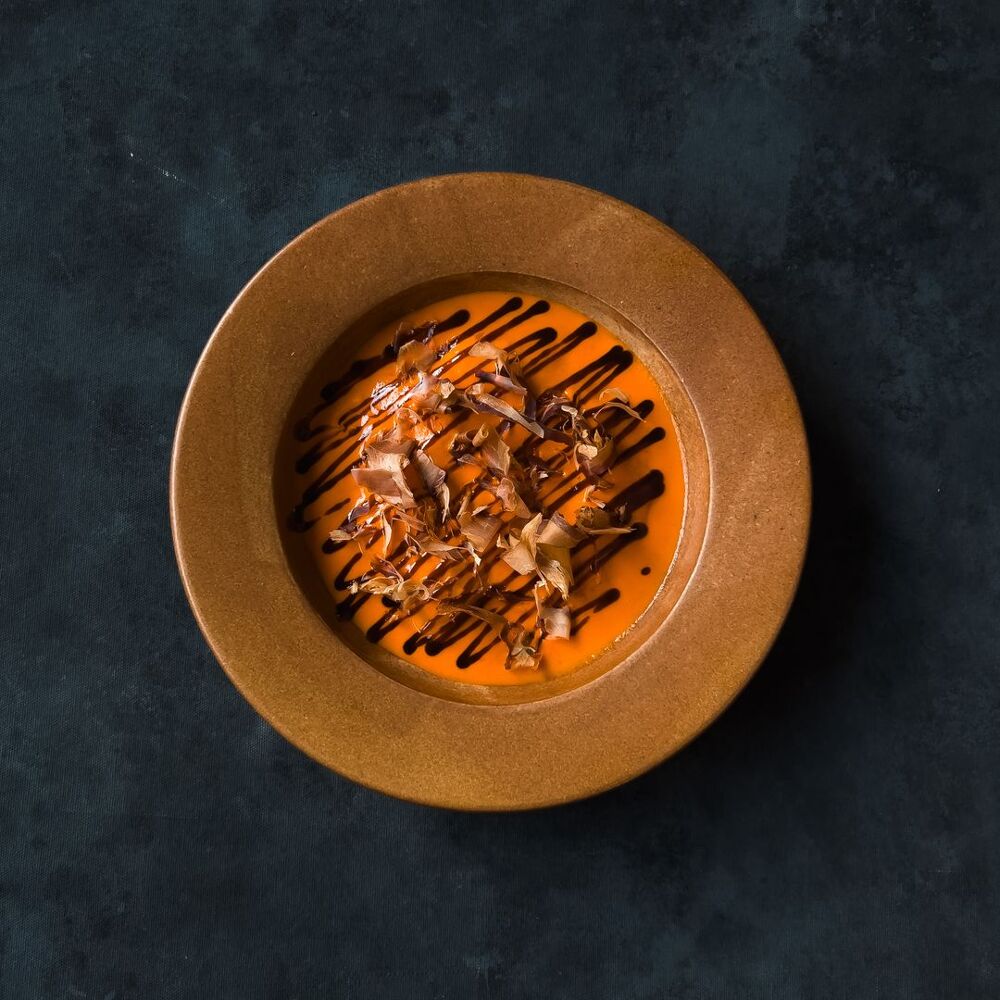
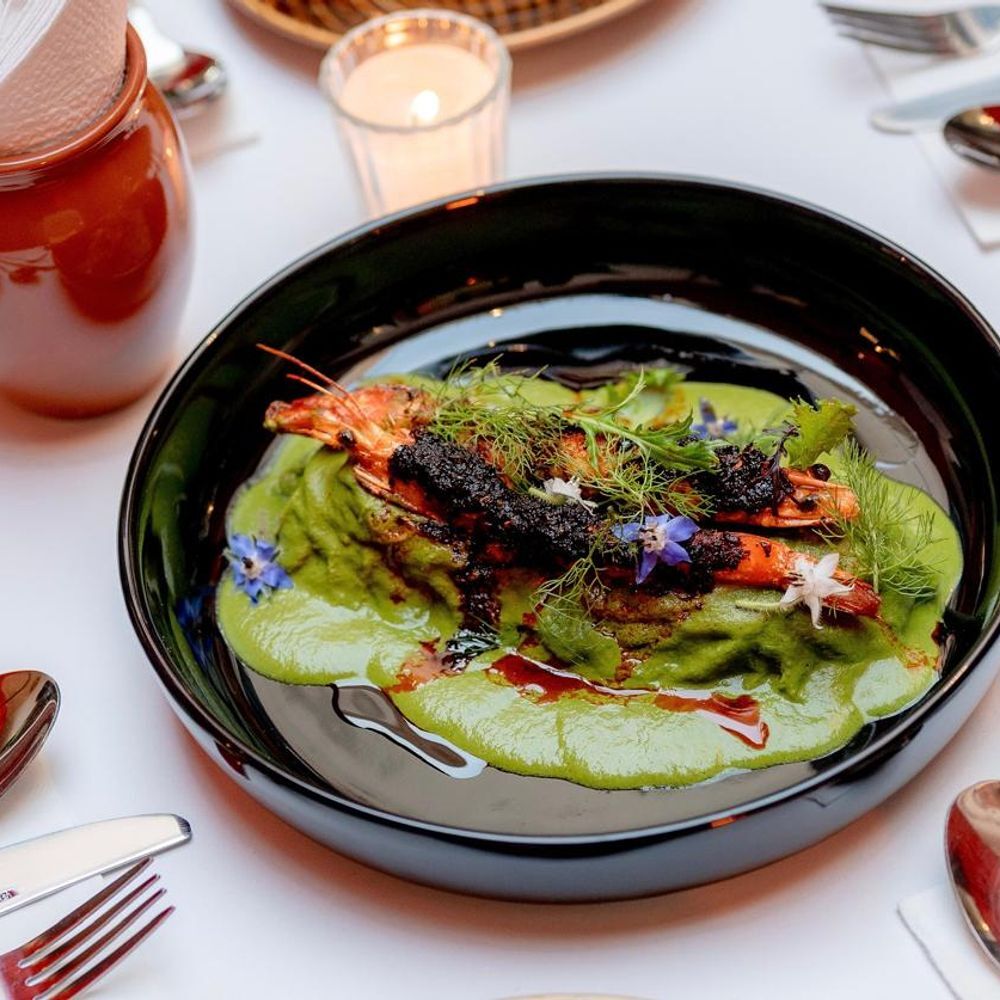
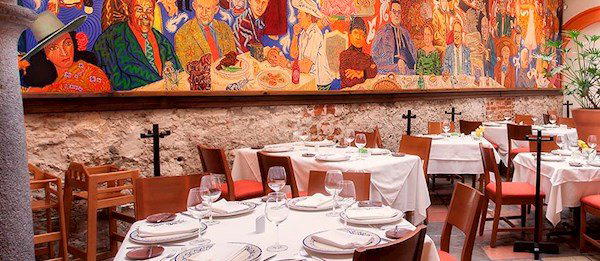
Bars in Puebla
All bars in Puebla →
Details
- Cozy
- Rustic
- Lively
- Date Night
- Family
- Group Dining
- Casual Hangout
- Celebration
- Standalone
- Design Destination
- Craft Cocktails
- A La Carte
- Cocktails
- Beer
- Wine
- Vegetarian Friendly
Simple and homey with tiled floors, plaster walls decorated with woven handicrafts, and shelves of glazed ceramics, creating a warm, casual atmosphere that feels like a relaxed Oaxacan casa in the city center.