
Michelin Bib Gourmand
Our verdict
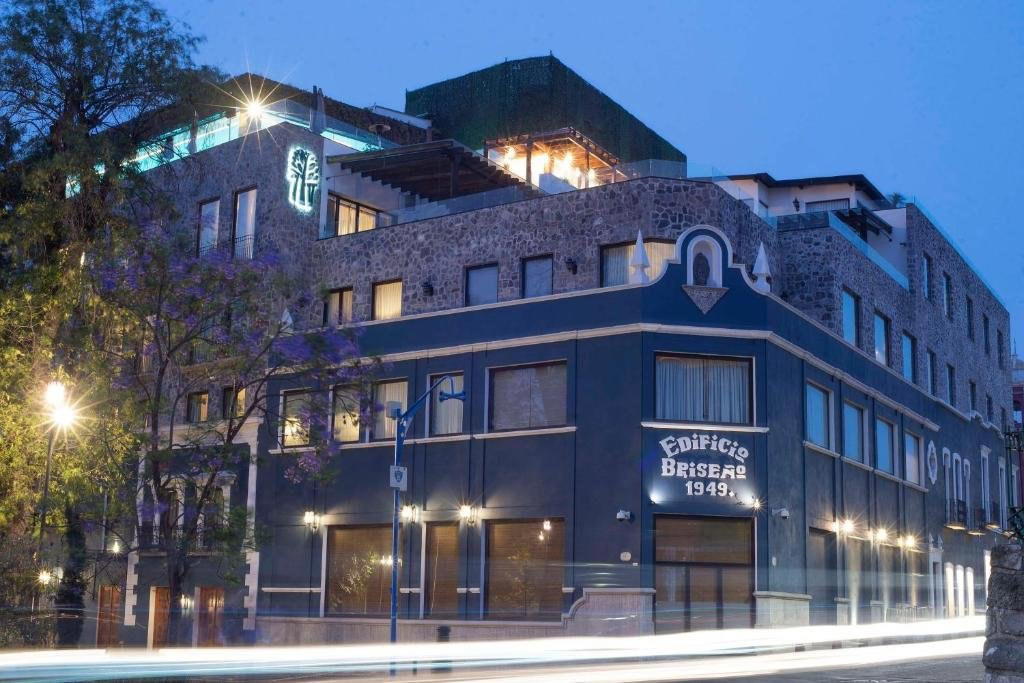
Vica occupies a 16th-century building Atlixco's historic center, where colonial architecture meets contemporary Mexican cooking. The kitchen sources from the Puebla region's farms and markets, translating local ingredients into a menu that reads modern without losing sight of tradition. The dining room balances centuries-old stone and timber with a restrained design that lets the food and setting speak.

Pearl is the En Primeur Club membership app, where members save venues, book tables and use the concierge.
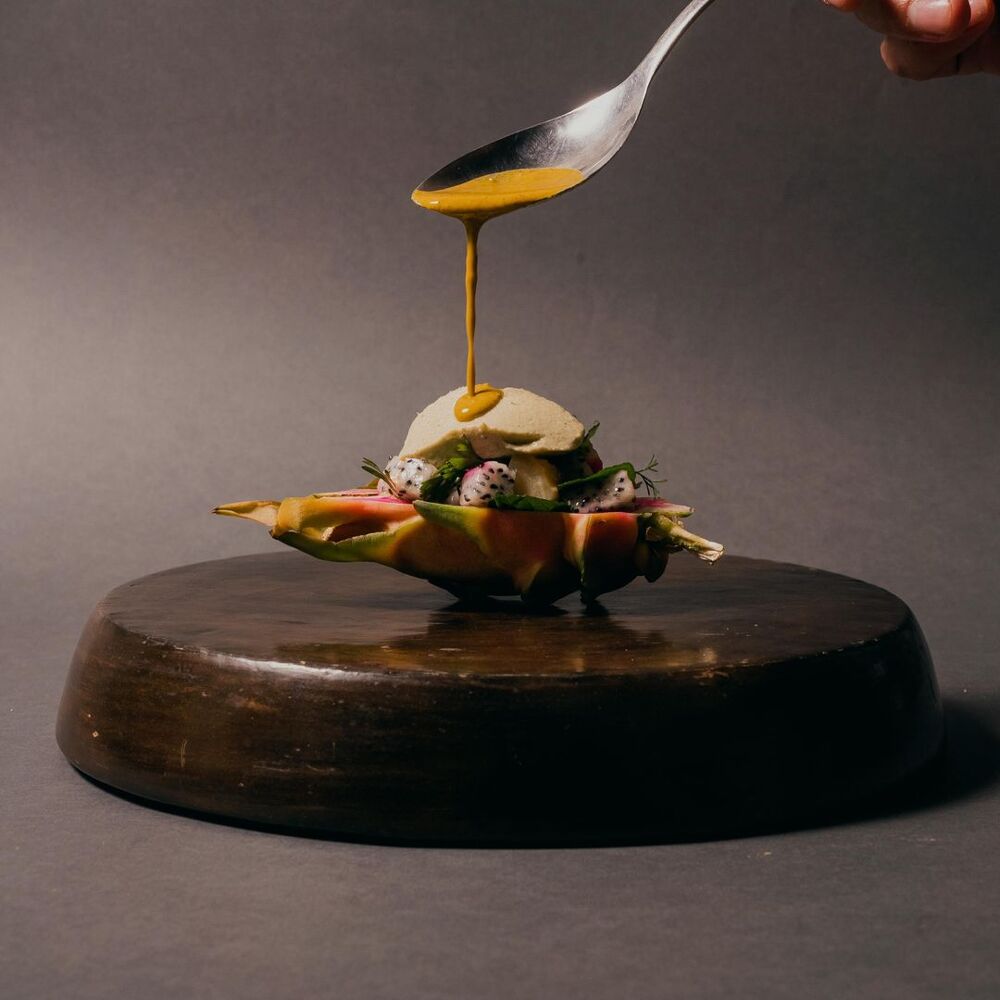
The menu
What to order
- Rabbit tacos
- Beef ceviche
- Duck ravioli
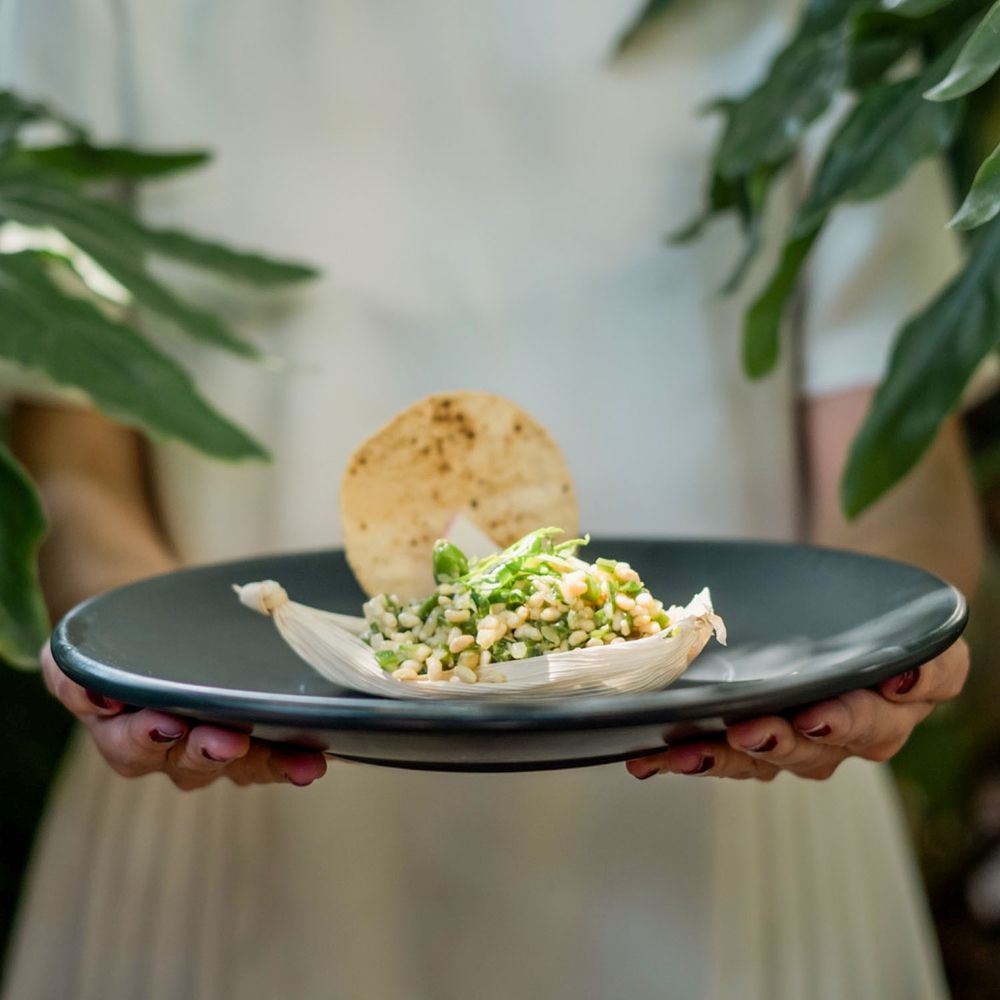
- Red quinoa with lentils
Approach Vica along Calle 2 Oriente and the first thing you register is the building itself, a 16th-century colonial structure, its stone façade weathered by four hundred years of Puebla sunlight. The entrance sits low-key inside Atlixco's Centro Histórico, a neighborhood where Spanish-era courtyards and cobblestone lanes still define the spatial rhythm. Inside, exposed timber beams and thick plaster walls frame a dining room that reads contemporary without erasing the past. Light falls through high windows; tables are set with plain linens and minimal tableware. The architecture does half the work before the kitchen sends out a single plate.
Atlixco has long functioned as a market town for the broader Puebla region, a role that shaped its food culture. The municipio sits in a valley surrounded by agricultural land, corn, chiles, tomatoes, squash, and the culinary default has been ingredient-driven rather than technique-obsessed. Vica operates inside that tradition but with a tighter editorial line. The menu changes seasonally, driven by what moves through the town's tianguis and what arrives from nearby growers. Expect dishes built around heirloom beans, fresh masa, regional chiles, and vegetables pulled from farms within a thirty-kilometer radius. The kitchen doesn't broadcast farm names on the menu, but the sourcing philosophy is visible in the ingredient quality and the restrained treatment: less manipulation, more flavor clarity.
The Menu and Regional Sourcing
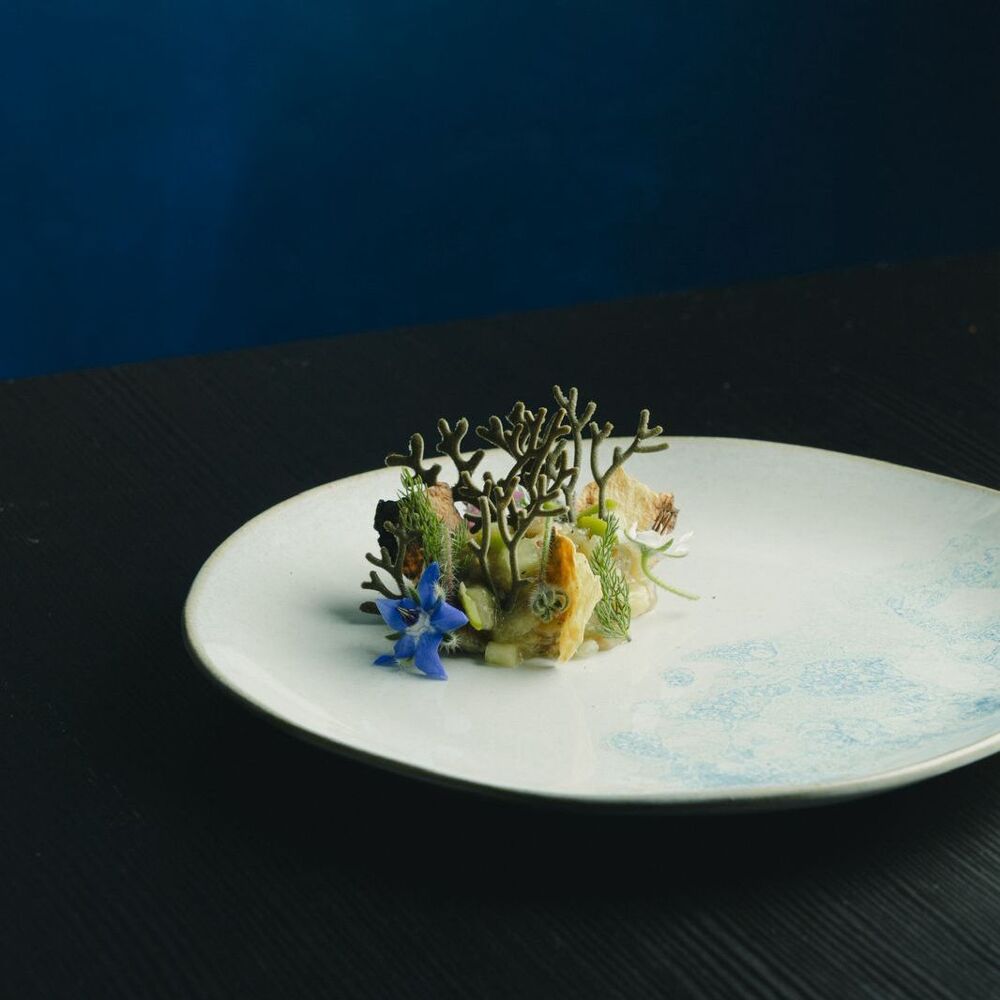
The format is à la carte, with a handful of small plates, mains, and desserts that rotate every few months. A recent iteration included corn cooked three ways, grilled, nixtamalized, and ground fresh for tortillas, each preparation emphasizing a different aspect of the kernel. Proteins lean toward local pork and chicken, prepared simply to let smoke or char add dimension without masking the meat. Vegetable dishes occupy equal real estate on the menu, a choice that reflects both the regional ingredient palette and the kitchen's editorial stance. A charred squash plate, for example, might arrive with a mole made from toasted seeds and dried chiles, the sauce applied sparingly rather than pooled beneath the vegetables.
The wine list is compact, with a dozen bottles that skew Mexican and Spanish. Expect a few natural selections from Valle de Guadalupe and a handful of Spanish reds that can handle the chiles and char without overwhelming lighter dishes. The bar also pours mezcal from small Oaxacan producers, served neat with orange slices and sal de gusano. Cocktails are minimal, two or three options that incorporate seasonal fruit and regional spirits. If you're looking for a full mixology program, Atlixco's bar scene offers alternatives, though the town's beverage culture remains modest compared to Puebla City or Oaxaca.
What the Building and Service Format Signal
16th-century bones matter because they position Vica within a specific tier of Atlixco dining, places that use colonial architecture as both backdrop and credential. The town's restaurant scene splits between casual comedores serving cemitas and tacos árabes, and a smaller group of venues that aim for a longer meal and higher price point. Vica sits in the latter camp, though its pricing remains accessible by Mexico City standards. Mains hover around 250–350 pesos; a full meal with wine lands near 600–800 pesos per person. Service is attentive but not formal, staff explain dishes when asked, refill water without hovering, and generally read the room rather than script the interaction.
Building's layout, a single dining room with an open kitchen view, means the format is transparent. You can watch mise en place, plating, and service flow from your table. That visibility builds trust in a market where ingredient sourcing can be opaque. When the kitchen pulls corn from a basket, nixtamalizes it in-house, and grinds it for tortillas while you wait for your appetizer, the process becomes part of the meal's narrative. It's a format choice that aligns with the broader ingredient-sourcing philosophy and distinguishes Vica from competitors that rely on pre-made masa or imported produce.
For context within the region, Atlixco's restaurant landscape includes a mix of traditional fondas and newer spots attempting contemporary Mexican formats. Vica's, venues like Valiente Kitchen Bar, Barroco, and Mochomos Puebla, operate in nearby Puebla City, where higher foot traffic and deeper capital allow for more ambitious programming. Atlixco itself remains a day-trip destination for Puebla residents, so the dining scene here serves a mix of locals and weekend visitors rather than a sustained tourist economy. That dynamic keeps prices moderate and ambitions grounded.
If you're planning a broader culinary trip through central Mexico, Atlixco pairs well with Adamá in Oaxaca or Acre in San José del Cabo, both of which share the farm-to-table vocabulary but operate in markets with deeper infrastructure and higher price tolerance. Vica's strength is its refusal to overreach: the menu is short, the service unpretentious, and the building does most of the atmospheric heavy lifting. That restraint reads as confidence rather than limitation, a rare quality in a dining scene that often mistakes volume for value.
Atlixco is roughly 30 kilometers southwest of Puebla City, reachable by car in under forty minutes via Highway 190. Public transport options include colectivos from Puebla's CAPU bus terminal, though the schedule can be irregular. The town itself is walkable, with Vica located a short stroll from the main plaza. For those staying overnight, Atlixco's hotel options include a handful of colonial-era conversions and budget-friendly posadas. The town's primary draw remains its Saturday flower market and its reputation as a weekend escape for Puebla residents, so expect higher foot traffic and fuller restaurants on Saturdays.
Frequently asked questions
Is Vica okay with children?
The 16th-century building at C. 2 Ote. #7 and the à la carte format make Vica workable for older children comfortable at a slower-paced table. The colonial interior and rotating menu lean toward adult conversation, but the format does not exclude families outright.
What should I expect atmosphere-wise at Vica?
You are dining inside a 16th-century structure in Atlixco's Centro Histórico, so expect original beams, exposed stone, and architectural weight. The à la carte service and rotating menu signal a contemporary kitchen working within historical walls, rather than a museum restoration or high-volume operation.
What kind of recognition has Vica received?
Vica has received recognition including: Vica could stand on its charm alone. Nestled within a 16th-century building in....
Where is Vica located?
Vica is located at C. 2 Ote. #7, Centro Histórico, Atlixco, Puebla, 74200, MEX, Atlixco.
Comparison Snapshot
Comparable venues by cuisine and price in the same metro.
| Venue | Cuisine | Price | Awards |
|---|---|---|---|
| VicaThis venue (the venue you are viewing) | Contemporary Mexican with local valley ingredients | $30–50 | Michelin Bib Gourmand |
Recognition history
Dated appearances from independent guides and award organizations, with the underlying list record or original source where available.
Michelin Bib Gourmand
Michelin
Continue exploring
More in Atlixco
Restaurants in Atlixco
All restaurants in Atlixco →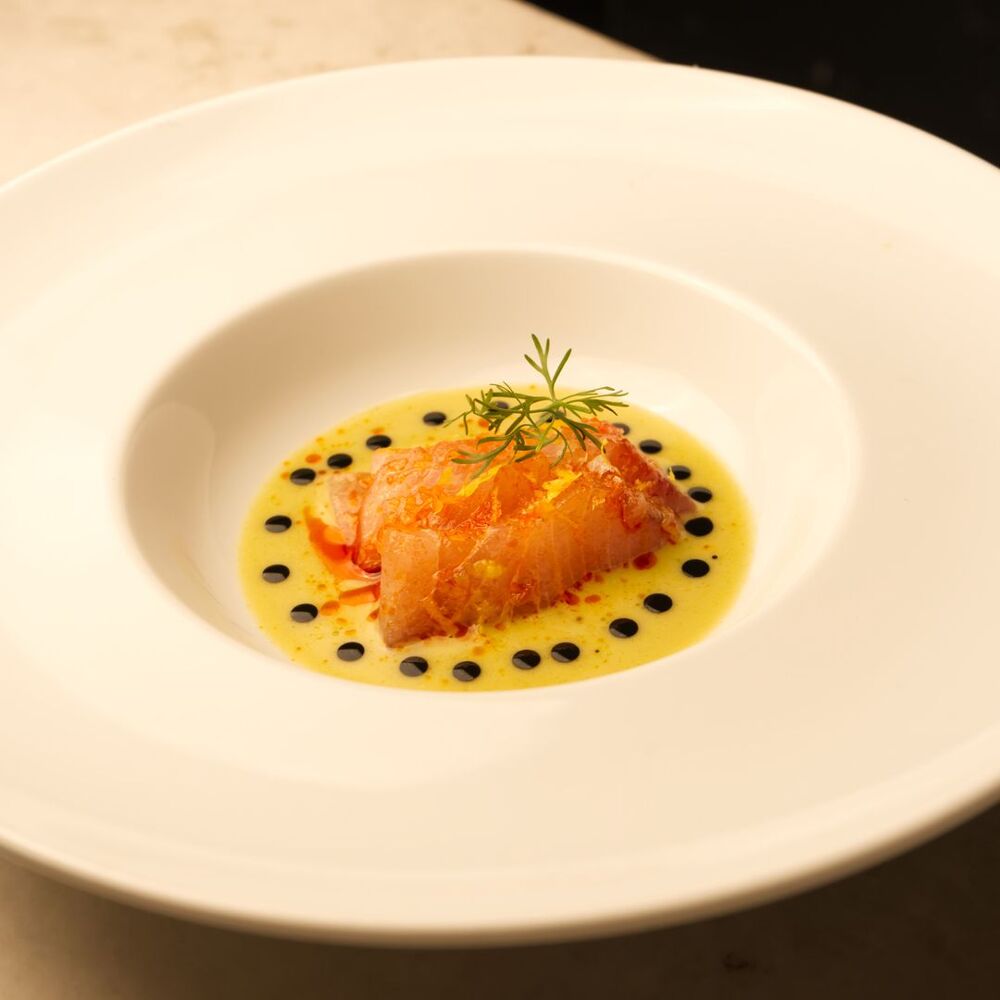
Bars in Atlixco
Browse all →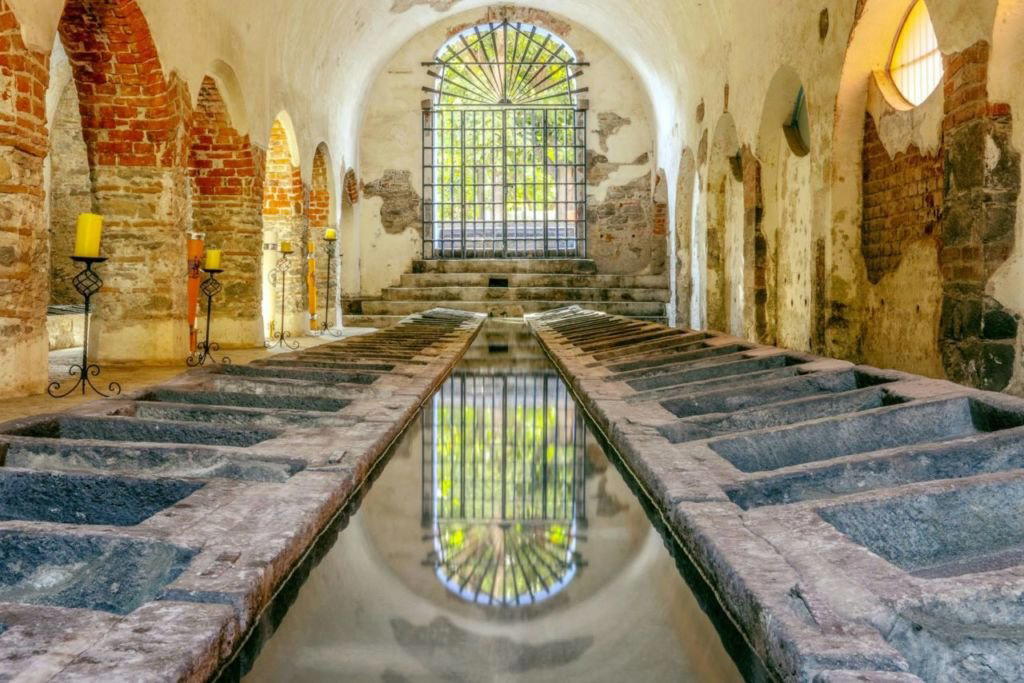

Details
- Elegant
- Cozy
- Romantic
- Rustic
- Date Night
- Special Occasion
- Celebration
- Business Dinner
- Group Dining
- Standalone
- Design Destination
- Craft Cocktails
- Extensive Wine List
- Local Sourcing
- Tasting Menu
- A La Carte
- Wine
- Cocktails
- Vegetarian Friendly
- Vegan Options
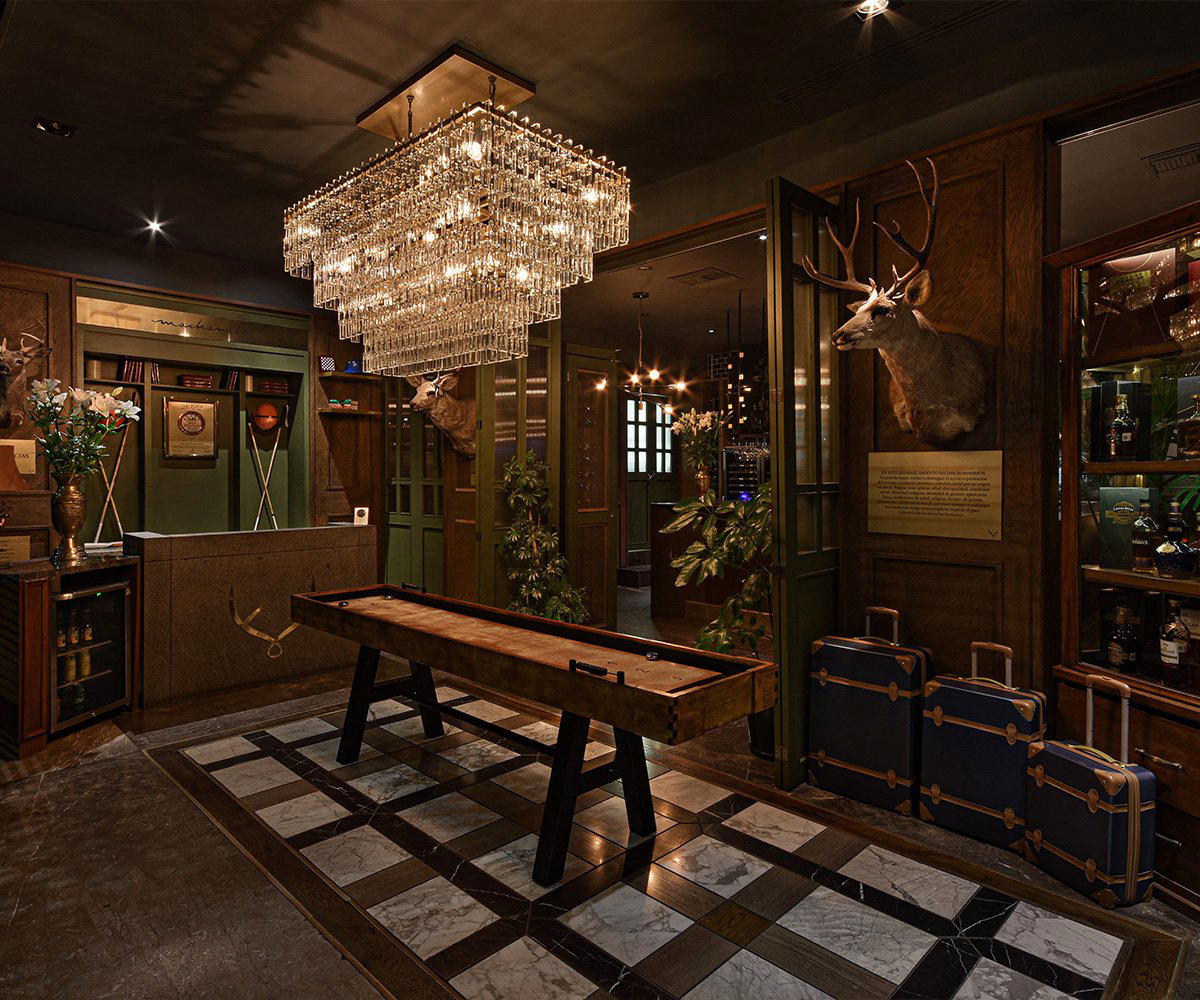
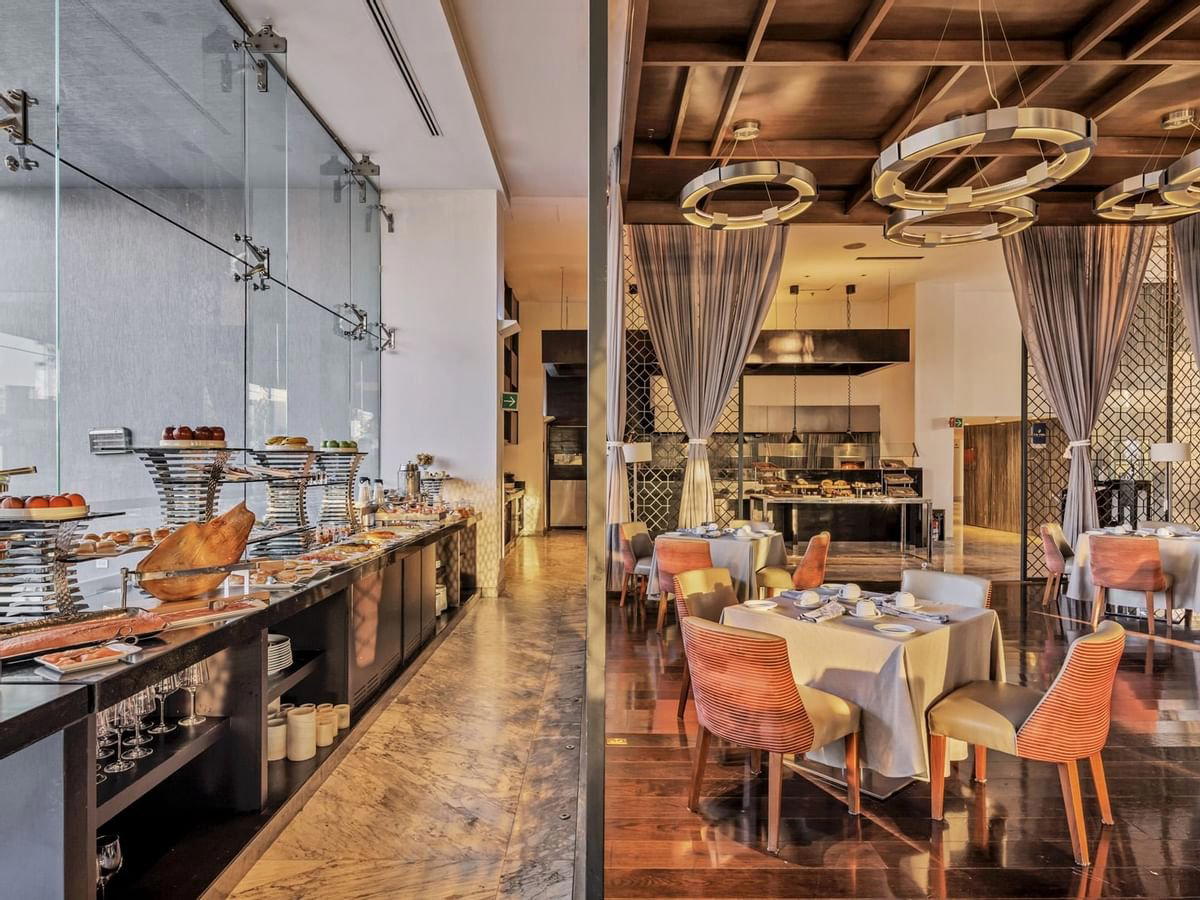
An intimate, softly lit dining room with understated rustic-elegant décor where attentive but relaxed service and a calm, conversation-friendly atmosphere frame a tasting-style dining experience.