Restaurant Le Diamant

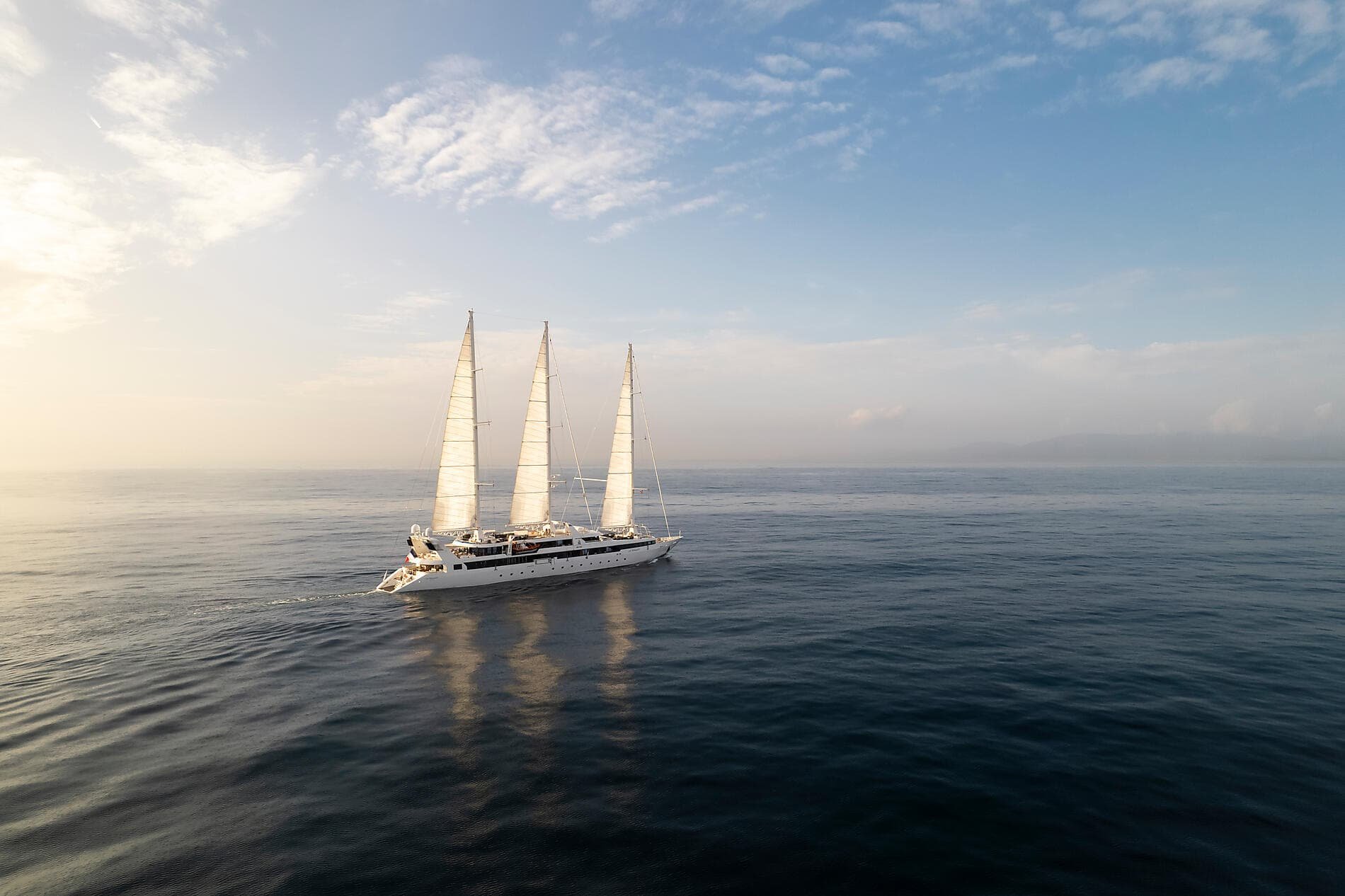
Restaurant Le Diamant belongs to the dining rhythm of Le Ponant in Mindelo, where the meal is tied to Cape Verdean waters as much as to French shipboard service. Lunch runs as a buffet, dinner moves into a gourmet-menu format, and the room’s panoramic setting makes sourcing and destination-led cooking the central point rather than ceremony for its own sake.
Pearl is the En Primeur Club membership app — saves, bookings, and concierge access live there. Same editors, same standards.
- Address
- Boarding and disembarkation at:
- Phone
- +33 (0)4 91 36 41 65
- Directions
- Get directions
 Saves & bookings on Pearl
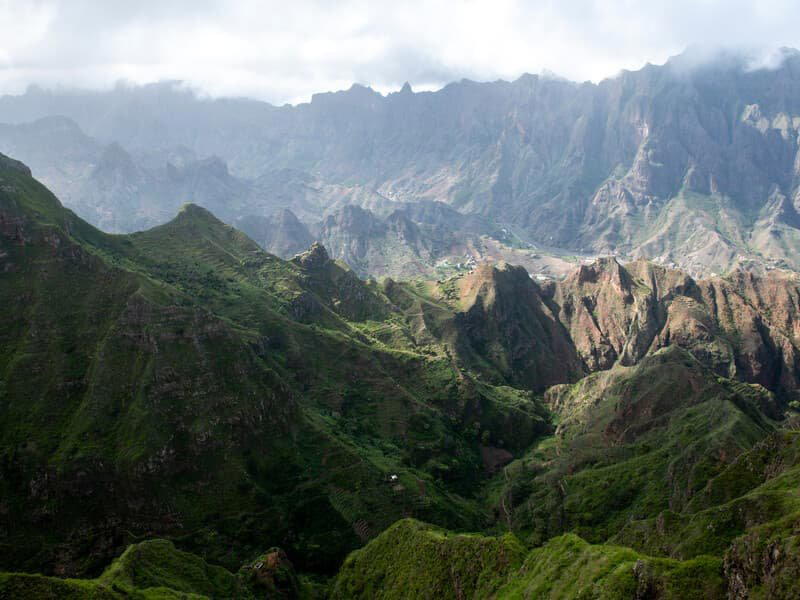
Approaching a dining room at sea changes expectations before the first plate. Mindelo’s harbor light, the Atlantic’s movement, and São Vicente’s volcanic coastline give Restaurant Le Diamant a context land-based restaurants cannot copy. The point is not only the view; a shipboard table turns each port into part of the meal. On Le Ponant, the restaurant’s brief is a permanent invitation to discover flavors and produce prepared in harmony with every destination visited, placing sourcing at the center of the experience rather than using it as decoration.
That matters in Cape Verde. The archipelago’s food culture is shaped by scarcity, ocean access, trade routes, and Portuguese and West African influence, so luxury dining here must do more than import a generic French template. The stronger reading is hybrid: French culinary structure applied to produce and flavors encountered along the route. Lunch is served as a buffet, while dinner becomes a gourmet menu in the panoramic dining room. The split is practical at sea and reveals the rhythm of travel dining: daytime meals need range and ease; evening meals can slow down and frame the destination deliberately.
Destination-led cooking, filtered through a French galley
Ingredient sourcing is the useful lens for judging this restaurant. A cruise dining room carries a larger logistical burden than a fixed restaurant: provisioning, storage, menu planning, and service consistency must work across changing ports. Restaurant Le Diamant’s promise of fresh, creative cuisine devised by a French chef is therefore less a chef story than an operating model. The kitchen must translate each destination into a menu without losing the polish expected from a French-led dining room.
In Mindelo, that creates a different category from the city’s conventional restaurant circuit. A land-based Cape Verdean meal can lean on locality through habit, supplier relationships, and repetition. A shipboard restaurant has to make locality mobile. That distinction separates Le Diamant from nearby choices such as Le Ponant - Cape Verde, where Cape Verdean framing is explicit, or Bayview, which sits in the broader global and international category. The choice is not simply between cuisines; it is between a port-city restaurant and a dining room built around movement.
The buffet-at-lunch and gourmet-menu-at-dinner structure gives the experience its clearest editorial logic. Buffets fail when they become hotel shorthand for abundance without identity. Here, the format suits daytime service on a sailing itinerary, where guests return from excursions at different tempos and need breadth rather than a fixed procession. Dinner is when the French-chef framework can narrow focus. The useful question is not whether the menu is theatrical, but whether it makes the destination legible through produce, preparation, and sequence.
The panoramic room makes the port part of the plate
Shipboard restaurants often overplay romance and underplay context. The stronger ones use the room as a frame. A panoramic dining room off Mindelo gives diners a live relationship with place: harbor, sea state, coastline, and light sit inside the meal’s field of vision. That setting is a trust signal of format, not an award. It confirms this is tied to Le Ponant’s cruise experience, with the meal integrated into the route rather than operating as a standalone city address.
Mindelo’s appeal for travelers extends beyond restaurants. It is a port city with music, maritime movement, and a different pace from beach-first Cape Verde itineraries. Readers comparing the city’s hospitality layers should treat Le Diamant as part of a wider planning decision, alongside the full Mindelo restaurants guide, the Mindelo hotels guide, the Mindelo bars guide, the Mindelo wineries guide, and the Mindelo experiences guide. The restaurant is not a casual add-on for a night out in town; it belongs to the cruise format, with boarding and disembarkation defining access.
That access point is central. A table here is connected to Le Ponant rather than to a normal city reservation pattern, so the planning logic differs from walking into a Mindelo dining room. Judge the meal as part of the cruise’s hospitality architecture: destination-led produce, French kitchen discipline, and a dining room that turns geography into service.
How to place it against Mindelo and beyond
For Cape Verde itineraries, Le Diamant sits in a narrow lane: refined shipboard dining with destination-sensitive sourcing. It is not trying to be a Cape Verdean tavern, beach restaurant, or urban tasting counter. That clarity helps. Lunch favors flexibility; dinner carries the kitchen’s more composed expression. In a city where many meals are judged by immediacy, grill smoke, music nearby, or harbor mood, this is calmer, more structured, and more dependent on the cruise’s broader route.
The wider EP Club map is useful when comparing formats rather than pretending every restaurant answers the same question. A destination-led cruise dining room in Mindelo has little in common with Vietnamese Restaurant in Santa Maria, Jōdo Saké Bar in Los Angeles, Onigiri Time in Pasadena, -Grilled beef Sukiyaki- KAMAKURA TANUKIAN 鎌倉 たぬき庵 in Kamakura, ¡Salud! in Los Angeles, ¡Toma! in Liège, ¿CóMO? Taperia in Vancouver, ¿Por Qué No? in Portland. 鮪と炭火焼き うお炭 秋葉原店 in Tokyo.... Et la Fourmi in Nantes, or.cafe in Osaka. The comparison works because the categories differ. Le Diamant is about cuisine that travels with the route, not a fixed neighborhood kitchen defending one local identity.
The verdict is clear: Restaurant Le Diamant is for travelers who want the meal to read the coastline, not merely accompany it. Its strongest signals are format-based: Le Ponant’s shipboard setting, a panoramic dining room, lunch buffet service, dinner in gourmet-menu form, and a French chef translating destinations through produce. For Mindelo, that makes it less a restaurant stop than a controlled dining lens on Cape Verde’s Atlantic position.
How It Stacks Up
Comparable venues by cuisine and price in the same metro.
| Venue | Cuisine | Price | Notes |
|---|---|---|---|
| Restaurant Le DiamantThis venue — the venue you are viewing | French Fine Dining | $$$$ | Not listed |
| Le Ponant - Cape Verde | French Fine Dining | $$$$ | Mindelo |
| Bayview | International with Cape Verdean influences | $$$ | Avenida Marginal |
Recognition history
Dated appearances from independent guides and award organizations, with the underlying list record or original source where available.
Relais Chateaux Award
Relais Chateaux
At a Glance
- Elegant
- Sophisticated
- Intimate
- Scenic
- Date Night
- Celebration
- Special Occasion
- Business Dinner
- Waterfront
- Panoramic View
- Hotel Restaurant
- Extensive Wine List
- Sommelier Led
- Local Sourcing
- Organic
- Waterfront
Elegant and intimate with a panoramic, sea-facing atmosphere and a refined luxury-cruise feel.