Restaurace PERK
Restaurace PERK sits on 17. listopadu in central Šumperk, a regional city in northern Moravia where restaurant choices are shaped by local agricultural rhythms rather than metropolitan trends. The dining scene here rewards those willing to look beyond Prague's well-mapped circuits, and PERK occupies a place in that quieter, more grounded part of the Czech Republic's eating culture. For context on the wider Šumperk offering, see our full city guide.
Pearl is the En Primeur Club membership app — saves, bookings, and concierge access live there. Same editors, same standards.
- Address
- 17. listopadu 413/1, 787 01 Šumperk 1, Czechia
- Phone
- +420731658581
- Website
- hotelperk.cz
- Directions
- Get directions
 Saves & bookings on Pearl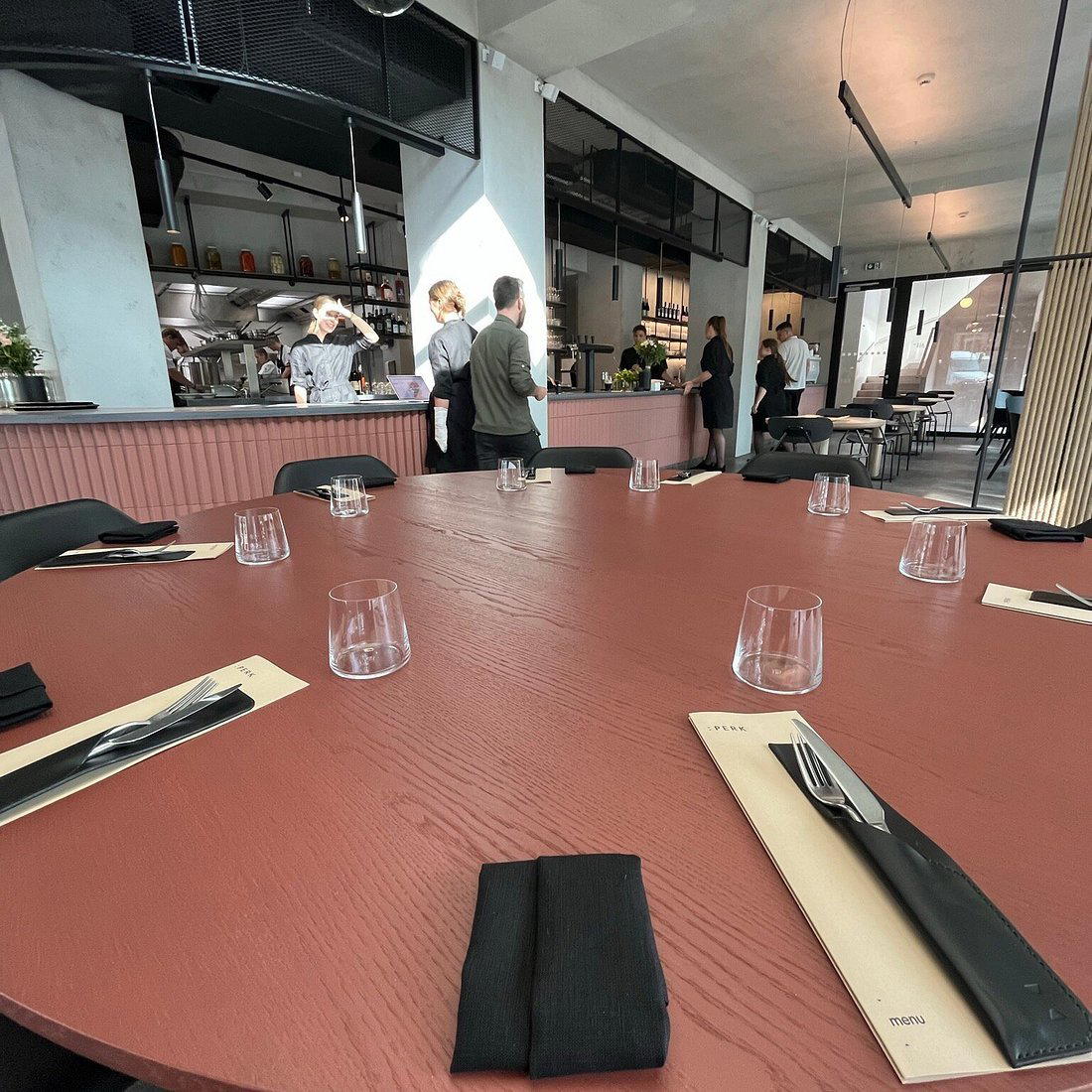
Dining in a Regional Czech City: What Šumperk's Scene Tells You
Northern Moravia's restaurant culture operates on a different clock from Prague. In cities like Šumperk, where the Jeseníky mountains frame the skyline and agricultural supply chains run shorter than anything you'd find in the capital, restaurants tend to draw from a more immediate larder. That proximity to source is not a marketing choice, it is structural. Farms, game suppliers, and seasonal foragers sit within the radius that a regional kitchen can realistically work with, and the menus that result reflect that constraint in ways that menus built on nationwide distribution networks simply cannot. Restaurace PERK is a restaurant in Šumperk, Czechia, serving modern Central European cuisine at an approximate price point of $25 per person.
The contrast with the Czech capital is instructive. At La Degustation Bohême Bourgeoise in Prague, the kitchen operates within a framework of historical Czech recipe research and fine-dining discipline, treating sourcing as a rigorous curatorial project. Regional restaurants like those in Šumperk occupy a different register: less architecturally constructed, more contingent on what arrived from the surrounding countryside that week. Neither is a lesser form of cooking, they answer different questions about what Czech food can be.
The Address and What It Signals
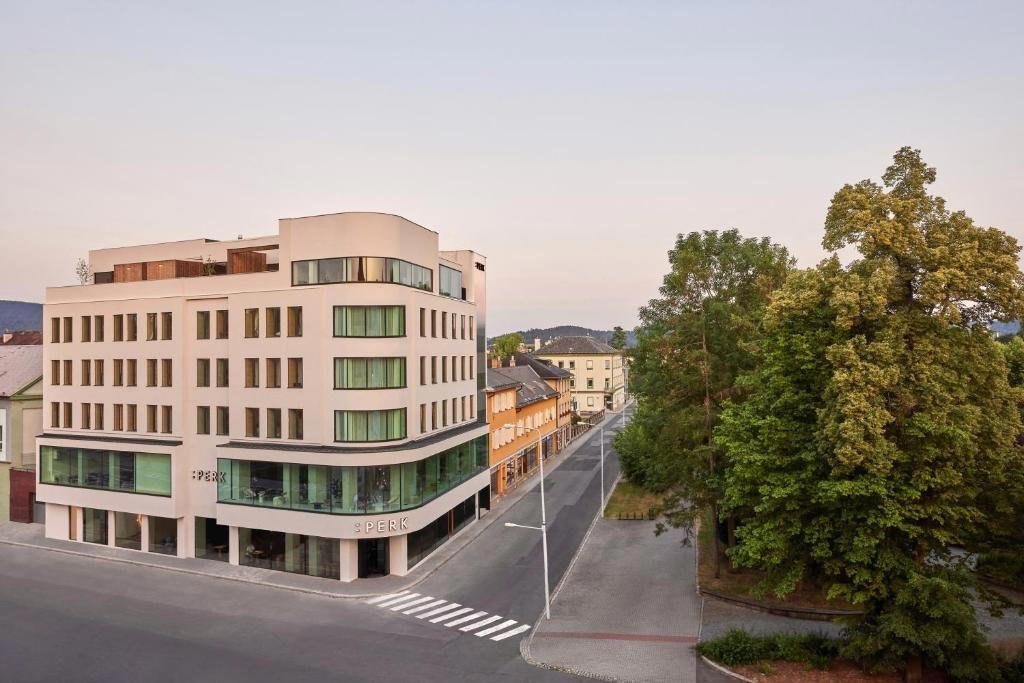
Restaurace PERK is located at 17. listopadu 413/1 in Šumperk's central district. The street runs through a part of the city that functions as everyday civic infrastructure rather than a hospitality quarter designed for visitors, which tells you something about the audience this restaurant primarily serves. Šumperk has a population of roughly 25,000 and functions as an administrative and commercial centre for the surrounding Olomouc Region. A restaurant placed here is, by default, a local institution before it is anything else, and the habits of local custom shape it more directly than any editorial attention from outside the region.
That kind of grounding matters when you are thinking about ingredient sourcing. In a city this size, with farming and forestry communities within easy reach, a kitchen has access to game, dairy, and seasonal produce that would require significant effort and expense to source in a larger metropolitan context. The Jeseníky foothills produce wild mushrooms, berries, and herbs across spring and autumn seasons. Moravian pork traditions, particularly the dry-cured and smoked preparations associated with the region, remain closer to living practice here than they do in cities where those traditions survive mainly as heritage gestures on tasting menus.
Czech Regional Cooking and the Sourcing Question
Across the Czech Republic, the conversation about where restaurant food comes from has shifted over the past decade. In Brno, kitchens like BRATRS have built programs that foreground local producers explicitly, treating provenance as editorial content as much as culinary philosophy. In smaller cities, the same sourcing relationships often exist but without the accompanying narrative, the butcher, the dairy, and the mushroom supplier are simply part of how the kitchen works, not a story told on the menu. That distinction reflects a genuine cultural difference between restaurant cultures shaped by metropolitan food media and those that predate it.
Regional Moravian cooking leans on fermented cabbage, root vegetables, freshwater fish from local rivers, and cuts of pork that have been preserved, smoked, or braised rather than simply grilled. Game, where it appears, tends toward venison and wild boar rather than the more expensive preparations associated with fine-dining contexts. These are not simple preparations, the technique involved in a properly braised knuckle or a well-seasoned svíčková reflects years of kitchen knowledge, but they are techniques calibrated to different expectations of occasion and price.
For comparison, consider how regional dining works in other parts of the Czech Republic. In Liberec, Bylo, nebylo operates within a similar regional framework, and in Havirov, Restaurace Dr. Grill represents a different register of regional Czech hospitality. The pattern across these cities suggests that the Czech dining economy outside Prague and Brno is more unified by its relationship to local supply than by any shared aesthetic or format.
Placing PERK in the Regional comparable set
Perk Restaurant sits in the modern Central European lane, with a recommended reservation policy and a price tier around $25 per person. What the address and city context suggest is a restaurant embedded in Šumperk's local dining culture, serving a community where eating out retains a practical as well as social function. The comparison set is not Prague's destination-dining circuit, venues like Emperor Square in Prague 1 or the Korean-inflected precision of Atomix in New York City sit in a different competitive universe entirely. The more relevant reference points are other honest regional Czech restaurants where the sourcing advantage of proximity to agricultural production is real, even when it goes unannounced.
Across Moravia, wine culture adds another dimension to how regional restaurants construct their identity. Moravian wine from appellations to the south, represented by producers like Vinařství Gurdau in Kurdejov, increasingly appears on regional lists as a deliberate sourcing choice rather than a default. Whether PERK's wine selection reflects that regional preference is not on record, but the trend in northern Moravian restaurants is toward increasing Moravian representation on wine lists, particularly in the Welschriesling and Müller-Thurgau whites that pair naturally with the pork and freshwater fish preparations common to the region.
Getting There and Planning Your Visit
Šumperk is accessible by rail from Olomouc, with connections running regularly through the day, the journey takes approximately 45 minutes and places you in a city that, beyond its restaurant scene, offers access to the Jeseníky mountain trails and the Zábřeh forest landscape. The central location of 17. listopadu means Restaurace PERK is walkable from the main rail station. For visitors coming from further afield, Šumperk sits within a broader Moravian itinerary that might include Olomouc's dining scene, the wine villages of southern Moravia, and addresses like Cattaleya in Čeladná or Bohém in Litomyšl to the west. Reservations are recommended before a dedicated visit.
How It Stacks Up
Comparable venues nearby, for context on price, style, and recognition.
| Venue | Cuisine | Price | Awards | Notes |
|---|---|---|---|---|
| Restaurace PERKThis venue — the venue you are viewing | Modern Central European | $$ | Not listed | Not listed |
| Perk Restaurant | Modern Central European with Seasonal Wallachian Influences | $$ | Bib Gourmand | Šumperk |
| Pils 'n' Grill | Czech and International Grill | $$ | Not listed | city center |
| Emperor Square | Asian Fusion & Sushi | $$ | Not listed | Nové Město |
| Restaurace Dr. Grill | American Grill & Burgers | $$ | Not listed | Město |
| Koza zůstala celá | Vegetarian Czech Buffet | $$ | Not listed | Skalka |
At a Glance
- Modern
- Lively
- Trendy
- Dinner
- Lunch
- Open Kitchen
- Local Sourcing
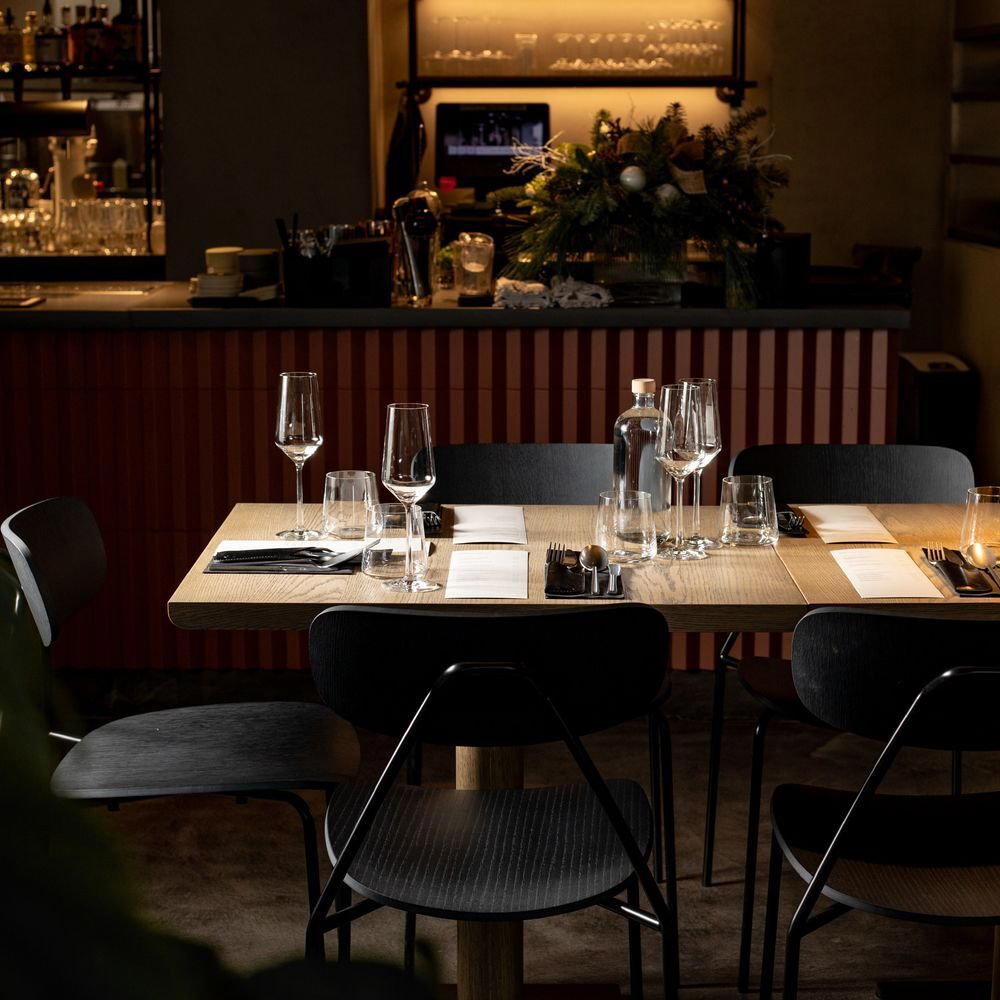
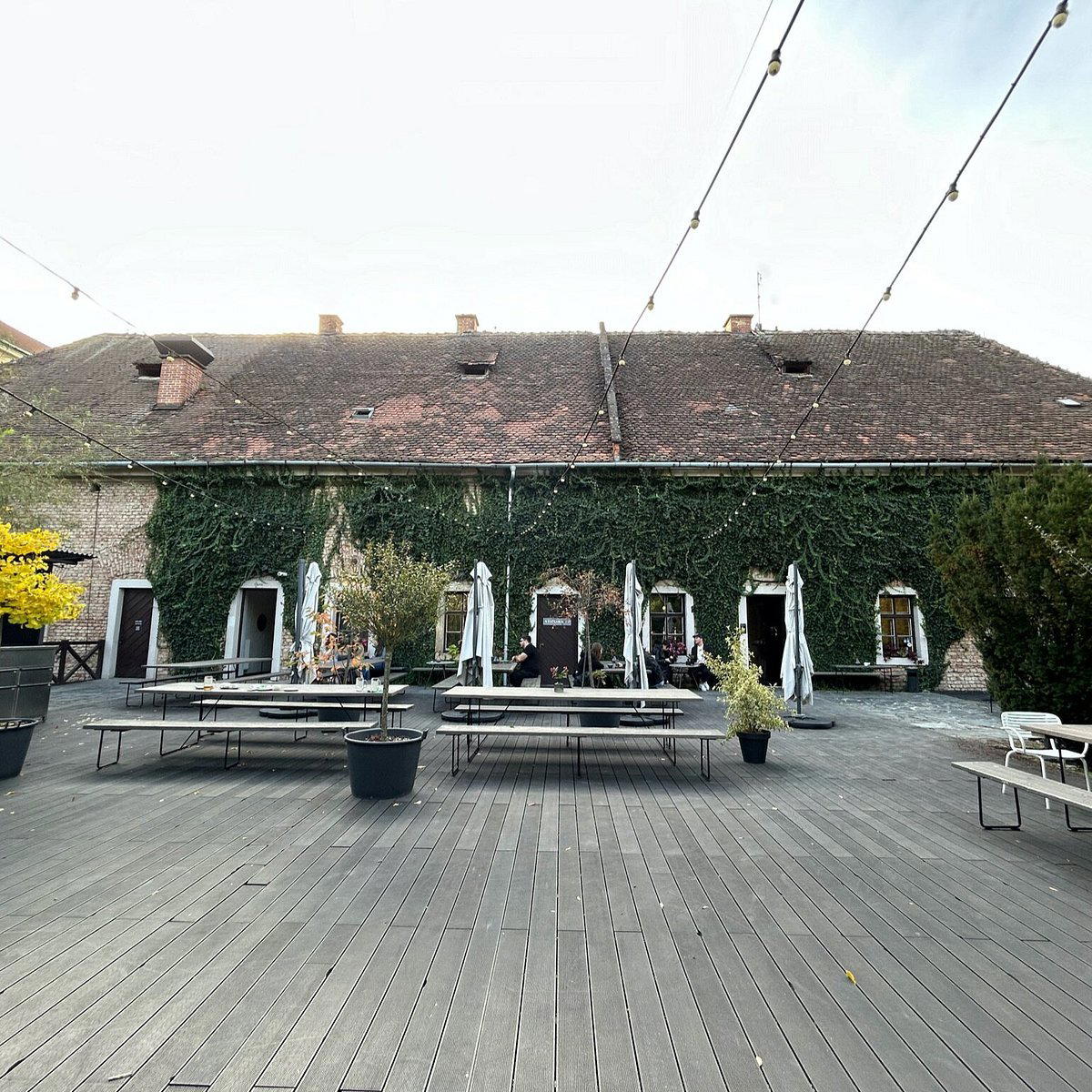
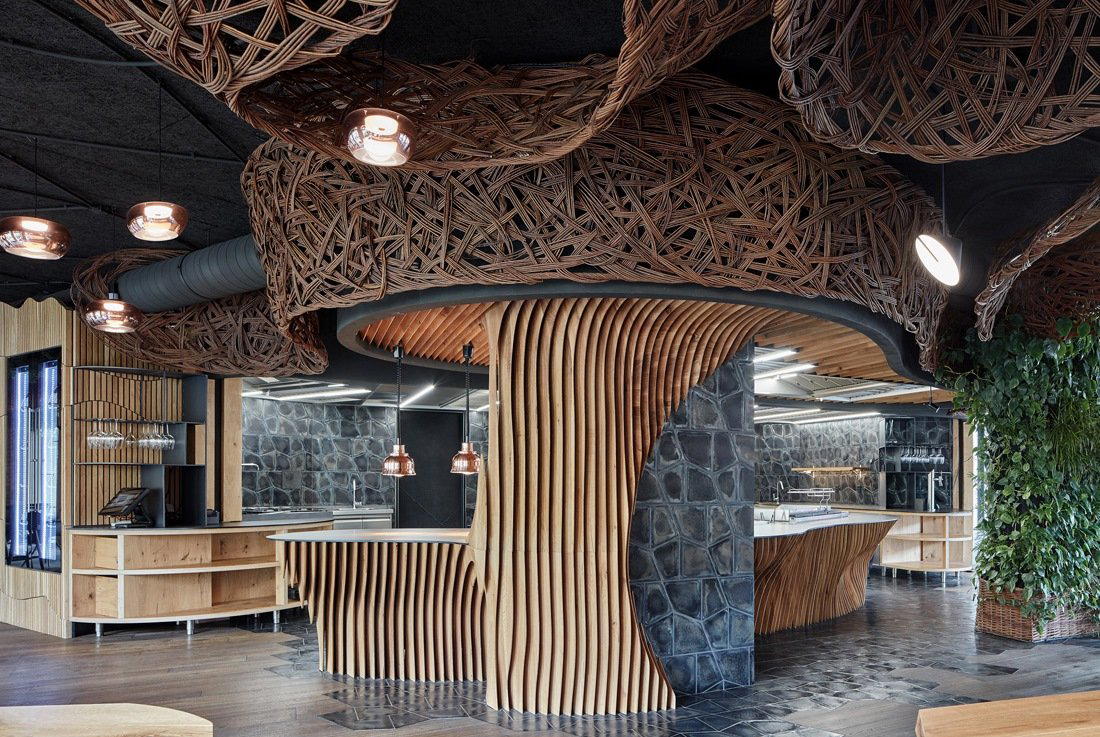
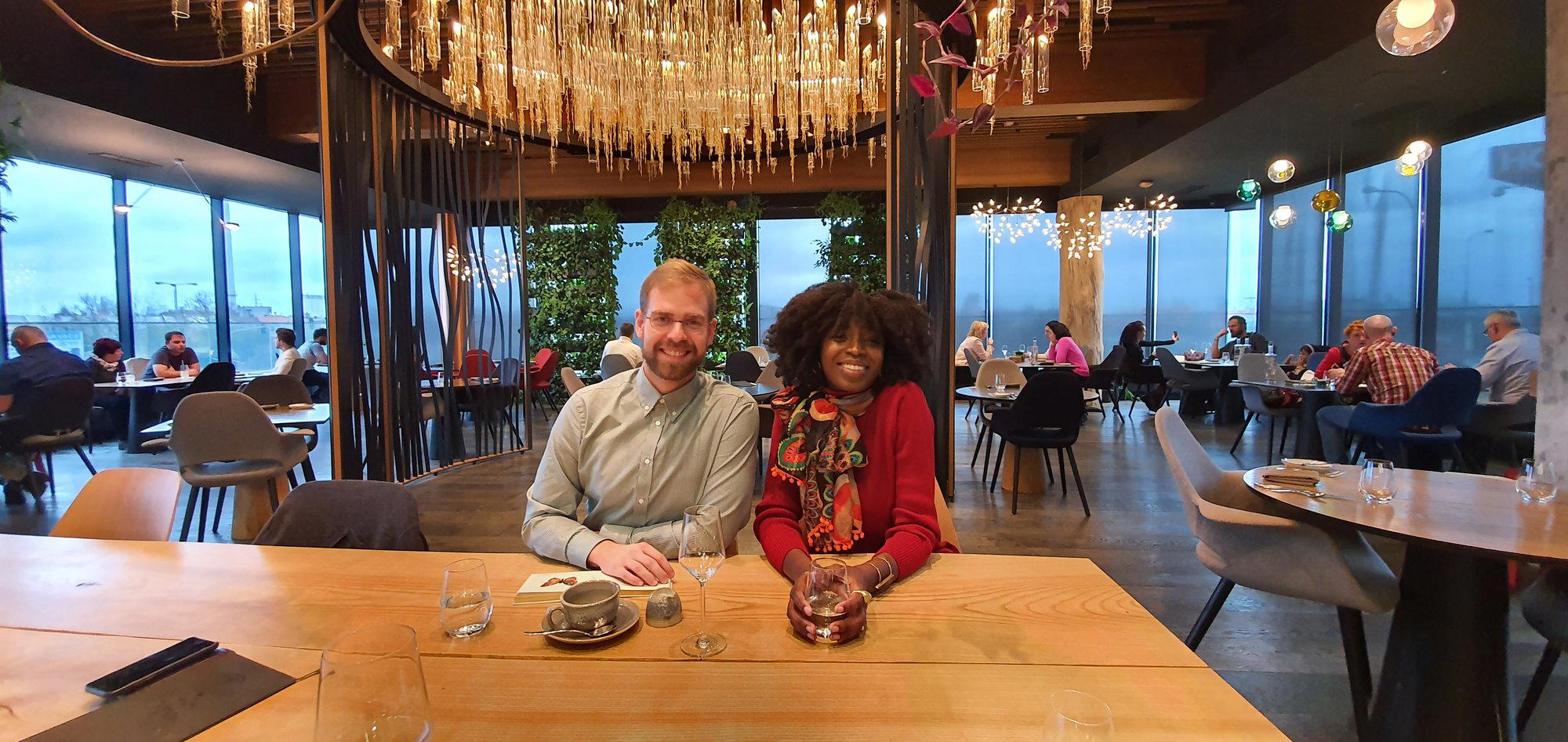
Trendy urban interior with inviting modern design, lively atmosphere opposite the open kitchen, and quieter seating at the rear.