


Michelin Plate · Guía Repsol 1 Sol · Macarfi 7.8 Food Rating
Our verdict
Set in the former stables of an aristocratic stone mansion within Cuenca's Leonor de Aquitania hotel, Raff San Pedro serves updated traditional cuisine at a mid-range price point that puts it within reach of most visitors to the old city. Two consecutive Michelin Plates (2024 and 2025) confirm its standing in a town where serious cooking is rarer than the setting suggests.

Pearl is the En Primeur Club membership app, where members save venues, book tables and use the concierge.
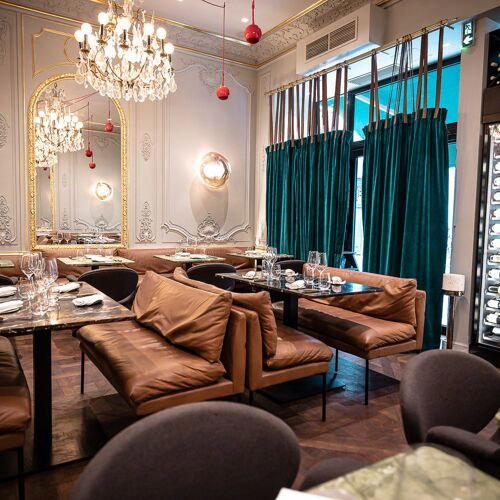
Stone Vaults and Traditional Kitchens: What Cuenca's Old City Does With Its Architecture
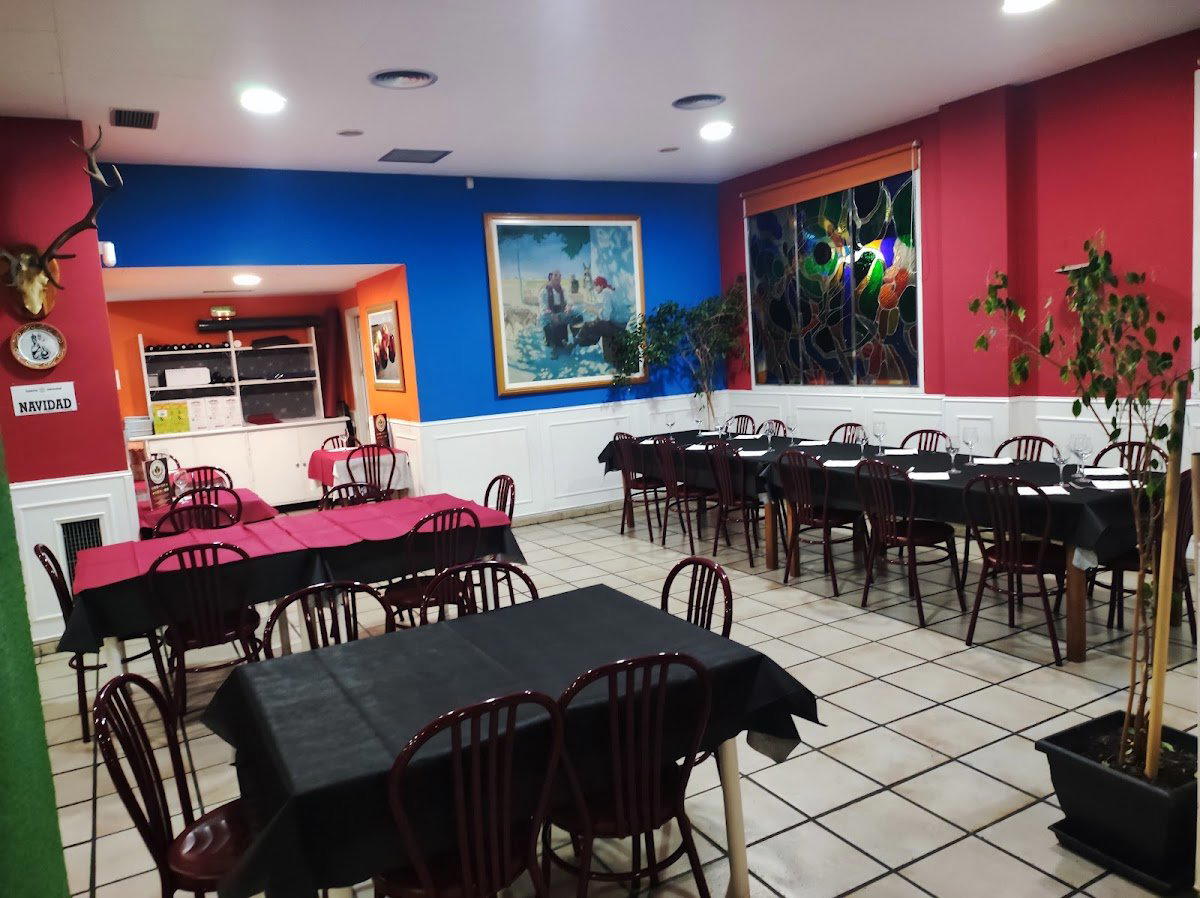
Cuenca has always treated its medieval fabric as something to be inhabited rather than simply preserved. The upper city, with its gorge-facing houses and narrow lanes of carved limestone, has been folding domestic and commercial life into centuries-old structures for as long as it has existed. Raff San Pedro is a product of that same instinct. The restaurant occupies the former stables of an aristocratic stone mansion, now converted into the Leonor de Aquitania hotel, and sits on the second basement level of the building. The ceiling is low and vaulted, the walls are stone, and the approach from street level takes you down through layers of the building's original anatomy. Before you consider the food, the physical experience of arrival positions you firmly inside a particular tradition of Spanish historic-city dining, one where the room is not decorated to suggest age, but simply is old.
That context matters more in Cuenca than it might elsewhere. The old city is a UNESCO World Heritage Site, and its restaurant supply is concentrated enough that each serious kitchen occupies a distinct niche. Casas Colgadas Restaurante sits in the contemporary tier at a higher price point. Casa de La Sirena occupies a similar contemporary register at broadly comparable prices. Olea Comedor anchors the accessible end of the modern-cuisine segment. Raff San Pedro operates at the €€ tier but with two consecutive Michelin Plates, 2024 and 2025, that align it with a different kind of credibility than price alone would suggest. The Michelin Plate is not a star, but it is a deliberate signal of quality from the guide's inspectors, and in a provincial capital with limited competition at this level, it carries weight.
Traditional Cuisine as a Working Category, Not a Museum Exhibit
The phrase "updated traditional cuisine" gets used loosely across Spain's regional restaurant scene, but in Cuenca it has specific meaning. Castilla-La Mancha's larder is built around game, lamb, dried pulses, saffron, and manchego-family cheeses. The traditional cooking of the region is earthy, fat-tolerant, and rooted in conditions of altitude and scarcity. Kitchens that describe themselves as working within this tradition while "updating" it are generally making a claim about technique and presentation rather than ingredient sourcing, tightening execution, reducing excess, bringing plating into line with contemporary expectations without excising the flavour profile that defines the cuisine.
Raff San Pedro's Michelin recognition across two consecutive years suggests the kitchen is executing this balance with consistency. The set menus that the Michelin listing specifically flags are a structural choice worth noting: in regional Spanish dining, a well-constructed set menu at a mid-tier price point is frequently where the kitchen shows its clearest thinking, as it allows the team to control sequence and portion rather than responding to à la carte scatter. For visitors arriving from larger Spanish cities where tasting menus have become the default format for serious dining, the Cuenca approach can feel more grounded, less theatrical, more directly tied to what the region actually produces.
Spain's current generation of headline kitchens, places like DiverXO in Madrid, Disfrutar in Barcelona, or El Celler de Can Roca in Girona, operate at a conceptual and financial remove from everyday regional cooking. The conversation those kitchens are having is valuable, but it exists at significant distance from what Cuenca's old city produces. The more useful comparisons for Raff San Pedro are found in the broader European tradition of hotel-based regional restaurants that carry Michelin recognition without pursuing the avant-garde: establishments like Auberge Grand'Maison in Mûr-de-Bretagne or Auga in Gijón, where the commitment is to regional specificity done with care rather than to international trend-setting. The Spanish kitchen scene that produced Arzak, Azurmendi, Quique Dacosta, Martin Berasategui, and Aponiente provides the ambient context, but these are not the direct reference points for what Raff San Pedro is doing.
The Leonor de Aquitania Setting and What It Adds
Hotel restaurants in historic Spanish cities occupy a complicated position. The best of them use the captive audience of hotel guests as a funding mechanism that allows the kitchen to operate at a level the local walk-in market alone might not sustain. The worst use that same dynamic as an excuse to coast. The Leonor de Aquitania is a property that has committed its restaurant space to a kitchen with Michelin recognition, which is a meaningful indication of intent.
The address, Calle San Pedro, 58, places the restaurant inside the historic upper city, within walking distance of the suspended houses and the Castillo de Cuenca. That location shapes who eats here: a combination of hotel guests, visitors to the old city who want a proper sit-down meal, and locals who use the hotel's dining room for occasion meals. The demographic mix is typical of this type of property in a Spanish heritage city, and it means the kitchen is calibrating its set menus to serve audiences with genuinely different expectations and reference points.
Planning a Visit
Raff San Pedro is located at Calle San Pedro, 58, on the second basement level of the Leonor de Aquitania hotel in Cuenca's upper city. The €€ pricing makes it accessible for a mid-week lunch or a pre-evening meal without requiring a special-occasion budget. The set menus are the most structured way to experience the kitchen's current direction and, based on the Michelin listing's specific mention of them, represent the format the kitchen has most deliberately developed. For visitors building a broader Cuenca itinerary, the full picture is available through our full Cuenca restaurants guide, our full Cuenca hotels guide, our full Cuenca bars guide, our full Cuenca wineries guide, and our full Cuenca experiences guide.
Frequently asked questions
What's the address for Raff San Pedro?
Raff San Pedro is located at C. San Pedro, 58, planta menos 2, 16001 Cuenca, Spain, Cuenca.
What's the best way to book Raff San Pedro?
Raff San Pedro occupies the second basement level of the Leonor de Aquitania hotel on Calle San Pedro, 58, in Cuenca's upper city. Guests staying at the hotel can arrange a reservation through the front desk directly.
What's the standout thing about Raff San Pedro?
The physical setting does considerable work here: a former stable inside a centuries-old aristocratic stone mansion, now operating as a Michelin Plate-recognised dining room two floors below street level. That combination of medieval architecture and consecutive Michelin recognition in 2024 and 2025 gives Raff San Pedro a specific gravity within Cuenca's upper city that few hotel restaurants in smaller Spanish cities can match.
A Tight Comparison
| Venue | Cuisine | Price | Awards | Notes |
|---|---|---|---|---|
| Raff San PedroThis venue (the venue you are viewing) | Modern Traditional Spanish | $50–100 | Michelin Plate · Guía Repsol 1 Sol | Not listed |
| Casas Colgadas Restaurante | Modern Spanish Tasting Menu | $50–100 | 1 Michelin Star · Guía Repsol 2 Soles | Contemporary |
| Olea Comedor | Modern Mediterranean | $20–30 | Michelin Bib Gourmand · Macarfi 7.6 Food Rating | Modern Cuisine |
| Casa de La Sirena | Modern Fusion Fine Dining | $50–100 | Michelin Plate · Guía Repsol 1 Sol | Contemporary |
Recognition history
Dated appearances from independent guides and award organizations, with the underlying list record or original source where available.
Michelin Plate
Michelin
Guía Repsol 1 Sol
Guía Repsol
Macarfi 7.8 Food Rating
Macarfi
Full recognition history (5 entries)
Michelin Plate
Michelin
Michelin Plate
Michelin
Continue exploring
More in Cuenca
Restaurants in Cuenca
All restaurants in Cuenca →
Hotels in Cuenca
All hotels in Cuenca →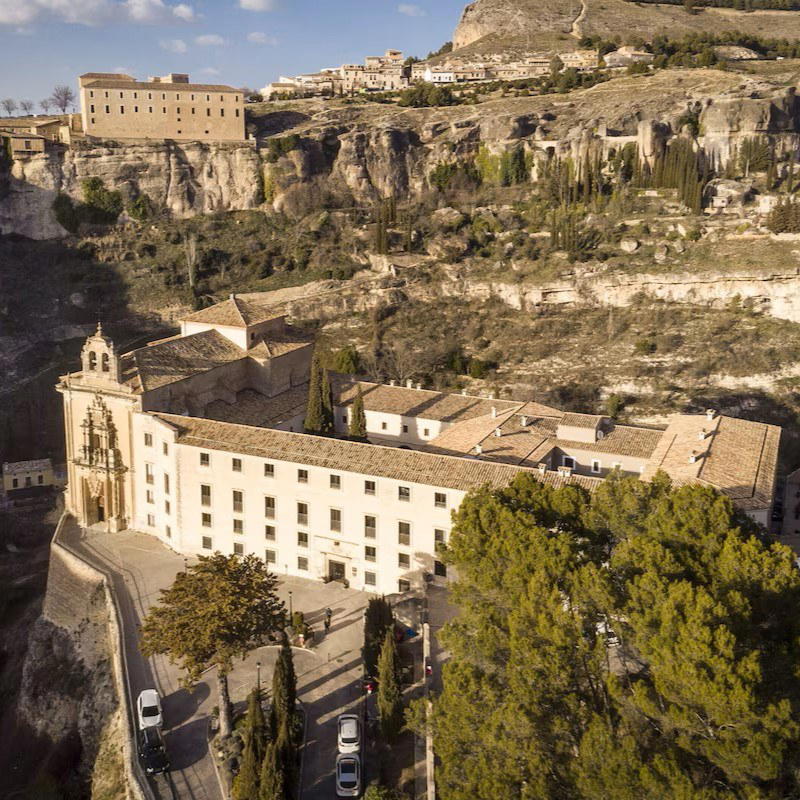
Details
- Elegant
- Cozy
- Sophisticated
- Historic
- Intimate
- Date Night
- Special Occasion
- Group Dining
- Historic Building
- Hotel Restaurant
- Extensive Wine List
- Local Sourcing
- Tasting Menu
- A La Carte
- Vegetarian Friendly
Current opening hours
- Monday
- 1:30–5 PM, 8:30–11:30 PM
- Tuesday
- Closed
- Wednesday
- Closed
- Thursday
- 1:30–5 PM, 8:30–11:30 PM
- Friday
- 1:30–5 PM, 8:30–11:30 PM
- Saturday
- 1:30–5 PM, 8:30–11:30 PM
- Sunday
- 1:30–5 PM, 8:30–11:30 PM
Hours can change for holidays and private events. Hours as of .
Charming stone-walled former wine cellar or stables with well-suited lighting, relaxed and sophisticated atmosphere.