Our verdict
On Calle de los Hermanos Becerril in Cuenca's historic old city, this address sits within one of Spain's most dramatically positioned UNESCO-listed urban centres, where the gorge landscapes and medieval stone streets shape both the setting and the local table. Cuenca's dining scene rewards those who look beyond the obvious, and this street falls in that category, close enough to the old town's core to matter, quiet enough to feel like a local discovery.

Pearl is the En Primeur Club membership app, where members save venues, book tables and use the concierge.
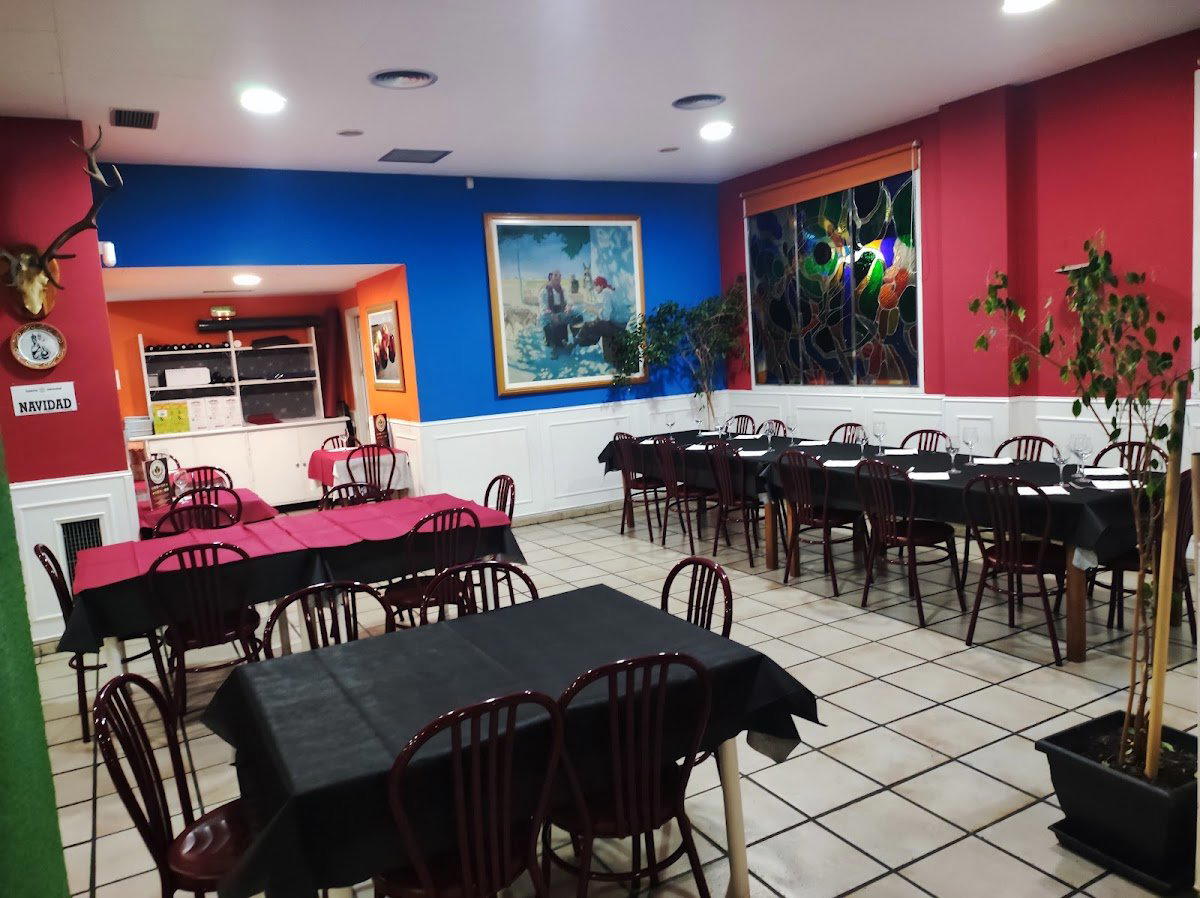
The menu
What to order
- Fried fish tapas
A Street in the Old City, and What That Means for the Table
Cuenca's Casco Antiguo does not ease you in gradually. The city rises sharply above the Júcar and Huécar gorges, its limestone streets narrowing as you climb, its buildings sometimes seeming to grow directly from the rock face beneath them. Calle de los Hermanos Becerril sits within this geography, in a part of the city where the built environment and the natural one have been in conversation for centuries. That context is not incidental to the dining experience in Cuenca's old town. Here, the setting shapes expectations before a single dish arrives.
This matters because Cuenca is not a city that operates like Madrid or Barcelona, where restaurant density creates its own gravitational pull and neighbourhood competition drives constant reinvention. Cuenca's old city is smaller, more contained, and the restaurants within it tend to reflect the land and season around them more directly than their counterparts in Spain's larger urban centres. For a detailed map of where this address fits within the wider dining picture, the full Cuenca restaurants guide provides useful orientation.
Ingredient Logic in a Landlocked Province
Castilla-La Mancha, the autonomous community surrounding Cuenca, produces a specific and well-documented larder. Manchego cheese, saffron from La Mancha, morteruelo (a game and offal pâté that is among the province's oldest dishes), zarajos (grilled lamb intestines wound around vine shoots), and ajoarriero (salt cod with garlic and olive oil) represent a tradition built on preservation, slow cooking, and the use of what the semi-arid plateau provides rather than what has to be imported. The gorge environments immediately around Cuenca also contribute: wild mushrooms, game, and river-sourced ingredients appear on menus in the old town through autumn and winter in ways that reflect genuine seasonal availability rather than menu theatre.
This sourcing tradition distinguishes Cuenca from coastal Spanish destinations where the ingredient story centres on the immediacy of the catch. In landlocked Cuenca, the logic is one of transformation: how to make substantial, flavour-dense food from preserved, cured, and slow-cooked materials. Restaurants in the old city that honour this tradition are working within a culinary vocabulary that has real depth and regional specificity. For reference on how that same regional-ingredients approach plays out at a different scale, Atrio in Cáceres offers a useful comparison from within the same Castilian interior tradition, while Aponiente in El Puerto de Santa María shows how ingredient sourcing can be taken to a conceptual extreme in a coastal context.
Where This Address Sits in Cuenca's Dining Tier
The old city's restaurant options cluster into identifiable tiers. At the upper end, Casas Colgadas Restaurante occupies the contemporary category at the €€€ price point, trading on one of the most photographed locations in Spain inside the hanging houses. Casa de La Sirena works the contemporary format at €€, offering a middle tier that balances ambition with accessibility. Olea Comedor covers modern cuisine at the single-euro price point, making it the most democratic option in the area's more refined category. And Raff San Pedro holds the traditional cuisine brief at €€, grounding the scene in regional cooking with a direct value proposition.
Calle de los Hermanos Becerril, at number 10, is positioned within this geography without the tourist-facing prominence of the hanging-houses strip. That positioning matters: it suggests a venue operating for the local and destination-aware diner rather than for foot traffic from the cathedral square. Whether that translates into a specific price tier or cuisine format is something the address itself does not declare, which is why it warrants closer investigation before booking.
Cuenca's Dining Scene in National Context
Spain's most awarded restaurants concentrate in the Basque Country, Catalonia, and Valencia, where Arzak in San Sebastián, El Celler de Can Roca in Girona, Ricard Camarena in València, and Azurmendi in Larrabetzu set the country's technical benchmark. Madrid holds DiverXO, and Barcelona has Cocina Hermanos Torres. The interior Castilian cities, Cuenca included, sit outside that Michelin-dense corridor. What they offer instead is a different kind of value: regional cooking with genuine provenance, lower price points than the destination-chef circuit, and a pace of dining that reflects the city rather than a tasting-menu format designed for international visitors.
For context on how ingredient-driven tasting formats play out in non-Cuenca settings, Mugaritz in Errenteria, Martin Berasategui in Lasarte-Oria, and Quique Dacosta in Dénia represent what the country's top tier looks like when sourcing and technique are aligned at maximum ambition. Across the Atlantic, Le Bernardin in New York City and Lazy Bear in San Francisco show how similar sourcing-first philosophies operate in an American context. Cuenca's old city does not compete in that register, but it offers something the Michelin circuit rarely does: a genuinely local table in a UNESCO World Heritage setting.
Planning Your Visit to Calle de los Hermanos Becerril
Cuenca is accessible by high-speed AVE rail from Madrid in under an hour, making it a viable day trip from the capital, though the old city rewards an overnight stay to catch the gorge light at dusk. The Casco Antiguo is compact enough to walk entirely, with Calle de los Hermanos Becerril reachable on foot from the cathedral square in a few minutes. Autumn is the season most aligned with Cuenca's table: mushroom foraging peaks between September and November, game comes into its own, and the gorge foliage adds visual texture to an already dramatic setting. Visitors arriving in summer will find the city more crowded and the menu likely weighted toward preserved and cured products rather than fresh seasonal ingredients.
Frequently asked questions
Is C. de los Hermanos Becerril, 10 good for families?
Cuenca's Casco Antiguo is a walkable, compact district, and addresses along Calle de los Hermanos Becerril sit within that pedestrian core. The old city itself, with its gorge viewpoints and UNESCO-listed architecture, gives families plenty of context around any meal.
How would you describe the vibe at C. de los Hermanos Becerril, 10?
The street sits inside Cuenca's UNESCO World Heritage Casco Antiguo, where limestone facades and narrow lanes set a distinctly historic tone before you reach any door. The surrounding neighbourhood runs quieter than Spain's larger urban dining districts, with a pace closer to provincial Castilla-La Mancha than to Madrid or Barcelona.
What makes Calle de los Hermanos Becerril worth seeking out in Cuenca's old city?
The street sits in Cuenca's Casco Antiguo, a UNESCO World Heritage Site perched above the convergence of the Júcar and Huécar gorges, which limits the total number of addresses available in this historic quarter. That geographic constraint means establishments here occupy a physically distinct and finite part of the city rather than a generically central postcode. For visitors arriving by AVE from Madrid, the old city is the primary destination, and Calle de los Hermanos Becerril falls within walking distance of Cuenca's most referenced landmarks.
What do regulars order at C. de los Hermanos Becerril, 10?
Castilla-La Mancha's larder shapes most tables in this part of Cuenca: Manchego cheese, saffron from La Mancha, and lamb from the interior plateau appear across the region's menus. Contacting the venue directly is the reliable route to understanding what the kitchen currently prioritises.
Where exactly is C. de los Hermanos Becerril, 10?
C. de los Hermanos Becerril, 10 is located at C. de los Hermanos Becerril, 10, 16004 Cuenca, Spain, Cuenca.
How far ahead should I plan for C. de los Hermanos Becerril, 10?
Cuenca is reachable from Madrid in under an hour by AVE high-speed rail, which makes it a realistic same-week trip from the capital for many travellers. Given the old city's limited capacity across all its dining options, contacting the venue as early as possible is advisable, particularly for weekend visits.
Comparable Spots, Quickly
| Venue | Cuisine | Price | Awards | Notes |
|---|---|---|---|---|
| C. de los Hermanos Becerril, 10This venue (the venue you are viewing) | Spanish Mediterranean | $20–30 | Not listed | Not listed |
| Casas Colgadas Restaurante | Modern Spanish Tasting Menu | $50–100 | 1 Michelin Star · Guía Repsol 2 Soles | Contemporary |
| Olea Comedor | Modern Mediterranean | $20–30 | Michelin Bib Gourmand · Macarfi 7.6 Food Rating | Modern Cuisine |
| Casa de La Sirena | Modern Fusion Fine Dining | $50–100 | Michelin Plate · Guía Repsol 1 Sol | Contemporary |
| Raff San Pedro | Modern Traditional Spanish | $50–100 | Michelin Plate · Guía Repsol 1 Sol | Traditional Cuisine |
Continue exploring
More in Cuenca
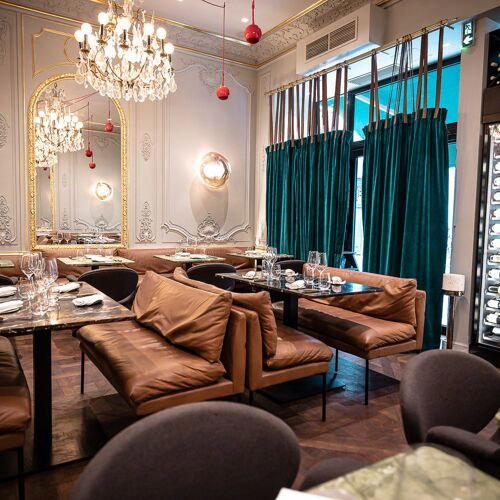
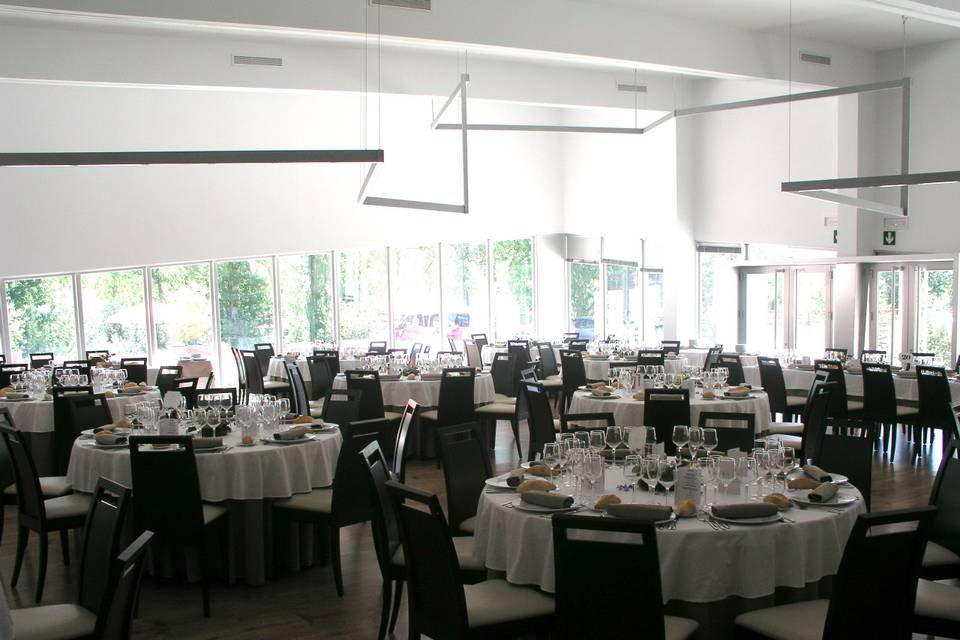
Restaurants in Cuenca
All restaurants in Cuenca →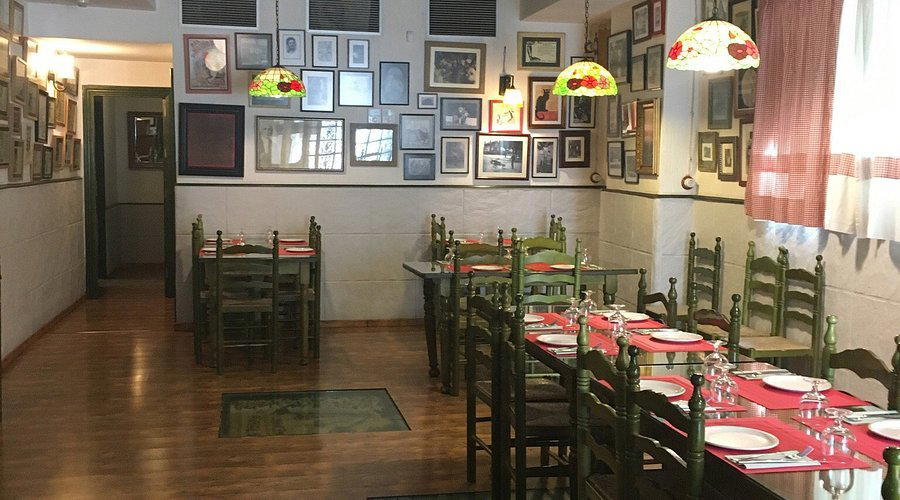
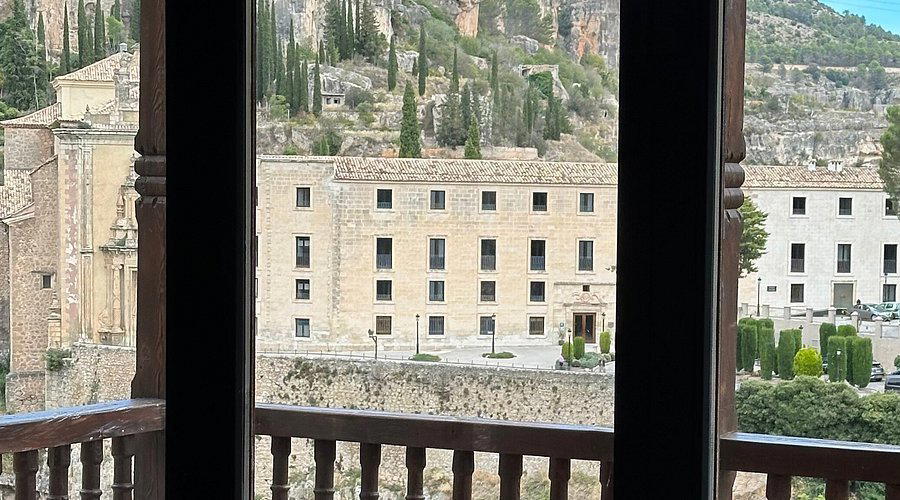
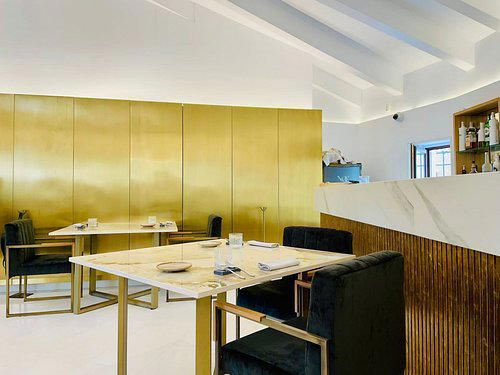
Hotels in Cuenca
All hotels in Cuenca →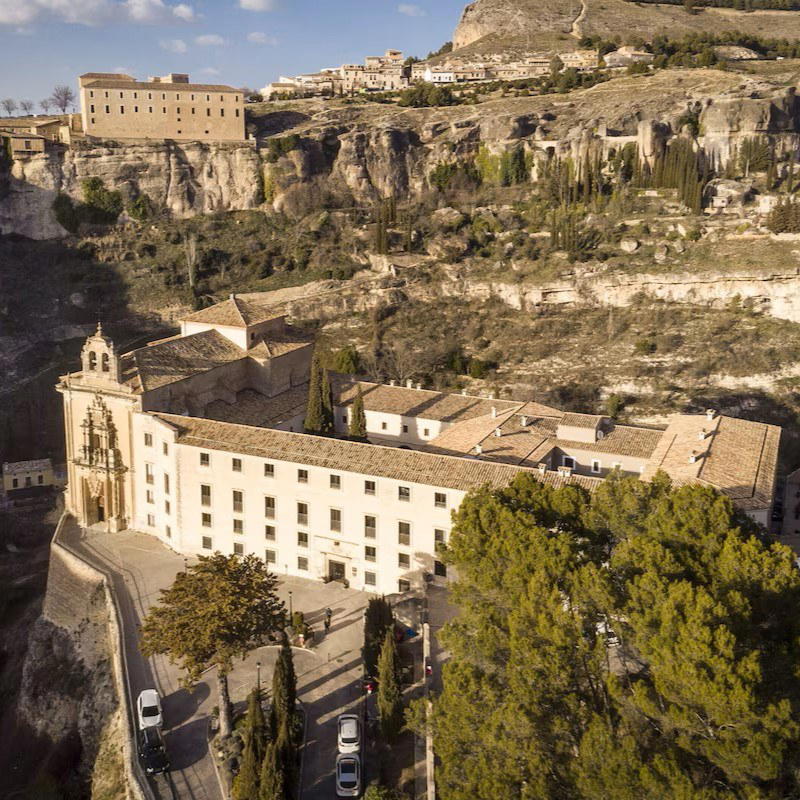
Details
- Casual Hangout
- A La Carte