Provaré

At the intersection of Creole and Italian cooking, Provaré occupies a small, color-filled dining room on Chicago's West Town corridor. Chef and co-owner Jourdan Higgs draws on Sicilian heritage alongside Gulf Coast spice, producing a menu that moves between crisp calamari stuffed with jalapeños and cognac-laced shrimp scampi. A Michelin Plate recognition in 2024 confirms the kitchen's early momentum.
Pearl is the En Primeur Club membership app — saves, bookings, and concierge access live there. Same editors, same standards.
- Address
- 1523 W Chicago Ave, Chicago, IL 60642
- Phone
- (312) 988-0943
- Website
- provarerestaurants.com
- Directions
- Get directions
 Saves & bookings on Pearl
Where West Town Meets Two Culinary Traditions
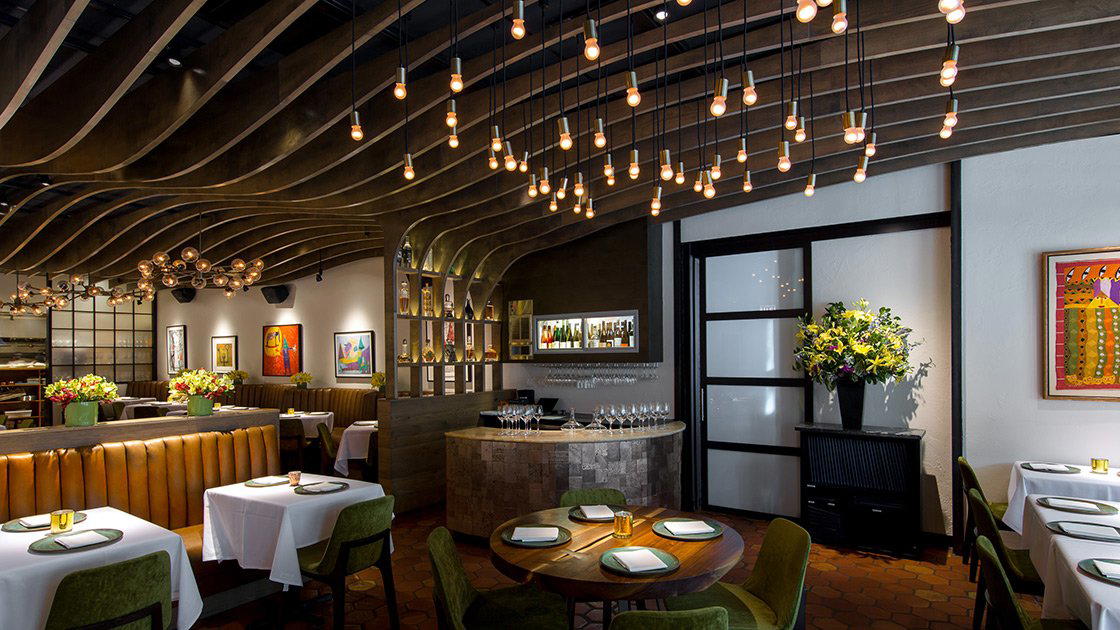
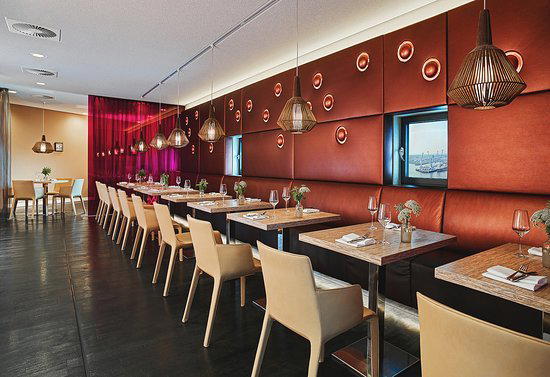
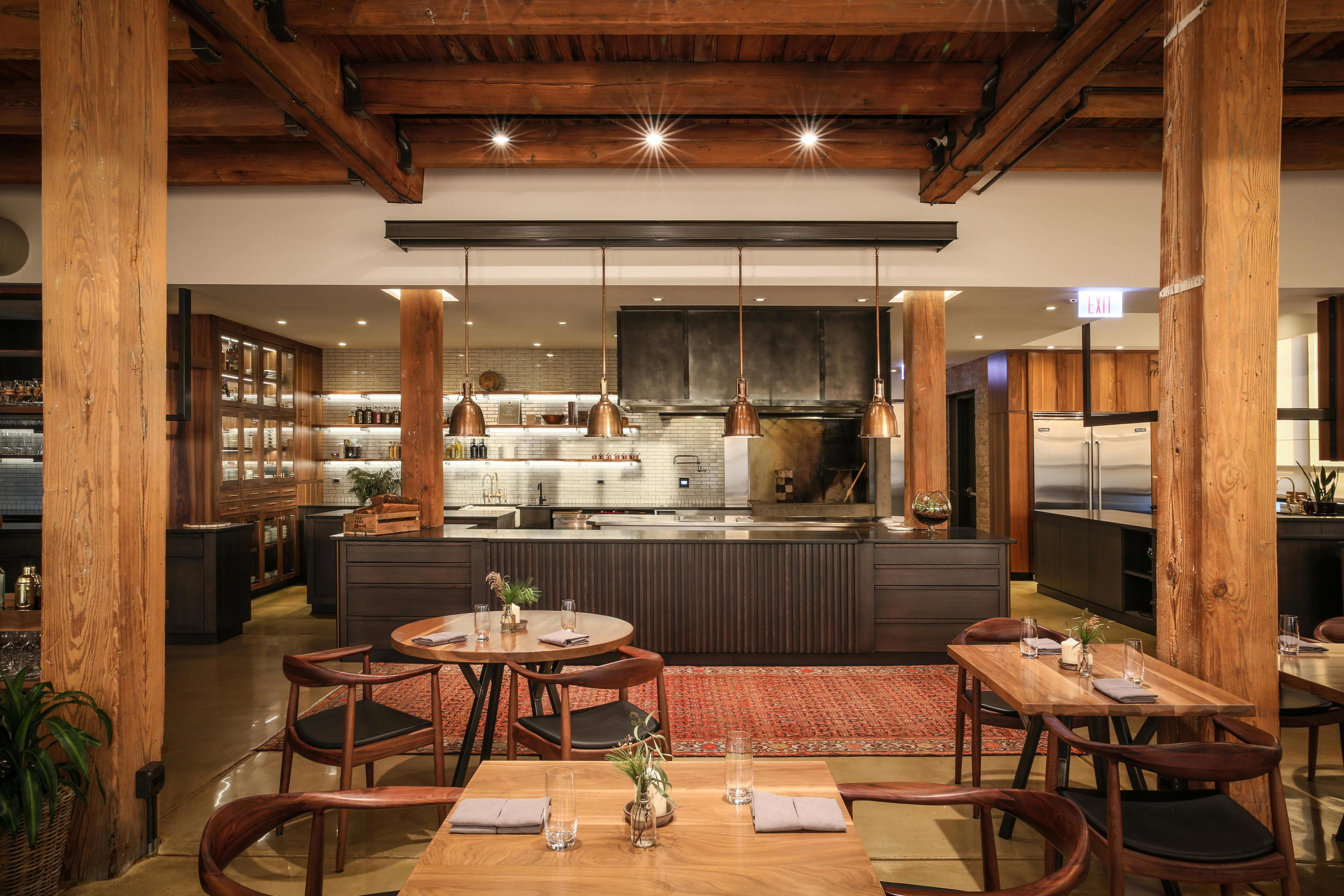
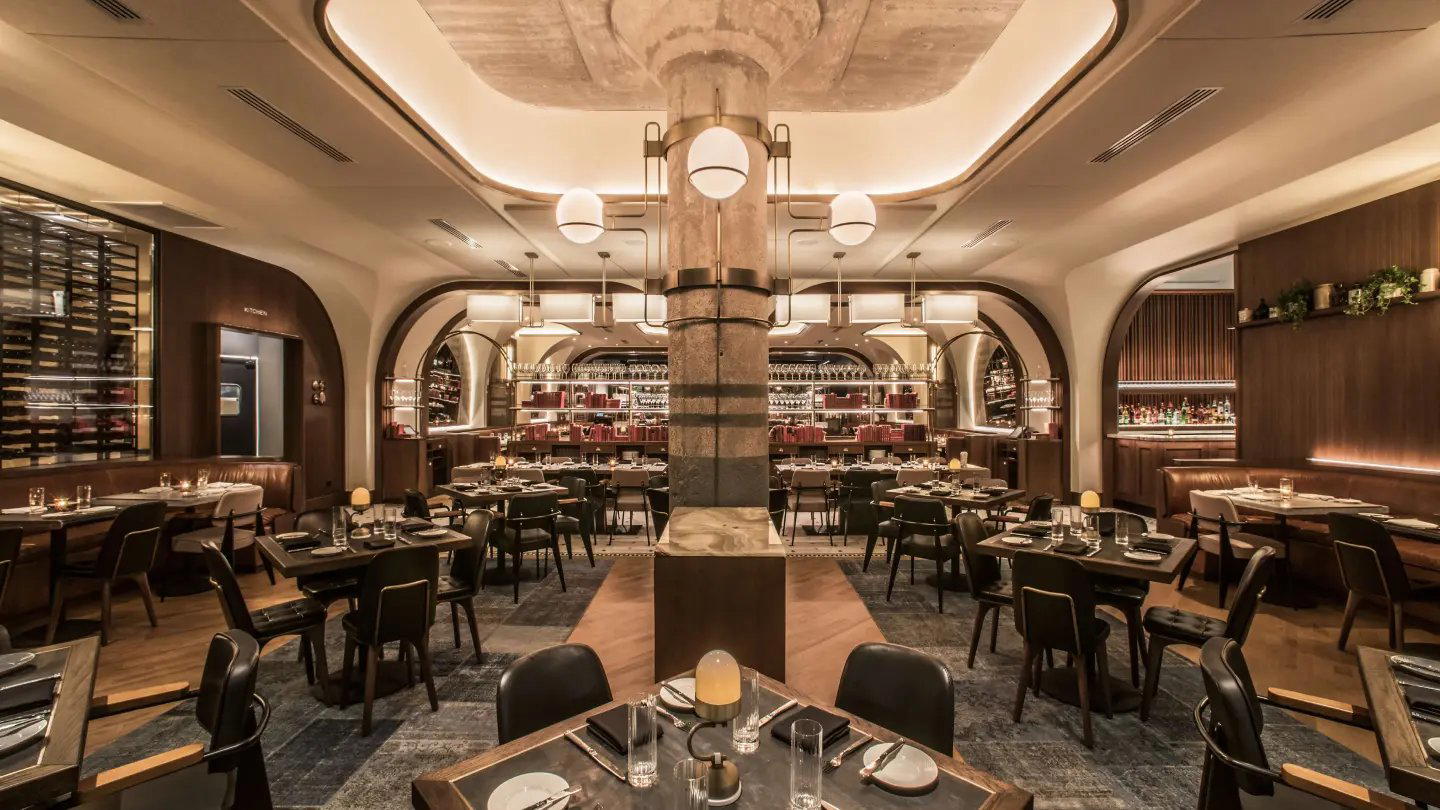
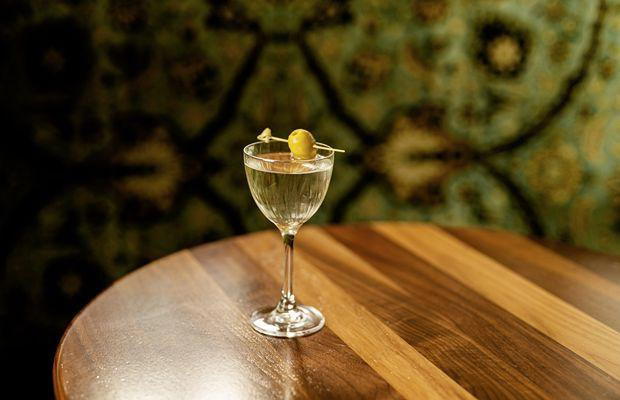
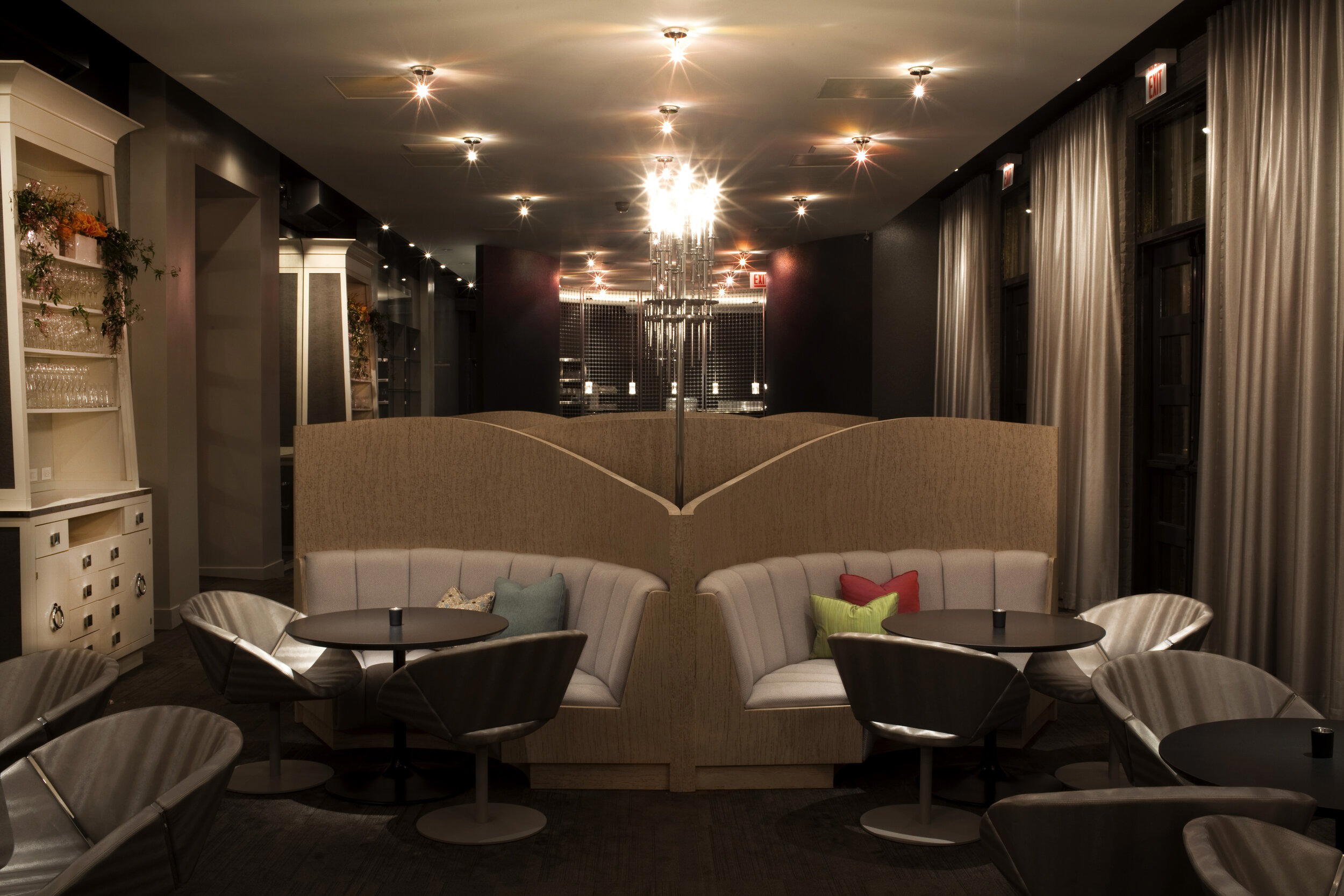
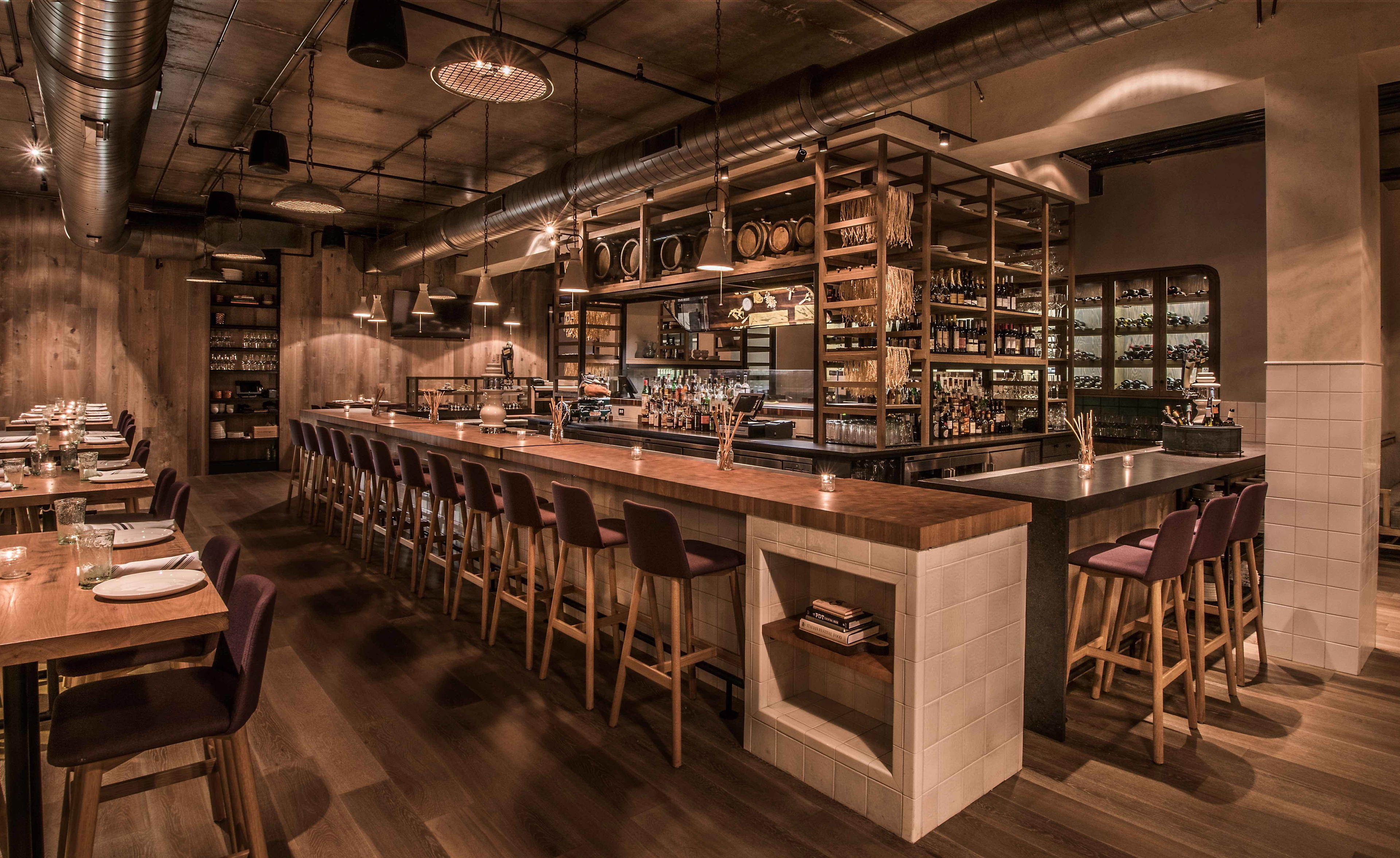
On West Chicago Avenue, the design register shifts abruptly between old-school storefronts and newer dining concepts that have moved into the corridor as Logan Square spillover pushes westward. Provaré lands in that second category: weathered wood, a burst of color across the walls, and a playlist calibrated to match the heat on the plate rather than provide ambient wallpaper. The room is deliberately intimate, the tables arranged with enough order to suggest the kitchen takes its work seriously and enough informality to signal that sharing dishes is the assumed behavior here.
The sonic environment matters more than it tends to at comparable price points. Chicago's $$$ fusion tier, which includes venues aiming at a similar spend without Michelin star overhead, often defaults to a neutral soundtrack and neutral lighting. Provaré sidesteps both choices, which means the atmosphere reads as intentional rather than inherited from a design agency template.
The Creole-Italian Axis: Where the Ingredients Originate
The editorial angle that defines Provaré's menu is ingredient sourcing across two geographically specific traditions. Creole cooking, rooted in Louisiana's access to Gulf seafood, French technique, and West African spice logic, emphasizes layered heat and fat-forward sauces. Southern Italian cooking, specifically Sicilian, shares a Mediterranean literalness about seafood and a fondness for agrodolce and citrus-sharp contrast. Chef Jourdan Higgs, who cites his Sicilian grandfather as a reference point, is drawing from both wells simultaneously rather than alternating between them.
That sourcing logic shows up most clearly in the kitchen's treatment of seafood. Calamari appears on menus across Chicago at every price tier, but the preparation here routes through a Creole pepper tradition: jalapeños and banana peppers tucked into shatteringly crisp rings suggest the kind of textural and thermal contrast you find in New Orleans fry culture as much as in any Italian fritto misto. The cognac-splashed shrimp scampi similarly reframes a recognizable Italian format through a spirit associated more with French and Creole kitchens. These are not superficial fusions; they reflect an understanding of where each technique actually comes from.
For comparative context, the Creole-Italian overlap has few serious practitioners in Chicago. The city's Italian dining tradition runs deep, from red-sauce houses in neighborhoods settled by Italian immigrants generations ago to the contemporary Italian programs now earning Michelin recognition. Its Creole presence is thinner, though the Gulf Coast pantry has found its way into individual dishes at scattered New American kitchens. Provaré's decision to treat the combination as a foundational premise rather than an occasional accent is a narrower bet than it might appear.
The Menu in Practice: Dishes Built for the Table
The Michelin Plate recognition Provaré received in 2024 reflects a kitchen with a clear point of view. Among Chicago's recognized venues, Provaré enters as a small operation still building its track record.
The menu's structure favors sharing across multiple dishes rather than the composed individual plate approach that dominates tasting-menu formats. Crabby fries, calamari, and pasta land as mid-table objects rather than plated individual portions. That format suits a room of this scale and price point: it keeps the pacing flexible and lets smaller parties cover more ground. For fusion restaurants working across two distinct ingredient traditions, the sharing format also distributes risk more evenly, guests sample the Creole-inflected dishes alongside the Italian ones rather than committing to one lane per person.
Approach places Provaré in an interesting peer conversation with venues like Mott St., which similarly roots its menu in cross-cultural sourcing at an accessible $$$ price tier. Internationally, the fusion-as-primary-identity model finds expression at places like Ajonegro in Logroño and Arkestra in Istanbul, where the convergence of distinct culinary geographies is the structuring logic of the entire program rather than a stylistic flourish.
How Provaré Sits in the Broader Chicago Dining Picture
Chicago's dining scene at the $$$ tier has expanded significantly over the past decade, offering serious cooking outside the $$$$ format occupied by the city's most prominent tasting-menu destinations. That expansion has created space for venues with specific cultural premises, a Creole-Italian kitchen being a narrower bet than a generalist New American, to find audiences without requiring the investment infrastructure of a flagship fine-dining operation.
West Town as a neighborhood supports this model. The area's dining corridor along Chicago Avenue has absorbed a range of independent concepts that sit between the high-overhead River North strip and the neighborhood-casual Wicker Park model. Provaré's combination of Michelin attention, a small room, and a menu priced accessibly within the $$$ bracket places it in a peer group that includes other independent, single-chef-premise restaurants in the area rather than the broader category of hotel-adjacent or group-operated dining.
For comparison across other American Creole or seafood-forward programs, Emeril's in New Orleans and Providence in Los Angeles anchor different ends of that tradition, while Le Bernardin in New York City, Lazy Bear in San Francisco, The French Laundry in Napa, and Single Thread Farm in Healdsburg each represent different national reference points for the intersection of sourcing specificity and culinary ambition.
Planning Your Visit
| Detail | Provaré | Mott St. | Kasama |
|---|---|---|---|
| Price tier | $$$ | $$$ | $$$$ |
| Michelin recognition | Plate (2024) | Plate | One Star |
| Format | Sharing plates, small room | Sharing plates | Tasting menu + daytime bakery |
| Location | West Town / Chicago Ave | Wicker Park | Humboldt Park |
| Cuisine premise | Creole-Italian fusion | Asian-American | Filipino-rooted |
Cuisine and Recognition
Comparable venues nearby, for context on price, style, and recognition.
| Venue | Cuisine | Price | Awards | Notes |
|---|---|---|---|---|
| ProvaréThis venue — the venue you are viewing | Italian-Creole Fusion | $$$ | Michelin Plate | Not listed |
| Creepies | French-Midwestern Bistro | $$$ | Michelin Plate | West Loop |
| Nic + Junior's | Italian-Brazilian Fusion | $$$ | Not listed | River North |
| Alla Vita | Classic Italian Pasta & Pizza | $$$ | Michelin Plate | West Loop |
| Fat Rice | Macanese Fusion | $$$ | Not listed | Logan Square |
| Leña Brava | Wood-Fire Baja Mexican | $$$ | Not listed | West Loop |
Recognition history
Dated appearances from independent guides and award organizations, with the underlying list record or original source where available.
Michelin Plate
Michelin
Michelin Plate
Michelin
At a Glance
- Lively
- Energetic
- Intimate
- Trendy
- Casual Hangout
- Celebration
- Group Dining
- Date Night
- Live Music
- Open Kitchen
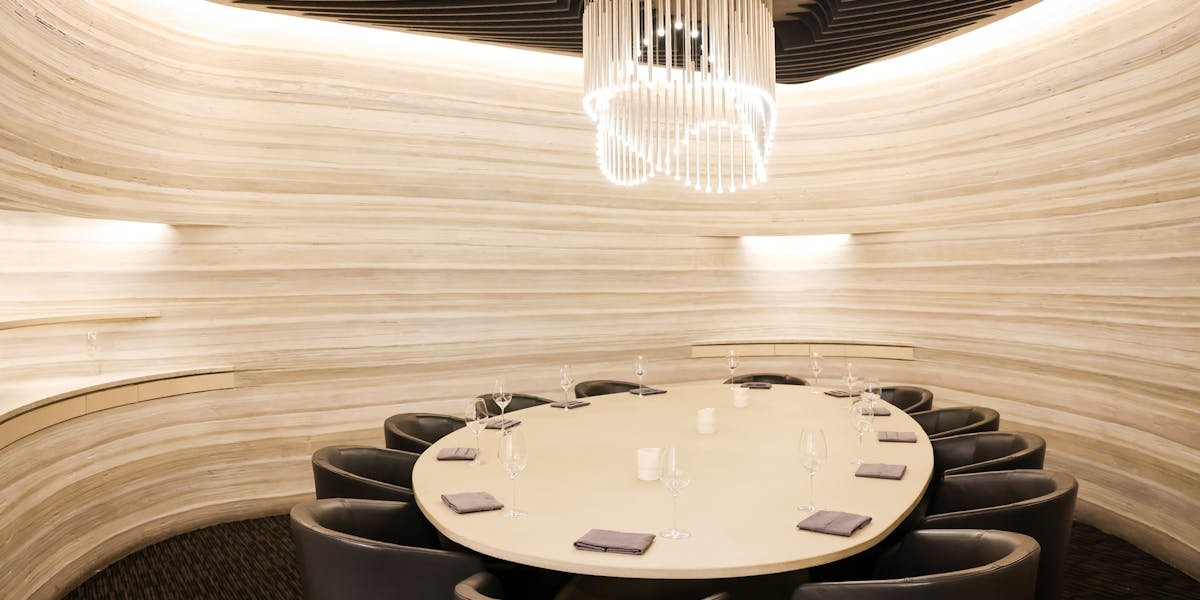
- Private Dining
- Craft Cocktails
- Local Sourcing
Current opening hours
- Monday
- Closed
- Tuesday
- 5–10 PM
- Wednesday
- 5–10 PM
- Thursday
- 5–10 PM
- Friday
- 4–11 PM
- Saturday
- 3 PM–12 AM
- Sunday
- 3–8 PM
Hours can change for holidays and private events. Last verified .
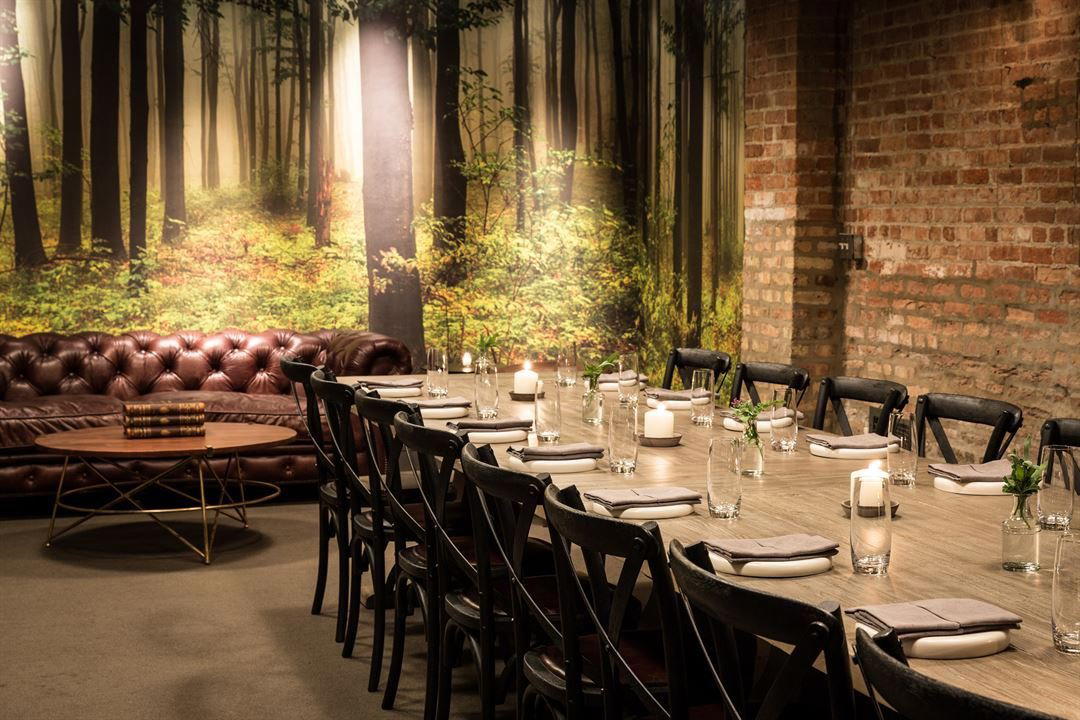
Lively and colorful dining room with weathered wood, neatly arranged tables, and a carefully curated playlist of '90s and '00s R&B and hip-hop that energizes the space without overwhelming conversation.